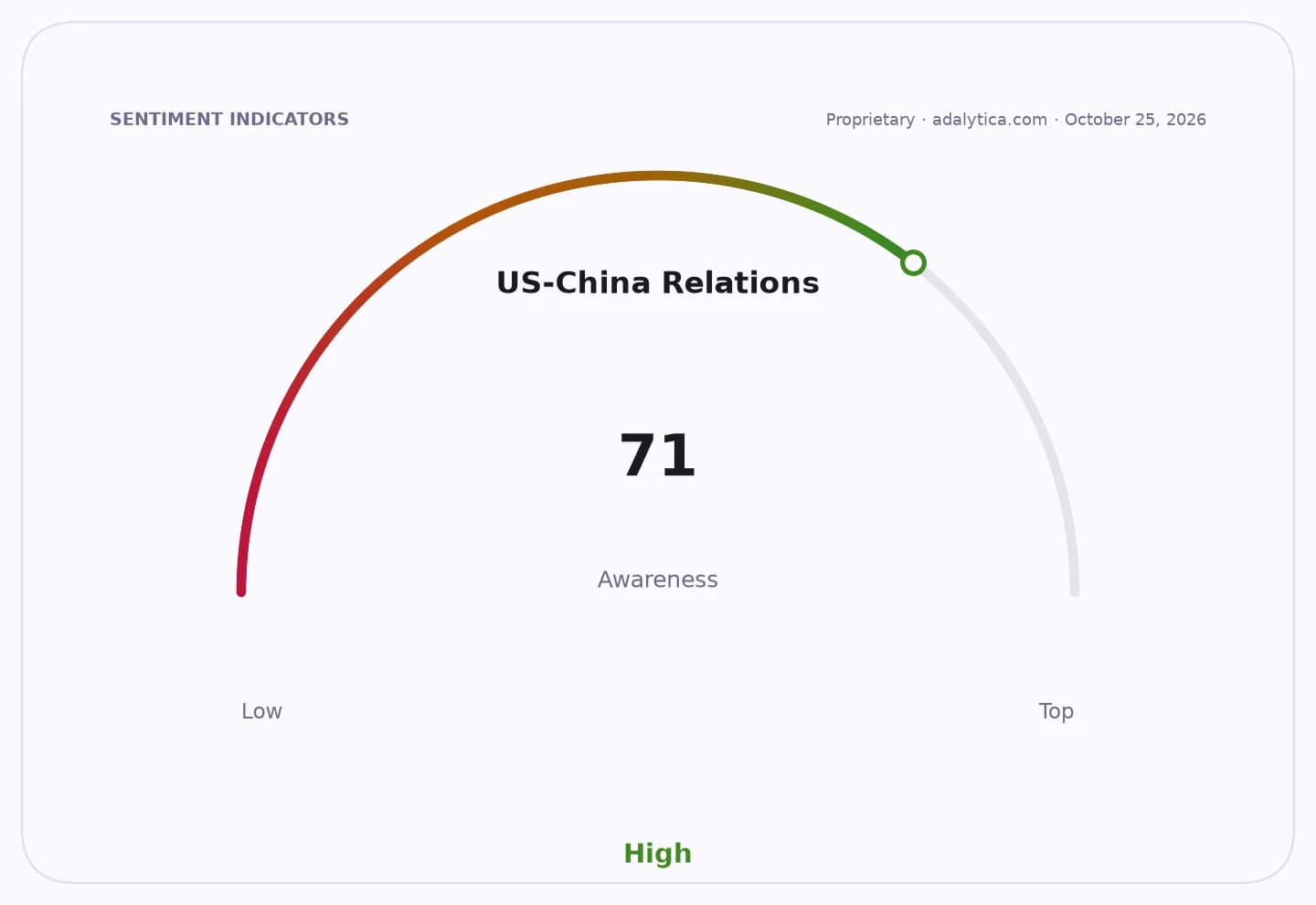
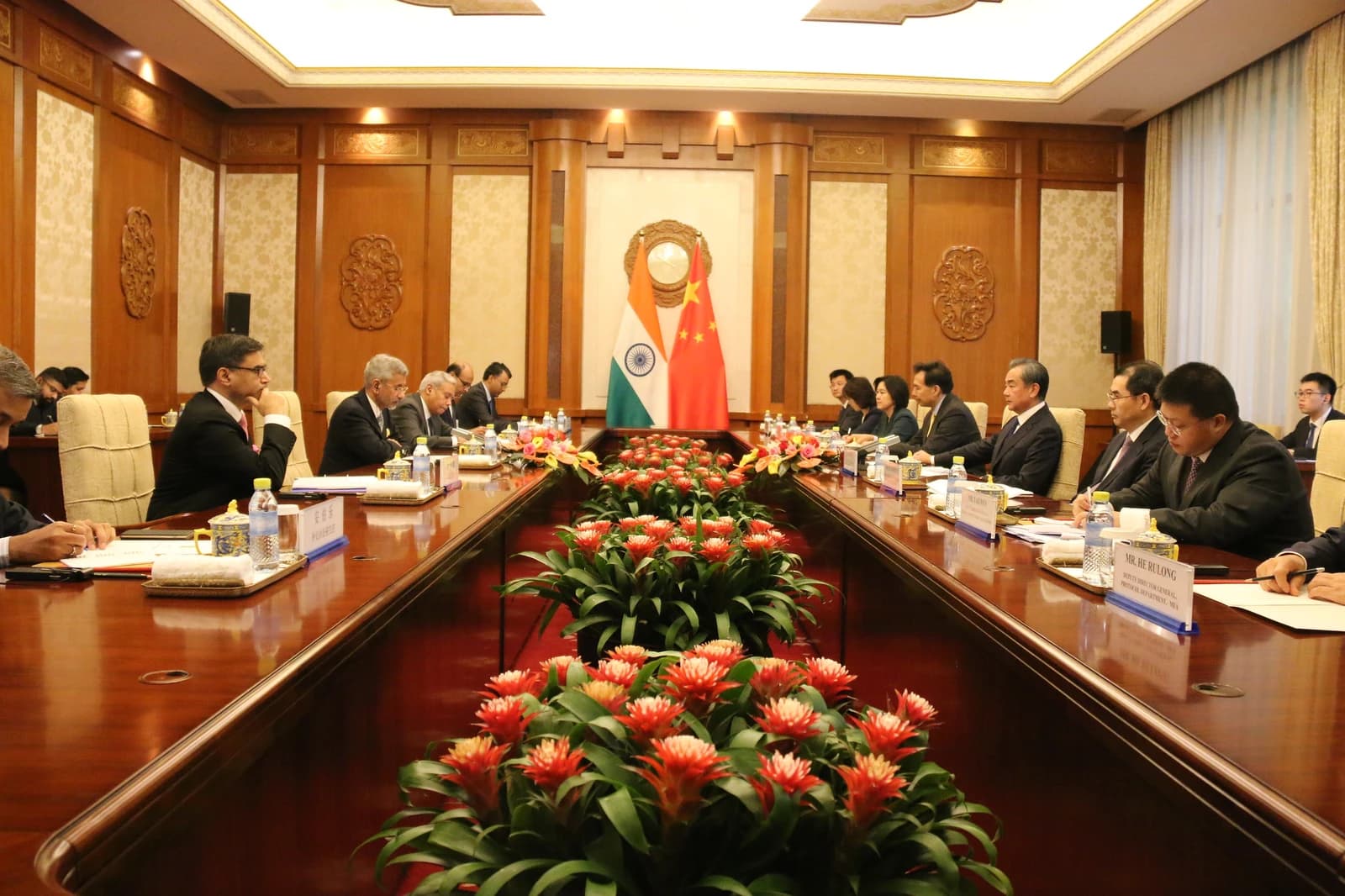
Representatives of China and the United States used a Beijing meeting to restate their positions on Taiwan, underscoring how the island remains the most dangerous fault line in bilateral relations even as both sides seek to keep broader ties from deteriorating.
US-China Taiwan Talks Keep Communication Open
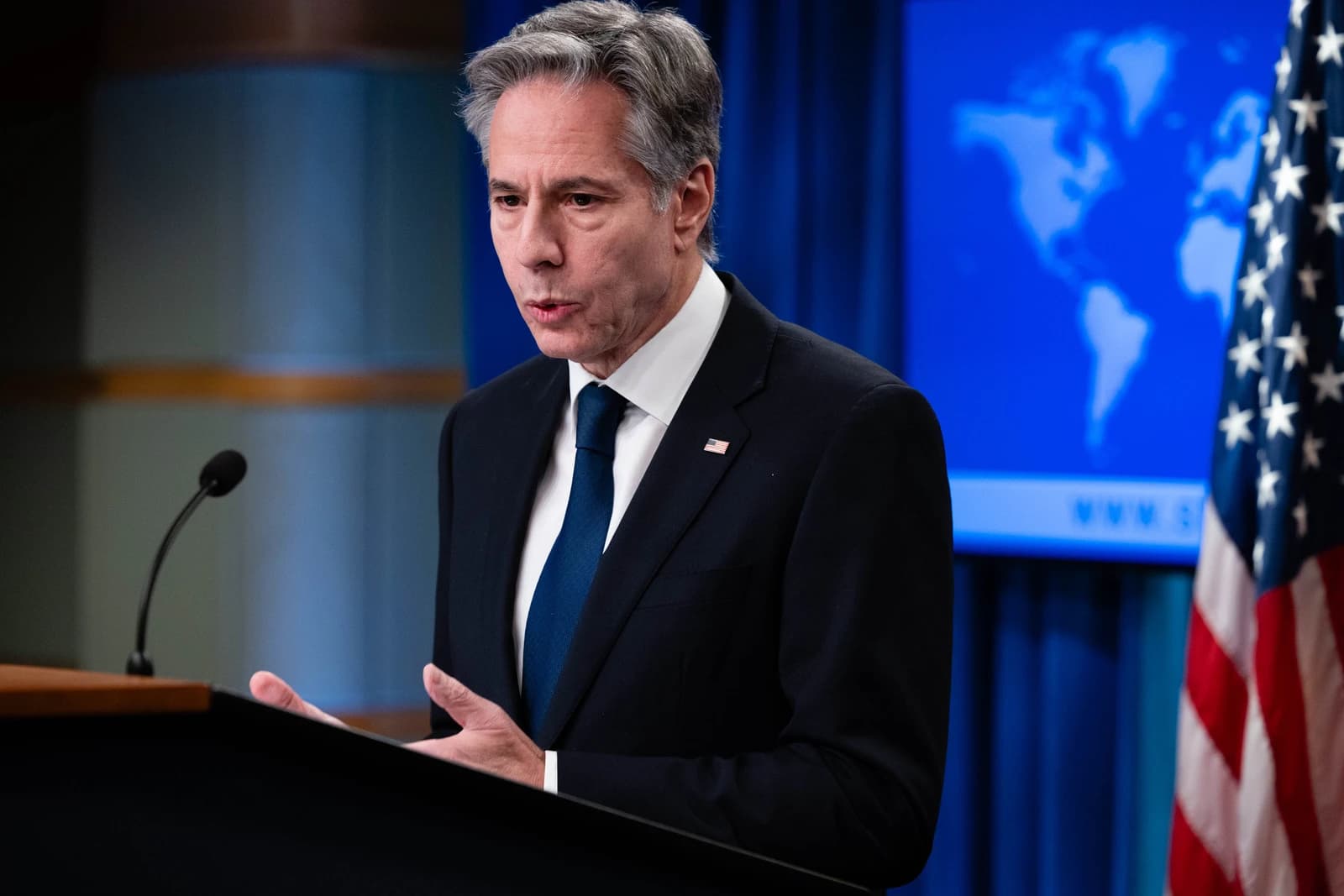
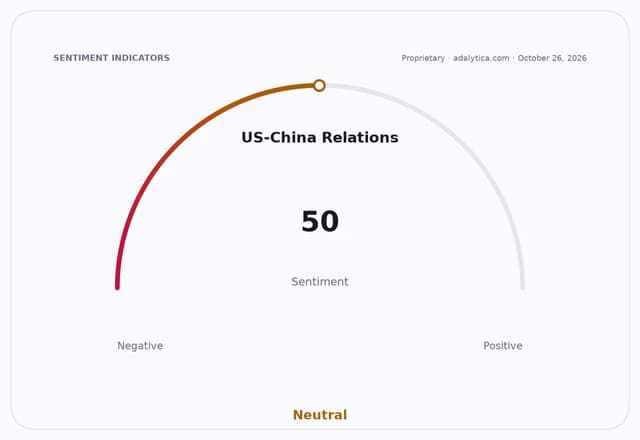
For markets, the significance is not in any breakthrough but in the absence of one: the talks suggest Washington and Beijing still see value in direct channels, which can reduce the odds of miscalculation around Taiwan and support a fragile baseline of stability in Asia-Pacific trade, technology and shipping routes.
Song Tao, head of China’s Taiwan Affairs Office, told a US delegation led by Susan M. Elliott of the National Committee on American Foreign Policy that Beijing wanted Washington to oppose Taiwan independence and adhere to the one-China principle. The US visitors, according to China’s readout, stressed the importance of close communication and said cross-strait exchanges could help preserve peace and stability in the Taiwan Strait.
The exchange followed meetings in Shanghai with Chinese academics and comes after the Xi Jinping visit to the United States, which Beijing said had helped advance a “constructive, strategic and stable” relationship. That language reflects a familiar pattern: both governments are trying to compartmentalize Taiwan while managing rivalry over trade, technology, security and the wider Indo-Pacific.
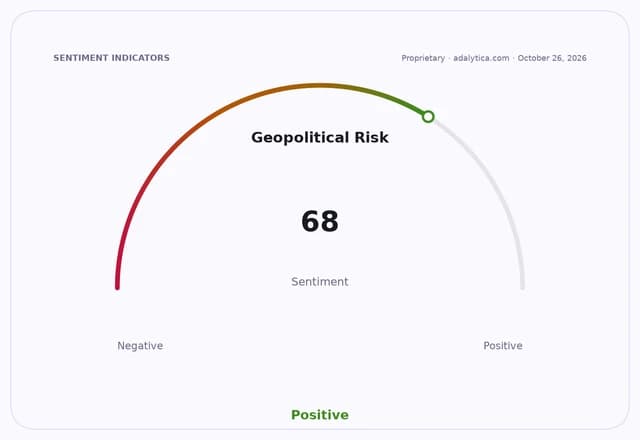
Geopolitical Risk vs FXIadalytica.com
Explore this data interactively — full history, time series and cross-market comparisons.Open AlphaPulse
The economic stakes are high because any escalation around Taiwan would quickly spill into semiconductor supply chains, regional shipping insurance costs and risk premiums across Asian assets. Taiwan sits at the center of global advanced-chip production, making cross-strait stability crucial not just for local security but for technology manufacturers from the US to Japan and South Korea.
That is one reason investors continue to treat Taiwan headlines as a macro risk event rather than a purely diplomatic one. China-focused equity proxies have remained volatile, with FXI trading well below its earlier highs and still under pressure relative to its 200-day moving average, while Taiwan equities through EWT have pulled back sharply from recent peaks and remain technically stretched after a steep run-up earlier this year.
The latest conversation does not change the structural dispute, but it does reinforce that both sides are still engaging through semi-official and academic channels at a time when the stakes are increasingly financial as well as geopolitical. For investors, the key watchpoint is whether the rhetoric leads to more predictable communication or whether Taiwan again becomes the trigger for a broader deterioration in US-China risk sentiment.
| Entity | Gains | Losses |
|---|---|---|
| US-China dialogue | ▲Lower miscalculation risk | ▼Hardline escalatory rhetoric |
| Taiwan investors | ▲Short-term stability premium | ▼Tail-risk hedges |
| China | ▲Diplomatic engagement channel | ▼Independence advocates |
| US policymakers | ▲Crisis-management leverage | ▼Pressure from security hawks |