China’s first publicly disclosed test of a third-generation nuclear submarine in the Pacific underscores a sharper, more survivable nuclear deterrent posture that is likely to keep defense spending elevated across Asia and deepen investor focus on maritime security, missile defense and undersea warfare.
China submarine test lifts defense focus in Asia
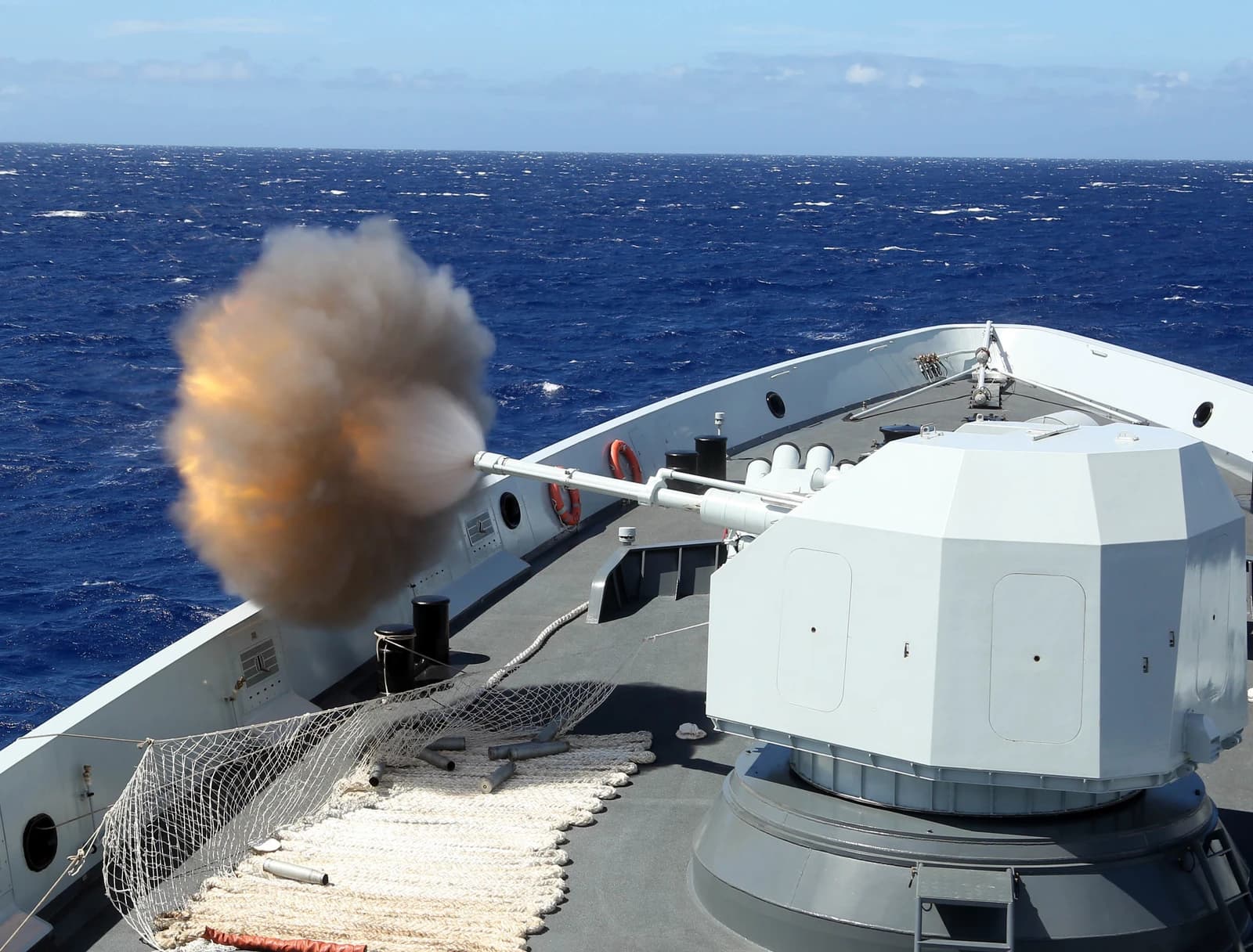
Beijing said the navy successfully launched a strategic submarine-based missile from a nuclear-powered vessel in the Chang Zheng series, marking the first time it has publicly said a third-generation submarine took part in such a test. That matters because ballistic-missile submarines are the stealthiest leg of a nuclear triad: they can remain submerged for long periods, are hard to detect and complicate any adversary’s war planning. For China, the message is not just military modernization but greater confidence in a sea-based retaliatory force that can operate farther from its coast.
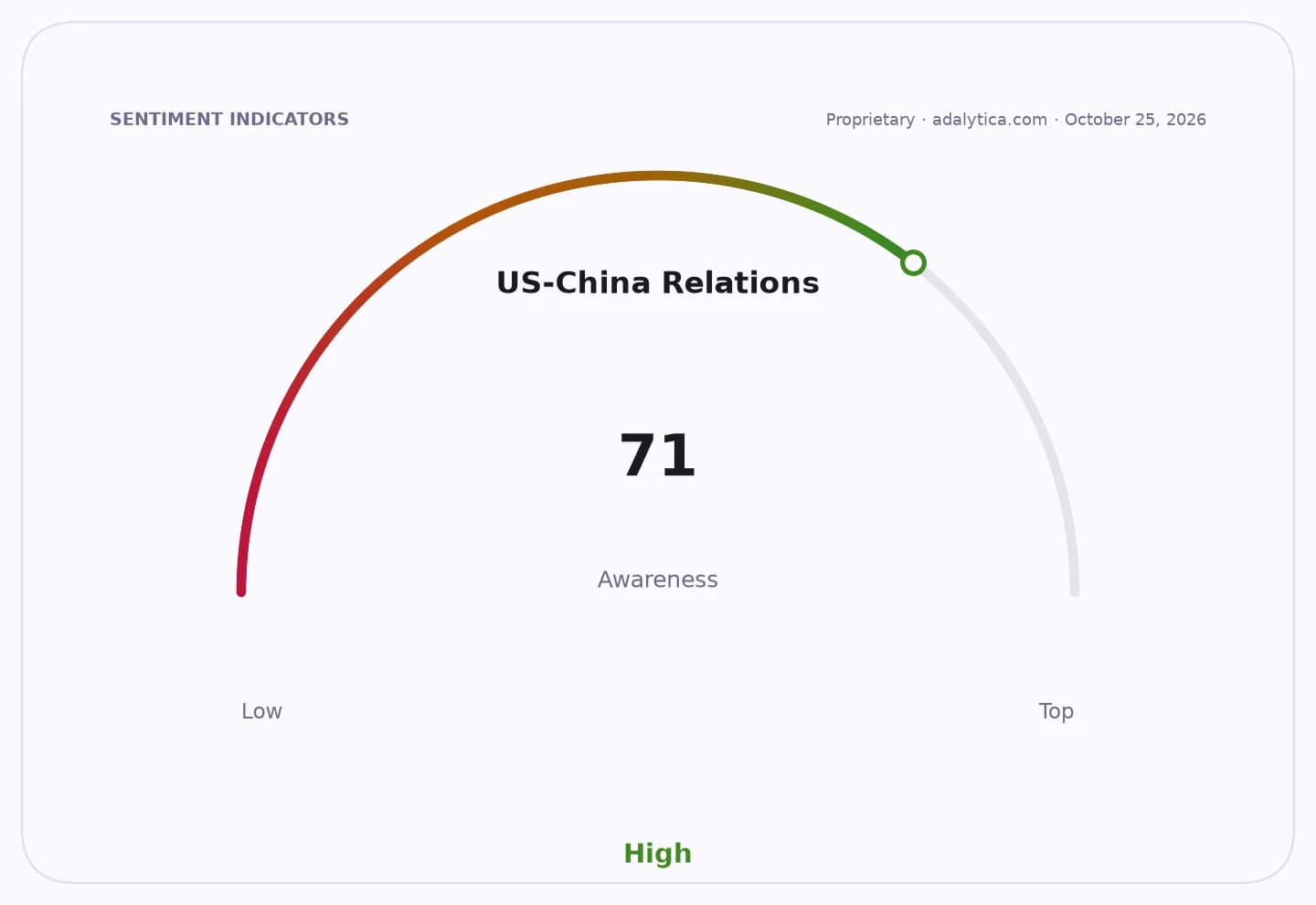
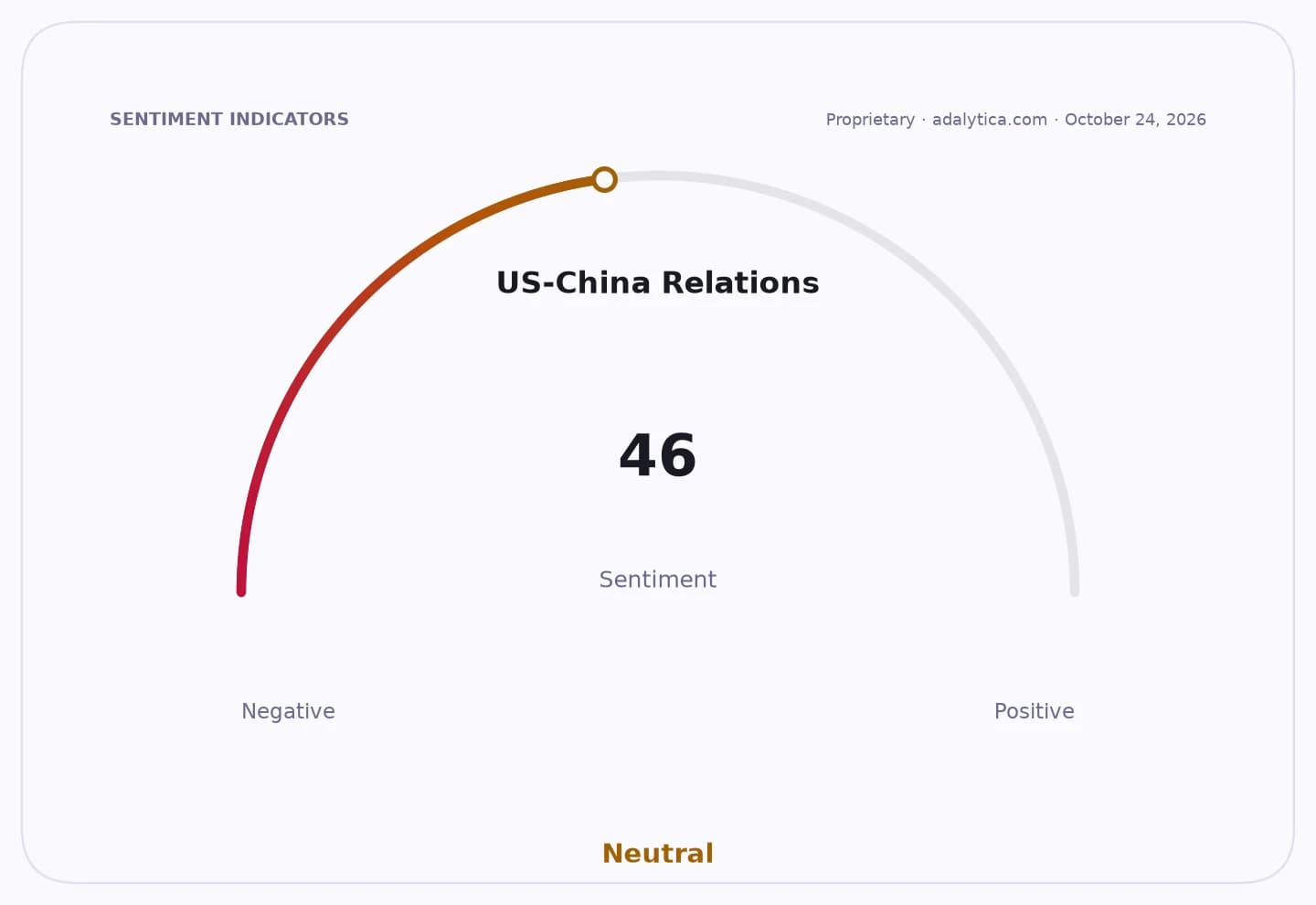
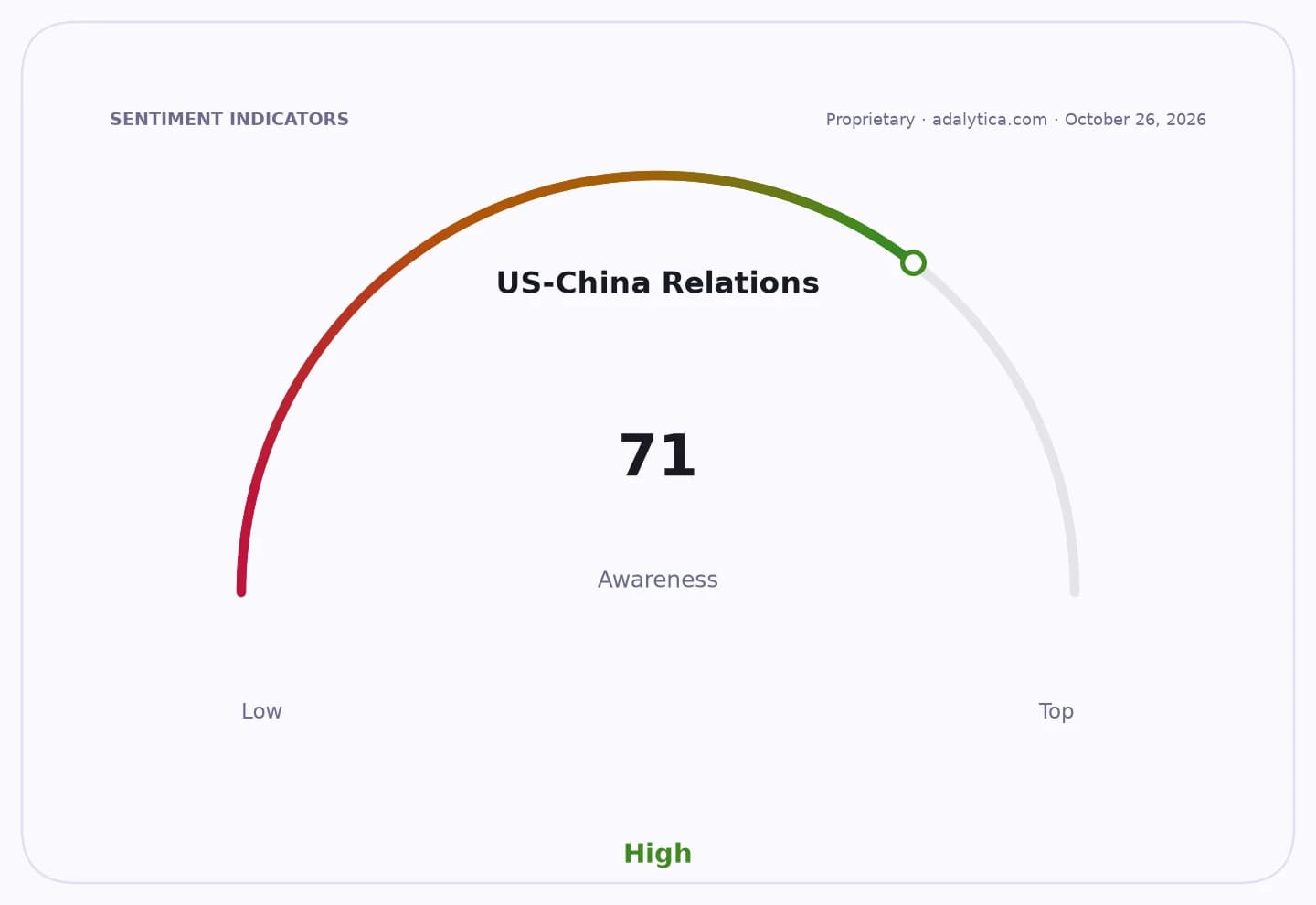
Sentiment IndicatorsⓘProprietary · adalytica.com · October 26, 2026
This is a snapshot — live sentiment, awareness and momentum for 130+ markets update continuously in the dashboard.Open AlphaPulse
The timing also matters economically. A more capable Chinese undersea deterrent is another reminder that geopolitical risk in the Pacific is not easing; it is becoming more embedded in the industrial and capital-spending cycle. That supports sustained procurement for anti-submarine systems, naval sensors, surveillance platforms, submarines, missile defense and electronic warfare across the region. Japan, Australia and the U.S. will be pushed to keep upgrading fleets and countermeasures, while suppliers tied to undersea warfare and aerospace-defense programs should continue to see durable demand.
Markets are not pricing this as a one-day headline. The bigger trade is the multi-year reallocation toward defense and strategic infrastructure in Asia. Chinese military advances typically feed allied responses, and that is where the investable opportunity lies: shipbuilders, radar and sensor makers, missile-defense contractors and select defense ETFs. The hedge is also relevant for China exposure more broadly, because rising security tensions tend to keep foreign capital cautious and reinforce the valuation discount on Chinese equities.
That backdrop is visible in the market. The FXI China ETF sits well below its 200-day moving average, while Alibaba has fallen sharply and is trading far under its longer-term trend, reflecting how quickly geopolitical headlines can revive risk aversion. By contrast, Hong Kong exposure via EWH has held up better, but it too is treading water rather than signaling renewed enthusiasm for China-linked assets. In short, investors are still treating China policy and security risk as a discount rate problem, not just a newsflow issue.
The strategic takeaway is simple: China’s submarine test is not just a military milestone, it is another catalyst for a decade-long defense upcycle. The market underestimates how persistent this theme can be. I would treat any pullbacks in defense and security names as opportunities, while staying selective on broad China exposure until the geopolitical premium is fully reflected.
| Entity | Gains | Losses |
|---|---|---|
| China’s defense sector | ▲More budget support | ▼Lower regional trust |
| Japan and Australia defense contractors | ▲Higher procurement demand | ▼Greater security pressure |
| U.S. Navy and allies | ▲Stronger case for spending | ▼Need for costlier upgrades |
| Chinese equities/FXI | ▲— | ▼Geopolitical discount |