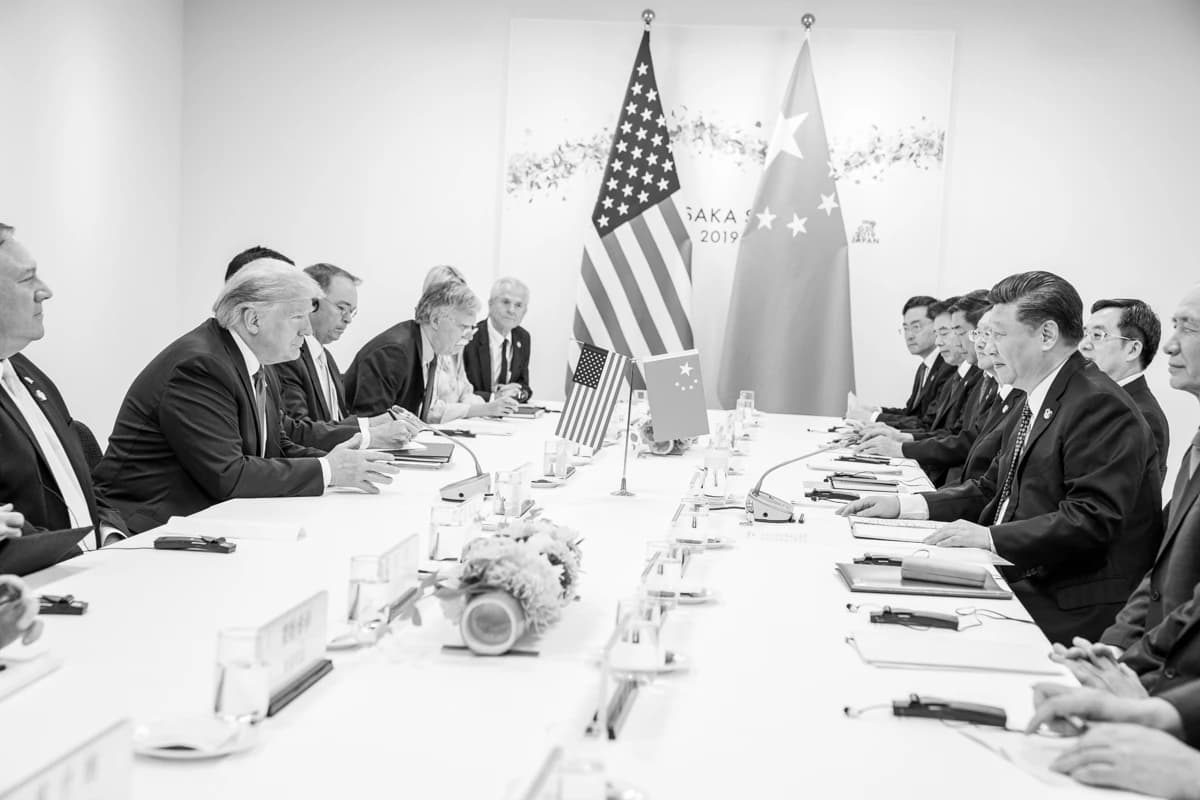
The U.S. has added a wrongful detention warning to its China travel advisory, a sign that the rift between Washington and Beijing is widening in ways that go beyond tariffs and technology.
U.S. Adds China Wrongful Detention Warning
For investors, the move matters because it raises the political risk premium on anything tied to China exposure, from tourism and cross-border business travel to broader capital flows and corporate planning. It also lands at a time when China is already warning of retaliation against U.S. investment restrictions and trade barriers, reinforcing the idea that this is not a passing diplomatic flare-up but a more durable deterioration in relations.
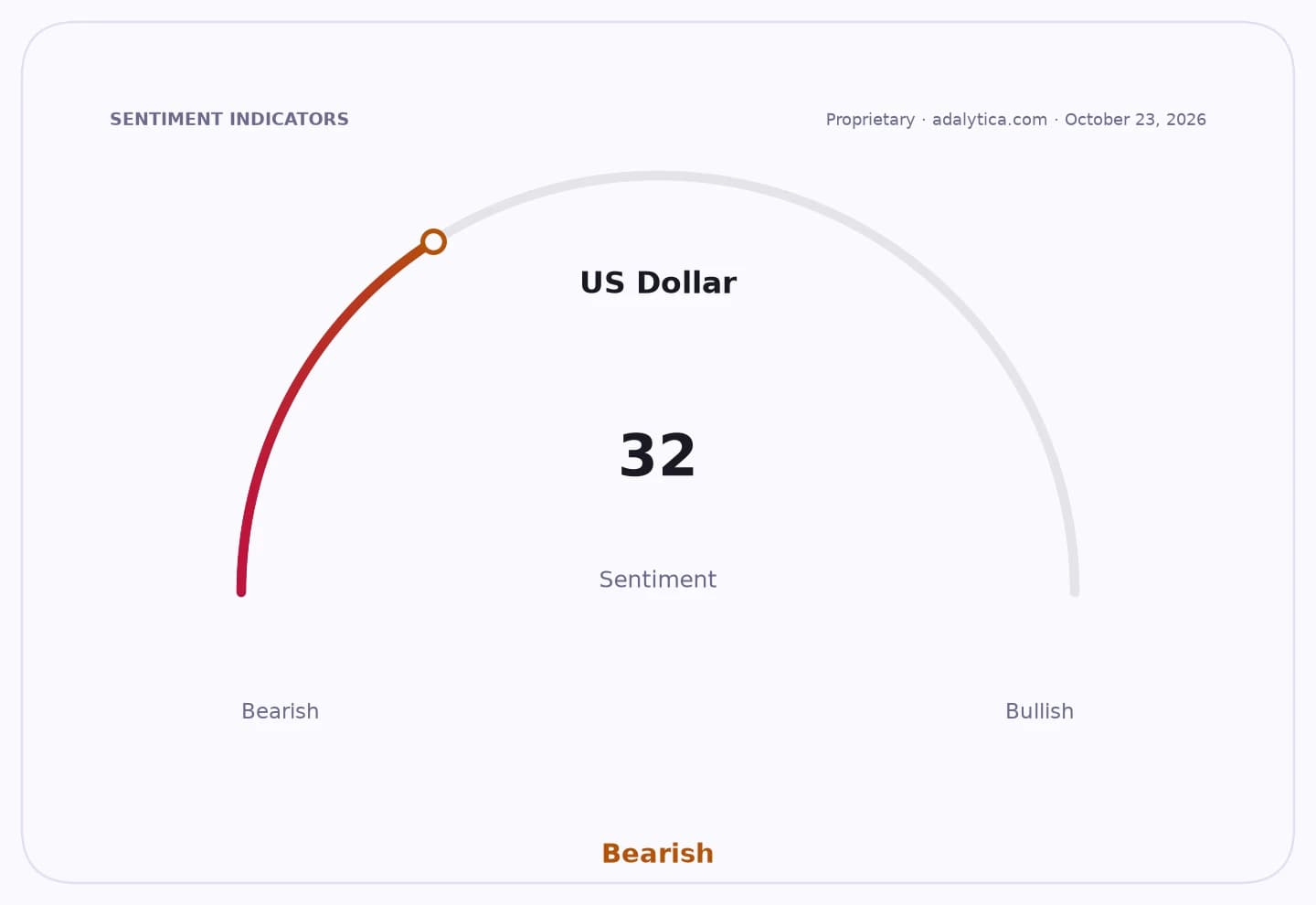
Sentiment IndicatorsⓘProprietary · adalytica.com · October 24, 2026
This is a snapshot — live sentiment, awareness and momentum for 130+ markets update continuously in the dashboard.Open AlphaPulse
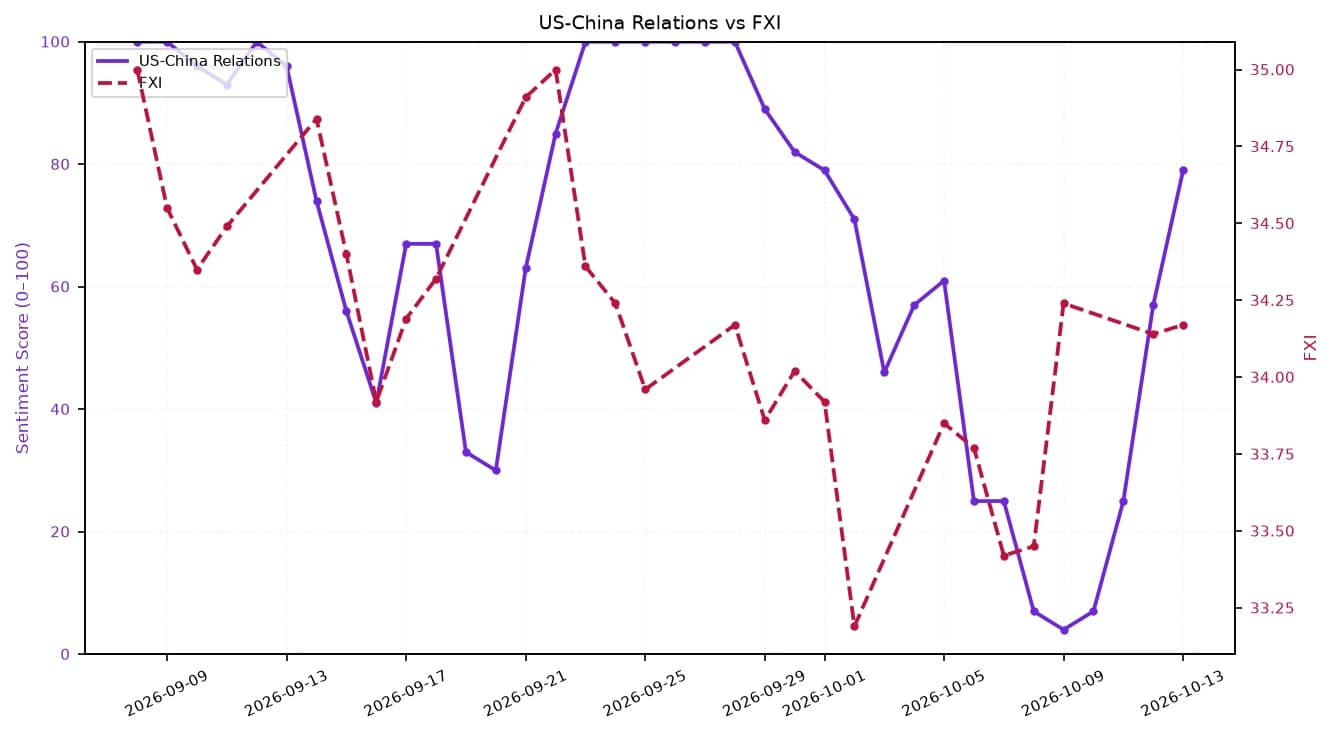
The market is already reflecting that caution. The iShares China Large-Cap ETF, FXI, has fallen to $32.31 from above $40 earlier in the year, and it remains below both its 50-day moving average and 200-day moving average. Its relative strength index has slipped to 30.9, a level that suggests the selling has become stretched, but not necessarily over. That kind of price action shows investors are still demanding a discount for China-linked assets as policy risk builds.
At the same time, the Direxion Daily FTSE China Bear 3X Shares, or YANG, has surged to $37.24 from $27.35 in early September. That is a sharp reminder that traders are positioning for more downside in Chinese equities, even as the broader debate over China exposure remains unresolved. The move in YANG is less about day-to-day noise than about how quickly geopolitical headlines can reshape sentiment around an entire asset class.
Geopolitical Risk vs FXIadalytica.com
Explore this data interactively — full history, time series and cross-market comparisons.Open AlphaPulse
The economic impact is broader than a single advisory update. If Americans see China as a higher-risk destination, that can weigh on travel, business development and deal-making, especially for companies with sales teams, supply-chain managers or executives moving frequently between the two countries. It also adds another layer of friction for multinational firms already trying to navigate export controls, investment limits and the growing possibility of policy retaliation.
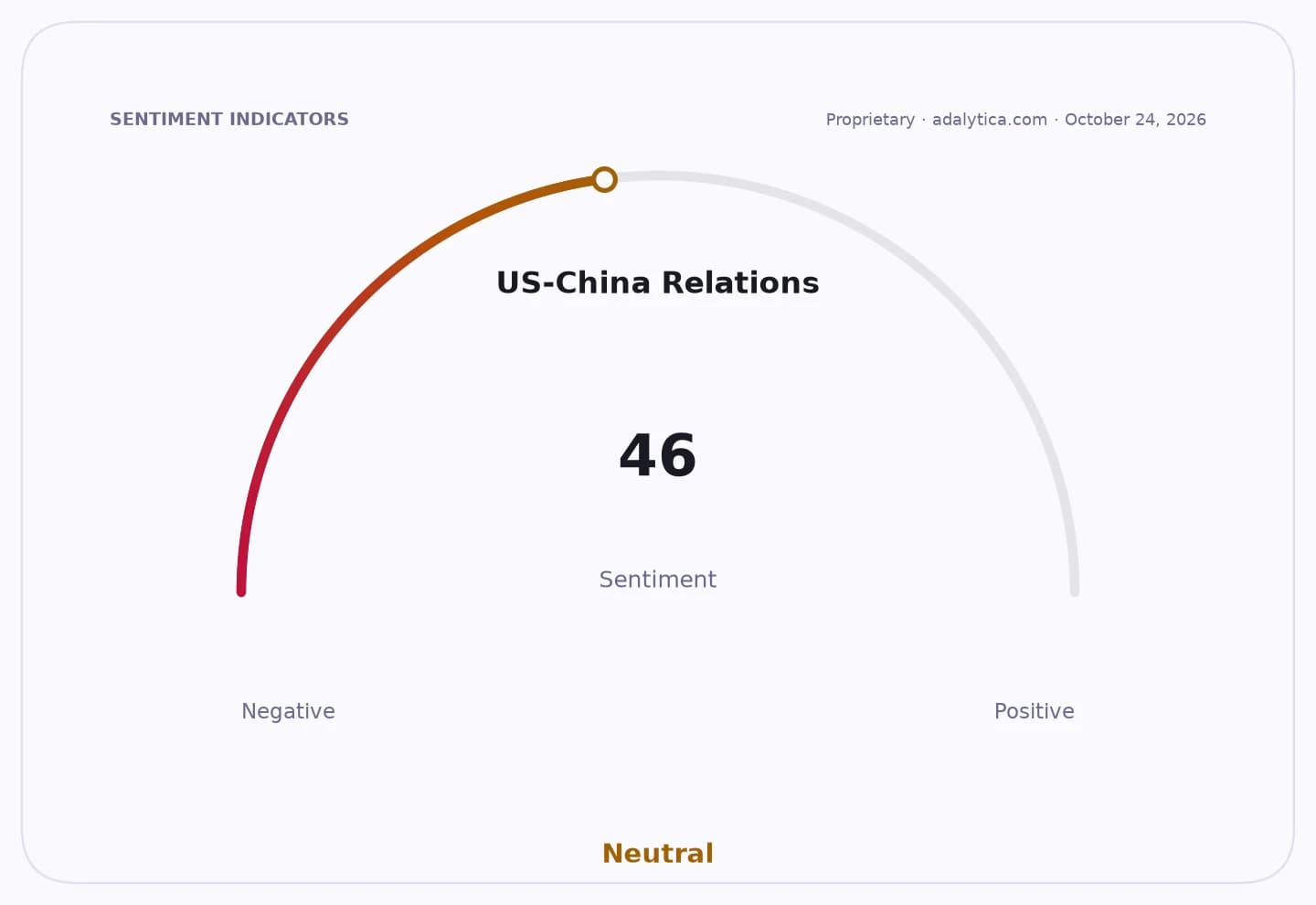
Adalytica’s U.S.–China Relations Sentiment gauge underscores that point. The reading sits in neutral territory, but awareness is in extreme fear, which suggests investors are highly attuned to the risks even if they are not yet fully pricing in a more severe breakdown. In plain English: the market knows the relationship is fragile, and headlines like this keep reminding it why.
For long-term investors, the lesson is not to make a single-country bet on emotion. China remains a major economy, but the policy backdrop is becoming harder to predict and more dangerous for capital that depends on open channels and stable rules. That argues for diversification, discipline and a clear-eyed view of how much China exposure really belongs in a portfolio. This is a story worth watching closely, but not one to chase blindly.
| Entity | Gains | Losses |
|---|---|---|
| U.S. travelers | ▲More caution, clearer guidance | ▼Higher detention risk |
| China | ▲Tougher leverage in diplomacy | ▼Reputation damage, reduced trust |
| FXI investors | ▲Potentially cheaper entry levels | ▼Near-term valuation pressure |
| YANG holders | ▲Momentum from risk-off trading | ▼Higher volatility if tensions ease |