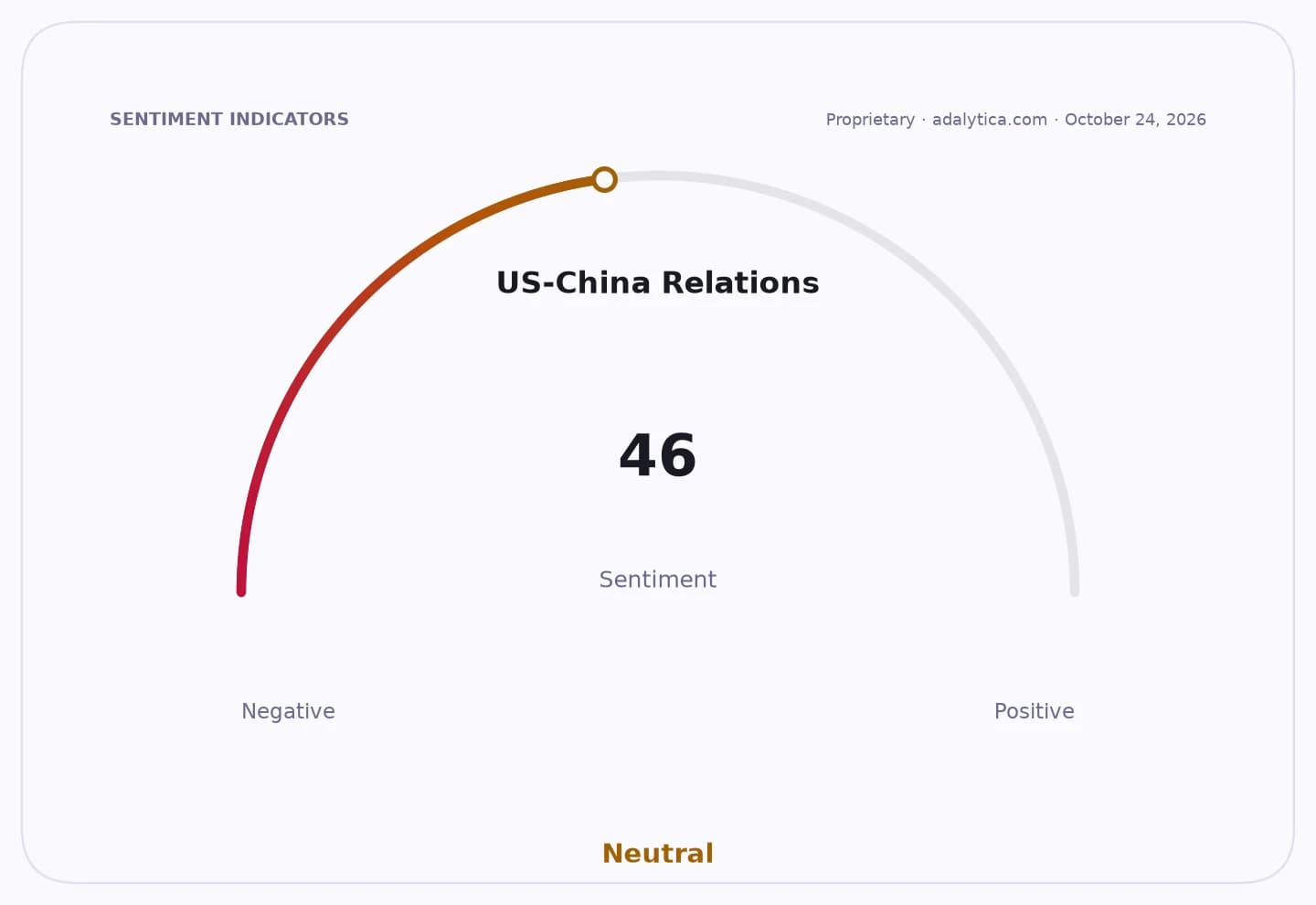
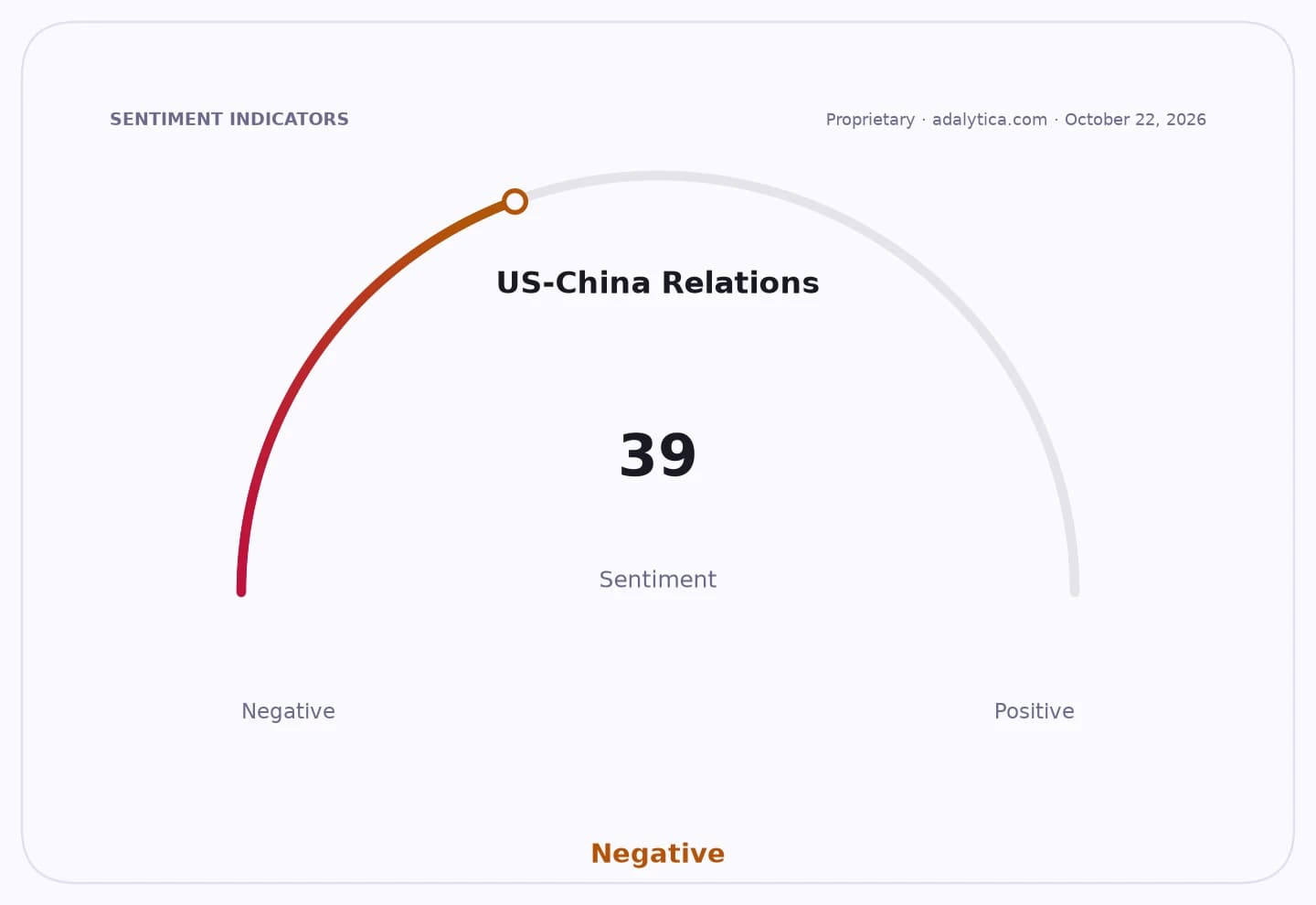
The U.S. Treasury has added five Chinese companies to its sanctions list, widening Washington’s use of financial restrictions in a move that could complicate cross-border investment, technology transfers and financing for Chinese startups.
Treasury adds five Chinese firms to sanctions list
The designation, announced by the Office of Foreign Assets Control on Oct. 19, includes Qiji Chuangtan Beijing Investment Management, also known as MiraclePlus, three related entities and Shanghai Zhisuan Technology. Treasury did not disclose the specific grounds for the action, but said the move was made under a 2022 law aimed at protecting U.S. intellectual property.
The inclusion of MiraclePlus is notable because the firm is known for venture investments in technology startups, making the case relevant beyond a single company and into China’s broader innovation ecosystem. OFAC also issued general licenses allowing an orderly wind-down of transactions with the blocked entities, signaling the sanctions will be enforced in stages rather than through an immediate cutoff.
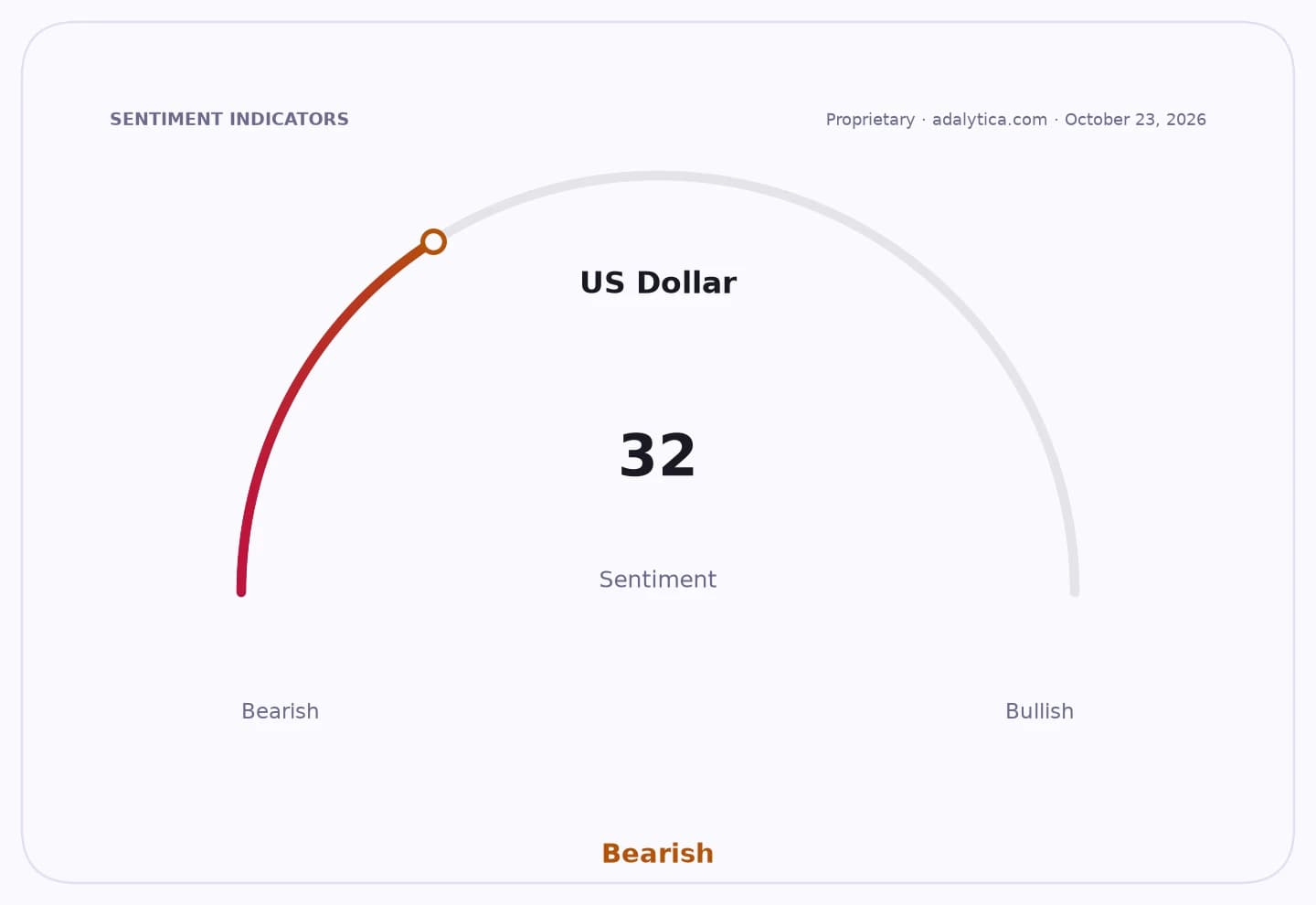
For investors, the biggest implication is not just the direct hit to the named firms but the wider chill on sentiment toward Chinese tech exposure. U.S.-listed China ETFs such as FXI fell to $32.31 on Oct. 23, its weakest close in the data provided and below both the 50-day and 200-day moving averages, while MCHI dropped to $49.00, also under its key trend lines. The leveraged China ETF YINN, which amplifies moves in the underlying market, slid to $21.07.
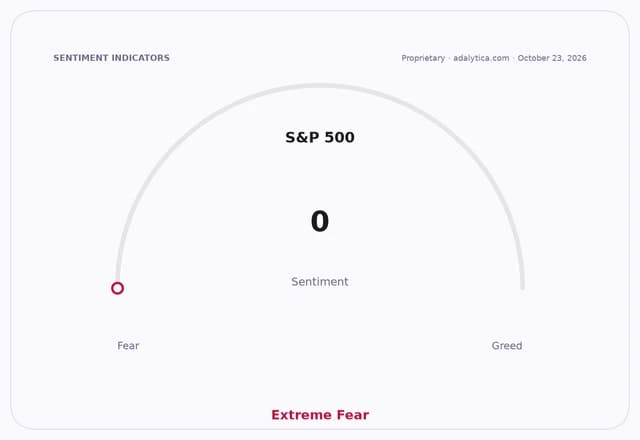
The broader market backdrop suggests sanctions risk is landing alongside already fragile risk appetite. Treasury-related trade signals in the data were neutral, while the S&P 500 sentiment gauge showed “Extreme Fear,” underscoring how geopolitics and policy actions remain an active overhang for global equities.
The action also fits into a wider pattern of U.S.-China economic friction, where Washington has increasingly used sanctions and export controls to target sectors seen as strategically sensitive. That raises the odds that Chinese technology names, venture capital groups and their foreign counterparties face more compliance costs, funding frictions and valuation pressure if the restrictions broaden.
Investors will be watching for any Chinese response and for whether the Treasury action is followed by more designations tied to intellectual property or technology transfer.
| Entity | Gains | Losses |
|---|---|---|
| U.S. Treasury / OFAC | ▲Enforcement leverage | ▼None directly |
| MiraclePlus and related firms | ▲Wind-down period via licenses | ▼Sanctions, blocked access |
| Chinese tech startups | ▲Short-term clarity on exposure | ▼Funding and partnership risk |
| FXI / MCHI / YINN holders | ▲Potential policy clarity | ▼China equity weakness |