A 17-year-old AI researcher whose work helped power Moonshot AI’s Kimi models has left the Beijing startup after less than a year, underscoring how fiercely China and the U.S. are competing for the next generation of artificial intelligence talent.
Moonshot AI researcher leaves ahead of Hong Kong IPO
Artificial Intelligence
For investors, this is bigger than a teen prodigy changing jobs. AI progress is increasingly being shaped by a handful of unusually gifted researchers, and the ability to attract and keep them can determine which companies build the most competitive models, win the best partnerships and command the richest valuations. When a standout engineer exits a fast-growing startup just as it prepares for a Hong Kong listing, that becomes a question of execution, retention and long-term moat.
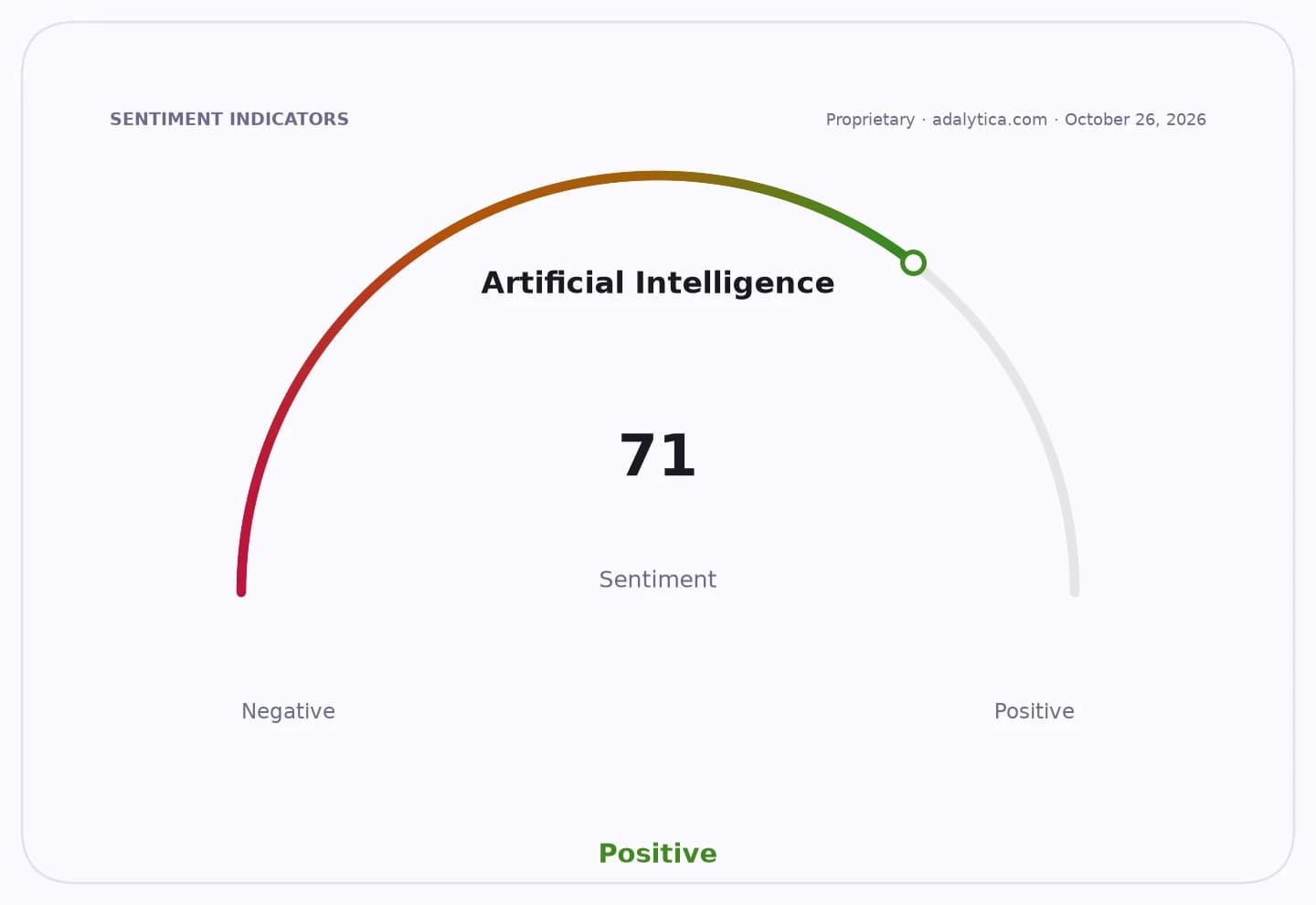
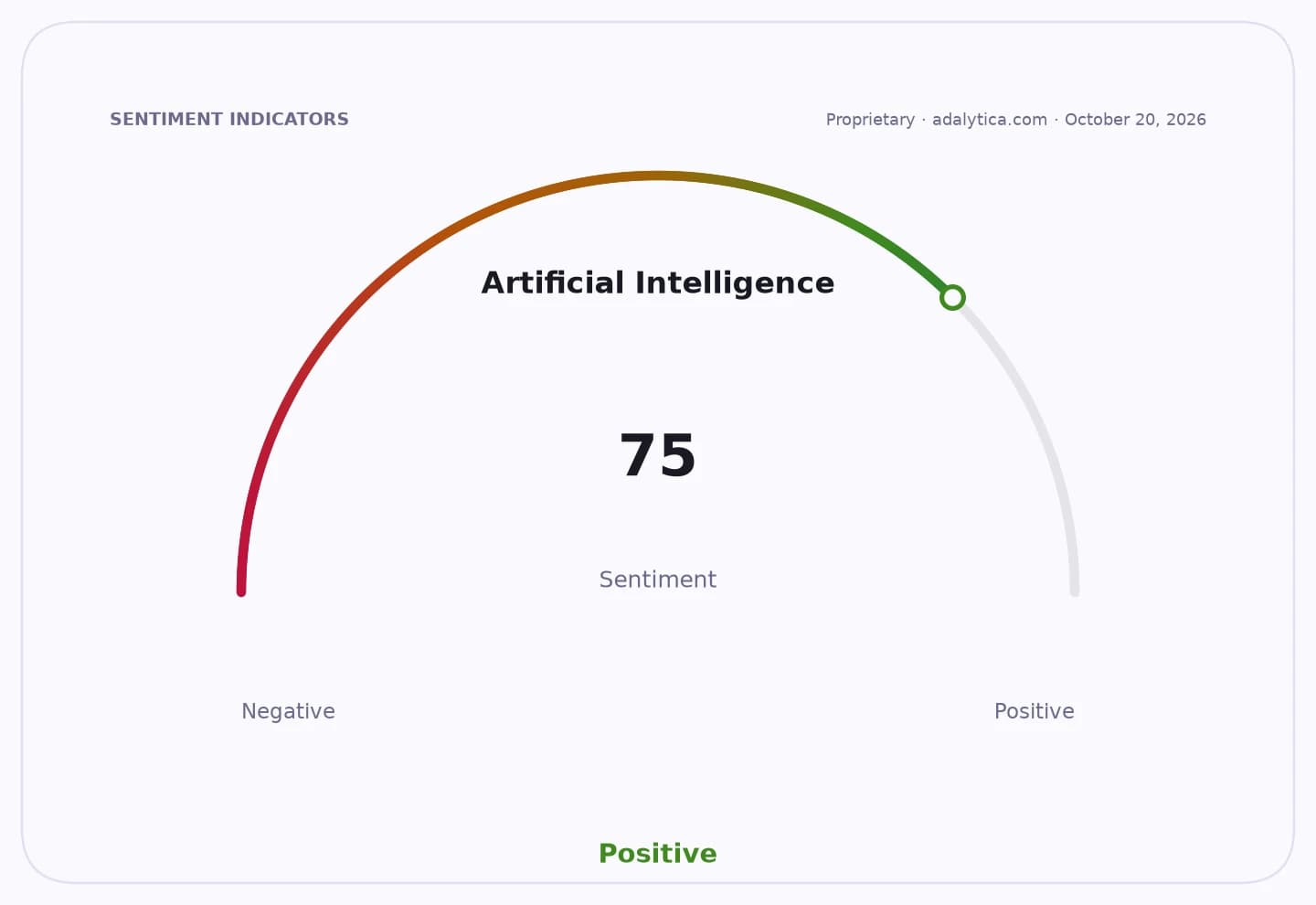
Sentiment Indicators
Chen, identified in reports as the researcher behind key advances in Moonshot’s Kimi K3 model, said on social media that he was leaving Moonshot after “the best year of my life so far.” His departure immediately triggered speculation about a move to the U.S. tech scene, with comments from Anthropic and Prime Intellect prompting further chatter about a possible Bay Area landing. Chen later denied joining Anthropic, but the broader message was clear: top AI talent remains highly mobile, and U.S. firms are watching closely.
That matters because Moonshot has been one of China’s standout AI startups, with Kimi emerging as one of the world’s leading open-weight systems. Chen was credited with helping develop “attention residuals,” a network design technique aimed at improving memory efficiency and lowering costs in large language models. In a market where model training and inference costs can make or break economics, even small technical breakthroughs can translate into real competitive advantage.
The timing also matters. Moonshot is preparing for an initial public offering in Hong Kong after a run of product launches, including the K3 model in July. Losing a young researcher who contributed to the company’s technical edge does not automatically change the listing story, but it does raise the kind of governance and retention questions investors in AI startups should care about: Can the company hold onto its key people? Can it keep iterating faster than rivals? And can it turn model quality into durable cash flow?
The episode also highlights the intensifying rivalry between Silicon Valley and China’s AI hubs. Chen had previously interned at a startup in Silicon Valley and was named a Rhodes Trust Rise Fellow, which suggests that the pipeline for elite AI researchers is already international at a very young age. That is exactly why governments and companies are now talking so much about AI talent factories, education pipelines and workforce readiness: the bottleneck is no longer only chips or capital, but people.
For long-term investors, the takeaway is straightforward. The AI boom is not just about the largest platforms and the most powerful accelerators. It is also about who can recruit, retain and compound technical talent over years. Moonshot’s loss may be one employee, but in a winner-take-most industry, one exceptional researcher can matter far more than his age suggests. Keep an eye on how Moonshot replaces him, where Chen goes next and whether the next generation of AI builders continues to flow toward U.S. labs, Chinese startups or both.
| Entity | Gains | Losses |
|---|---|---|
| U.S. AI labs | ▲Potential talent inflow | ▼China-based rivals |
| Moonshot AI | ▲Attention to its technical depth | ▼Key researcher retention |
| Nathan Chen | ▲More career options | ▼Continuity at Moonshot |
| AI investors | ▲Better clarity on talent risk | ▼Complacent startup valuations |