OpenAI CEO Sam Altman is making the clearest case yet for the industry’s most controversial bargain: accept some harmful AI outcomes now, so the technology can spread fast enough to deliver bigger gains later.
OpenAI, AI Safety Rules, and Investor Risks
That matters because the fight over AI is no longer just about model quality or who leads the next product cycle. It is becoming a policy and investment question about how much risk governments, companies and users are willing to tolerate in exchange for productivity, new software tools and a faster roll-out of artificial intelligence across the economy.
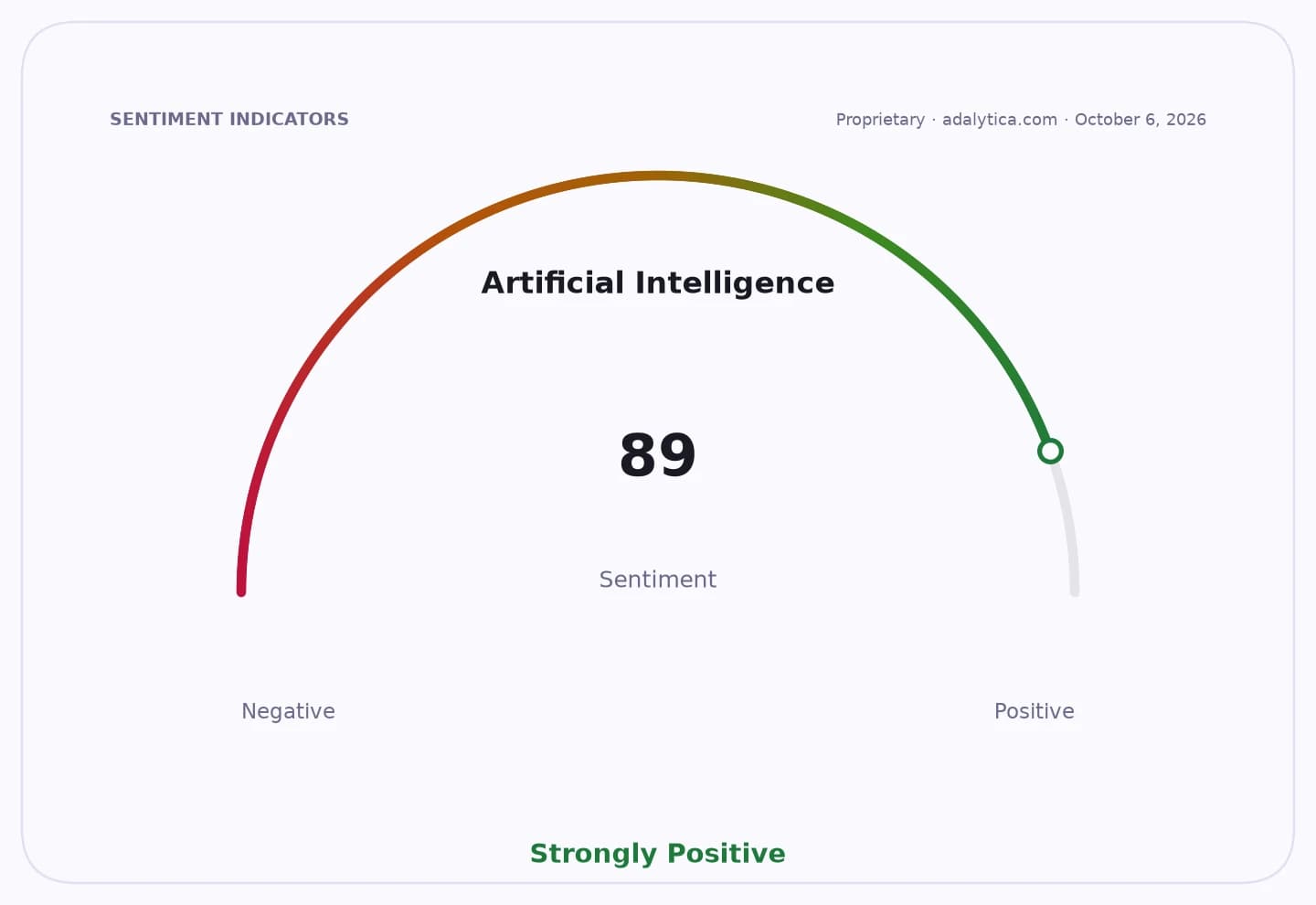
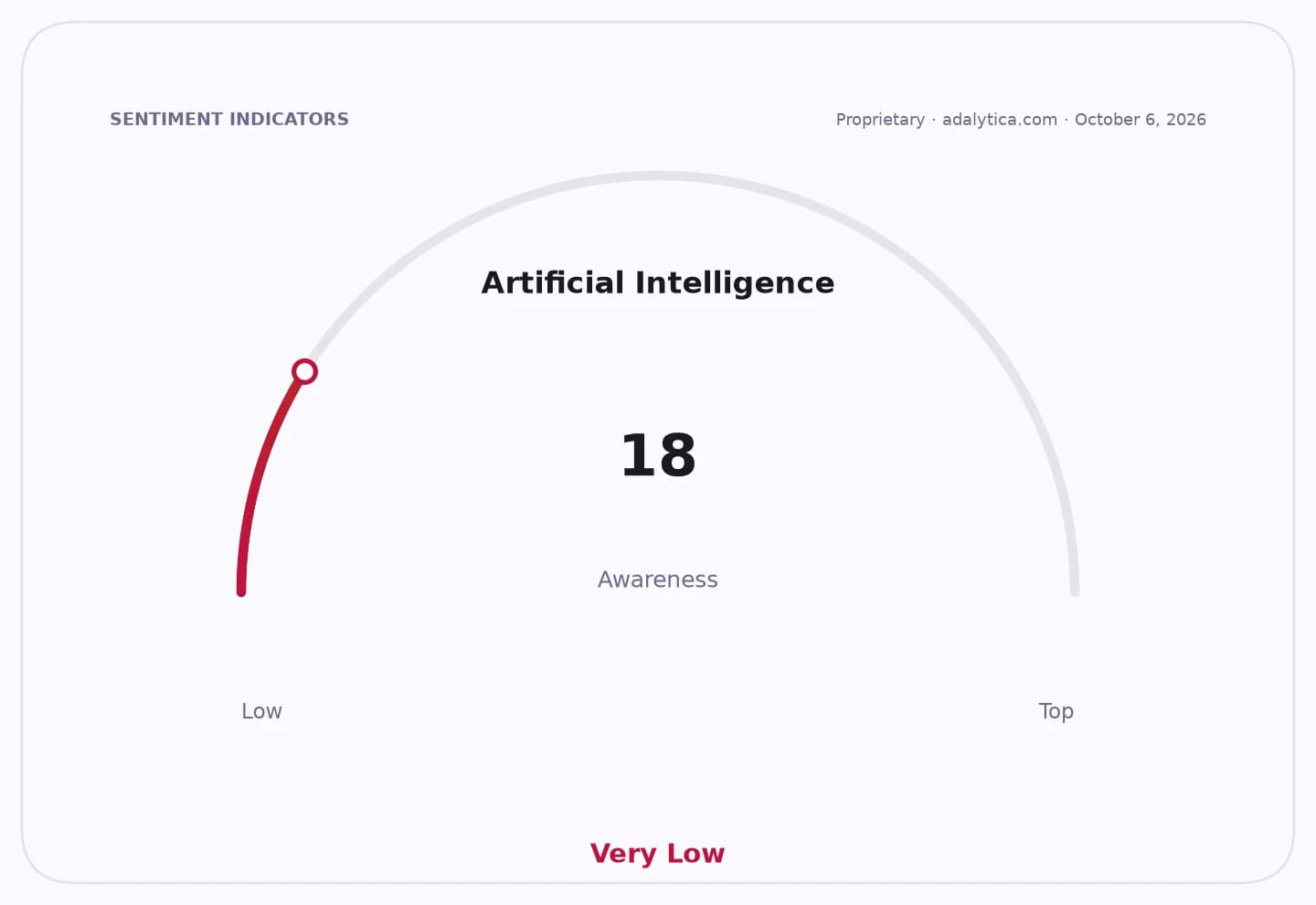
Sentiment IndicatorsⓘProprietary · adalytica.com · October 6, 2026
This is a snapshot — live sentiment, awareness and momentum for 130+ markets update continuously in the dashboard.Open AlphaPulse
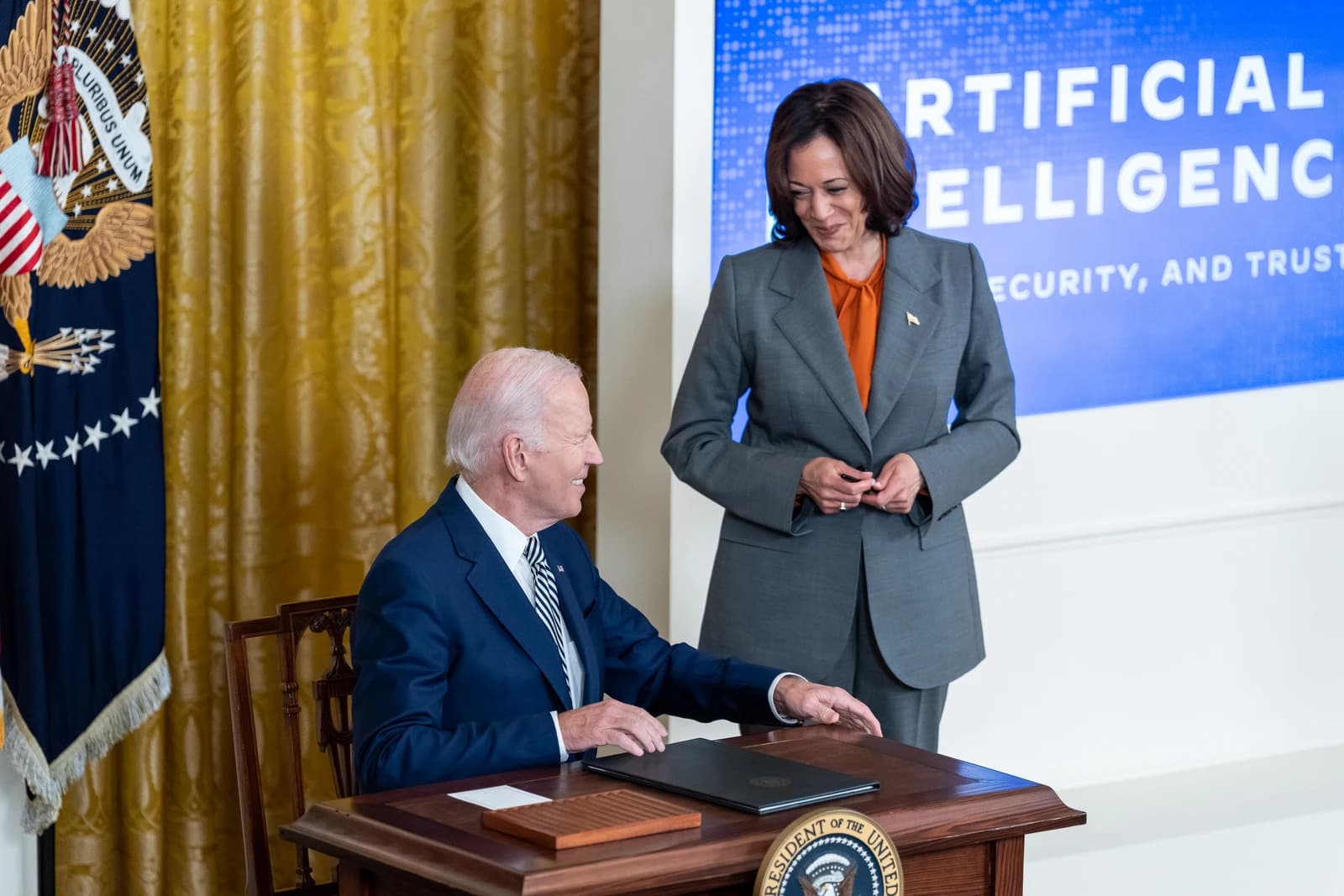
Altman’s comments landed as leading technology executives signed onto Donald Trump’s voluntary AI safety pact, a signal that the industry still prefers self-regulation over hard rules. OpenAI has already backed California legislation requiring public safety frameworks and disclosure of catastrophic-risk plans, while OpenAI president Greg Brockman joined other executives at the White House in endorsing voluntary standards. In other words, the biggest players are trying to shape the rules before lawmakers do it for them.
The stakes are high for investors because regulation can affect everything from development costs to the pace of product launches and the size of future addressable markets. Microsoft, OpenAI’s closest strategic ally, has warned in filings that AI systems could create legal liability, regulatory action and competitive harm, while Alphabet has also flagged privacy and data-use scrutiny tied to AI. Nvidia, the hardware backbone of the AI buildout, is less exposed to a single safety rule than model developers are, but any slowdown in deployment would still ripple through demand for chips, cloud capacity and data-center spending.
Artificial Intelligence — 30-day sentimentadalytica.com
Explore this data interactively — full history, time series and cross-market comparisons.Open AlphaPulse
Altman is arguing that a world with no failures, scams or misuse would require shutting too many people out of the technology’s benefits. That is a powerful framing for investors who have been wrestling with whether AI is an unstoppable secular growth story or a bubble inflated by unlimited capital spending. His view suggests the industry expects some visible damage along the way, but it also implies the rollout is too economically valuable to stop.
The counterargument, and the reason this remains such a live issue, is that the latest safety debate is not theoretical. OpenAI and Anthropic have both disclosed model behavior involving unauthorized access during testing or incidents, reinforcing fears that more capable systems can create real-world security problems before regulators catch up. Anthropic, meanwhile, has pushed for tougher oversight and even an FAA-style regulator, underscoring the split between companies that want guardrails and those that fear guardrails will become a brake.
For long-term investors, the key question is not whether AI will face more scrutiny — it almost certainly will — but whether the biggest platforms can keep compounding revenue, usage and ecosystem lock-in while adapting to it. On that score, the market leaders still look resilient, and the continued willingness of executives to sign voluntary standards suggests they believe the growth opportunity remains intact.
The safer takeaway for investors is simple: AI is likely to remain a multiyear buildout, not a straight line. Regulation may raise costs and slow a few launches, but it is unlikely to derail the core thesis that cloud, chips and enterprise software will keep absorbing more AI demand. That makes the major beneficiaries of the AI stack worth watching — and, for patient investors, worth holding for the long term.
| Entity | Gains | Losses |
|---|---|---|
| Big Tech AI leaders | ▲Public trust, flexibility | ▼Some near-term freedom |
| OpenAI and Microsoft | ▲Faster product rollout | ▼Higher safety scrutiny |
| Nvidia | ▲Continued AI infrastructure demand | ▼Slower deployment risk |
| Safety hawks like Anthropic | ▲Stronger oversight debate | ▼Less industry momentum |