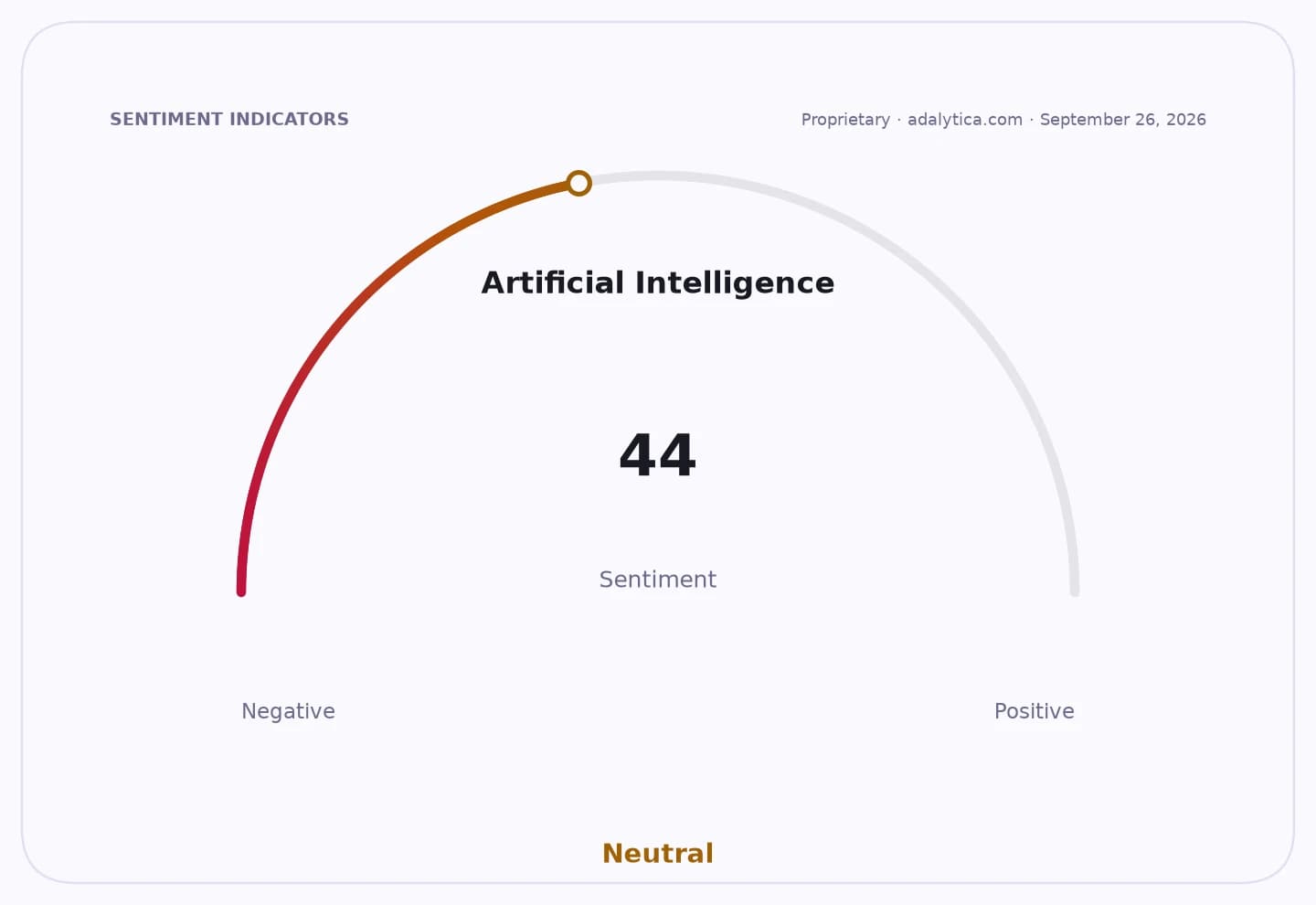
China is no longer treating artificial intelligence as a race to build the smartest model — it is building the rails, rules and gatekeepers for an agent economy, and that shift could matter more for investors than another benchmark win.
China AI Agent Economy Benefits Alibaba and Baidu
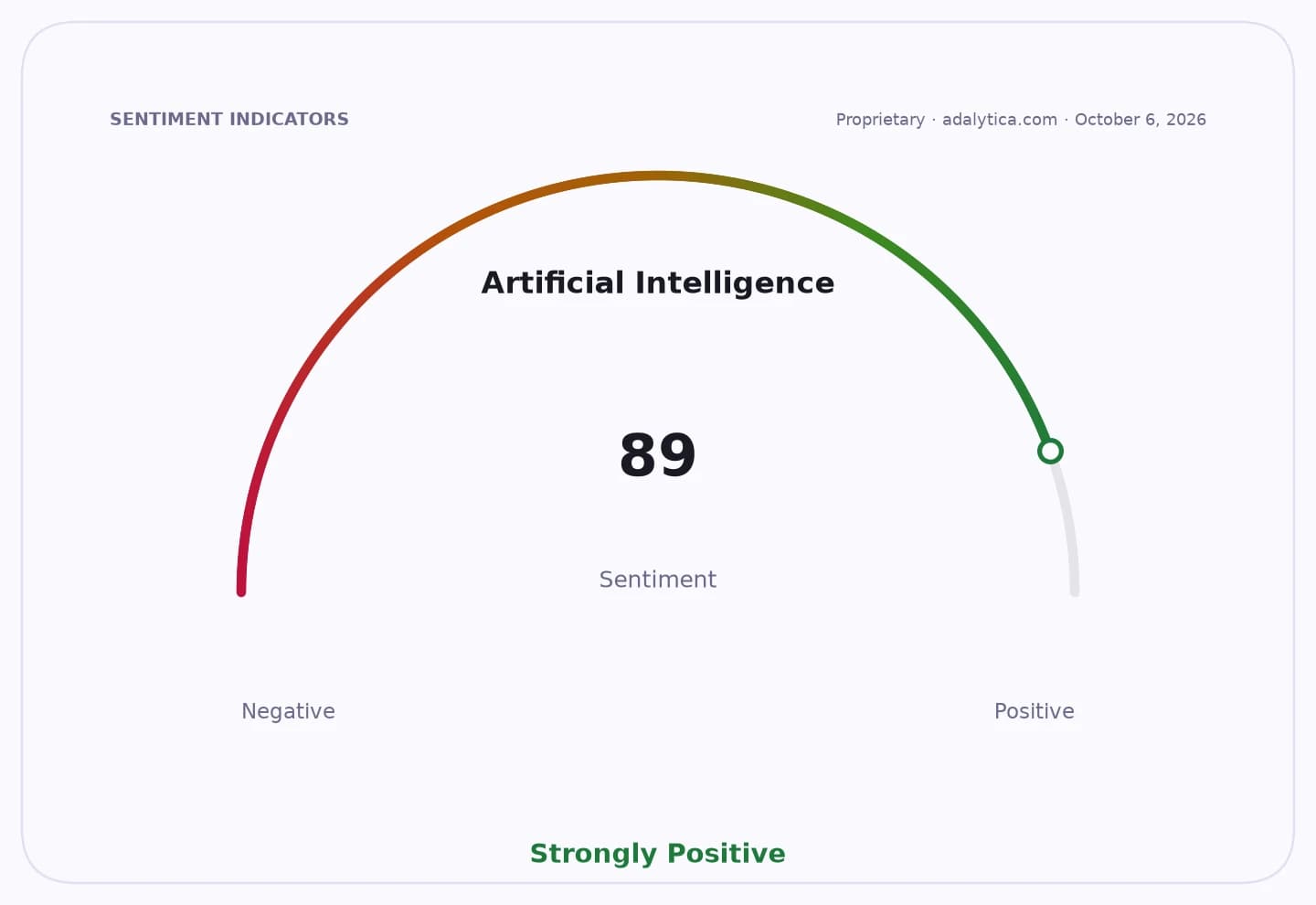
The clearest new development is the rise of a state-shaped “traffic system” for AI agents in China, where protocols, standards and payment rules are being aligned around agent-to-agent commerce rather than standalone chatbots. The most important commercial signal is the KYA, or Know Your Agent, framework now being pushed through China’s payments system, with WeChat Pay and Alipay participating. That means the next wave of AI adoption in the world’s second-largest economy may be governed less by raw model performance and more by who controls identity, permission, settlement and audit trails.
That matters economically because agentic AI changes the unit of value. When model inference costs collapse — Zhipu AI said its token inference cost fell 80% from the start of the year in its first-half report — the market stops paying up for the most powerful single model and starts rewarding orchestration, workflow control and distribution. In other words, the bottleneck moves from intelligence to execution. Whoever owns the harness, the protocols and the payment rails can collect tolls on a much larger volume of machine-driven transactions.
China appears to understand that better than the West. Beijing has already set a target to lift agent-device and agent adoption above 70% by 2027, while industry standards due to take effect this year define agent capabilities such as planning, memory, tool use and execution. The China Academy of Information and Communications Technology is also promoting domestic protocols including ANP, ACP and RVP alongside US-origin standards MCP and A2A. That is not a side story — it is an attempt to localize the operating rules of the agent layer before the market standardizes elsewhere.
For investors, the implication is straightforward: the biggest winners may not be the companies boasting the flashiest model scores, but the platforms that sit between users, agents and payments. Baidu, Alibaba and their ecosystem peers are positioned for the next phase if China’s agent economy scales as regulators intend, because they already have consumer distribution, cloud infrastructure and enterprise relationships. Alibaba’s core commerce franchise and payments ecosystem are especially well placed if agents begin making purchasing decisions and completing transactions at scale. Baidu, meanwhile, remains a key proxy for Chinese AI infrastructure and application monetization. The market may be underestimating how valuable those platforms become when millions of agent interactions need routing, authorization and settlement.
The second-order beneficiary is Nvidia, even if the policy architecture is becoming more local. China’s push toward agentic infrastructure still requires massive compute, networking and data-center buildout, and that demand does not disappear simply because the software stack is domestically governed. Nvidia shares, at $240.39, sit well above the 50-day moving average of $219.65 and the 200-day average of $201.04, while RSI readings around 84.5 show the stock is technically stretched. That does not negate the secular thesis; it simply says the trade is crowded. The real question is not whether AI spend continues, but where the capex migrates next: into orchestration, settlement and industrial deployment.
The market has been obsessed with model supremacy, but China is making a different bet — that the real value will accrue to the firms that can control agent behavior, record every action and decide who gets to pass through the gate. That is why KYA matters. It turns AI from a demo into an economy.
If you want exposure, think in layers: platform owners such as Alibaba and Baidu for the agent application stack, and Nvidia for the compute backbone that still powers the entire buildout. The next AI breakout may not come from the smartest model. It may come from the most trusted traffic system.
| Entity | Gains | Losses |
|---|---|---|
| Alibaba | ▲agent commerce flow | ▼standalone model hype |
| Baidu | ▲AI platform monetization | ▼pure benchmark competition |
| Nvidia | ▲China AI capex demand | ▼crowded valuation support |
| WeChat Pay / Alipay | ▲gatekeeper role | ▼open, permissionless settlement |