Alibaba is escalating its artificial intelligence spending battle with a plan to train a model as large as 10 trillion parameters and a new in-house chip, moves that underline how China’s biggest cloud group is trying to reduce reliance on US technology while chasing the next generation of AI workloads.
Alibaba plans 10-trillion-parameter AI model, chip
Chief executive Eddie Wu said the company intends to build a model in the 5 trillion- to 10 trillion-parameter range, a scale that would put Alibaba among the most ambitious frontier-model developers globally. The company also unveiled the Zhenwu V900 AI chip, which it said is three times more powerful than its predecessor and the strongest chip now made in China.
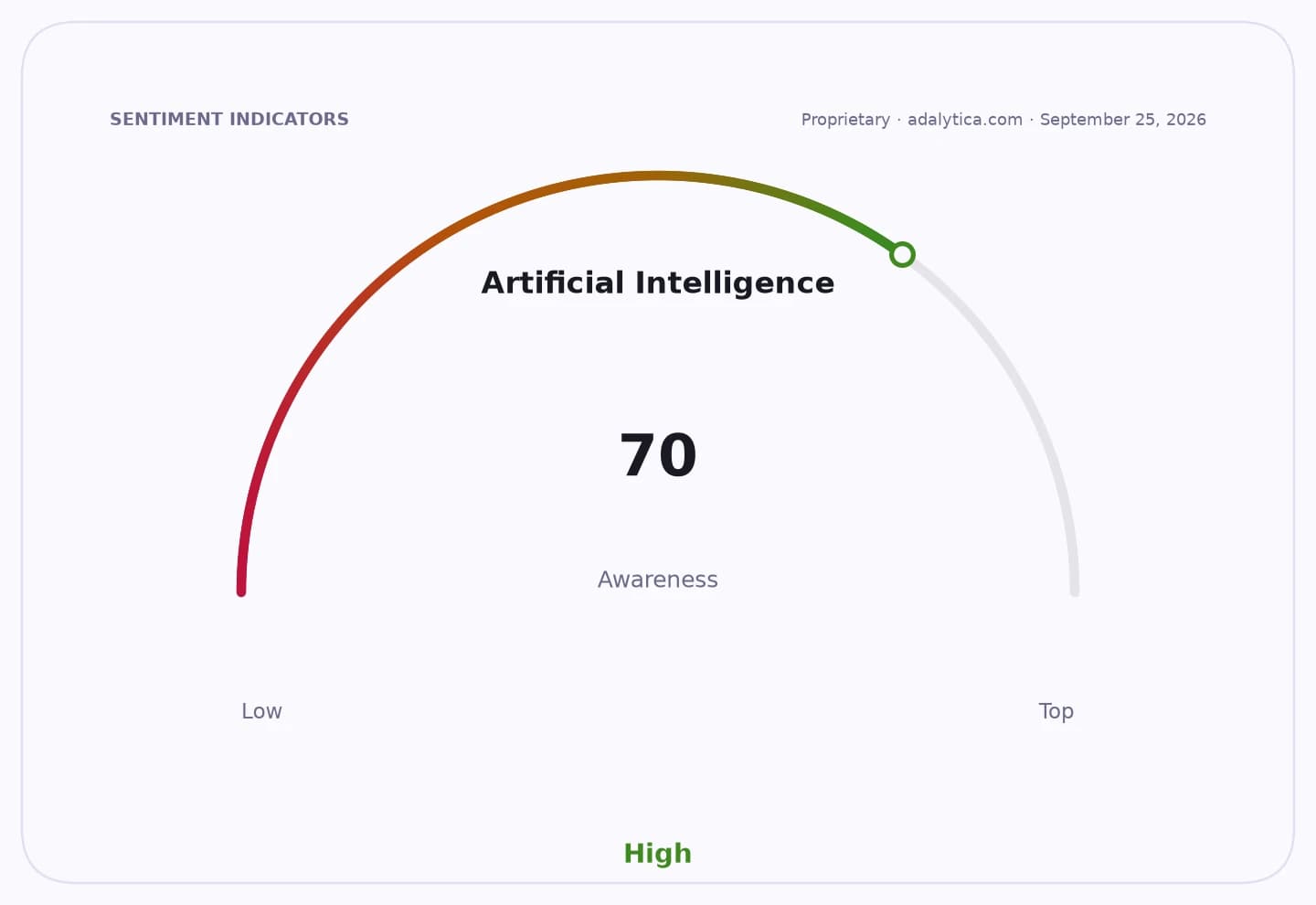
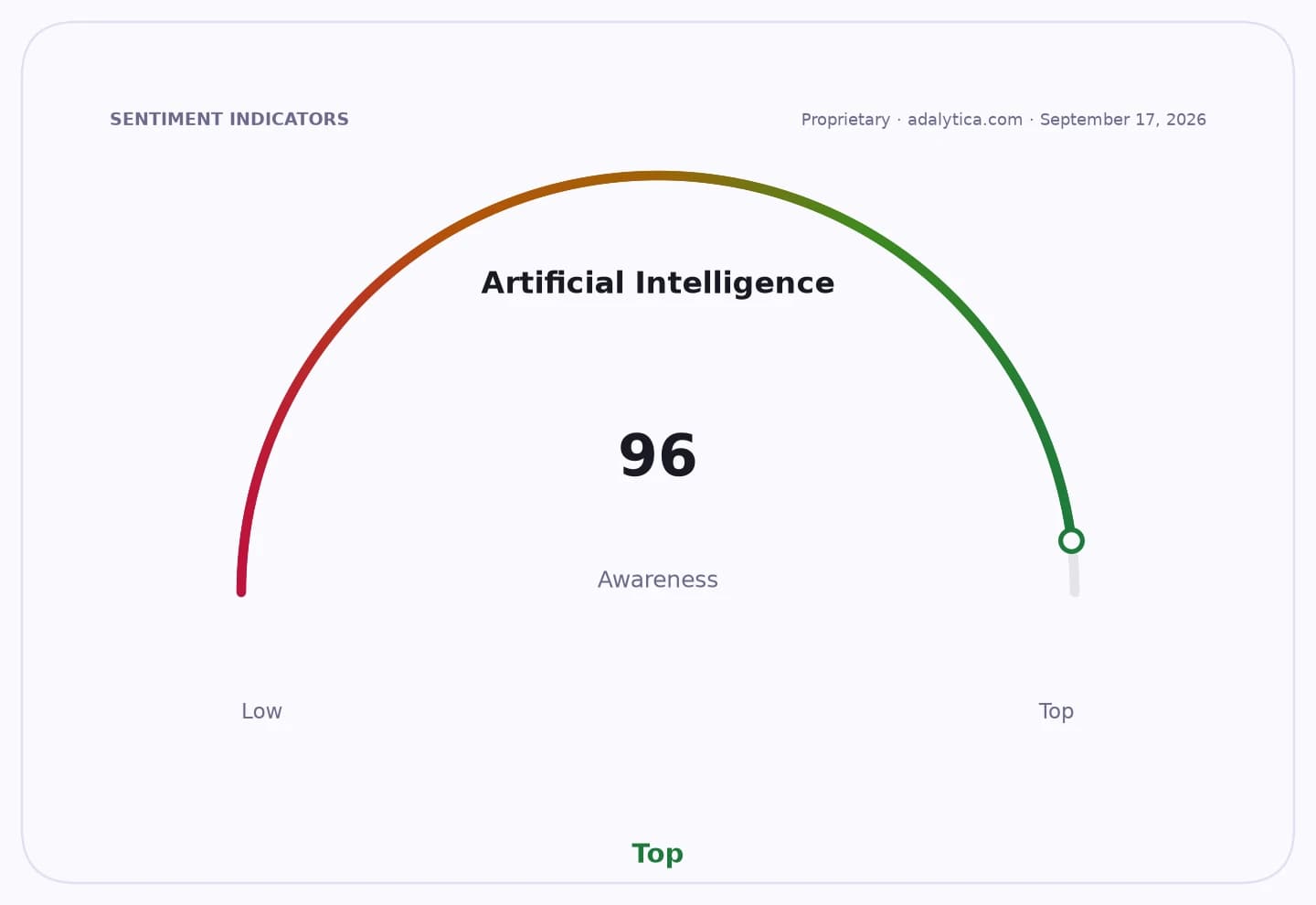
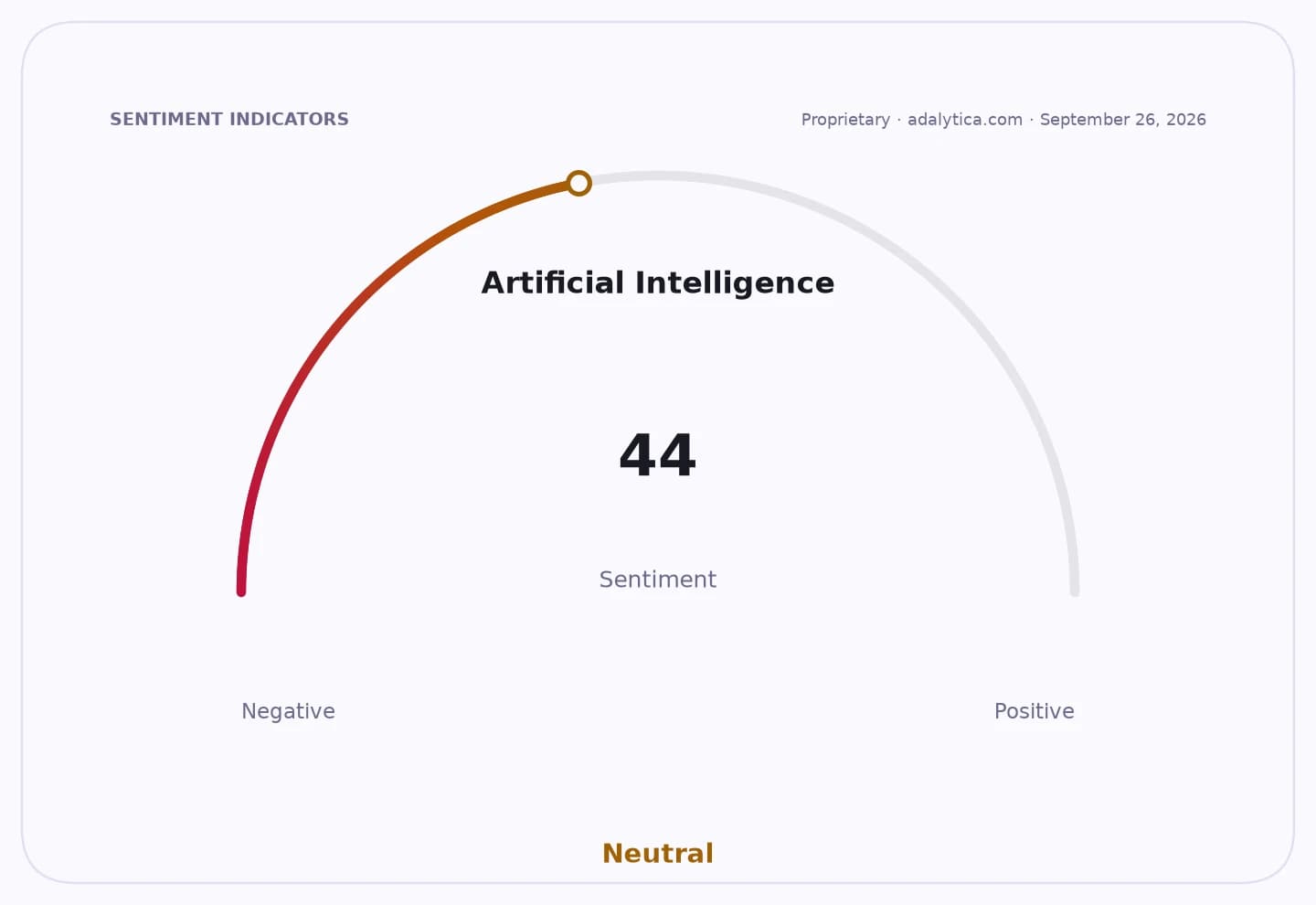
Sentiment IndicatorsⓘProprietary · adalytica.com · September 26, 2026
This is a snapshot — live sentiment, awareness and momentum for 130+ markets update continuously in the dashboard.Open AlphaPulse
For investors, the significance is less about a single product launch than the direction of Alibaba’s capital intensity. A larger model requires far more compute, data-centre capacity and power, and Alibaba said it wants its cloud footprint to exceed 20 gigawatts by 2032. That implies a long investment cycle with potentially lumpy returns, but also a bigger addressable market if enterprise demand for generative AI in China keeps expanding.
The strategy also carries a geopolitical edge. Washington’s export controls have limited China’s access to the most advanced AI processors, forcing domestic groups to develop their own silicon stack and cloud infrastructure. Alibaba’s push suggests the company is not waiting for supply constraints to ease. Instead, it is trying to build an end-to-end AI platform that can support training, inference and cloud services with more control over cost and availability.
That matters for the broader Chinese technology sector because Alibaba remains one of the few groups with the balance sheet, cloud reach and technical talent to compete at scale. If its chip and model efforts work, they could help set a benchmark for domestic AI infrastructure and support usage across e-commerce, enterprise software and consumer services. If they fall short, they risk becoming another expensive proof-of-concept in a market where monetization is still uncertain.
Alibaba shares have reflected that tension. The stock has been volatile over the past year, with price action showing investors alternating between optimism over the company’s AI reset and concern about the scale of spending required to catch up with global peers. For chipmakers such as Nvidia, which remains central to the global AI supply chain, Alibaba’s chip ambitions point to a longer-term competitive threat in China even if domestic alternatives remain behind on absolute performance.
The near-term question is execution: whether Alibaba can translate model scale and chip design into usage, cloud revenue and better margins without overextending its capital plan. The longer-term question is whether China’s AI market rewards local control of hardware enough to offset the technical lead still held by US rivals.
| Entity | Gains | Losses |
|---|---|---|
| Alibaba | ▲AI control and cloud demand | ▼Higher capex burden |
| Chinese tech ecosystem | ▲Domestic AI infrastructure | ▼Reliance on US chips |
| Nvidia | ▲More AI demand globally | ▼Possible China substitution |
| Enterprise cloud buyers | ▲More local AI supply | ▼Fewer frontier options |