Huawei Technologies has raised the stakes in China’s race to build AI infrastructure without Nvidia, unveiling a new computing cluster it says can link as many as 4,000 processors and push high-speed optical connections deeper into the system.
Huawei unveils 4,000-processor Ascend 960 SuperPoD
The Ascend 960 SuperPoD and upgraded UnifiedBus interconnect technology were introduced at Huawei’s Connect 2026 event in Shanghai, underscoring how the company is trying to work around US semiconductor restrictions by using more domestic architecture, denser networking and faster optical links. For China, the economic point is larger than one product launch: if Huawei can scale its stack, it could reduce the country’s dependence on imported high-end AI chips and keep more of the value chain at home, a central goal as Washington tightens export controls.
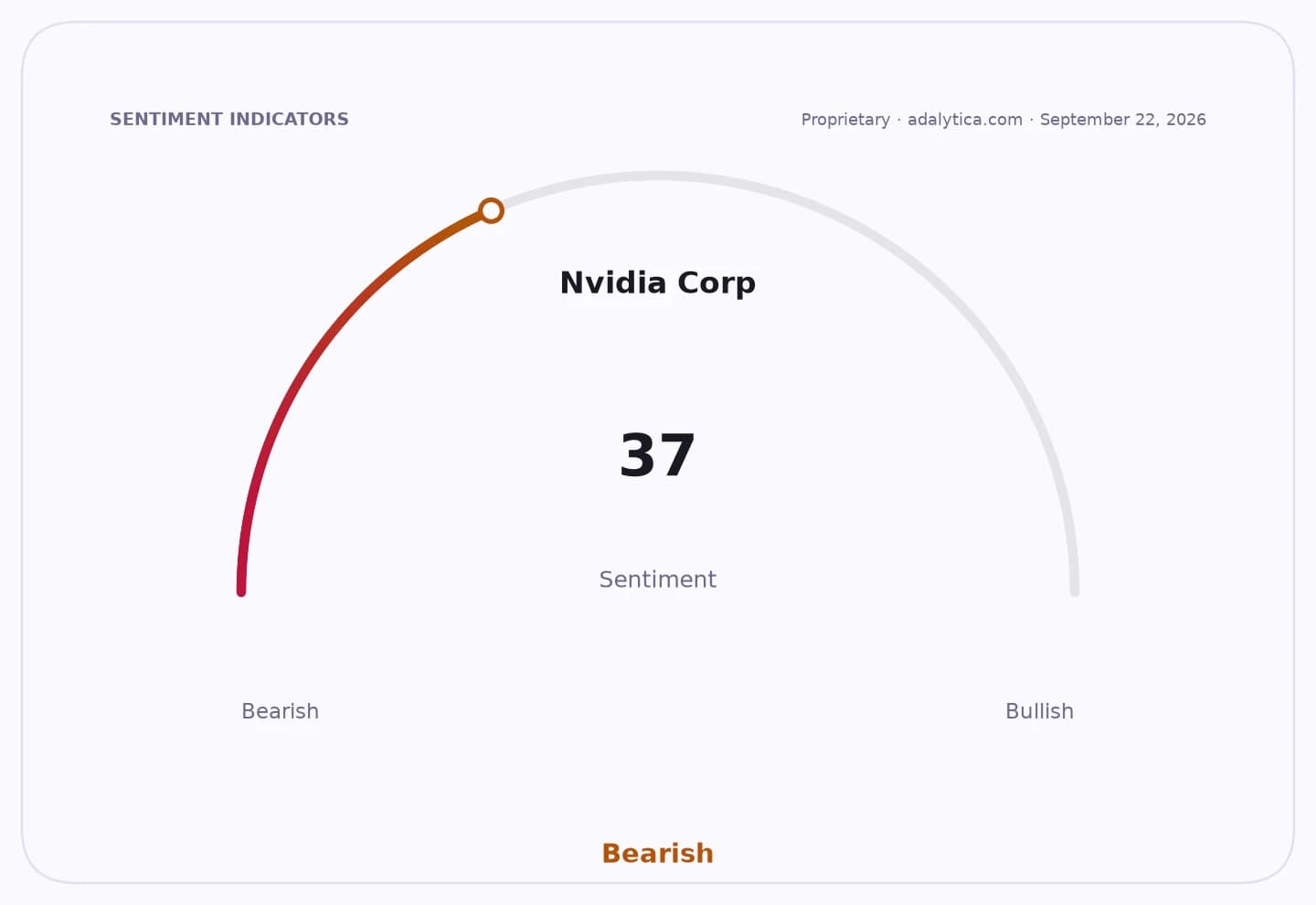
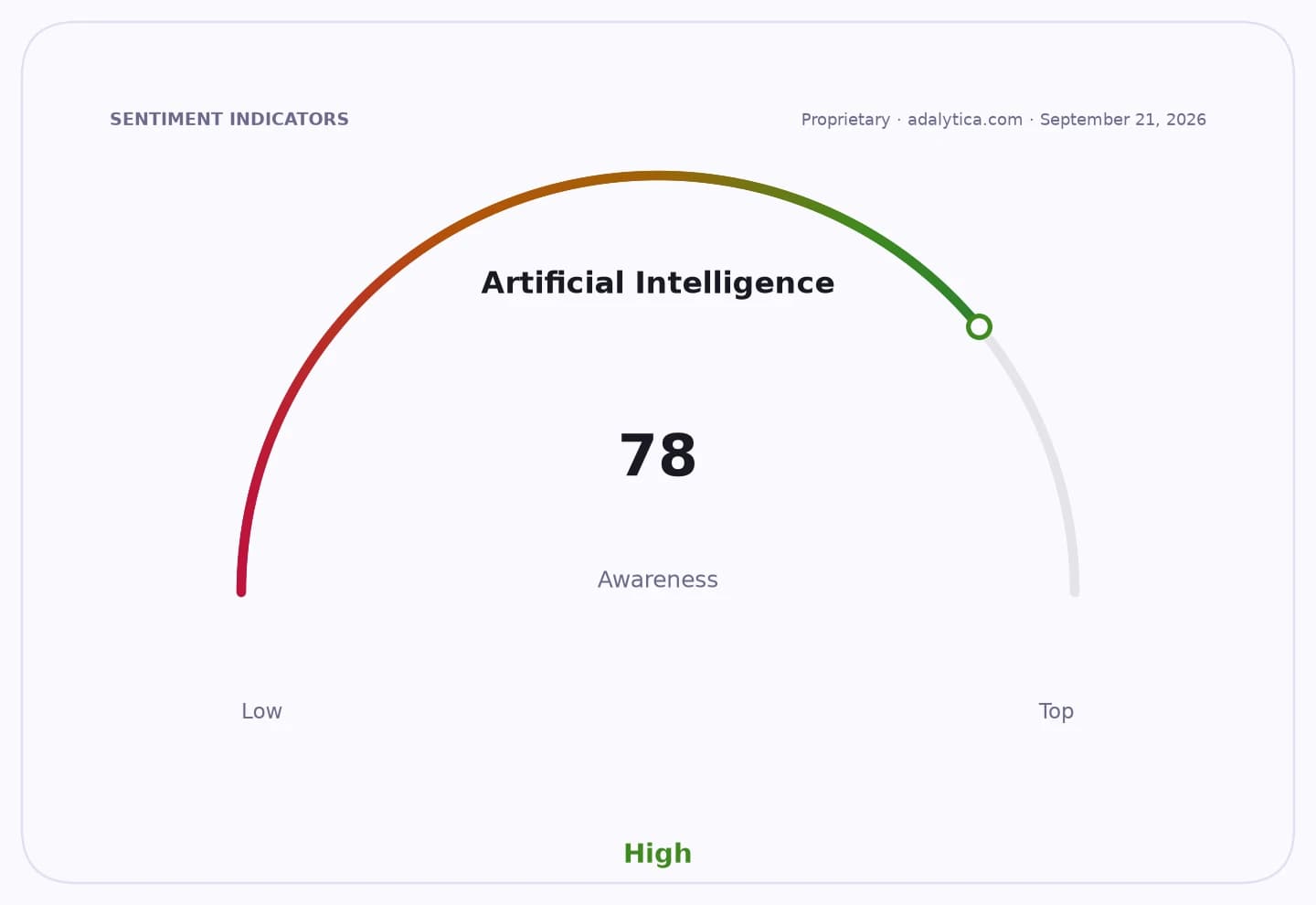
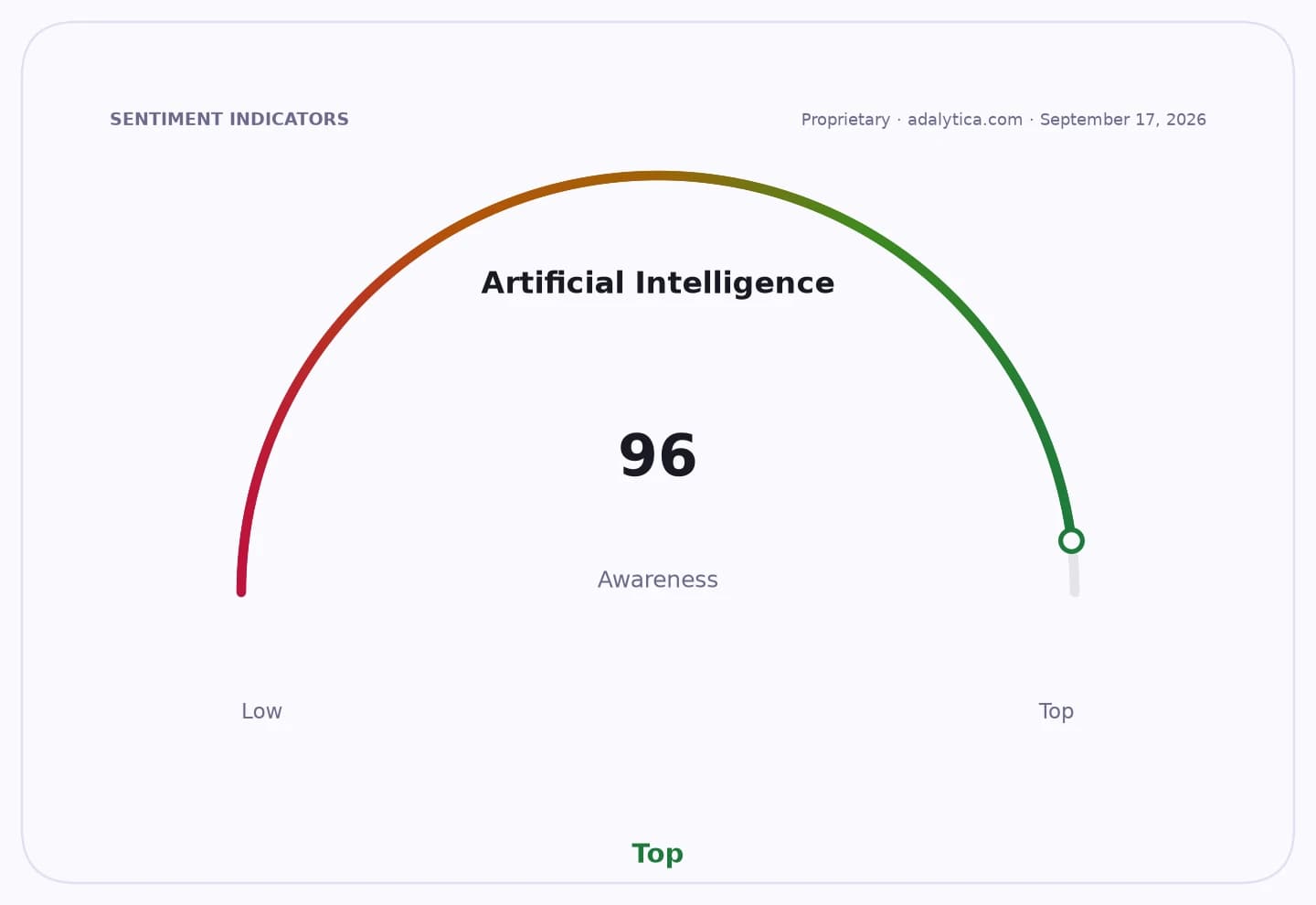
Sentiment IndicatorsⓘProprietary · adalytica.com · September 17, 2026
This is a snapshot — live sentiment, awareness and momentum for 130+ markets update continuously in the dashboard.Open AlphaPulse
Huawei said the combination of UnifiedBus and its Hi-ONE optical system would allow a SuperPoD to connect up to 4,000 processors, while near-packaged optics are being added to the architecture for the first time. That matters because AI model training is increasingly constrained not just by chip performance, but by how efficiently processors communicate across a cluster. In practice, better interconnects can narrow some of the gap with Nvidia’s ecosystem, where software, networking and scale remain a formidable moat.
The announcement also highlights how China’s chip strategy is shifting from chasing individual semiconductor breakthroughs to building full systems around available components. That approach may not close the performance gap overnight, but it can blunt the impact of US curbs by reducing reliance on foreign hardware and improving the economics of domestic AI deployment. Huawei said its earlier Ascend 950 SuperPoD was rolled out commercially last year, suggesting the company is moving from research toward broader productization.
For investors, the near-term read-through is mixed. Nvidia faces a continuing risk that China’s biggest buyers and system integrators will be pushed further toward local alternatives, even if those alternatives are still behind on raw performance and developer support. But the market reaction may remain limited until Huawei proves the new cluster can deliver reliable, large-scale deployment and software compatibility at commercial volumes. TSMC and other chip suppliers tied to the AI buildout may also be affected indirectly if China’s domestic stack gains traction, though their own advanced-node demand remains driven mainly by global hyperscale spending.
The broader narrative is one of decoupling by architecture rather than by headline chip specs. Beijing has made semiconductor self-sufficiency a strategic priority, and Huawei’s latest system shows the effort is moving deeper into the AI infrastructure layer where power, networking and system design can matter as much as a single chip. The key question for investors is not whether China can match Nvidia overnight, but how much of the domestic AI market can be satisfied by local systems before export controls and supply-chain pressure reshape competitive economics more permanently.
| Entity | Gains | Losses |
|---|---|---|
| Huawei | ▲Stronger domestic AI stack | ▼More scrutiny from US regulators |
| China AI developers | ▲Fewer import constraints | ▼Less access to Nvidia ecosystem |
| Nvidia | ▲Global attention to AI demand | ▼China market share risk |
| TSMC | ▲Ongoing AI chip demand | ▼Potentially weaker China pull-through |