AI automation is colliding with a more complicated reality: the biggest payoff is not in “plugging in ChatGPT,” but in redesigning whole business workflows, and that is reshaping where capital and investor attention are going in the sector.
AI automation shifts from chatbots to workflows

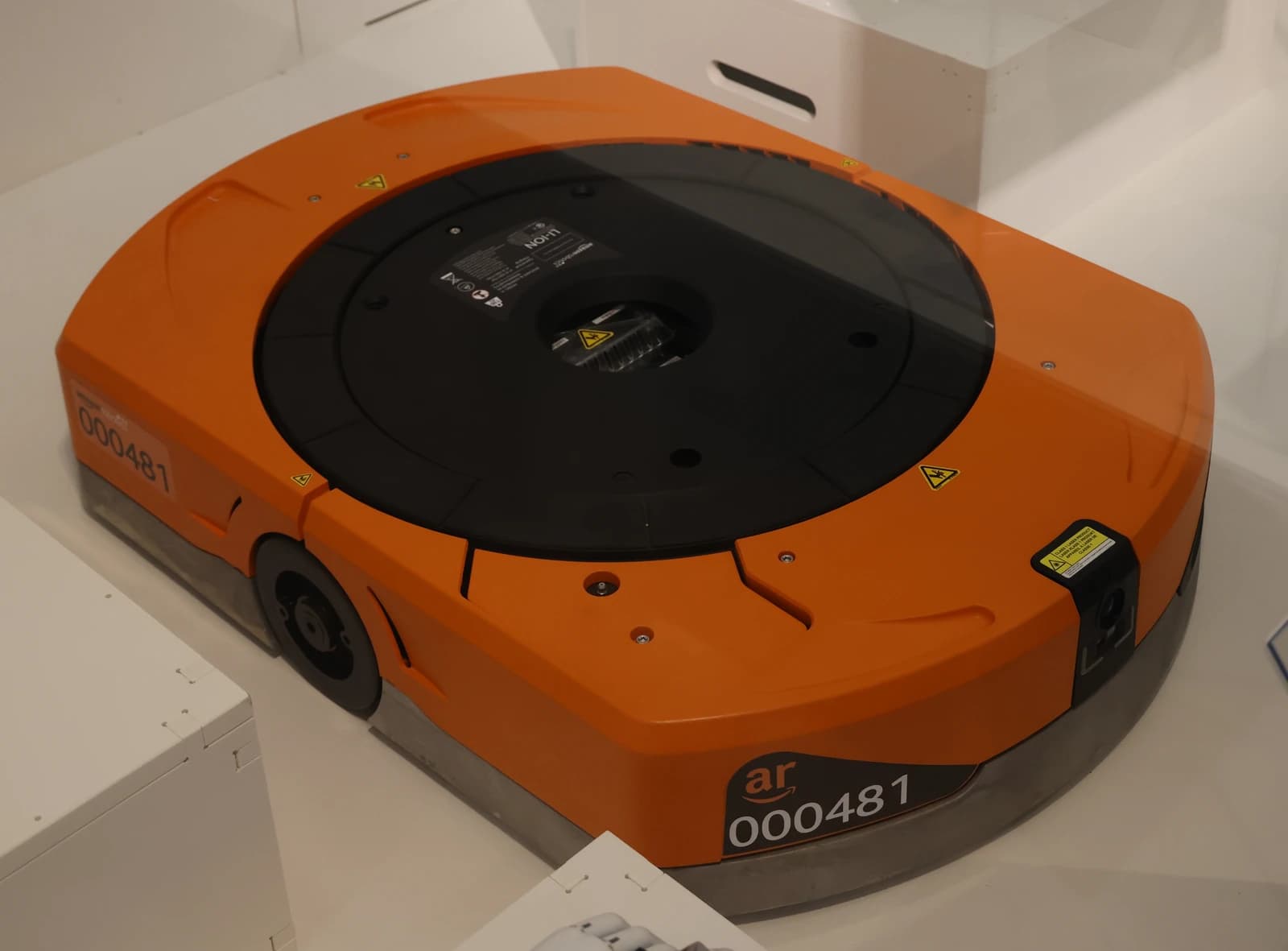
The lesson matters because enterprises are finding that large language models are only one part of a functioning automation stack. As the Russian-language source notes, a business taking customer leads still needs routing rules, qualification logic, CRM integration, human handoff points and post-chat actions. That is why the market is moving from novelty chatbots toward agentic systems that can execute tasks end to end, with Amazon’s new AI agent for third-party seller management emerging as the clearest example in the data.
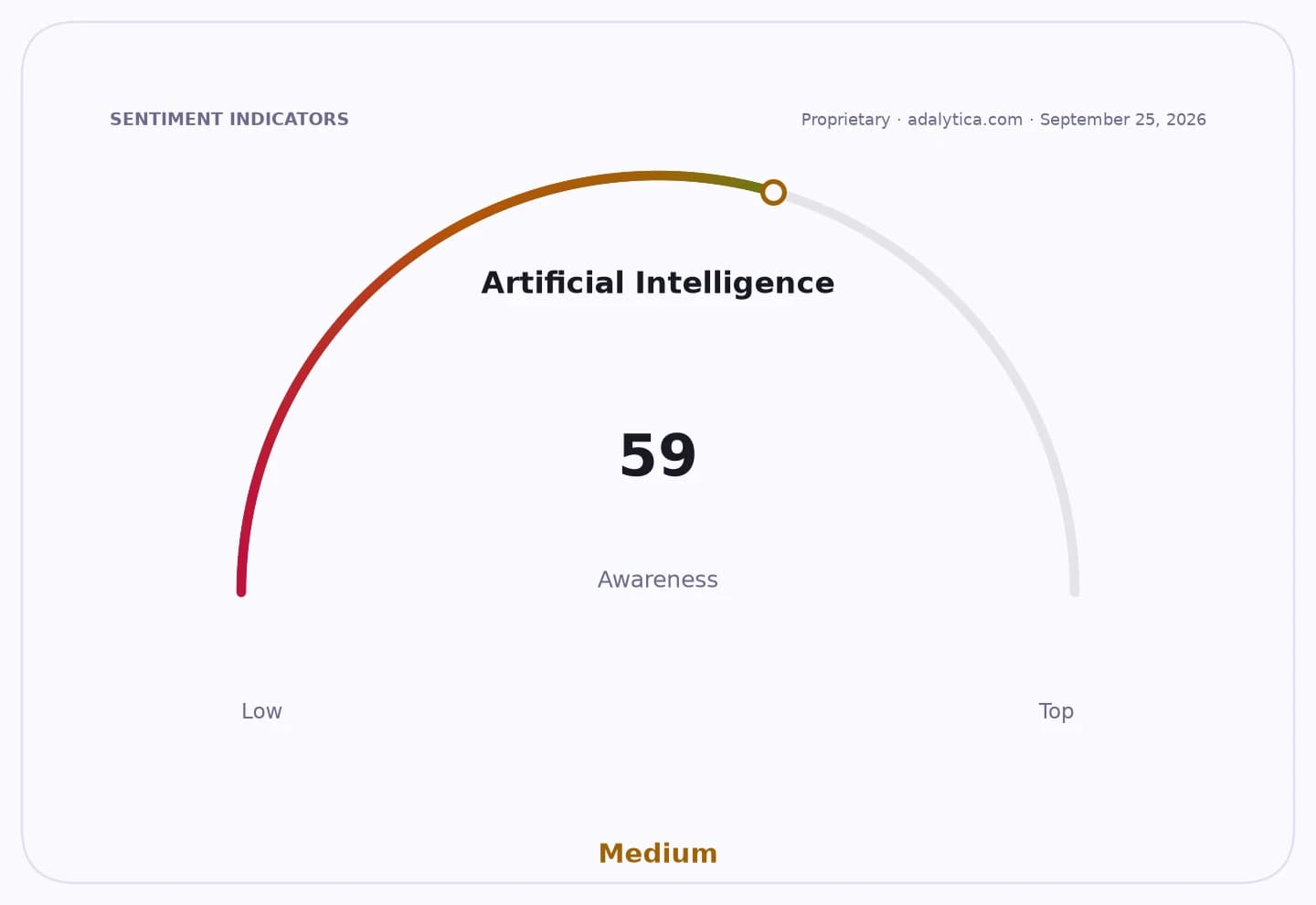
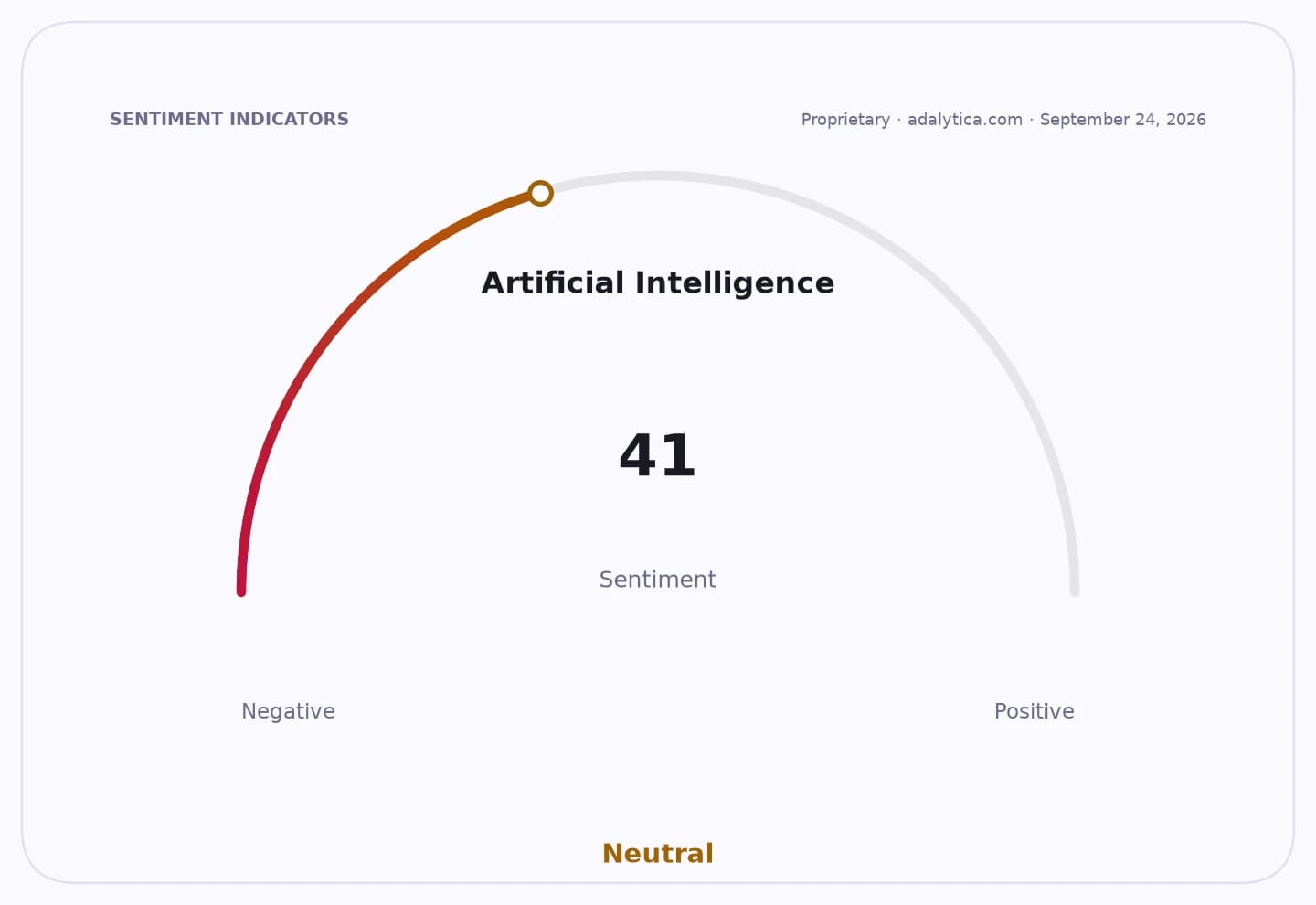
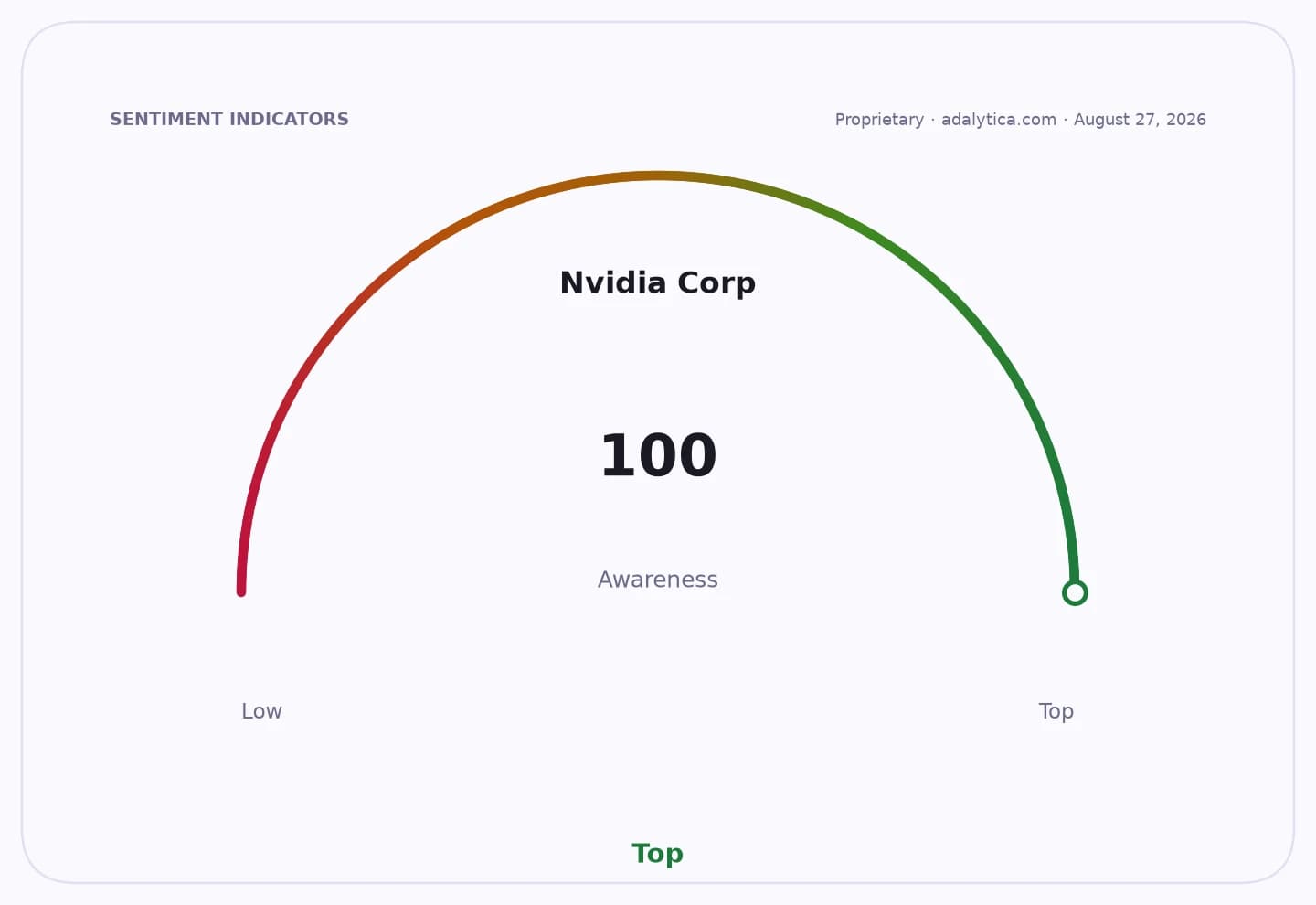
Sentiment IndicatorsⓘProprietary · adalytica.com · September 26, 2026
This is a snapshot — live sentiment, awareness and momentum for 130+ markets update continuously in the dashboard.Open AlphaPulse
That shift has economic consequences. Companies that treat AI as a front-end interface tend to get limited productivity gains, while firms that embed it into operations can compress labor costs, shorten response times and improve conversion rates. But the integration burden is high: the enterprise must standardize data, manage model behavior, and absorb regulatory and security risk. C3.ai’s latest filing underscores that point, warning that regulation over AI outputs is increasing and that AI-related issues in its platform could create liability or reputational harm. In other words, the market is not just buying software; it is underwriting workflow redesign, governance and compliance.
For investors, that makes the winners and losers less obvious than the simple “AI automation = efficiency” thesis suggests. Nvidia remains the hardware toll collector for the buildout, but its shares still show how quickly sentiment can swing when expectations get crowded: the stock closed at $225.07 on Sept. 25, still above its 50-day moving average of $215.79 and 200-day average of $199.13, but momentum has moderated from earlier highs. Microsoft, by contrast, is being rewarded for monetizing AI deeper in the stack; the stock finished at $516.17, above both its 50-day average of $475.40 and 200-day average of $430.61, with Adalytica’s Microsoft earnings sentiment at 96, or “Extreme Greed.” C3.ai’s share price, meanwhile, at $10.65 sits only slightly above its 200-day average of $10.38, reflecting a market still unconvinced that platform-level AI can quickly translate into durable earnings power.
The broader narrative is that AI automation is leaving the demo phase and entering the operations phase. That should benefit firms that own data, workflow orchestration and distribution inside large enterprises, while exposing vendors whose products stop at the chatbot layer. The next catalyst for the sector will be whether AI agents can prove they reduce headcount and error rates at scale without triggering a larger compliance bill, because that is what will determine whether automation becomes a margin story or just another software cycle.
| Entity | Gains | Losses |
|---|---|---|
| Amazon | ▲seller automation gains | ▼manual operations lose |
| Microsoft | ▲deeper AI monetization gains | ▼pure-play hype trades lose |
| Nvidia | ▲infrastructure demand gains | ▼valuation momentum cools |
| C3.ai | ▲enterprise-agent adoption gains | ▼investors seeking quick profits lose |