New Orleans is financing dozens of Public Works jobs with bond proceeds, a workaround that lets Mayor Helena Moreno’s administration expand street and sidewalk maintenance even as the city faces a widening budget crunch.
New Orleans Uses Bond Proceeds for Public Works Jobs

The move matters because it shifts a recurring cost — salaries — onto long-term debt, effectively using borrowed money to sustain permanent city staffing. That can buy political and operational time, but it also raises questions about fiscal discipline, future debt service and how long the city can keep essential services growing without a broader fix to its general fund.
Sentiment IndicatorsⓘProprietary · adalytica.com · October 6, 2026
This is a snapshot — live sentiment, awareness and momentum for 130+ markets update continuously in the dashboard.Open AlphaPulse
Public Works Director Steve Nelson said the department has doubled its workforce this year and added more than 80 employees, about three-quarters of them paid with capital bond funds. Existing bond cash, including from a $198 million sale this year, should cover those salaries through mid-2028, he said, after which the city will need roughly $7 million a year from future bond sales. Moreno’s administration is already planning two more bond issues totaling more than $300 million in 2028 and 2030.
The financing strategy is unusual but, according to Louisiana Legislative Auditor Mike Waguespack, it has been cleared by the city’s bond counsel if the work is tied to qualified bond-type projects. Nelson said tasks such as paving streets and sidewalks, repairing traffic-light control boxes and other infrastructure work with a useful life of 10 years or more can be charged to bond funds, provided staff time is coded accordingly.
For investors and credit watchers, the significance is that New Orleans is effectively treating debt as an operating bridge at a time when the city says it needs to close a $77 million deficit in its 2027 budget. That is a pragmatic response to a strained revenue base, but it also underscores how municipal balance sheets can become more dependent on borrowing when recurring obligations outpace cash generation. In a higher-rate environment, that dependence gets costlier.
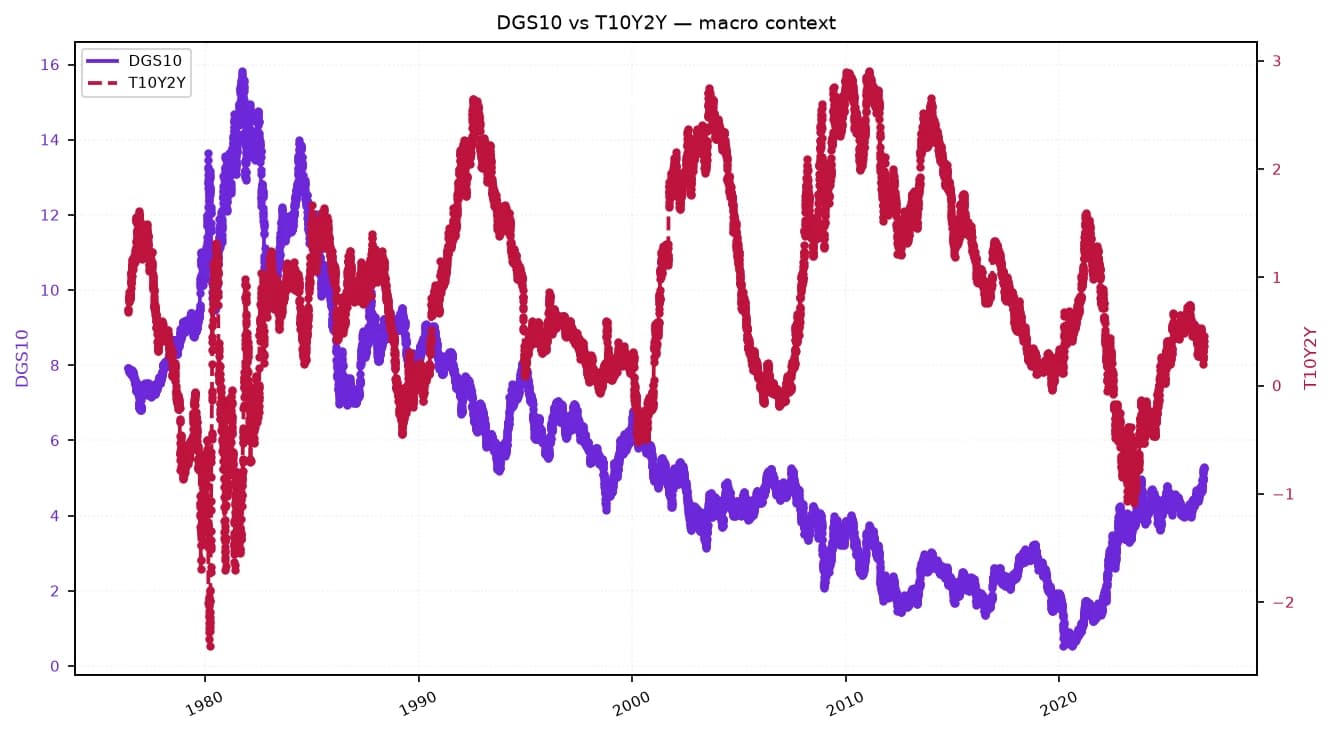
The broader backdrop is unfavorable for issuers. Long-term government borrowing costs have risen, making the assumed 3.8% interest rate used in New Orleans’ fiscal 2027 budget look increasingly optimistic. Higher yields across the municipal and broader bond markets mean future sales are less forgiving, while debt service crowds out room for other spending. That makes the city’s plan workable in the short run only if capital market access stays open and rates do not move sharply higher again.
Operationally, Nelson argues the approach is already producing visible gains: newly paved sidewalks, faster 311 response times for streetlight outages and improvements in striping, signage and overlay work. He said average streetlight response times have fallen to about 200 days from more than that earlier in the year, and August was the first month without a traffic fatality in 10 years. Council members signaled support, saying the work is visible on the ground.
The investment case is more mixed. Bond buyers get a city trying to improve basic services and reduce political pressure, but they also face a government leaning on debt to fund staffing levels that would normally be covered by operating revenue. Bullish readers may see a city making hard choices to restore neglected infrastructure; bearish ones may see the start of a debt-funded operating model that becomes harder to unwind if deficits persist.
What happens next will hinge on whether Moreno can stabilize the general fund before the current bond cushion runs down. If revenue growth and spending control do not materialize, the city may have to choose between deeper service cuts, higher taxes or still more borrowing — each with consequences for credit quality, taxpayer support and the city’s ability to keep Public Works on its new footing.
| Entity | Gains | Losses |
|---|---|---|
| New Orleans Public Works | ▲More staff, faster repairs | ▼Greater debt reliance |
| City residents | ▲Better sidewalks, lighting, striping | ▼Future fiscal strain |
| Bond investors | ▲Backing for visible capital work | ▼Higher municipal leverage risk |
| General fund budget | ▲Short-term relief | ▼Less room for core services |