Michigan’s governor’s race is turning on a simple but economically important question: who can make life cheaper in a state where voters are still feeling the pinch from years of higher prices, rising utility bills and weak school outcomes?
Michigan governor race focuses on costs, energy, taxes
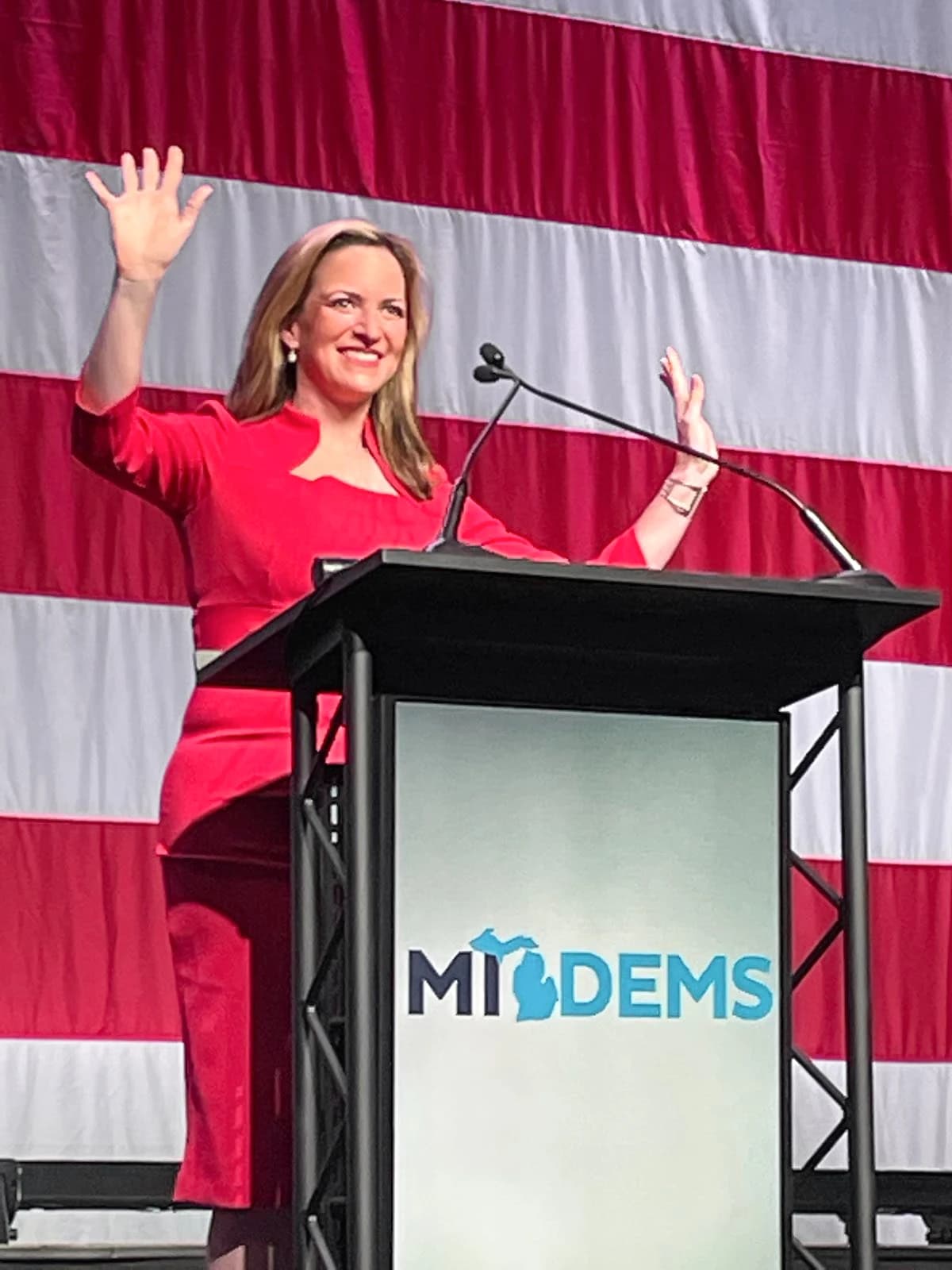
That was the real story in Thursday’s debate between Democrat Jocelyn Benson and Republican John James, who spent most of the night trying to pin Michigan’s affordability problems on each other. For investors, the significance is less about campaign theatrics than about what kind of policy mix the next governor may pursue on taxes, energy rates, business incentives and data-center regulation in a state that remains a major manufacturing and auto hub.
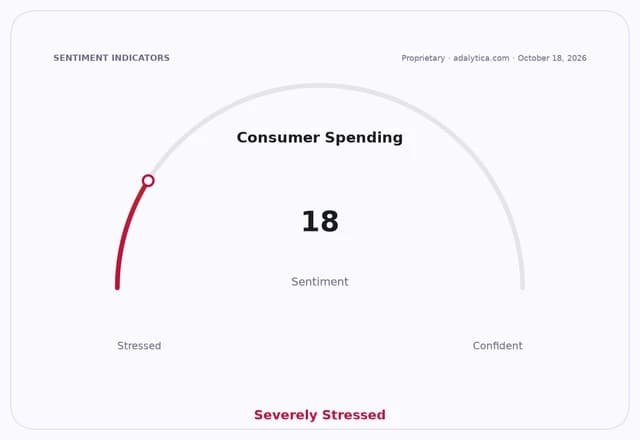
Sentiment IndicatorsⓘProprietary · adalytica.com · October 18, 2026
This is a snapshot — live sentiment, awareness and momentum for 130+ markets update continuously in the dashboard.Open AlphaPulse
Benson argued that James would deepen cost-of-living pressures by backing Donald Trump’s agenda and defending tax breaks for companies and wealthy donors. James countered that Democrats have overseen an expanding state budget, high energy costs and failing schools. With nearly 600,000 ballots already cast, the race is not just about political momentum. It is about whether Michigan keeps leaning into public spending and industrial policy, or pivots toward tax cuts and looser regulation.
The fiscal backdrop gives both campaigns something to attack. James said state spending has grown “50 percent” under Democrats, and while the exact comparison is more complicated, the broad point is fair: Michigan’s budget has risen sharply since Republican Gov. Rick Snyder’s final year in office, with the most recent state budget and related spending totals far above pre-pandemic levels. That matters because any incoming governor will face pressure to deliver relief without blowing up the books.
School funding and economic performance were another proxy for the bigger growth argument. Michigan’s School Aid budget has climbed by more than $6 billion since Gov. Gretchen Whitmer took office, yet student performance remains weak. For long-term investors, that combination matters because a state that spends more but still struggles to improve outcomes risks losing ground on workforce quality, labor productivity and business attraction.
Energy policy may be the most market-relevant issue of all. James wants to scrap Michigan’s clean-energy mandate, arguing it has contributed to high utility bills. Benson says rates were already rising before the law. The numbers show both the political and economic sensitivity: residential power costs in Michigan have climbed since 2023 and remain among the highest in the Midwest. That is a direct issue for households, but it is also critical for manufacturers, data centers and the broader industrial base that depends on predictable electricity pricing.
The candidates also traded claims over gas-tax relief, with both saying they would at least consider suspending Michigan’s 52-cent-per-gallon levy. That would be popular with voters, especially in a state where consumers are already stretched, but the debate underscored the hard part: finding a replacement for road funding. James floated diverting money from the Michigan Economic Development Corp.; Benson talked about a broader review of state revenue. Either way, the next governor will likely have to choose between fiscal discipline and immediate consumer relief.
Data centers were another telling flashpoint, and not just because both candidates tried to turn them into a campaign attack line. Michigan is increasingly relevant to the buildout of AI and digital infrastructure, and the fight over how these projects are permitted, taxed and localized could shape future investment. James attacked Benson over her ties to a project in Saline Township, while Benson accused James of backing measures that would limit local control. For investors, the broader takeaway is that Michigan’s data-center policy is still unsettled, and that uncertainty can affect capital allocation.
Benson also leaned into trade politics, promising to pursue agreements with Canadian governments to limit tariff pain. The legal limits are obvious, but the economic instinct is understandable: Michigan is exposed to cross-border trade, especially in autos and parts. Any governor trying to cushion tariffs, protect manufacturers and keep supply chains flowing will be dealing with one of the state’s most important structural advantages — and one of its biggest vulnerabilities.
That is why this debate mattered beyond campaign gossip. Michigan is not just electing a governor; it is choosing a policy posture on taxes, utilities, infrastructure and industrial growth at a time when households are still wary and businesses are highly sensitive to costs.
| Entity | Gains | Losses |
|---|---|---|
| Michigan households | ▲Tax and utility relief promises | ▼Continued high prices if policy stalls |
| Manufacturers and data centers | ▲Clearer energy and tax policy | ▼Higher power costs and regulatory uncertainty |
| Democrats/Benson | ▲Case for public investment and consumer relief | ▼Blame for spending and utility rates |
| Republicans/James | ▲Argument for tax cuts and deregulation | ▼Scrutiny over donor ties and spending plans |