An eye-watering electricity bill at a 95-year-old Los Angeles deli has become a public exhibit of California’s affordability problem, showing how utility costs are now pressuring restaurants, households and the investors who finance the state’s power grid.
California electricity bills hit restaurants and utilities
Canter’s says its new utility bill is nearly $10,000 higher than before, a jump that comes as California’s average electricity price has climbed to 27.63 cents per kilowatt-hour, more than double the national average. For businesses that run refrigeration, ovens and HVAC systems all day, that difference is not an accounting nuisance; it is a margin event that can decide whether a neighborhood institution survives, raises prices or cuts staff.
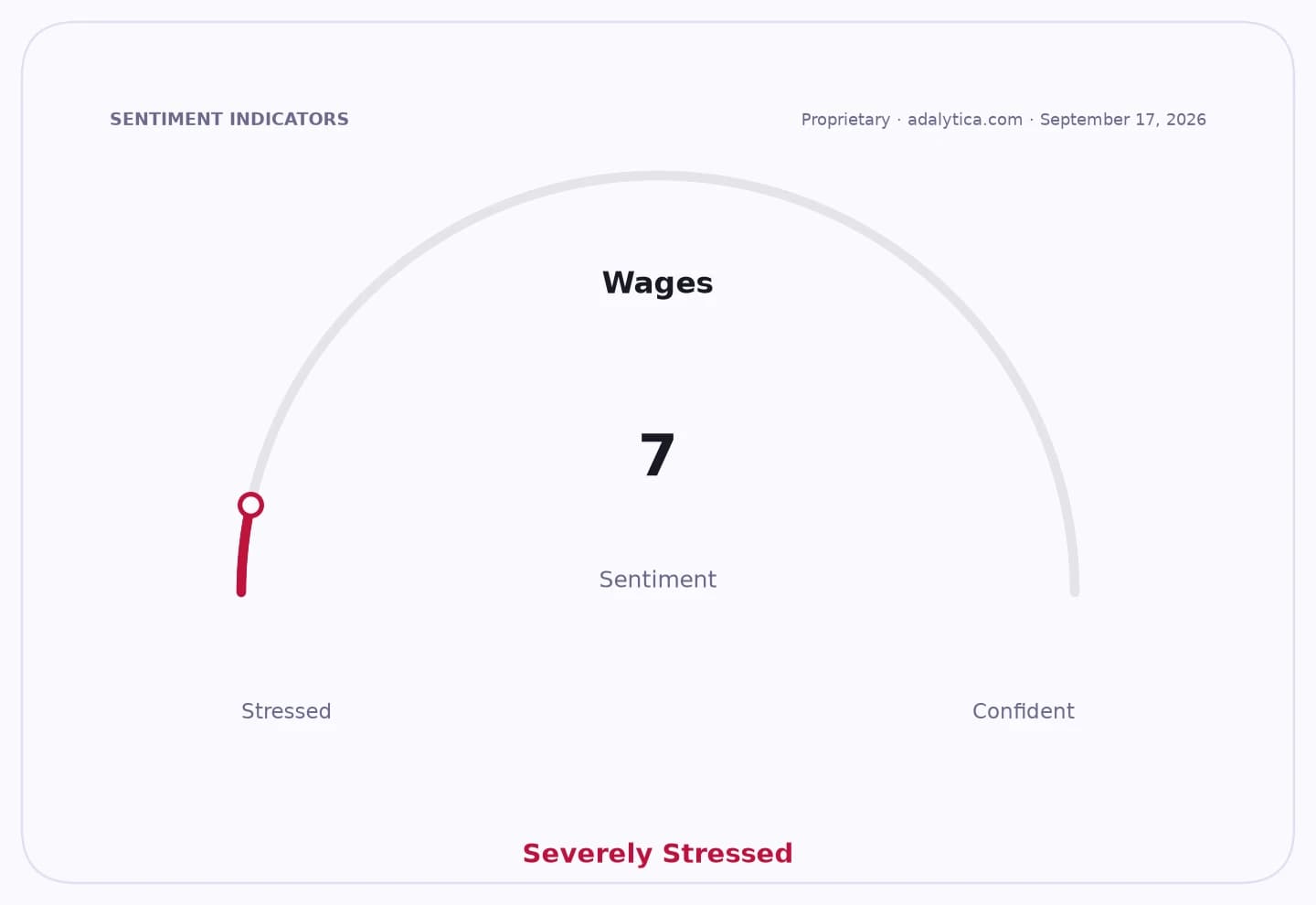
Sentiment IndicatorsⓘProprietary · adalytica.com · October 14, 2026
This is a snapshot — live sentiment, awareness and momentum for 130+ markets update continuously in the dashboard.Open AlphaPulse
The dispute also lands in the middle of a broader fight over what is driving the state’s rates. The Los Angeles Department of Water and Power says the problem is water and sewer costs, possibly tied to a leak, while Canter’s blames electricity. Either way, the episode underscores the same economic reality: California’s commercial customers face some of the nation’s highest power and utility charges, and those bills arrive whether the culprit is generation, infrastructure, wildfire mitigation or municipal rates.
That makes the story matter far beyond one deli. Restaurants typically operate on thin single-digit margins, leaving little room to absorb double-digit utility inflation. When energy costs rise faster than menu prices can be reset, businesses usually pass costs through to consumers, reduce investment or close. In a state already marked by high labor, rent, insurance and food expenses, utility bills become another drag on operating cash flow and a fresh tax on local commerce.
The broader political economy is equally important. California has spent years pushing toward a 100% carbon-free electricity goal by 2045, while utilities also face wildfire-liability costs and expensive grid-hardening projects. Supporters say those outlays are the price of decarbonization and reliability. Critics argue the state is layering mandates on top of mandates and forcing ratepayers to finance a transition that still has not delivered affordability. The result is a policy debate with direct implications for industrial competitiveness, small-business survival and household disposable income.
Investors have reasons to watch closely. Higher rates can support regulated utility revenue recovery over time, but they also intensify political pressure on California utilities and regulators to slow increases, change cost allocation or expand relief programs. That threatens the pace and certainty of cost recovery for names such as Edison International, Sempra, PG&E and Southern California Edison, while also raising the risk of tougher oversight, delayed approvals and more volatile earnings. Recent company filings have already flagged affordability, wildfire costs and the financing burden of rising regulatory balances as issues that can affect borrowing costs and capital plans.
The likely next phase is more scrutiny, not immediate relief. Officials can order investigations and request data, but the underlying rate structure remains intact unless Sacramento changes how the state pays for wildfire protection, transmission upgrades and clean-energy mandates. Until then, stories like Canter’s will keep surfacing as proof point for the state’s affordability crisis — and as a reminder that in California, the cost of power is now a political issue as much as a utility one.
| Entity | Gains | Losses |
|---|---|---|
| California utilities | ▲Higher revenue recovery | ▼Political backlash |
| Small restaurants | ▲None | ▼Margin pressure |
| Households | ▲Potential scrutiny | ▼Higher utility bills |
| Edison, Sempra, PG&E | ▲Regulated cost recovery | ▼Affordability reform risk |