UK fuel supplies are suddenly exposed to a fresh industrial shock, with planned strikes at Apache’s North Sea assets threatening to disrupt the Forties Pipeline System, a critical artery that carries about 30% of Britain’s oil production.
Apache North Sea strikes threaten Forties pipeline
That matters because the UK is already dealing with soaring wholesale crude costs and record-high pump prices, leaving fuel markets little room for another supply squeeze. Diesel has already pushed above £2 a litre, and any interruption to a pipeline system that feeds both crude output and refinery supply chains could tighten the domestic market further, even if the strike is brief.
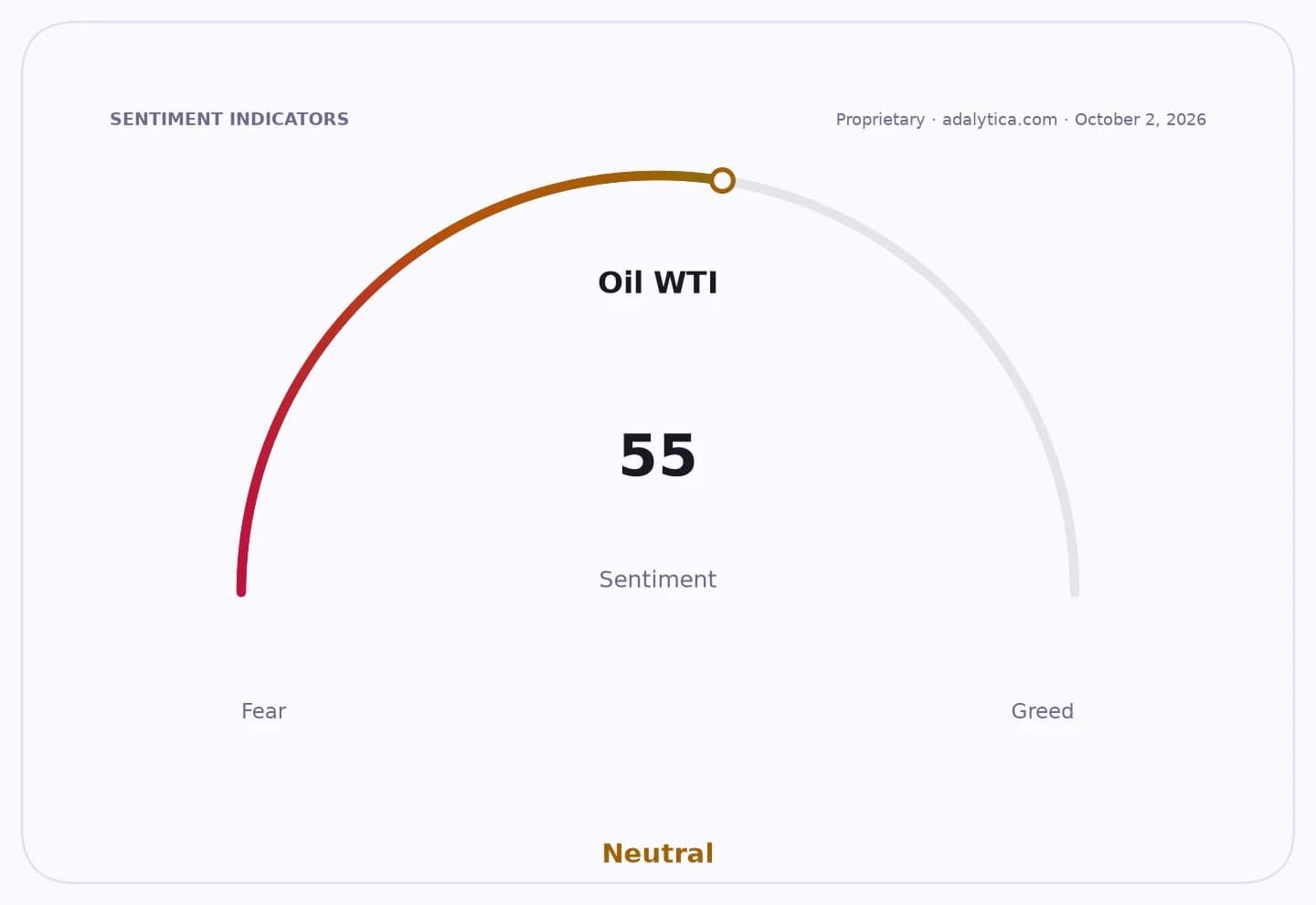
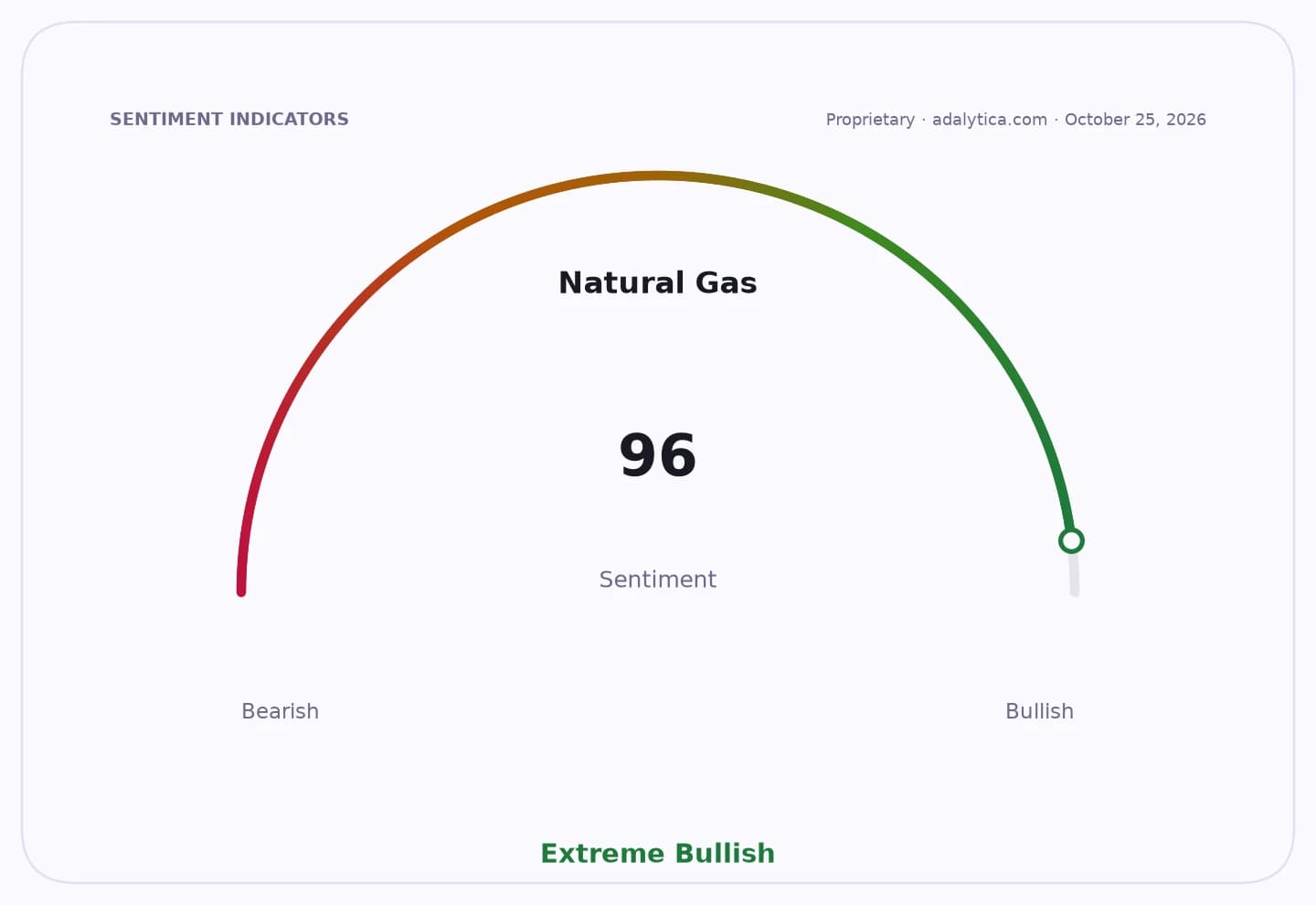
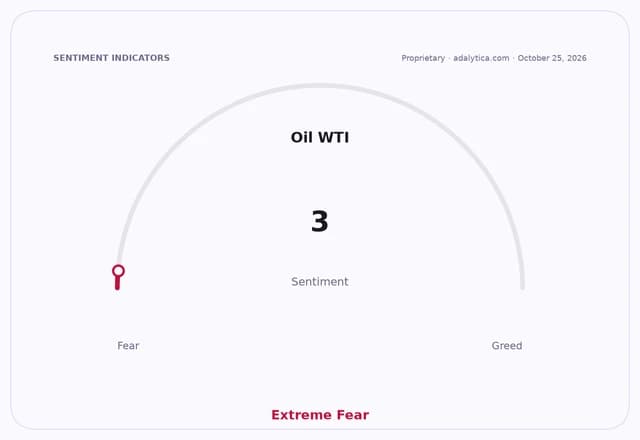
Sentiment IndicatorsⓘProprietary · adalytica.com · October 25, 2026
This is a snapshot — live sentiment, awareness and momentum for 130+ markets update continuously in the dashboard.Open AlphaPulse
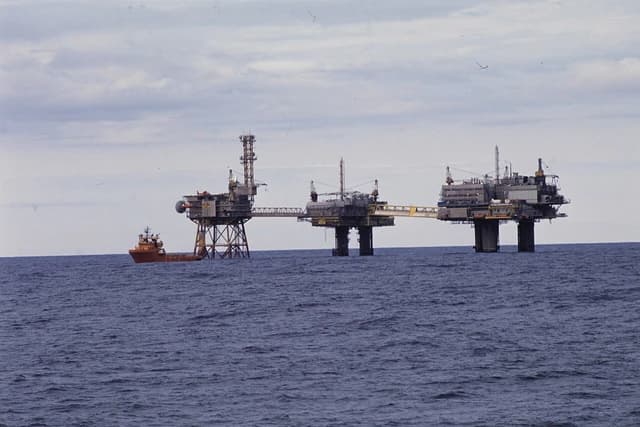
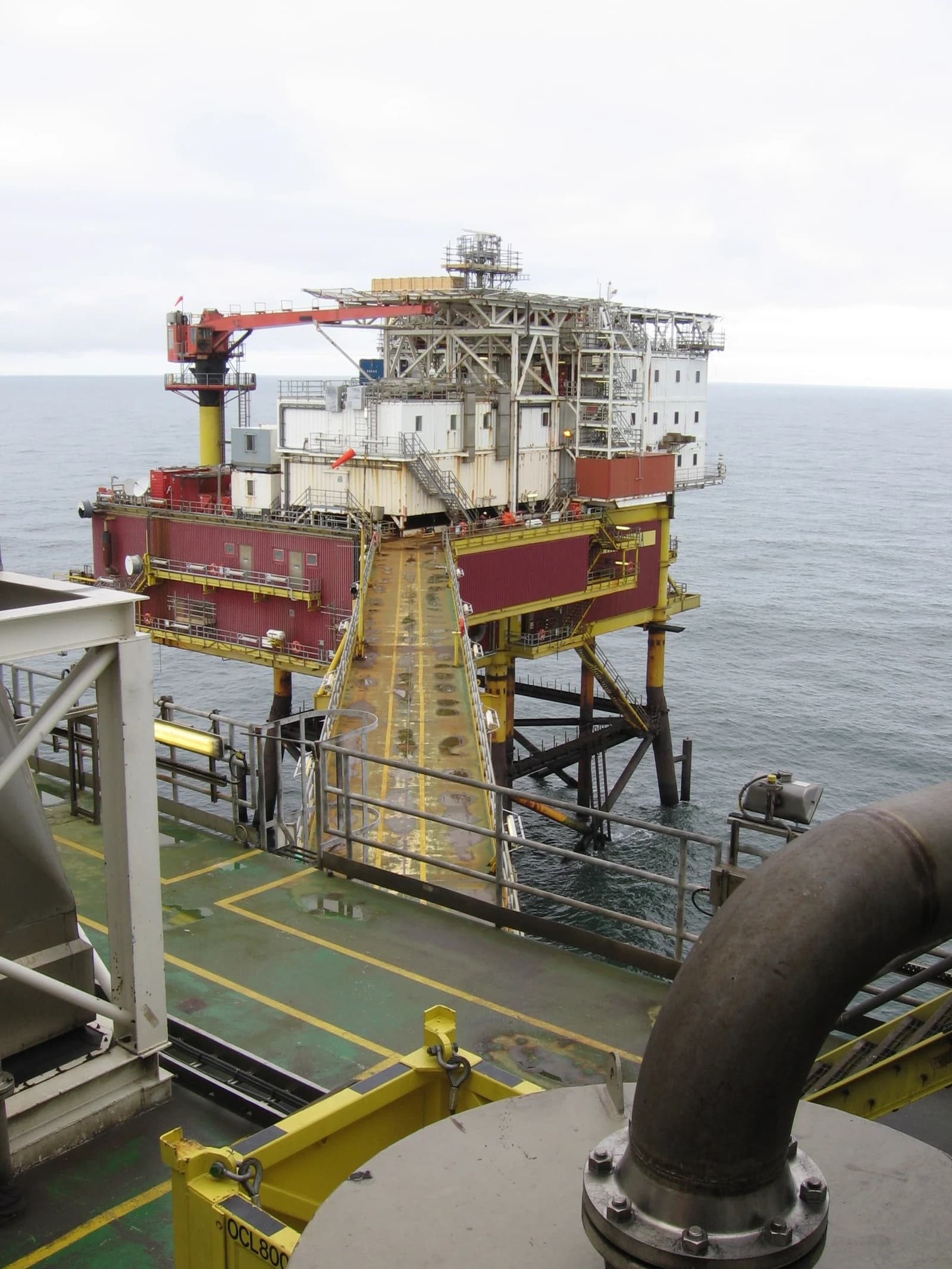
The immediate risk comes from a 24-hour walkout starting Wednesday at 5 a.m., with a second day of industrial action scheduled for Nov. 4. Unite says seven Apache assets tied to the Forties and Beryl fields could be affected and warns of “material disruption.” The union says the dispute centers on back pay and what it describes as a real-terms pay cut. Apache, for its part, says it has contingency plans, including keeping experienced contractors in place and maintaining safe operations at Forties Charlie to support third-party production.
For investors, this is not just a labor story. It is another reminder that European energy supply remains vulnerable to localized disruptions at a time when crude markets are already tight enough to keep energy equities bid and fuel-sensitive industries under pressure. The latest move in oil prices has kept the entire sector in focus, and the technical backdrop reinforces that strength: the USO oil ETF is trading well above its 50-day and 200-day moving averages, while its RSI readings remain stretched, consistent with a market that is still pricing in supply risk rather than dismissal of it. XLE, the energy sector ETF, is showing the same pattern.
The bigger narrative is that Britain’s energy security is being tested from the inside. North Sea output is no longer the swing factor it once was, but the infrastructure still matters because a disruption at the Forties system can ripple through domestic pricing, refinery economics and sentiment around UK fuel availability. Even if Apache succeeds in limiting the damage, the market will treat the strike threat as a live reminder that physical supply constraints, not just geopolitics, can move oil-linked assets.
The investable takeaway is clear: keep favoring the owners of scarce barrels, the pipeline operators, and the energy names with pricing power while staying cautious on transport, industrial and consumer-exposed stocks that cannot easily pass through another fuel shock. If strikes escalate or output is curtailed, the next move is likely to reward the same part of the market that benefits whenever supply becomes less reliable — and punish the rest.
| Entity | Gains | Losses |
|---|---|---|
| Energy producers | ▲Higher pricing leverage | ▼Public scrutiny and outage risk |
| Oil ETFs and energy stocks | ▲Supply-risk bid | ▼None if disruption is contained |
| UK motorists and businesses | ▲None | ▼Higher fuel bills |
| Apache and Forties workers | ▲Bargaining leverage | ▼Pay dispute uncertainty |