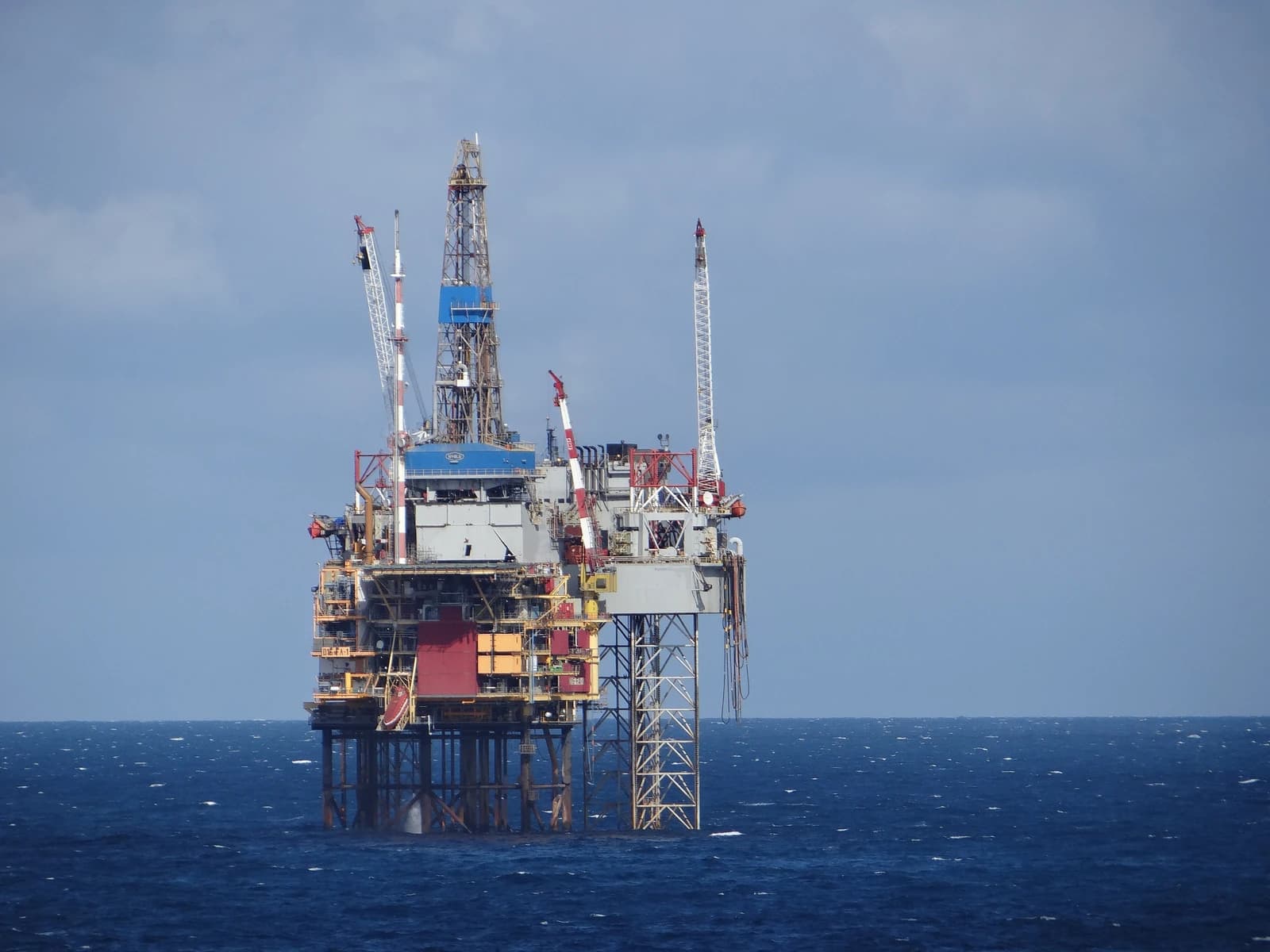
The International Energy Agency is ready to coordinate another release of emergency oil reserves if market conditions worsen, underscoring how fragile global fuel supplies remain even after months of intervention.
IEA Prepares More Oil Reserve Releases

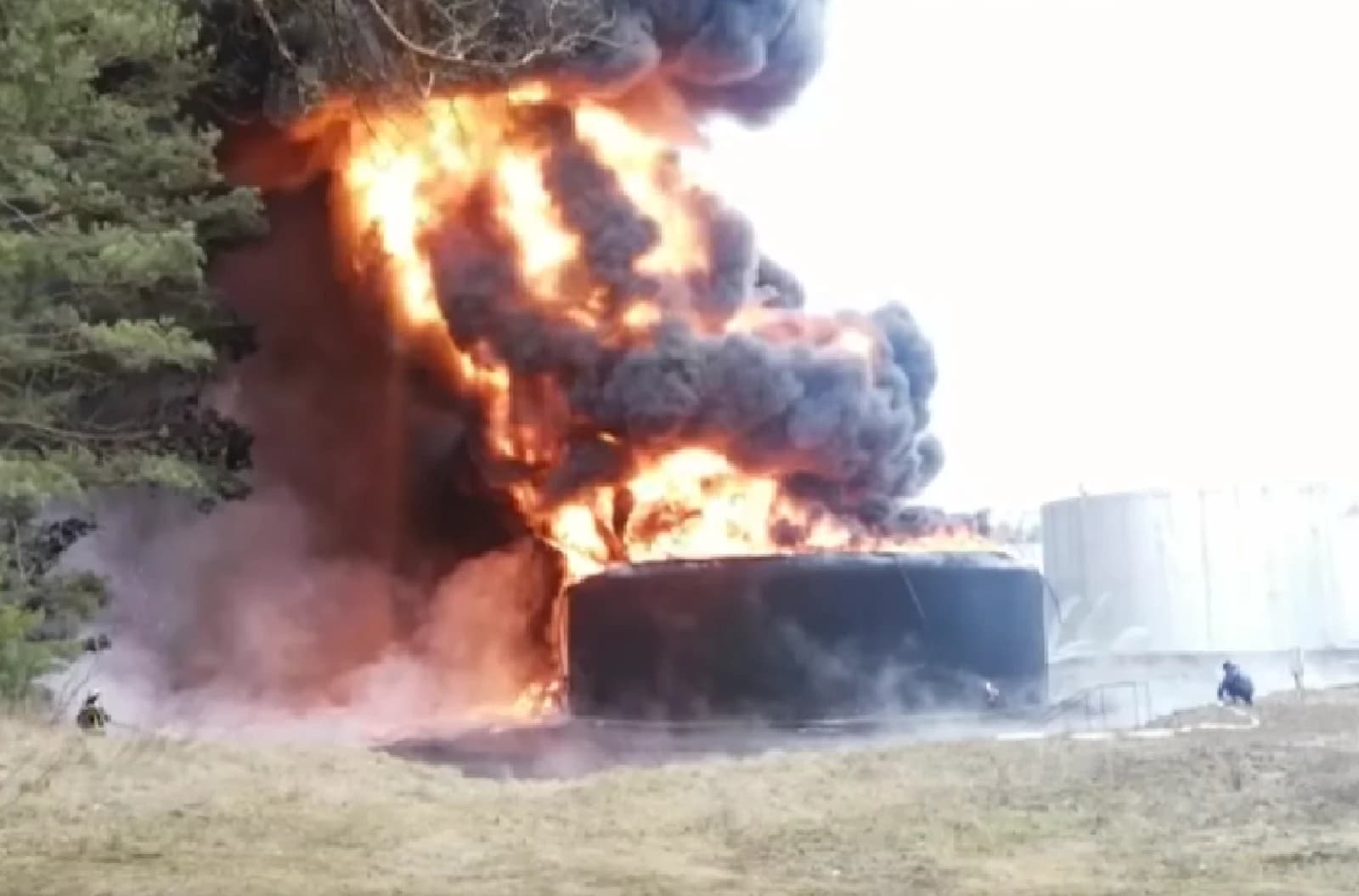
That matters because this is no longer just about headline crude prices. The tighter market is showing up most painfully in diesel, the fuel that keeps trucks moving, factories humming and goods flowing through supply chains. When diesel gets scarce, inflation tends to stay sticky longer than policymakers want, and the cost pressure can ripple quickly through transport, manufacturing and consumer prices.
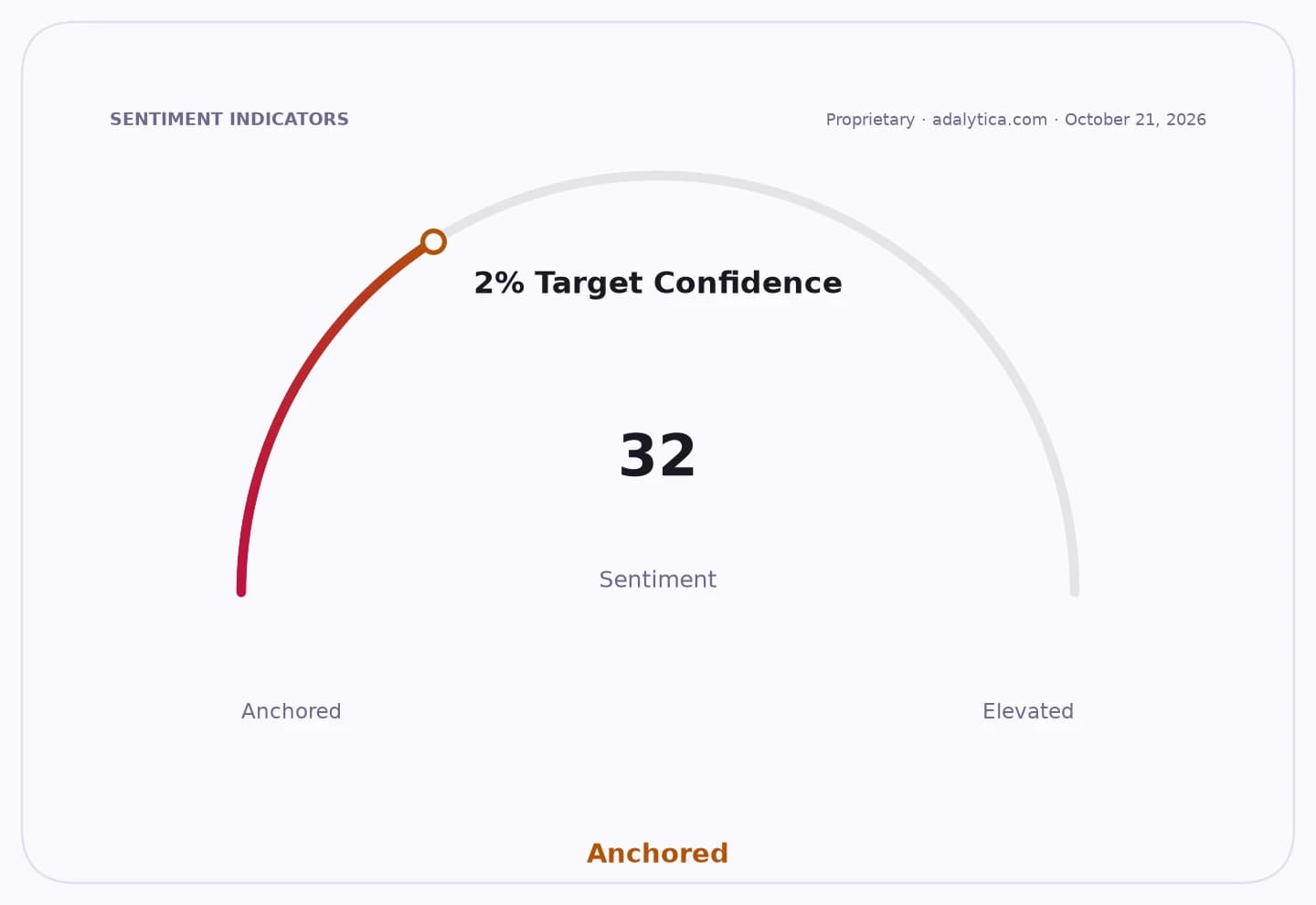
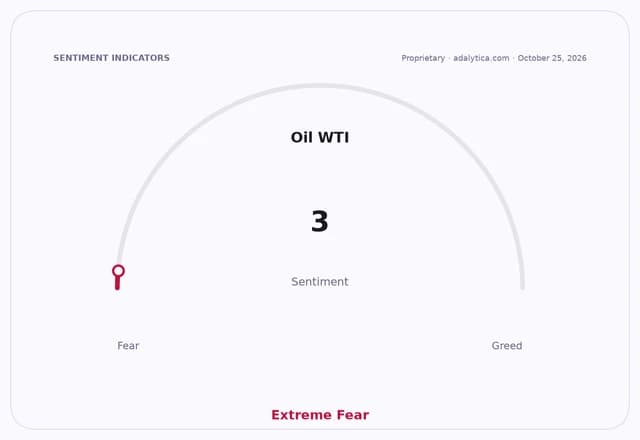
Sentiment IndicatorsⓘProprietary · adalytica.com · October 25, 2026
This is a snapshot — live sentiment, awareness and momentum for 130+ markets update continuously in the dashboard.Open AlphaPulse
IEA chief Fatih Birol said the agency’s priority is to accelerate the release of more than 20 million barrels of diesel already approved under its plan, while leaving open the possibility of further coordinated draws from member countries’ emergency stockpiles. He said the timing depends on national decisions and market developments. The IEA said roughly 80% of the 400 million barrels of crude and products pledged in its exceptional release program has already been delivered.
The backdrop is an oil market that is still under strain from disruptions in the Gulf and Russia, with Brent crude above $111 a barrel and diesel prices elevated in key markets including the U.S. The agency also warned it sees no reliable sign of a return to normal conditions before 2027, a sobering statement that suggests today’s supply crunch may be structural rather than temporary.
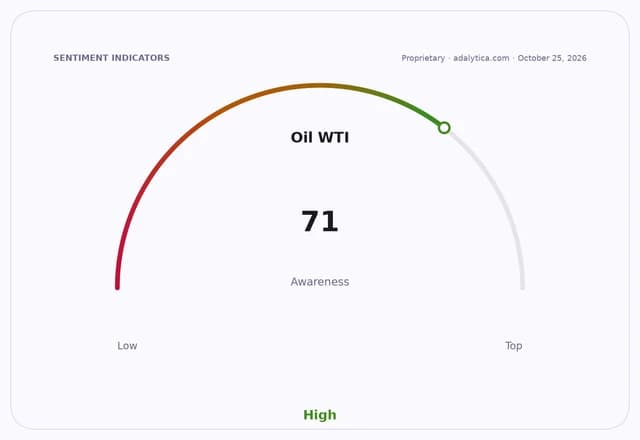
For investors, the message is straightforward: energy remains a powerful inflation and earnings variable. Higher fuel costs can help producers and integrated oil companies, but they pressure airlines, shippers, manufacturers and consumer businesses that live on thin margins. That’s why energy stocks have been among the clearer beneficiaries of the current environment, while transport-heavy sectors face a tougher path.
The move also highlights the limits of policy tools in a market driven by geopolitics. Reserve releases can smooth spikes, but they do not create new supply. If conflicts keep constraining flows and refinery output stays tight, governments may keep leaning on strategic stocks longer than many expected.
For long-term investors, the bigger lesson is to treat energy not as a one-quarter trade but as a reminder that supply shocks can endure. Companies with strong balance sheets, low-cost reserves and disciplined capital spending are better positioned to compound through volatile cycles. If you own the sector, the backdrop still favors patience; if you don’t, this is worth watching as a sign that energy inflation may stay a live issue well into the next few years.
| Entity | Gains | Losses |
|---|---|---|
| Oil producers | ▲Higher realized prices | ▼Demand destruction risk |
| Integrated majors | ▲Stronger cash flow | ▼Political pressure on supply |
| Consumers and shippers | ▲Some relief from reserve releases | ▼Higher diesel costs |
| Central banks | ▲Slightly easier inflation fight | ▼Less room for error |