US inflationary pressure is building again, and the new risk for markets is that a fuel shock is no longer confined to gasoline or airline tickets but is feeding through services and broader goods prices, making the Federal Reserve’s job harder.
US inflation broadens as oil and services rise
Fresh consumer and wholesale price data point to a broadening inflation impulse after wars in the Middle East and Russia pushed oil higher. Services prices excluding energy and rents rose sharply for a second straight month, while categories such as airfares, delivery services and trucking showed clear signs of pass-through. That matters because it suggests the inflation problem is becoming less transitory and more embedded in the parts of the economy the Fed watches most closely for persistence.
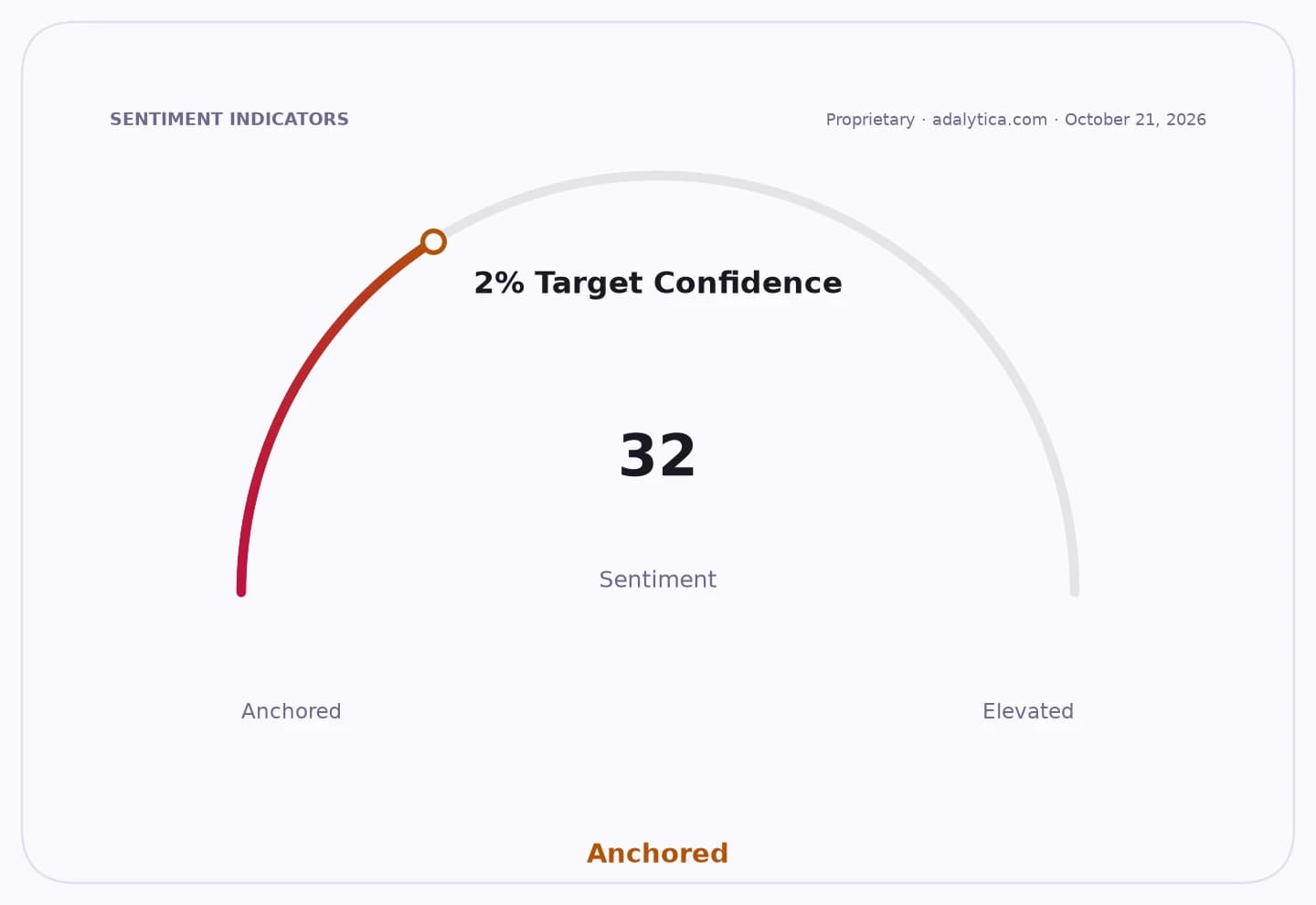
Sentiment IndicatorsⓘProprietary · adalytica.com · October 21, 2026
This is a snapshot — live sentiment, awareness and momentum for 130+ markets update continuously in the dashboard.Open AlphaPulse
The wholesale inflation backdrop is even more uncomfortable. US producer prices rose at the fastest pace since 2022 in September, reaching 3.7% in the latest reading cited in the market context, and the move came well above expectations. In practical terms, higher input costs are now moving through supply chains at the same time households are still facing sticky service prices. The grocery aisle has not yet fully reflected the shock, but economists are already warning that food costs could follow if energy stays elevated.
For policymakers, the timing is awkward. The Fed has spent much of the past year trying to slow demand without triggering a sharper growth slowdown, but another leg higher in inflation raises the odds of more rate increases and keeps real yields elevated. Market pricing is already reacting through higher Treasury yields and a firmer dollar, both of which tighten financial conditions further. That mix is bearish for duration assets, supportive for the currency, and potentially negative for equities that depend on easier financing or stable margins.
CPIAUCSL vs DGS10 — macro contextadalytica.com
Explore this data interactively — full history, time series and cross-market comparisons.Open AlphaPulse
The bond market’s message is clear. The 10-year Treasury yield has climbed to around 5.1%, while the dollar index proxy UUP has held near its 2026 highs, reflecting stronger demand for US assets when inflation and policy uncertainty rise. Gold, meanwhile, has retreated from earlier highs as higher real rates and a firmer dollar reduce the appeal of non-yielding assets. The TLT long-duration Treasury ETF remains below both its 50-day and 200-day moving averages, underscoring how quickly inflation surprise risk can translate into pressure on fixed-income valuations.
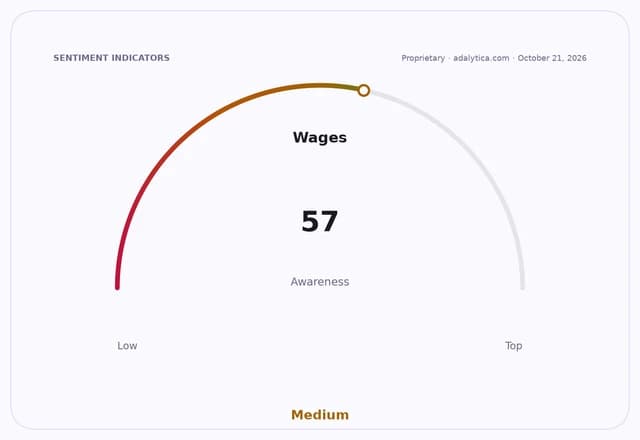
Adalytica’s gauges reinforce the same narrative. Confidence in the Fed’s 2% inflation target has fallen sharply in the latest snapshot, while wage inflation sentiment and long-term inflation expectations are both elevated. That does not prove a wage-price spiral is forming, but it does suggest the market is becoming more sensitive to second-round effects — especially if firms continue to pass on higher fuel and freight costs.
The corporate read-through is also important. ExxonMobil’s latest preliminary results showed about $4.5 billion from refining in the third quarter, up from $4.1 billion in the second quarter, as wars abroad cripple fuel-making facilities and widen refining margins. That is a clear winner from the shock. The losers are consumers, transport-heavy industries and retailers that face higher logistics costs, along with the Fed if inflation proves harder to tame than expected. Large chains such as Walmart and Costco have already flagged inflation, higher gasoline costs and merchandise pressure as material business risks.
The central question now is whether the current move is another short-lived energy flare-up or the start of a broader inflation re-acceleration. If energy prices stay high, the pass-through to services and food could force the Fed to stay restrictive longer, keeping pressure on bonds, rate-sensitive stocks and the housing market. If fuel prices stabilize, the economy may absorb the shock with limited second-round damage. For investors, the next few inflation prints and Fed communications will determine whether the recent spike is a warning shot or the beginning of a larger policy reset.
| Entity | Gains | Losses |
|---|---|---|
| ExxonMobil | ▲Higher refining margins | ▼Fuel consumers |
| Treasury bears | ▲Higher yields, steeper term premium | ▼Duration-heavy bond holders |
| Dollar bulls | ▲Firmer USD | ▼Importers and multinationals |
| Fed hawks | ▲More policy cover | ▼Rate-sensitive equities |