Russia is seeing diesel vanish from gas stations in the northwest even as Moscow pushes fuel exports to the US, a politically charged trade that is tightening domestic supply and exposing how fragile the country’s refined-product logistics have become.
Russia diesel shortages deepen in northwest

The shortage matters economically because diesel is the backbone of freight, farming and industry in Russia, and because it highlights a mismatch between export ambitions and home-market availability. In St. Petersburg, diesel was available at less than 40% of stations, down from about 70% at the end of October, according to the data cited by The Moscow Times. Some private stations in the Leningrad region have started rationing sales to 30 to 50 liters per car, while queues have stretched to 40 minutes.
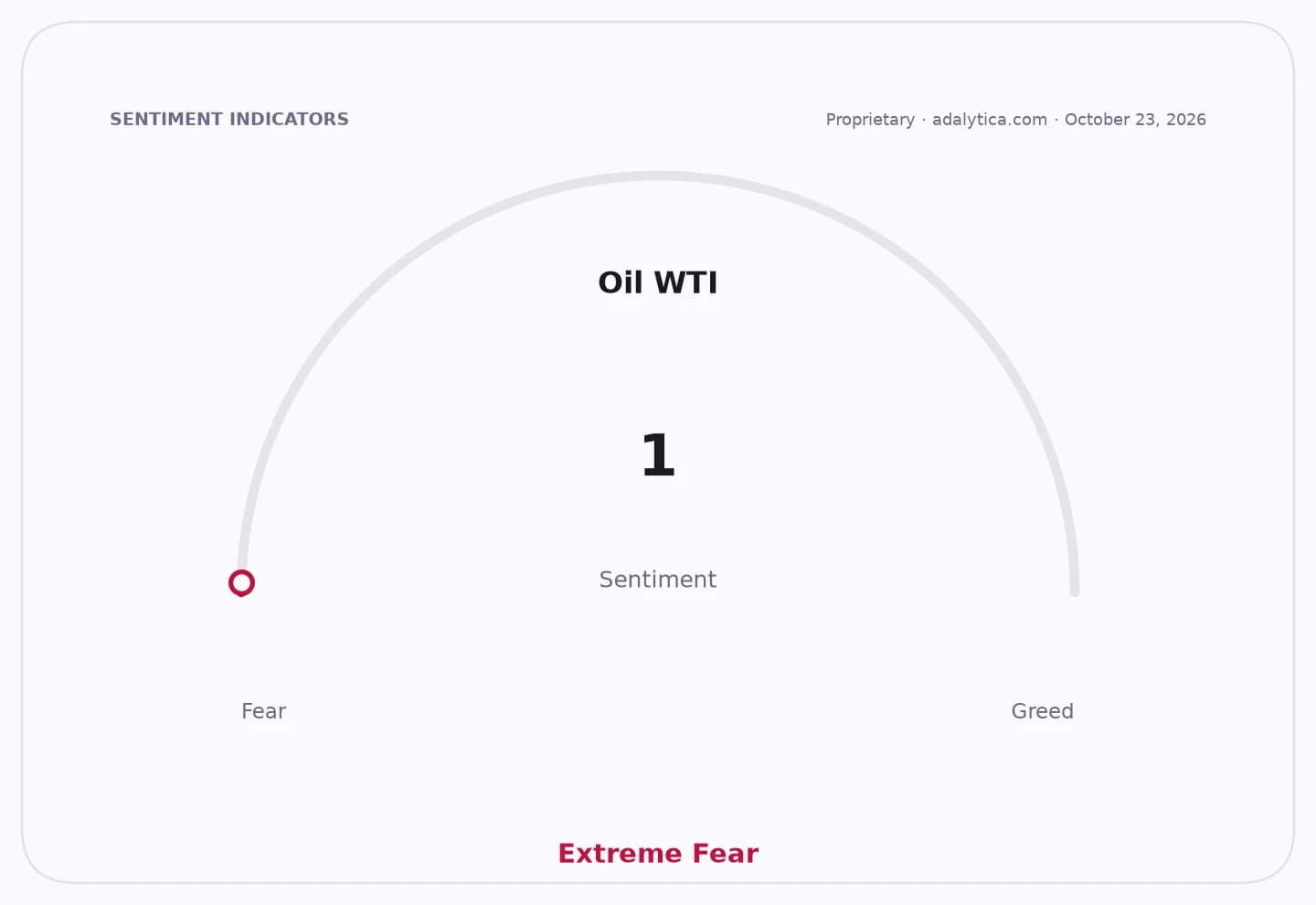
Sentiment Indicators
That is a sharp deterioration in a matter of days and takes shortages back toward the peak of Russia’s summer fuel crisis, when diesel availability in St. Petersburg fell to about 40% or less of stations. The problem is not limited to the northwest. Reports of diesel shortages also surfaced in Sverdlovsk, where some stations imposed restrictions and Tatneft halted sales, and in Tambov, where 29 of 214 stations reportedly lacked diesel.
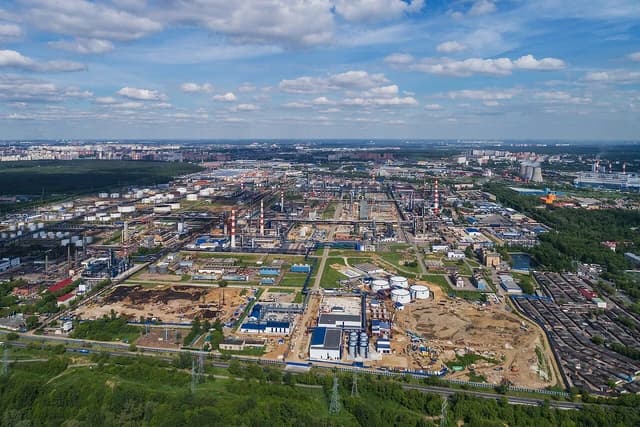
The immediate trigger is the Trump-Putin fuel arrangement announced Oct. 9, under which Russia agreed to send more than 300,000 tons of fuel to US and global markets in October, another 500,000 tons in November and 1 million tons afterward. Moscow has framed the deal as mutually beneficial, but the domestic fallout suggests the cargoes may have been assembled in a hurry, likely through the Baltic port of Primorsk near St. Petersburg, creating logistical strain at a time when Russia’s refining system is already under pressure.
That is where the investor angle sharpens. For global oil traders, the episode underscores that diesel is not just a commodity but a politically sensitive product whose flows can be redirected by sanctions, diplomacy and freight constraints. WTI-linked oil sentiment on Adalytica’s gauge is already in “Greed,” while the energy sector ETF XLE and US diesel-linked exposure have traded firmer, reflecting a market still sensitive to any sign of tighter product balances. European diesel markets are also under strain, with the EU having released 20.5 million barrels to calm winter shortage fears and refiners warning of further stress.
For US companies, the deal is awkward. Washington does not need Russian diesel in a structural sense because the US is a net exporter of the fuel, and buyers are reportedly wary of legal and sanctions risk from handling Russian barrels restricted since 2022. That makes it possible that some of the fuel intended for American buyers may ultimately be rerouted to Brazil or other markets, limiting the intended commercial payoff while still tightening supply in Russia.
The broader narrative is that Moscow is trying to turn fuel exports into a geopolitical tool, but the trade is revealing the limits of that leverage. If Russia keeps shipping diesel abroad while domestic inventories thin, the political cost rises at home just as winter demand builds. For investors, the key watchpoint is whether this becomes a one-off logistics problem or a sign that refined-product balances are tightening further across Russia and Europe.
| Entity | Gains | Losses |
|---|---|---|
| Russia’s exporters | ▲Higher overseas sales | ▼Domestic diesel availability |
| US buyers/traders | ▲Potential cheap supply | ▼Sanctions and legal risk |
| Russian motorists/freight users | ▲None | ▼Rationing and queues |
| European diesel market | ▲Possible supply relief if flows reroute | ▼Winter shortage pressure |