Diesel fuel for cold weather has started appearing at gas stations in Russia’s Leningrad region, a seasonal shift that matters because winter-grade diesel is costlier to produce but less likely to gel in freezing temperatures and disrupt transport, freight and heating logistics.
Leningrad region starts winter diesel rollout
The region said the transition from summer diesel is under way gradually, with no fixed switch date and most stations typically changing their fuel mix in October. Winter diesel can preserve operating performance at temperatures as low as minus 35 degrees Celsius, depending on the grade, thanks to additional additives and a more complex production process.
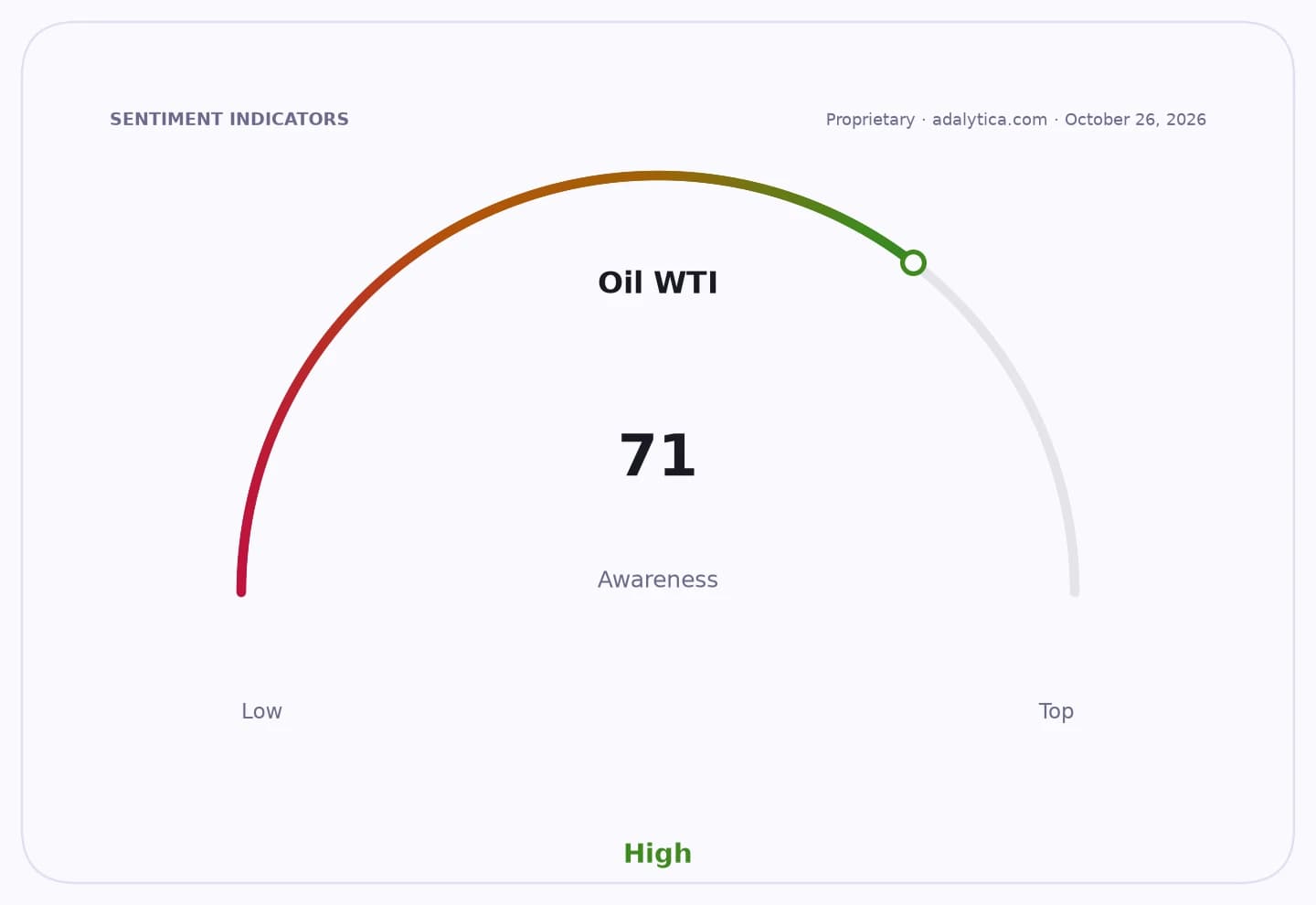
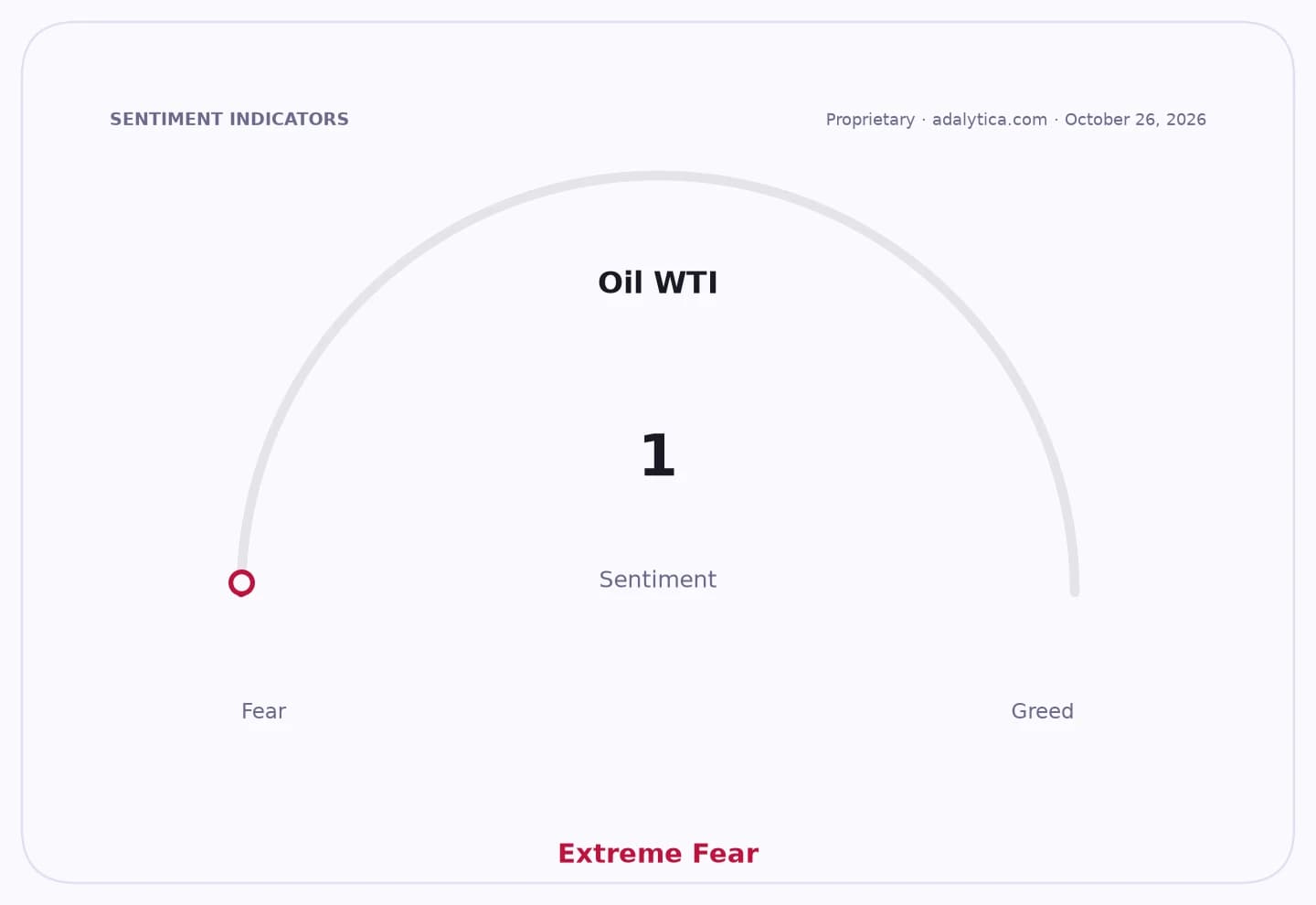
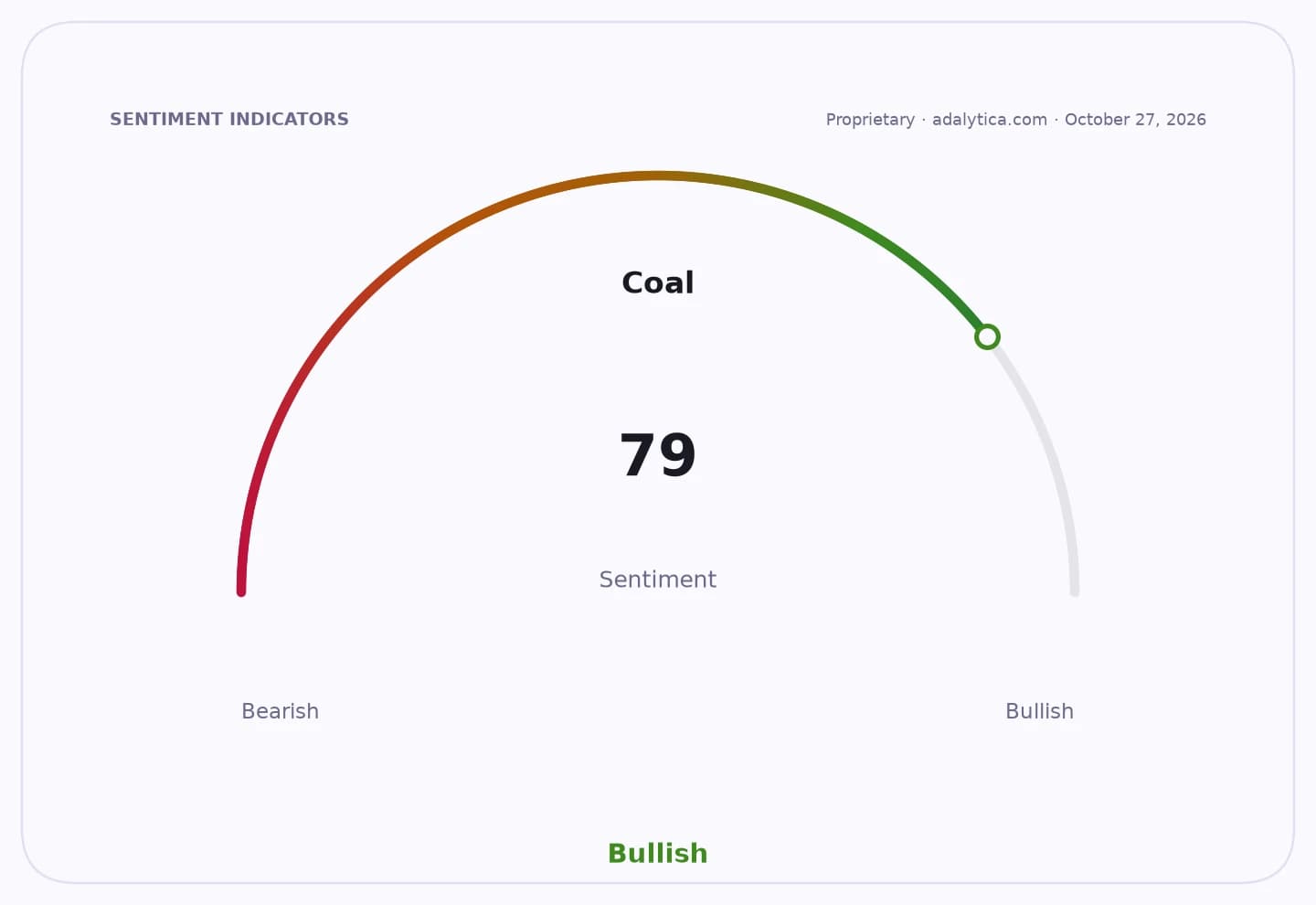
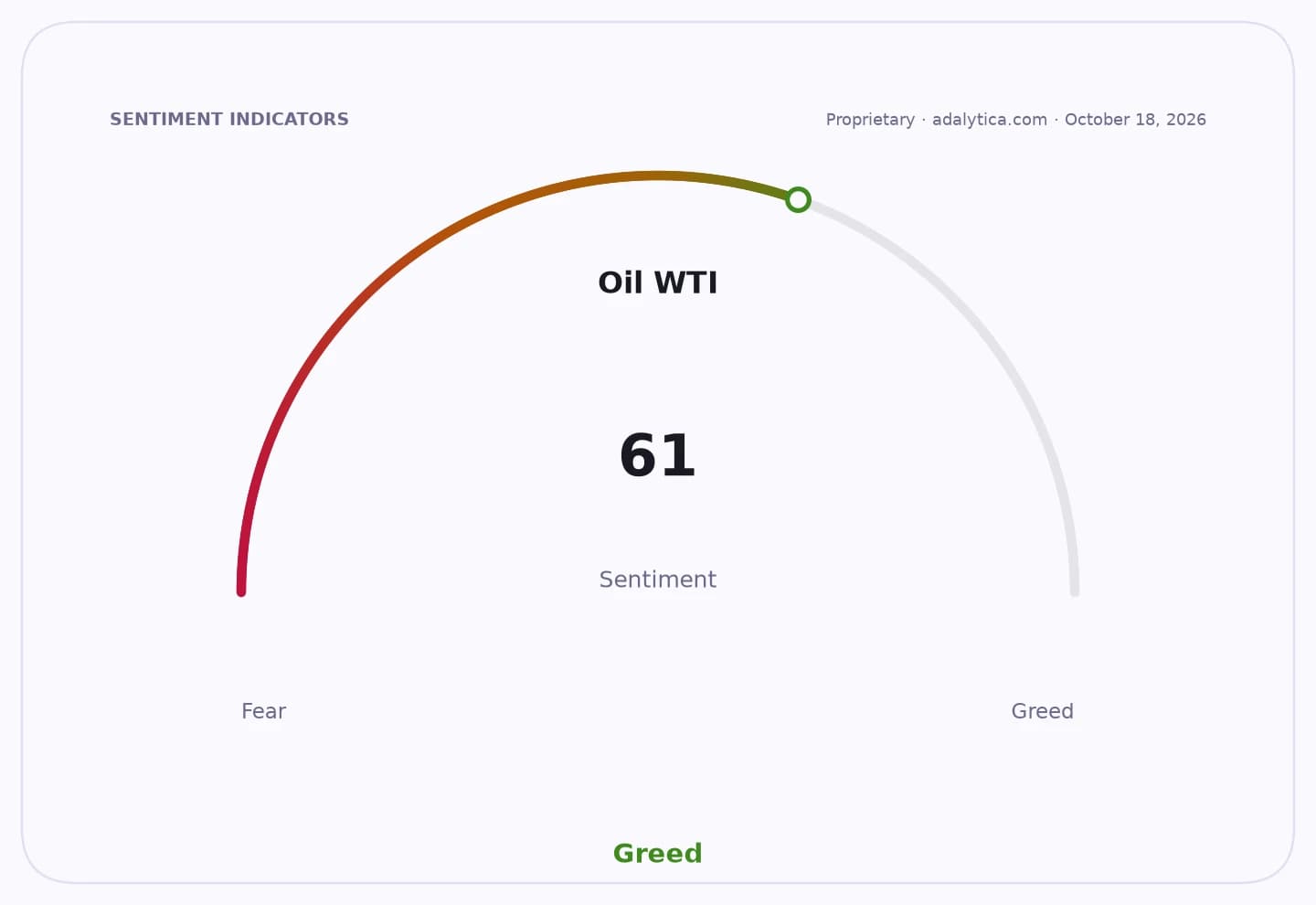
Sentiment Indicators
For motorists and trucking fleets, the move reduces the risk of fuel-system failures and roadside breakdowns as temperatures fall. For fuel retailers, it usually means tighter margins or higher pump prices, since winter diesel carries a production premium over the summer product it replaces.
The timing also fits a wider market backdrop in which diesel remains a key pressure point globally. European governments have been drawing on strategic reserves and watching winter demand closely, while refinery maintenance and strong consumption have kept diesel markets volatile and supported margins for refiners.
Investors will watch whether the seasonal transition in northwest Russia stays orderly and whether cold-weather fuel demand adds further strain to regional supply chains. Any disruption in refining or logistics would quickly show up in diesel pricing and in downstream companies exposed to transport fuel demand.
| Entity | Gains | Losses |
|---|---|---|
| Motorists in Leningrad region | ▲Fewer cold-weather breakdowns | ▼Higher fuel costs |
| Fuel retailers | ▲Seasonal demand support | ▼Margin pressure |
| Refiners | ▲Better winter-grade sales mix | ▼Higher production costs |
| Freight and logistics firms | ▲More reliable fuel supply | ▼Exposure to winter price spikes |