Iran’s state television has publicly named Kyiv, Lviv and Odesa among targets for possible missile strikes, a sharp escalation in rhetoric that broadens the geopolitical risk premium around the war in Ukraine and raises the stakes for Western allies backing Kyiv.
Iran names Kyiv, Lviv and Odesa in strike threat
The warning matters because it moves Tehran’s threats beyond U.S. bases in the Gulf and into Ukraine’s main political, logistical and export hubs, signaling a willingness to widen the conflict if Washington and its allies intensify pressure on Iran. For investors, that kind of language can feed demand for havens, keep energy and defense assets bid, and reinforce the market’s sensitivity to sanctions and regional escalation.
Sentiment Indicators
The map aired on Nov. 5 also listed U.S. military sites in Qatar, the United Arab Emirates and Kuwait, according to the report. But the inclusion of major Ukrainian cities is the most striking part of the message, marking the first time Iran has publicly framed those cities as potential missile targets.
The timing is tied to a fresh round of U.S. sanctions on Iran, Russia and Belarus, part of what Iranian media described as Washington’s “Economic Exile” campaign. Tehran is effectively warning that financial pressure will be met with military intimidation, a narrative that could complicate any attempt by the U.S. and its allies to contain the conflict through sanctions alone.
Geopolitical Risk — 30-day sentimentadalytica.com
Explore this data interactively — full history, time series and cross-market comparisons.
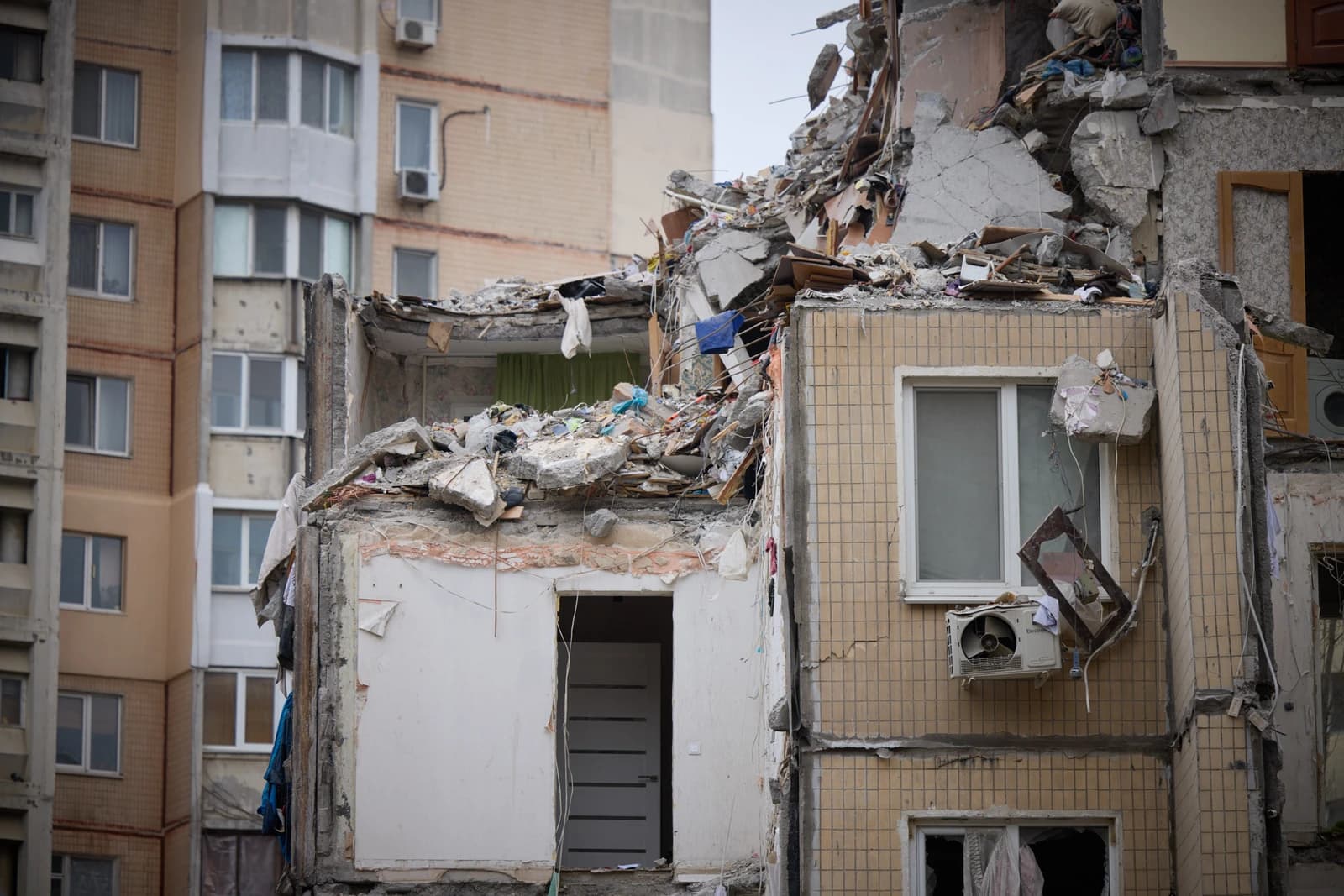
For Ukraine, the risk is not just rhetorical. Kyiv, Lviv and Odesa are central to command, transportation and trade flows, and any perception that another regional actor could join the threat matrix adds to the strain on already overstretched air defenses and logistics networks.
Global stability gauges from Adalytica.com show the backdrop remains fragile: sentiment is at 86, or “Extreme Greed,” while awareness is just 4, labeled “Extreme Fear,” suggesting investors are complacent about a market environment that can turn quickly on geopolitics. That split often supports flows into the dollar, Treasuries and other defensive assets when headlines turn adverse.
The immediate focus now shifts to whether the U.S. answers with additional sanctions or military posturing, and whether Iran follows through on a threat that, for now, is political theater but still raises the odds of a broader confrontation.
| Entity | Gains | Losses |
|---|---|---|
| Iran | ▲Deterrence leverage | ▼Diplomatic isolation |
| U.S. and allies | ▲None | ▼Higher escalation risk |
| Ukraine | ▲International attention | ▼Security and logistics risk |
| Defensive assets | ▲Safe-haven demand | ▼Risk assets |