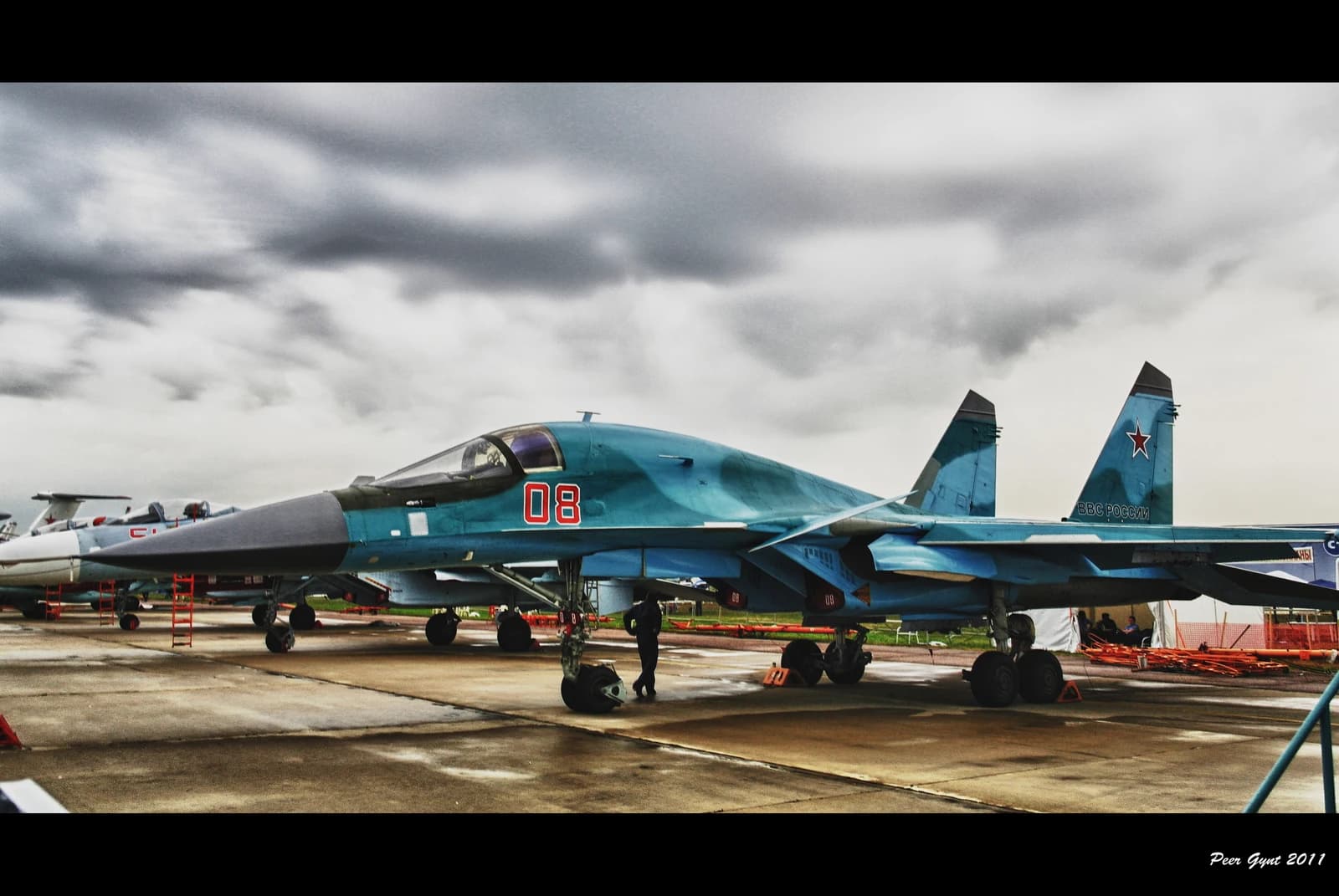
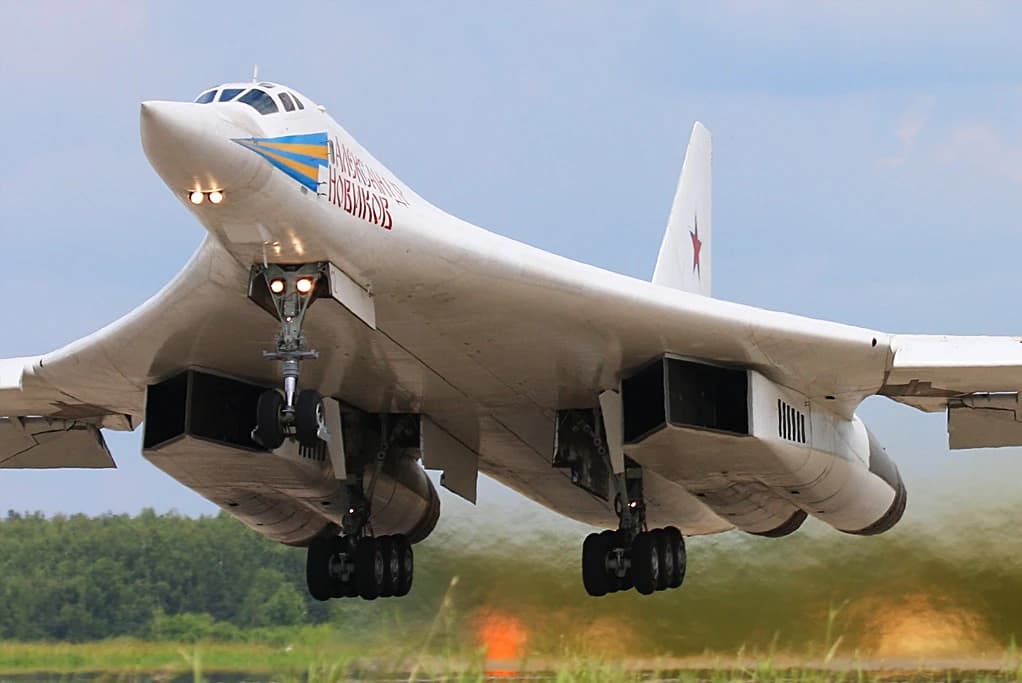
Russia’s latest barrage of 289 drones underlines a grim reality for investors and policymakers alike: even as Washington prepares to restart talks between Moscow and Kyiv, the war is still intensifying on the ground rather than winding down.
Russia Drone Strike Wave Raises Europe War Risk
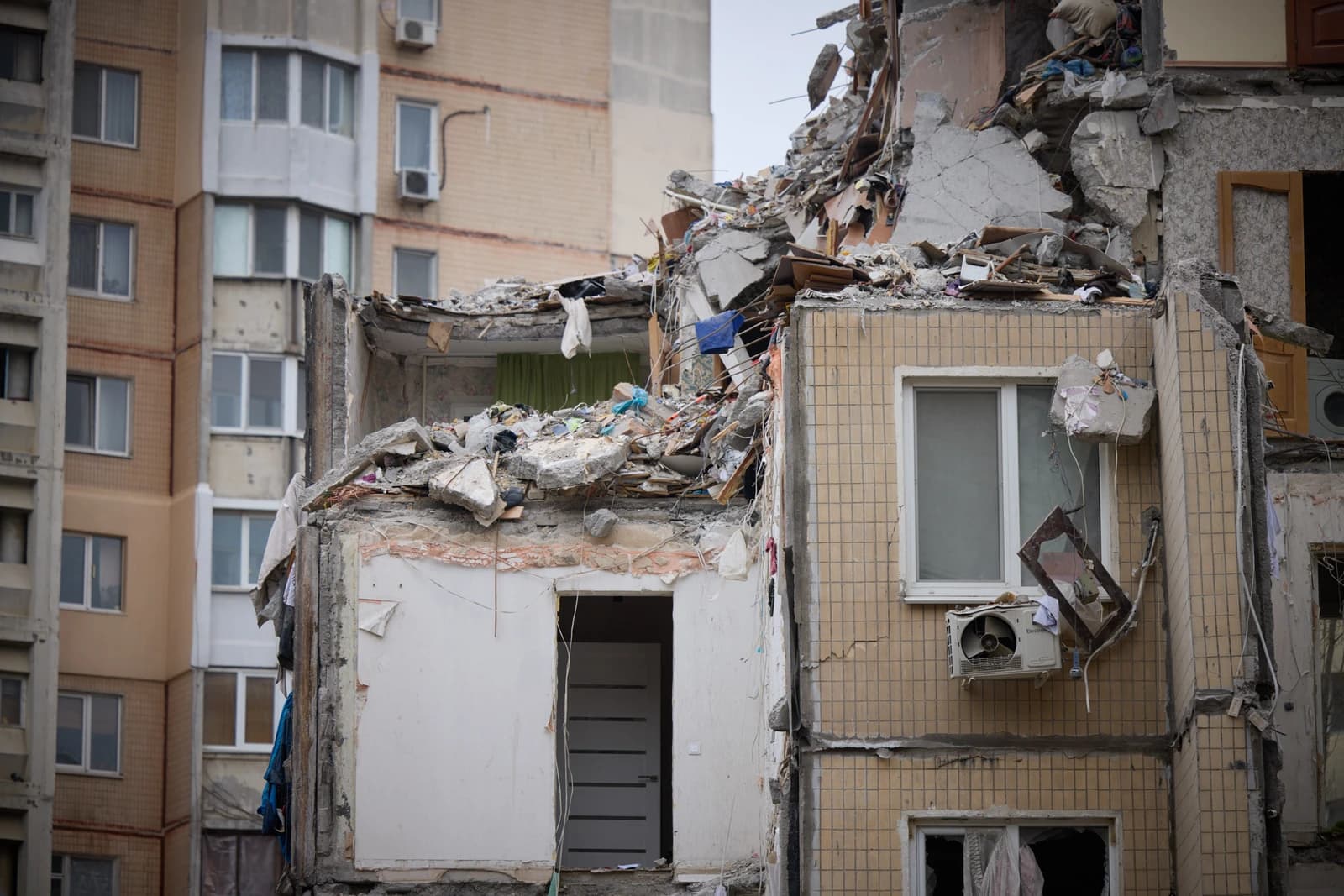
That matters because wars do not need to end to move markets — they only need to escalate. A fresh wave of drone and missile strikes can reshape expectations for European energy supply, defense spending, reconstruction needs and risk appetite across regional assets. It also reminds investors that every diplomatic headline still sits on top of a live military conflict, and one that can spill beyond Ukraine’s borders.
Sentiment Indicators

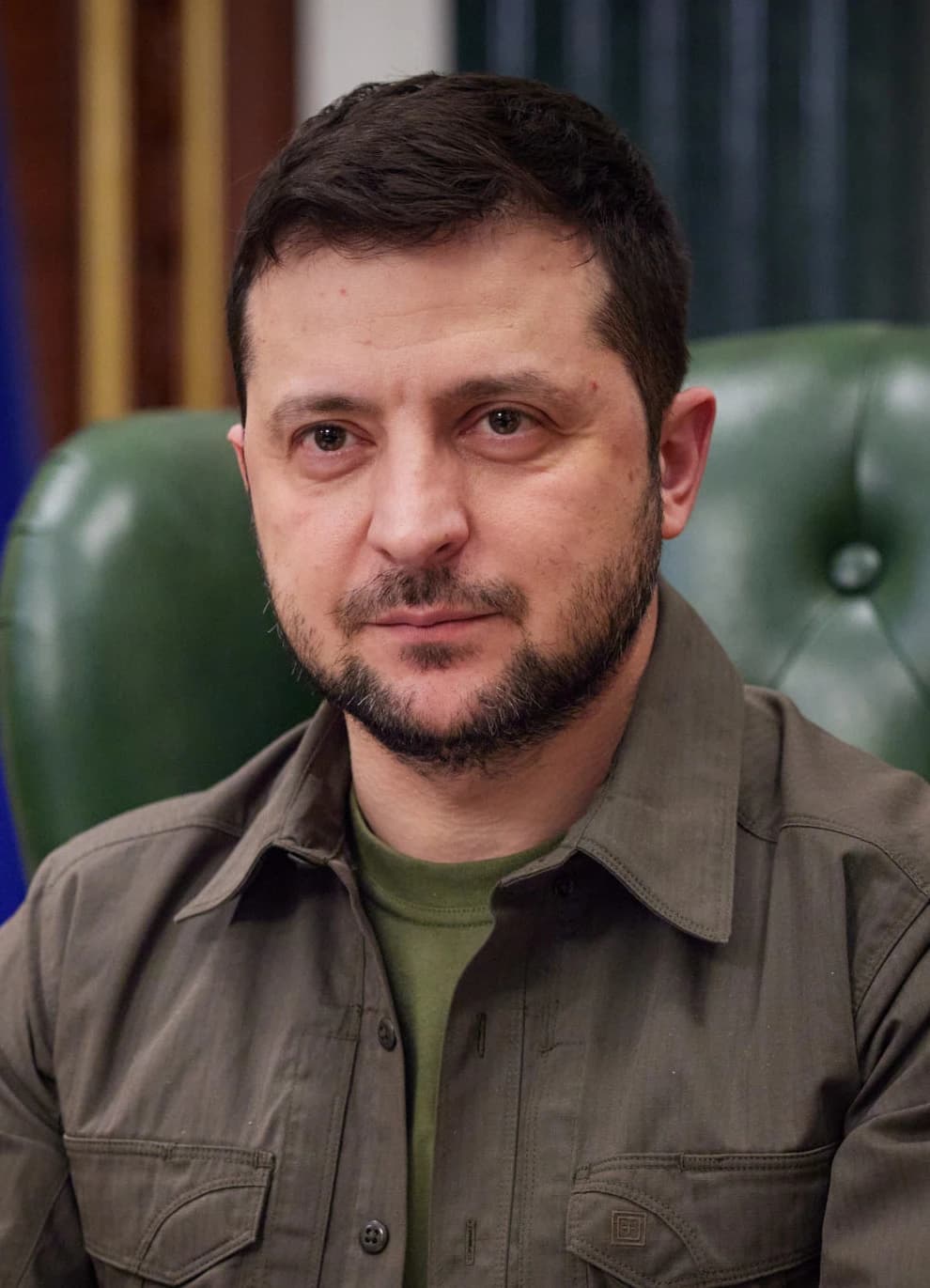
Ukrainian President Volodymyr Zelenskyy said Russia launched 289 drones overnight, while local authorities reported deadly strikes across the country, including in Zaporizhzhia, Kharkiv and Dnipropetrovsk. In one of the most sobering details, a strike on a medical facility in Kharkiv wounded 25 people and forced around 200 patients to evacuate. Ukraine’s military also warned of ballistic missiles heading toward multiple regions, including Kyiv.
The timing is what makes this more than just another battlefield update. US special envoy Steve Witkoff said Washington-led working-level negotiations between Russia and Ukraine are set to resume on Nov. 10-11 in Abu Dhabi. For markets, that creates a familiar but difficult tension: diplomacy may lower the geopolitical premium if it gains traction, but each new strike makes a breakthrough look farther away.
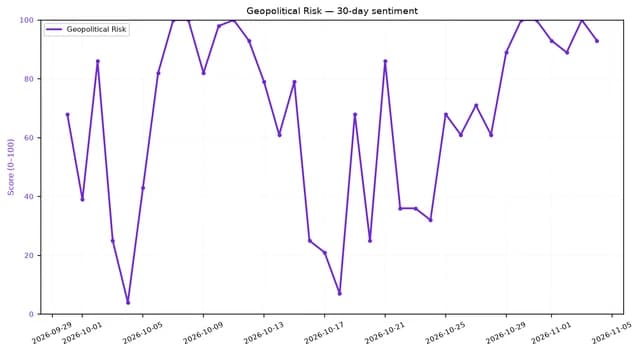
European investors have seen this movie before. Energy infrastructure remains exposed, transport routes across the Black Sea remain vulnerable and defense budgets across the continent are likely to stay elevated. Poland’s decision to activate air defenses after the latest attacks is another reminder that the conflict has already become a regional security issue, not just a bilateral one.
For long-term investors, the big takeaway is not to chase every headline, but to recognize the durable second-order effects. Defense contractors, cybersecurity firms, energy producers and infrastructure rebuilders may continue to benefit from a Europe that is forced to spend more on resilience. On the other side, airlines, utilities and broader risk assets can be jolted whenever the fighting intensifies.
The market message is simple: even with fresh peace talks on the calendar, the war economy is still very much alive. Until diplomacy produces something concrete, investors should treat ceasefire hopes with caution and keep a close eye on sectors that benefit from higher security spending and prolonged reconstruction demand.
| Entity | Gains | Losses |
|---|---|---|
| Defense contractors | ▲Higher procurement demand | ▼Peace dividend hopes |
| Energy and infrastructure firms | ▲Rebuild and resilience spending | ▼Strike-related disruption |
| European security markets | ▲Elevated strategic relevance | ▼Higher geopolitical risk |
| Ukraine and civilians | ▲Humanitarian aid attention | ▼Lives, property, stability |