Ukraine’s next diplomatic phase will test whether talks can move from battlefield management to a wider settlement framework, with President Volodymyr Zelensky saying meetings with NATO, the United States and Europe in Brussels on Nov. 4 will focus on security guarantees, recovery packages and critical infrastructure, before U.S.-Ukraine-Russia teams convene in the UAE on Nov. 10-11.
Ukraine talks in Brussels and UAE on security guarantees
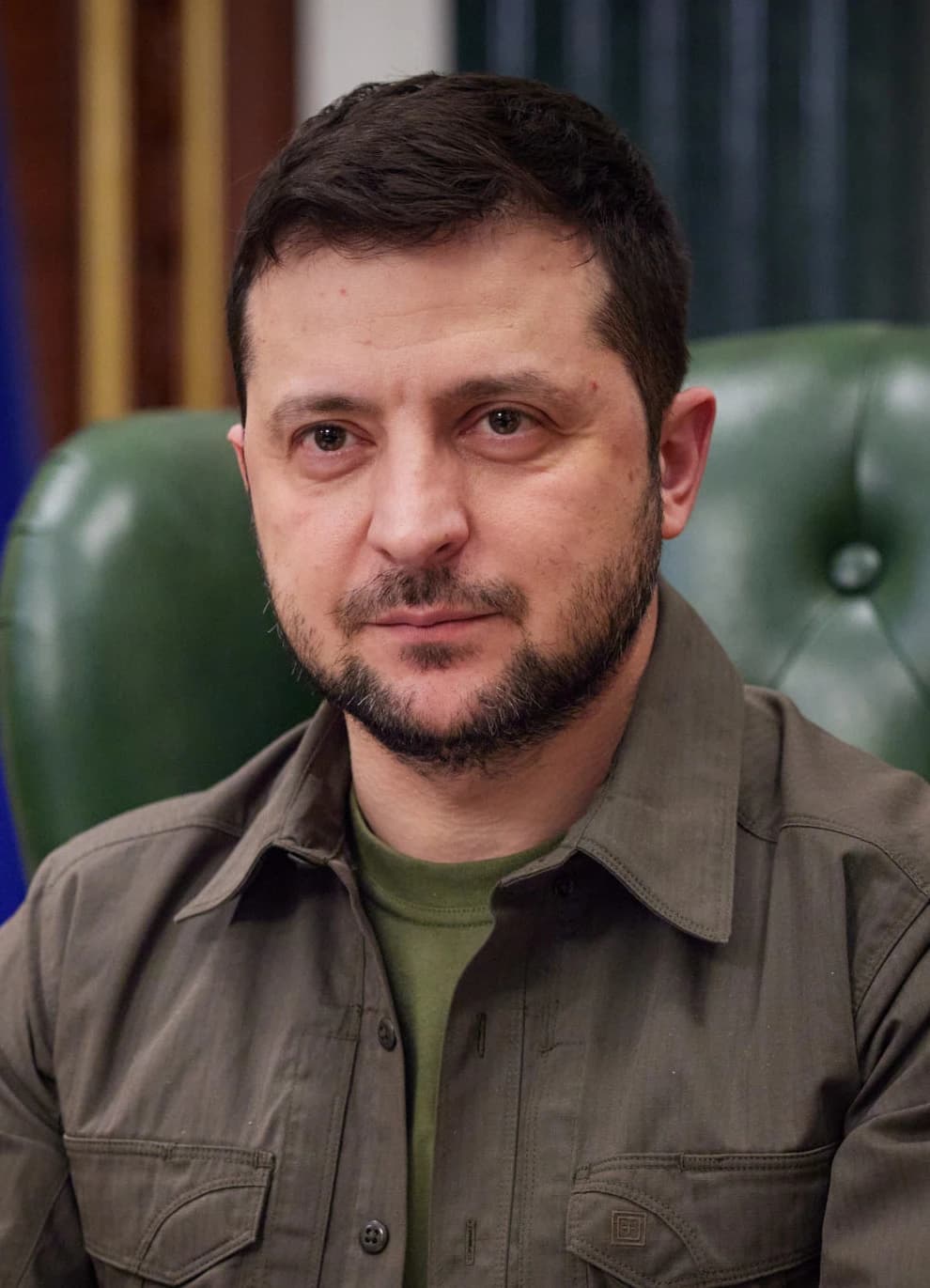
The sequence matters because it suggests the diplomatic center of gravity is shifting back to the security architecture that would have to underpin any durable ceasefire. For markets, that raises the odds of a longer negotiation process rather than an immediate end to the war, but it also keeps open the possibility of de-escalation in energy, shipping and reconstruction spending if even limited progress emerges.
Sentiment Indicators
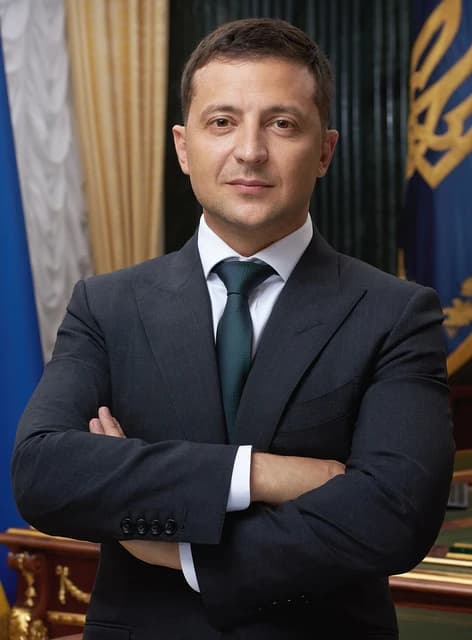
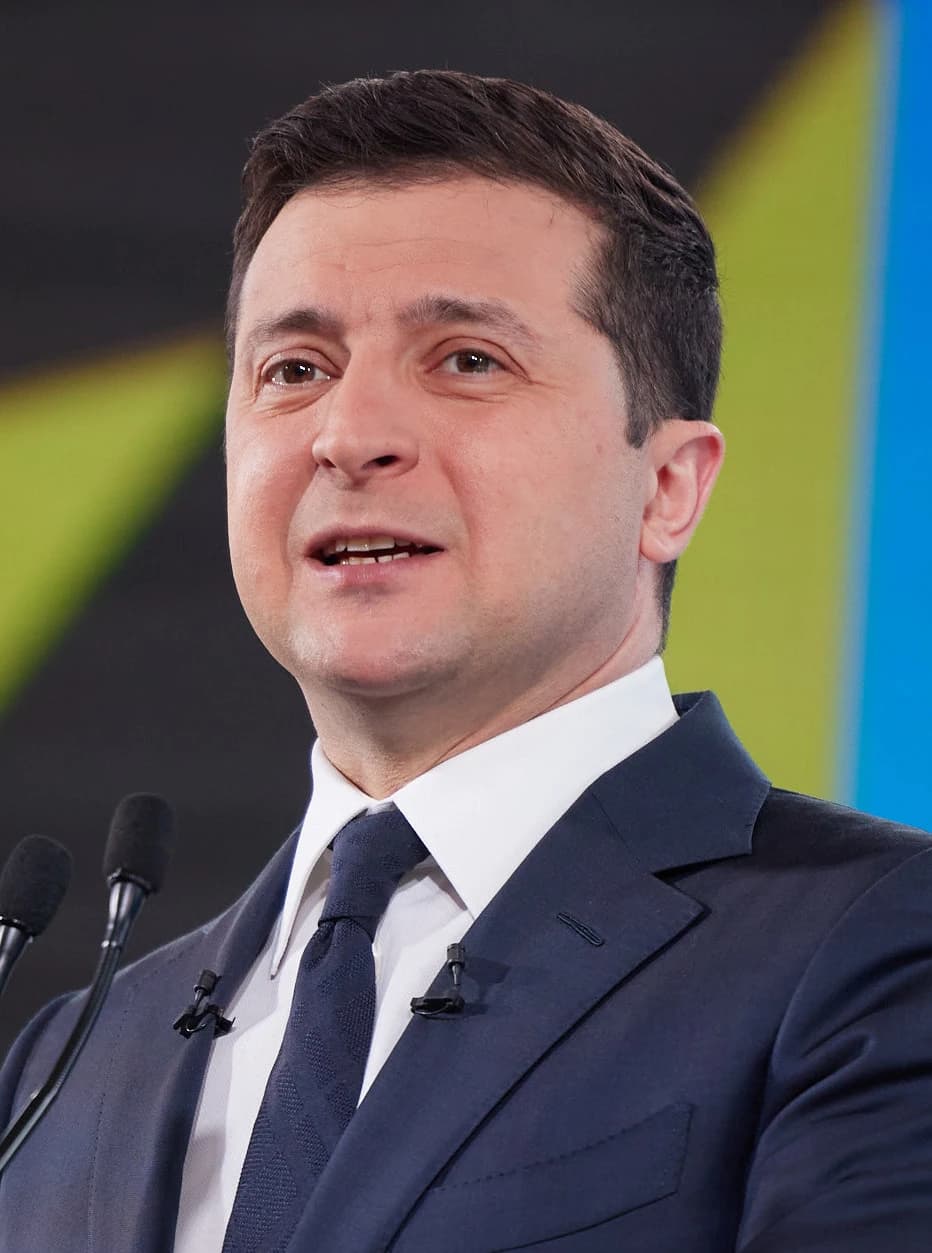
Zelensky said the Brussels meeting will bring together representatives from Ukraine, the U.S., NATO and Europe, after an earlier plan was delayed when the American side changed its schedule. He framed the Abu Dhabi talks as the first round in months between the three countries’ teams and said he hoped they could open the way to a leaders’ summit, ideally with European involvement.
The agenda is economically significant because it goes beyond diplomacy in the abstract. Ukraine wants the talks to address energy infrastructure, a halt in attacks, Black Sea grain shipments, prisoner exchanges and the structure of eventual security guarantees. Those are the issues that determine whether the conflict continues to drain resources, disrupt trade and keep Europe’s defense bill elevated.
Geopolitical Risk — 30-day sentimentadalytica.com
Explore this data interactively — full history, time series and cross-market comparisons.
Geopolitical Risk
The mention of a “recovery package” is also relevant for investors because it points to a possible financial framework for postwar rebuilding. That would have implications not only for Ukraine’s funding needs, but also for contractors, lenders, insurers and suppliers tied to infrastructure, utilities and logistics in Europe.
The talks also arrive against a fragile military backdrop. Moscow has not signaled an end to operations during negotiations, and the broader process remains vulnerable to escalation. That makes any near-term market read-through limited: the best-case scenario is a gradual reduction in geopolitical risk; the bear case is another round of talks that fails to stop fighting and only prolongs uncertainty.
Defense stocks have already been trading against that uncertain backdrop. Lockheed Martin, Northrop Grumman and RTX all remain above their 50-day moving averages, but recent swings show how quickly sentiment can shift as traders weigh the chance of a diplomatic thaw against the reality that security spending is likely to stay high for longer. For defense contractors, that means any peace process may reduce the urgency of war-related headlines without immediately changing order books, especially if Europe and NATO conclude that guarantees and replenishment still require sustained procurement.
Adalytica’s Global Stability Sentiment gauge remains in “Extreme Greed,” underscoring how sensitive markets are to any hint of conflict de-escalation, even as the underlying outlook is still cautious. For investors, the key question is not whether talks happen, but whether they produce a credible security framework that changes the fiscal and strategic calculus for Europe, Ukraine and the arms makers supplying both.
| Entity | Gains | Losses |
|---|---|---|
| Ukraine | ▲security guarantees push | ▼war-time uncertainty |
| U.S., NATO, Europe | ▲leverage in talks | ▼continued escalation risk |
| Defense contractors | ▲elevated replacement demand | ▼ceasefire-driven order slowdown |
| Shipping and reconstruction sectors | ▲eventual reopening upside | ▼ongoing war disruption |