The Kremlin has opened the door to a direct Putin-Zelensky call, a small but potentially consequential diplomatic move that could shape the next phase of the war and the market’s appetite for European risk.
Kremlin Open to Putin-Zelensky Call on Talks
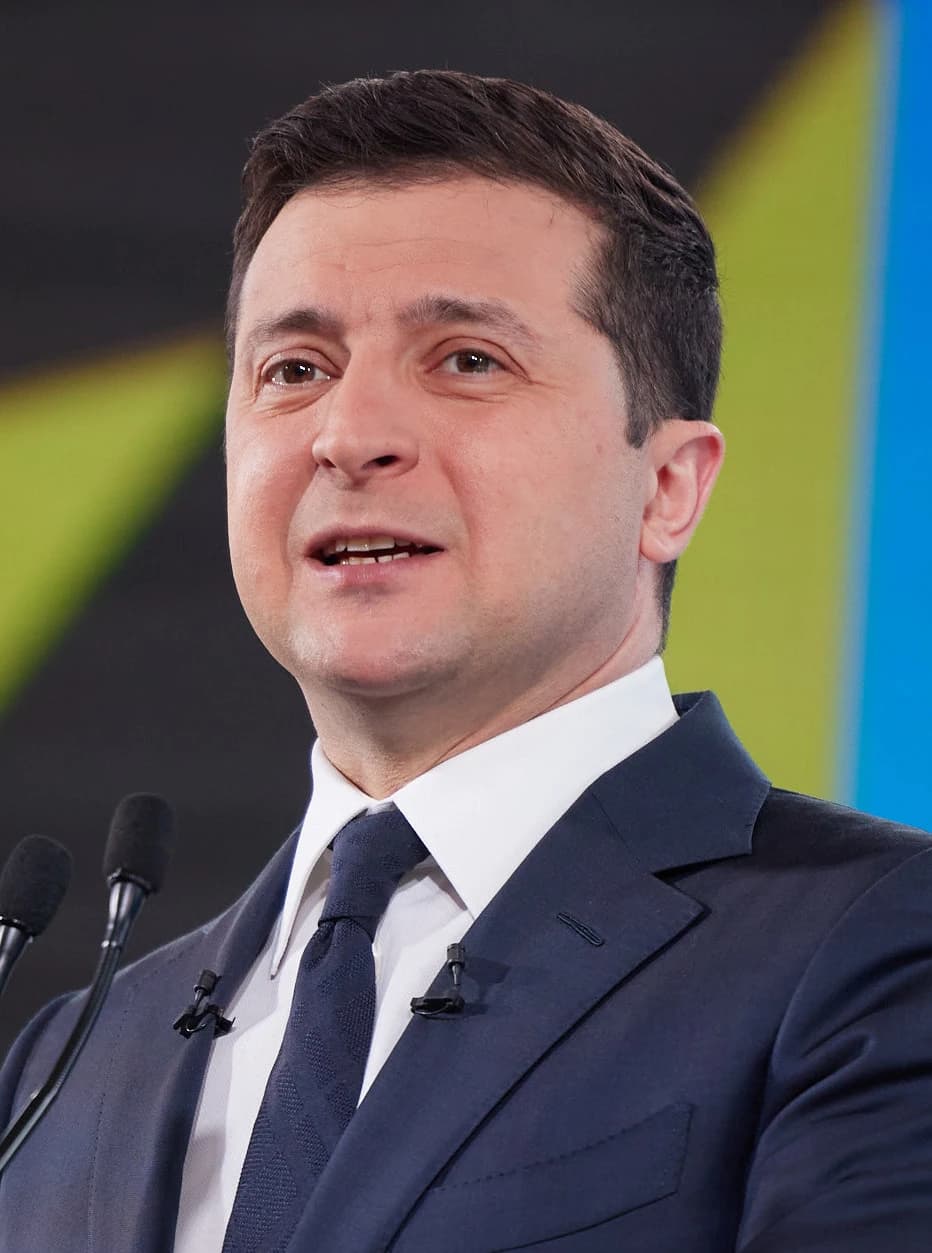
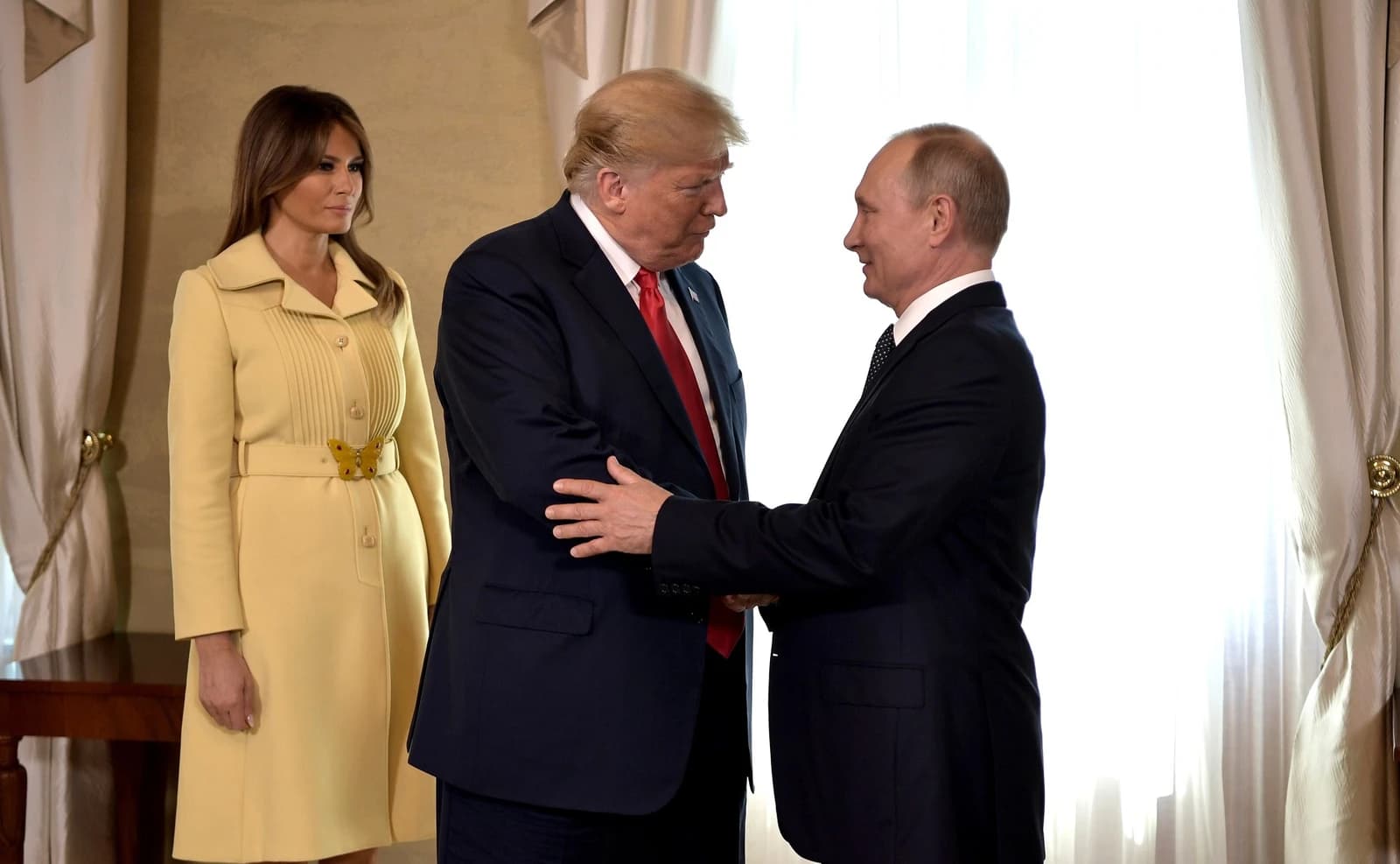
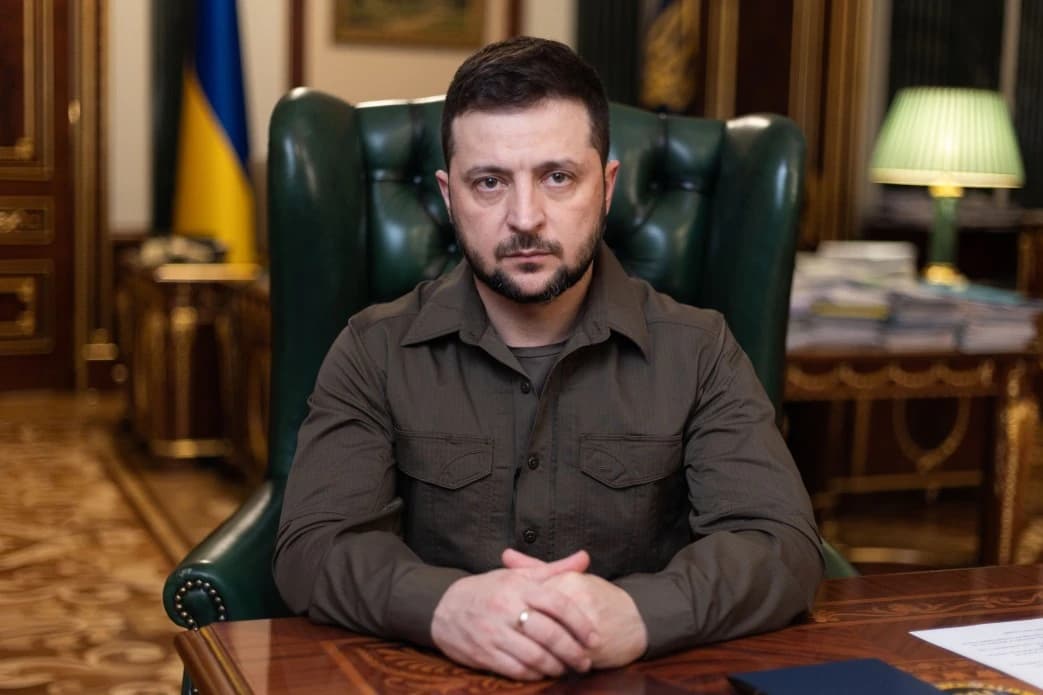
Kremlin aide Yuri Ushakov said Vladimir Putin would “of course” answer if Ukraine’s president phoned, and added that Zelensky is welcome in Moscow if he wants to negotiate in person. The comments matter because they point to a possible leader-level channel at a time when Kyiv is pressing for direct talks on the most difficult issues, including territory, while lower-level delegations remain stuck on technical matters.
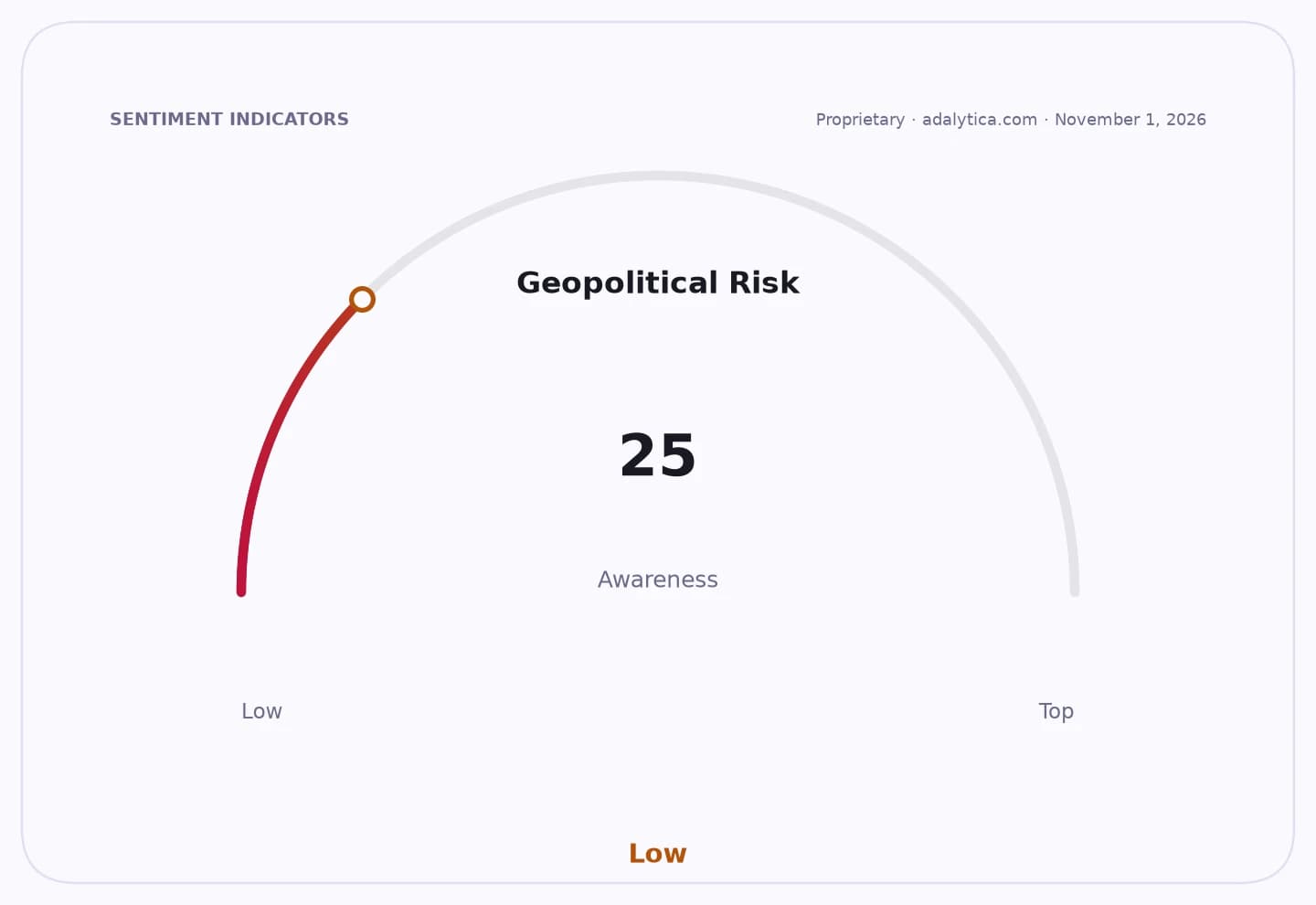
Sentiment Indicators
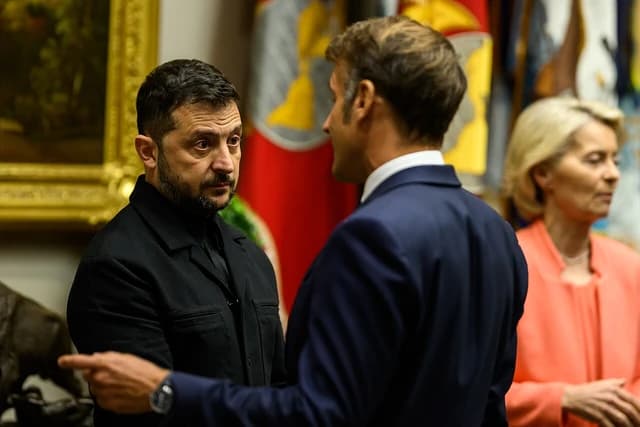
For investors, the significance is not that peace is imminent. It is that any credible opening in diplomacy can quickly ripple through energy, defense, grain, shipping and European assets. The war has been a persistent premium on everything from gas prices to military spending to sovereign risk in eastern Europe. Even a faint prospect of negotiations can pressure oil and gas benchmarks, tighten credit spreads in the region and shift flows into European equities, particularly sectors most exposed to lower defense urgency and lower input-cost pressure.
Ukraine’s foreign minister, Andrii Sybiha, said Kyiv is ready for direct leader-to-leader talks and sees such a meeting as a prerequisite for breaking the deadlock. That framing underscores the core problem: working-level discussions can handle prisoner exchanges, civilian protections and confidence-building measures, but any settlement touching borders or sovereignty still requires the two presidents in the room.
The market takeaway is that this is a geopolitical optionality trade, not a peace deal. The Kremlin’s signal may be tactical, designed to project flexibility while keeping Moscow in control of the venue and terms. But when war-risk sentiment is already stretched, even symbolic progress can move prices fast. Adalytica’s Global Stability Sentiment gauge shows extreme greed at 93, suggesting the market is already leaning toward calmer global conditions, while awareness remains in extreme fear at 14, a combination that often leaves investors underprepared for a sharp narrative shift.
The asymmetry is clear: any real diplomatic thaw would reward Europe-sensitive assets, transport and industrial names, and firms exposed to lower energy costs, while defense, LNG and war-premium trades could lose some momentum. If the contact develops into a scheduled summit, investors should expect fast repricing across commodities and regional equities. If it stalls, the old war trade stays intact. Either way, the next move in this conflict is now more about diplomacy than battlefield headlines, and that is exactly when positioning matters.
| Entity | Gains | Losses |
|---|---|---|
| Europe-sensitive equities | ▲Lower risk premium | ▼War-related volatility |
| Energy consumers | ▲Cheaper input costs | ▼Less support from gas prices |
| Defense stocks | ▲— | ▼Lower urgency narrative |
| LNG and oil bulls | ▲— | ▼Easing geopolitical premium |