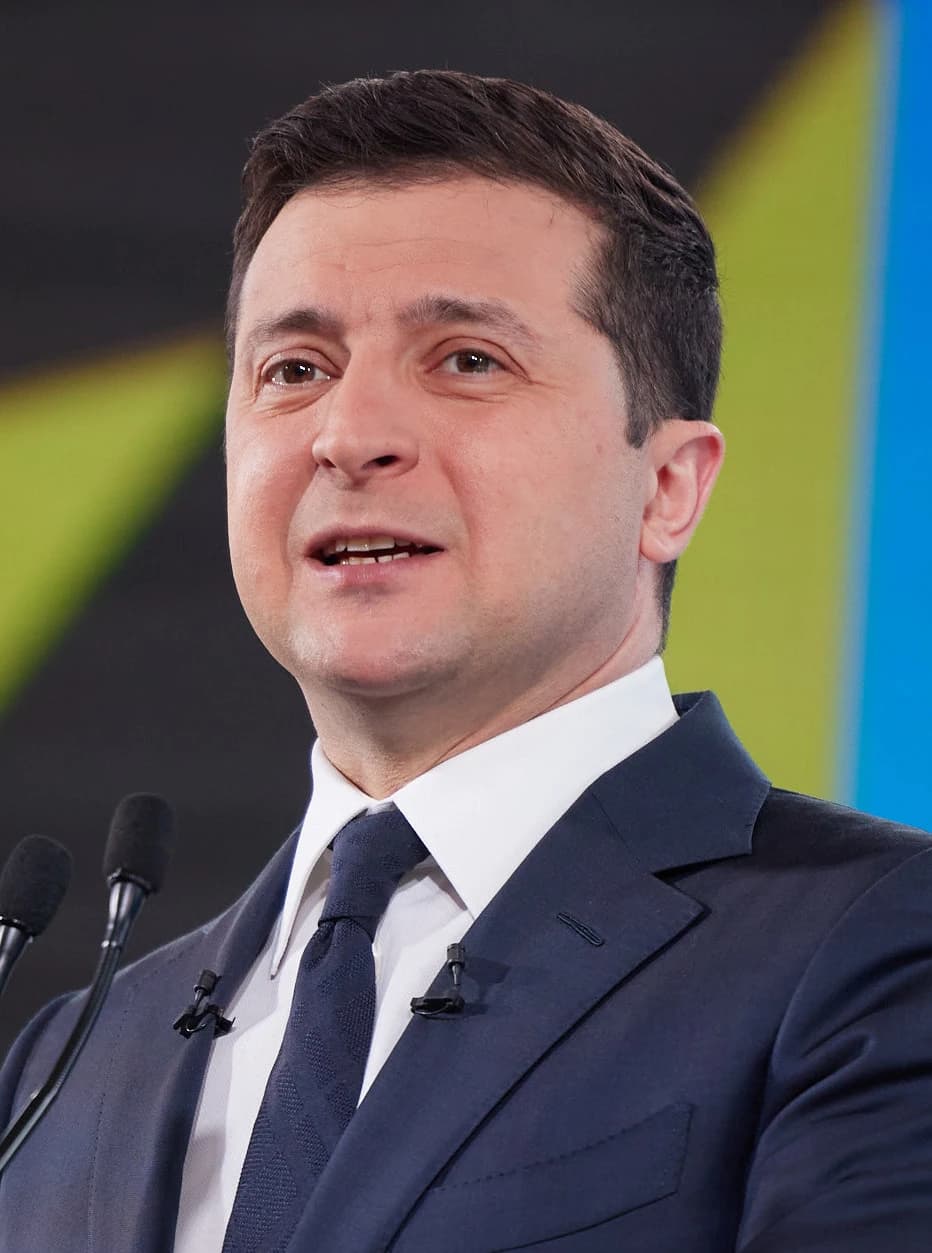
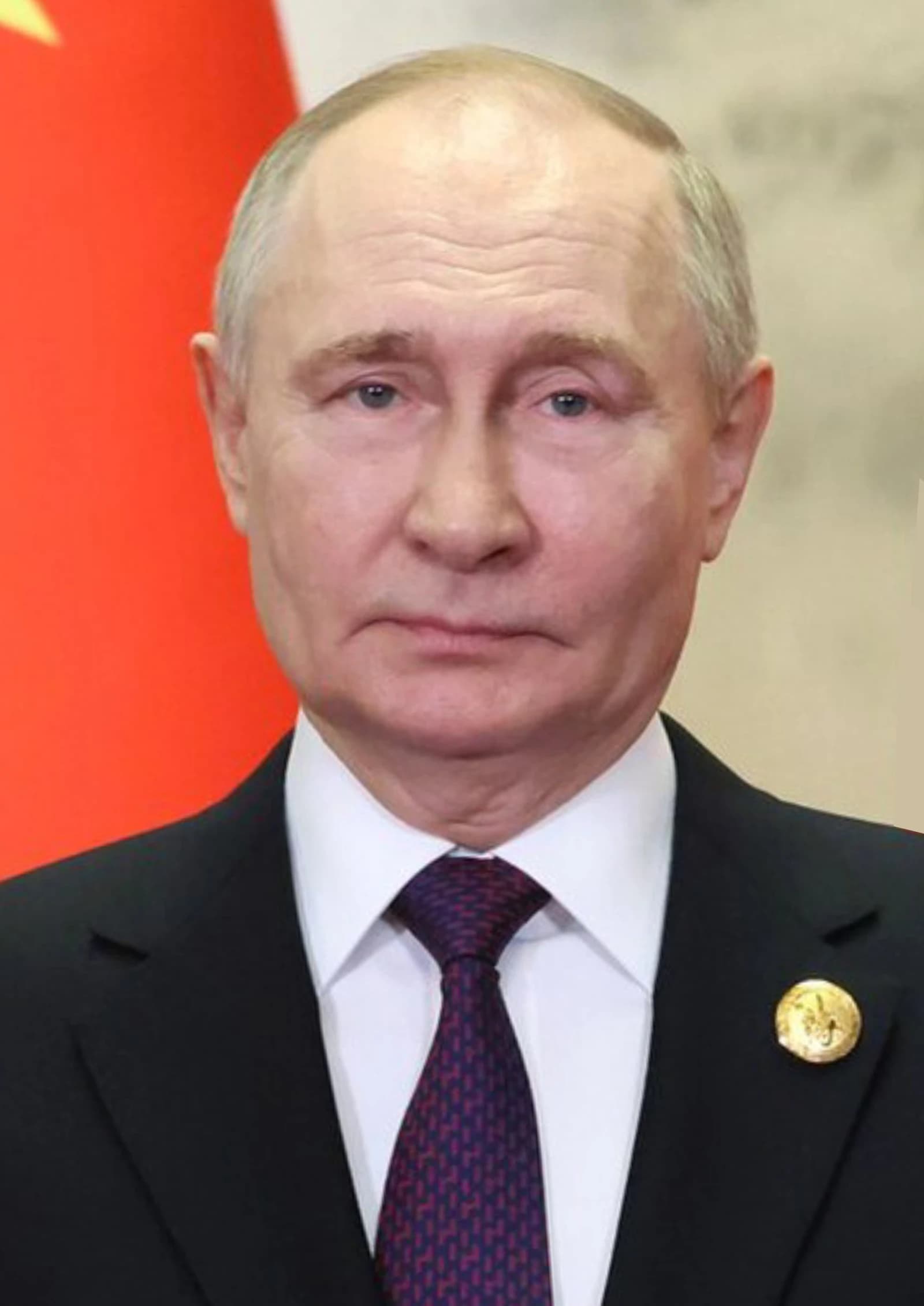
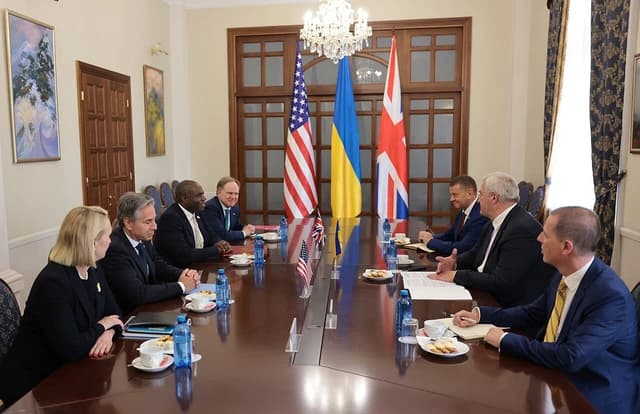
Ukraine, the United States and Russia have agreed to hold trilateral talks in November, a rare diplomatic opening that could shape the trajectory of the war and the market pricing of geopolitical risk in Europe.
Ukraine, US and Russia plan November trilateral talks

For investors, the immediate significance is not a peace breakthrough but a shift in the probability distribution: a structured negotiating channel now exists, while Washington has also restored full intelligence sharing and removed prior speed limits on Starlink and Starshield in Ukraine. Together, those moves improve Kyiv’s battlefield resilience and raise the possibility that diplomacy and military support will move in parallel rather than as substitutes.
Sentiment Indicators

President Volodymyr Zelenskyy said the talks would take place at the level of negotiating groups, with the venue still undecided and Abu Dhabi and European countries under consideration. Ukraine wants European partners involved, which would broaden the diplomatic frame beyond a bilateral US-Russia discussion and make any eventual settlement harder to shape without allied input.
The restoration of US intelligence sharing matters because it underpins Ukraine’s ability to anticipate missile and drone attacks, coordinate air defenses and sustain command-and-control. Zelenskyy said Starlink and Starshield returned to full operation at 5:20 a.m. on Saturday, with connectivity tested at speeds of 420 km/h, far above the earlier limit of about 161 km/h. That is operationally important for mobile military communications and reflects Washington’s willingness to support Ukraine even as it probes a diplomatic route.
The unresolved issue is air defense. Zelenskyy said additional air-defense systems remain under discussion, suggesting the US is still calibrating how much military backing to pair with negotiations. That uncertainty keeps the war risk premium in place even as dialogue resumes.
Markets have repeatedly shown that any credible sign of de-escalation in the conflict can ease pressure on European risk assets and energy markets, while renewed tension tends to lift oil, defense and safe-haven demand. The current backdrop is mixed: geopolitical sentiment tracked by Adalytica’s Global Stability Sentiment remains at an extreme level, while WTI oil signals have moved only to neutral, implying traders are not yet pricing a decisive shift in supply risk.
For defense investors, the talks introduce a potential medium-term headwind if diplomacy reduces demand for fresh procurement, but that risk is limited for now because hostilities continue and no ceasefire is on the table. Energy traders, meanwhile, will focus on whether the negotiations lower the odds of further infrastructure strikes or sanctions escalation. If talks stall, the market is likely to revert quickly to the familiar pattern of conflict-driven volatility.
The key question now is whether November becomes the start of a real negotiation track or just another pause in a war that remains active on the ground. Until there is evidence of a ceasefire framework, investors should treat the announcement as a modest de-risking event rather than a regime change.
| Entity | Gains | Losses |
|---|---|---|
| Ukraine | ▲Better battlefield support | ▼Less urgency leverage |
| US diplomats | ▲Negotiating channel | ▼Higher policy complexity |
| Russia | ▲Diplomatic opening | ▼Pressure to justify war aims |
| Defense and energy bulls | ▲Ongoing conflict premium | ▼De-escalation upside |