Russia’s decision to put at least 11 strategic bombers in the air is the clearest sign yet that another large missile assault on Ukraine may be imminent, and markets are already treating the war as a fresh reminder that energy and defense remain the conflict’s most investable themes.
Russia strategic bombers raise Ukraine strike risk
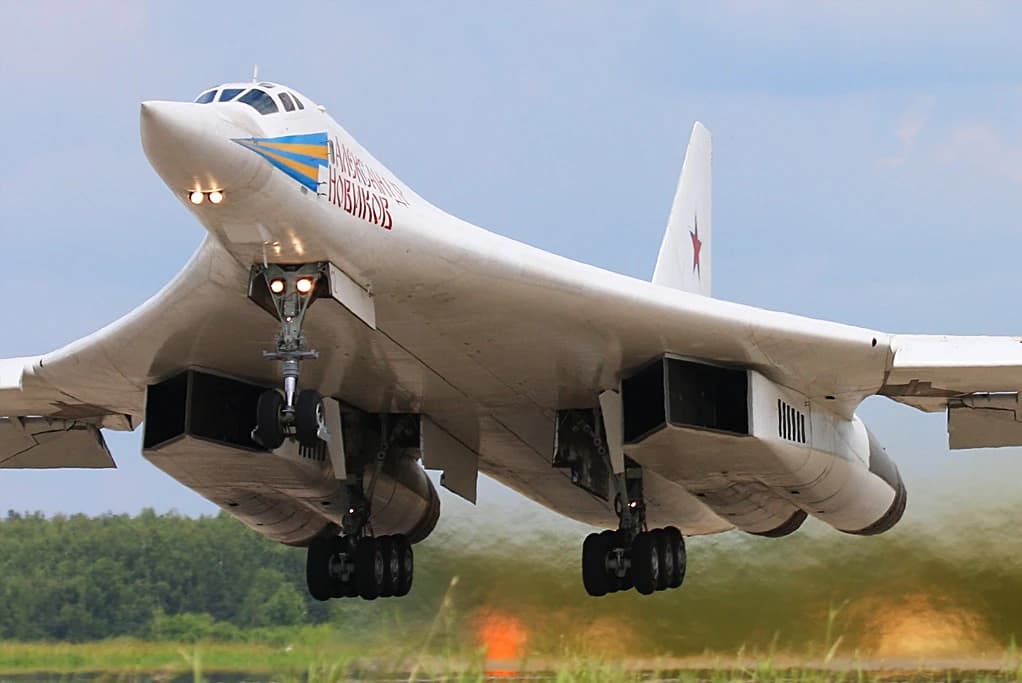
The immediate significance is military, but the economic implications go well beyond the battlefield. A mass launch of seven Tu-95MS bombers and four Tu-160s increases the odds of another wave of cruise missile strikes on Ukrainian infrastructure, the kind of attacks that can disrupt power grids, transport links and industrial activity. For investors, that matters because every escalation keeps pressure on European energy security, reinforces demand for defense spending and adds another layer of geopolitical risk to already fragile global markets.
Sentiment Indicators
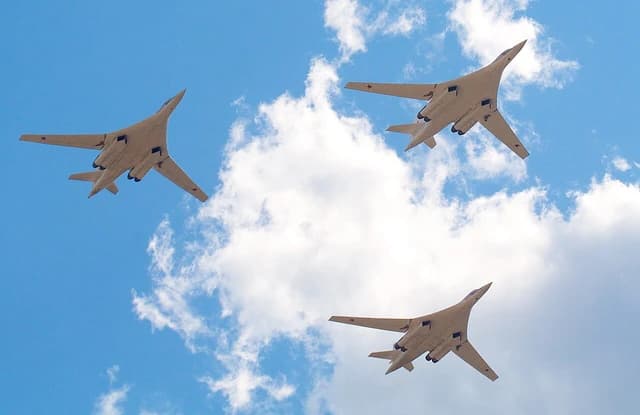
Monitoring channels said the aircraft could be heading toward possible launch positions near Engels or the Caspian Sea, with missiles potentially entering Ukrainian airspace several hours later. Those timings were only estimates, and there was no official confirmation of combat launches. Still, the scale of the sortie is enough to keep air-raid alerts high and to underscore how quickly the conflict can intensify.
That is why the market response tends to be less about the headline itself and more about the broader regime it reinforces. Defense contractors benefit when governments conclude the security environment is deteriorating and budget commitments need to rise. That helps explain why investors have continued to favor major names tied to missiles, air defense and surveillance systems, even as the conflict drags on. Companies such as Lockheed Martin, Northrop Grumman and RTX have repeatedly framed Ukraine, the Middle East and other flashpoints as supporting global demand for their products.
Energy is the other obvious channel. Russian air operations do not directly move oil prices by themselves, but they add to the geopolitical premium already embedded in crude and refined products. That is one reason the energy sector has stayed in focus, with exchange-traded funds like XLE and upstream drillers such as OIH’s components often supported whenever tension rises. A world where war risks remain elevated is a world where supply disruptions, shipping insurance costs and emergency stockpiling never fully leave the conversation.
Bond markets and safe havens also tell the story. The long Treasury ETF TLT has been drawing strong investor attention as traders seek protection from headline risk, while the dollar often catches a bid when conflict uncertainty rises. That pattern reflects a simple truth: in moments like this, capital tends to move toward liquidity, defense and defensiveness, not cyclicality.
For long-term investors, the lesson is not to trade every air-raid warning. It is to recognize which businesses benefit from a world that is becoming less predictable. Geopolitical shocks can be brutal for civilians and disruptive for economies, but they also tend to reinforce the durability of defense demand, strategic energy assets and broad diversification. If you own those themes, this is a reminder to stay patient and keep a years-long horizon. If you do not, this is a good time to add them to your watchlist rather than try to time the next headline.
| Entity | Gains | Losses |
|---|---|---|
| Defense contractors | ▲Higher demand for missile and air-defense systems | ▼Budget pressure if conflict eases |
| Energy producers | ▲Geopolitical risk premium | ▼Refiners and consumers facing higher costs |
| Safe-haven assets | ▲Flight-to-quality buying | ▼Risk assets sensitive to war headlines |
| Ukraine | ▲More international attention and aid urgency | ▼Civilian infrastructure and economic activity |