The United States is moving to bring Ukraine and Russia into peace talks in Abu Dhabi, a diplomatic opening that matters because any credible path to a ceasefire could reset energy prices, defense spending expectations and Europe’s post-war investment map.
US Pushes Ukraine Russia Peace Talks in Abu Dhabi
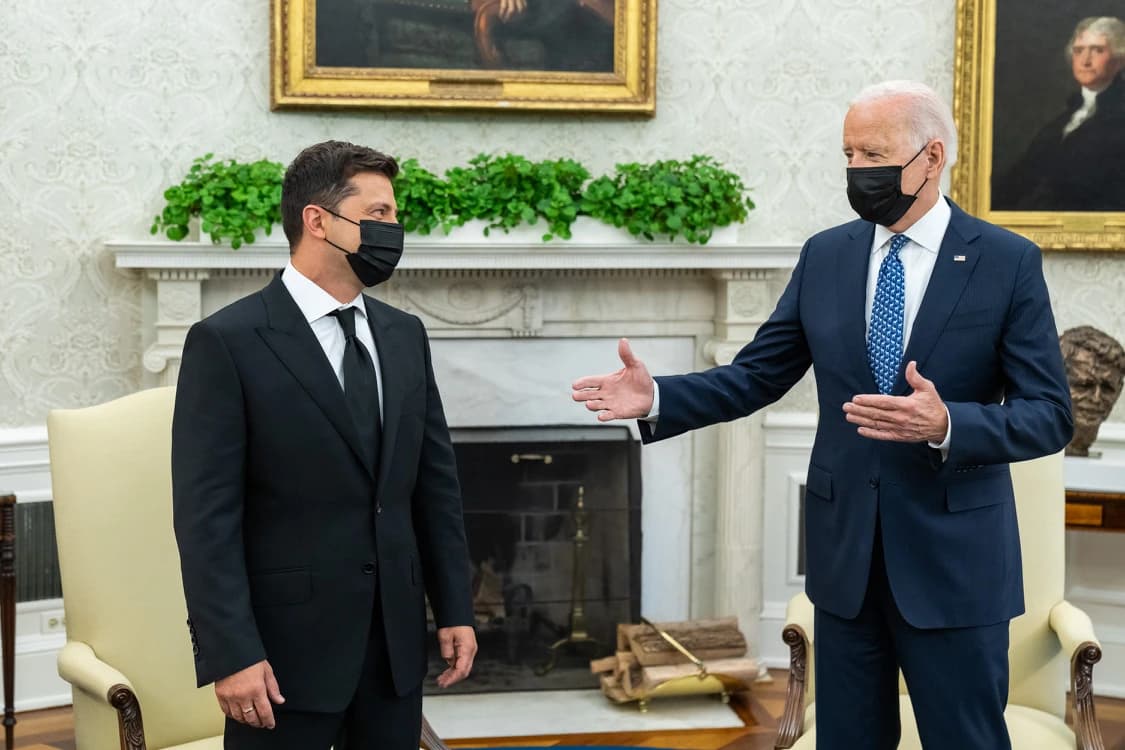
For markets, the key issue is not whether a deal is imminent — the fighting remains brutal, with Russia striking a school used as an aid distribution point in southeastern Ukraine and killing 26 people — but whether Washington has created the first serious channel in months for de-escalation. US envoy Steve Witkoff said the discussions this week will cover “post-war security agreements, de-escalation, humanitarian measures, and ending the war,” while separate talks in Brussels will focus on security guarantees for Ukraine, Europe’s post-war security architecture and financing Ukraine’s reconstruction.
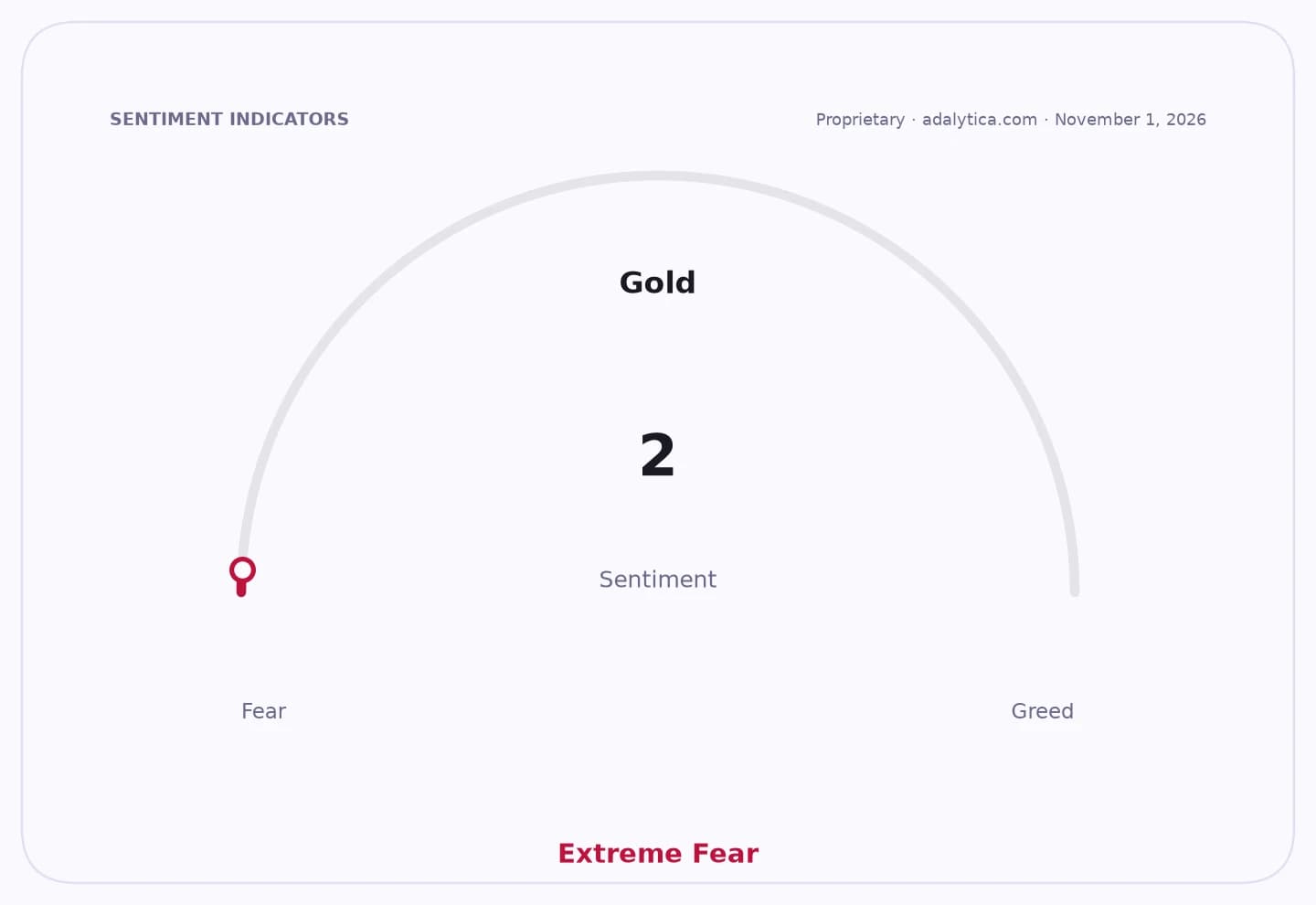
Sentiment Indicators
Geopolitical Risk
That mix is exactly why investors should care. A durable peace process would pressure the war premium embedded in crude, support European risk assets and eventually shift capital from military procurement into rebuilding energy grids, transport links and industrial infrastructure. The market is already showing how sensitive it is to geopolitical swings: US oil ETF USO jumped as high as 168.83 before easing back to 158.17, while gold proxy GLD remains elevated near 359.26 even after a pullback, reflecting continued demand for hedges. Conventional technical indicators also show those trades are stretched rather than settled — USO’s 50-day moving average sits well below the latest price, while GLD’s RSI has cooled from overbought levels, suggesting both markets are still trading on headline risk rather than fundamentals.
The broader backdrop is more important than the daily tape. The United States is trying to build a security framework that extends beyond a pause in fighting, which means any eventual settlement would likely be tied to Europe’s long-term defense posture and a massive reconstruction agenda. That is where the second-order winners emerge: engineering, power equipment, building materials, logistics and insurers could benefit from postwar rebuilding, while oil producers and defense names may lose some of the geopolitical bid that has supported valuations.
The complication is that diplomacy is colliding with battlefield reality. The Abu Dhabi meetings follow Putin’s agreement to a new round of trilateral talks after his meeting with Witkoff, but the fresh attack in Zaporizhzhia is a reminder that neither side has yet shown the discipline needed for a sustained ceasefire. That makes this less a peace dividend than a high-volatility setup: investors should watch for a relief rally in Europe, a drop in energy risk premia and a rotation into reconstruction plays if talks gain traction, but keep hedges in place until the bombing stops and security guarantees become real.
| Entity | Gains | Losses |
|---|---|---|
| Oil consumers | ▲Lower energy costs | ▼Less wartime supply risk premium |
| Oil producers | ▲Higher crude prices | ▼Falling geopolitical premium |
| Defense contractors | ▲Elevated security budgets | ▼Postwar spending normalization |
| Reconstruction stocks | ▲Ukraine rebuild demand | ▼Uncertainty if talks fail |