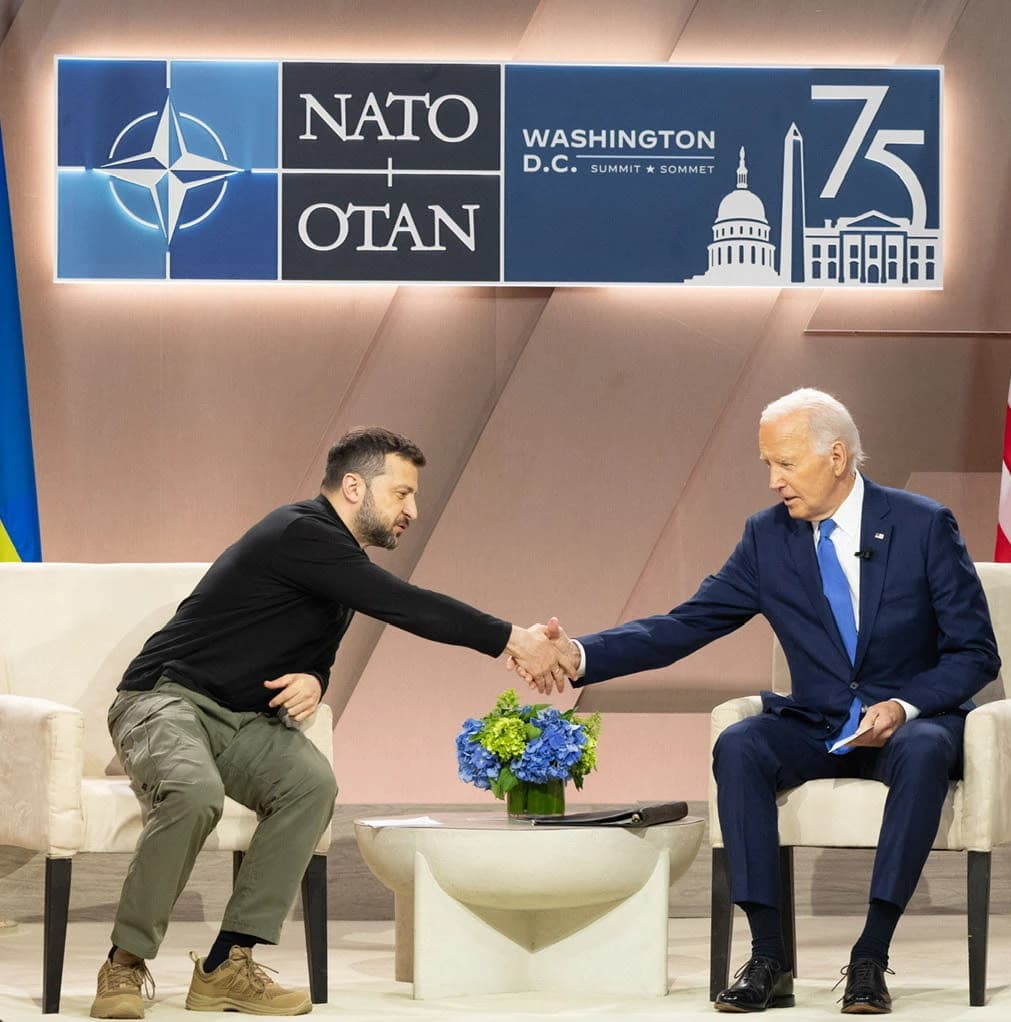
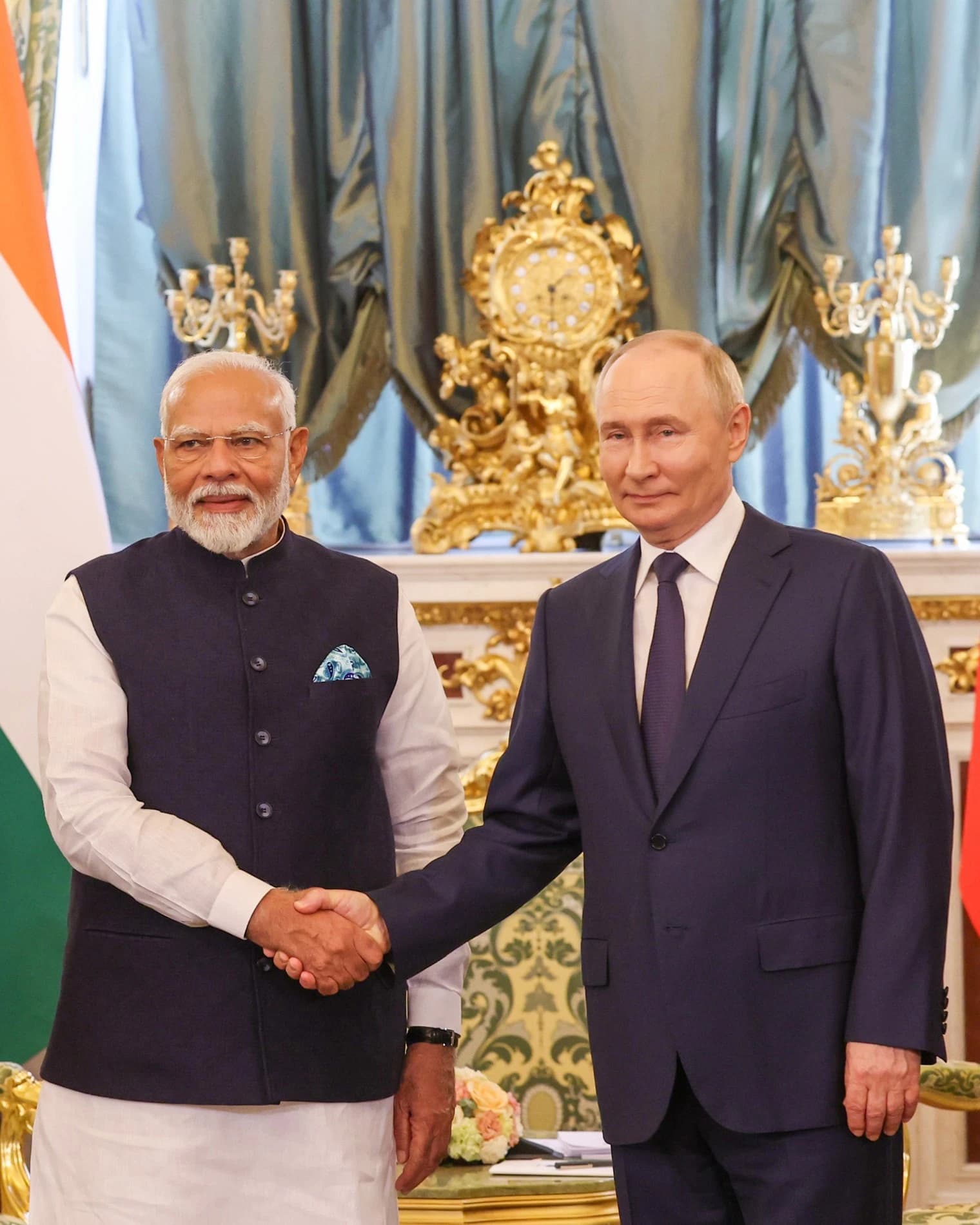
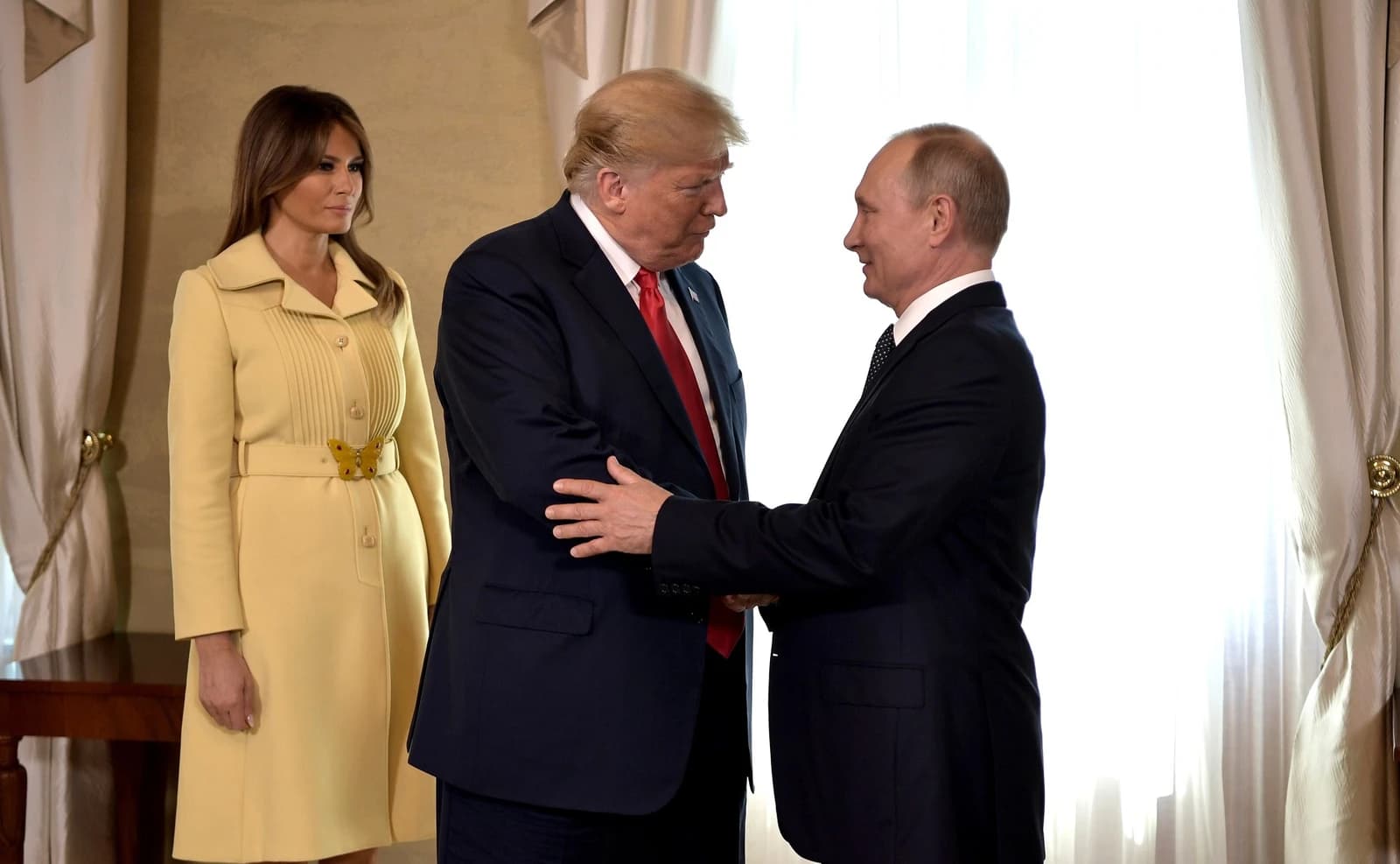
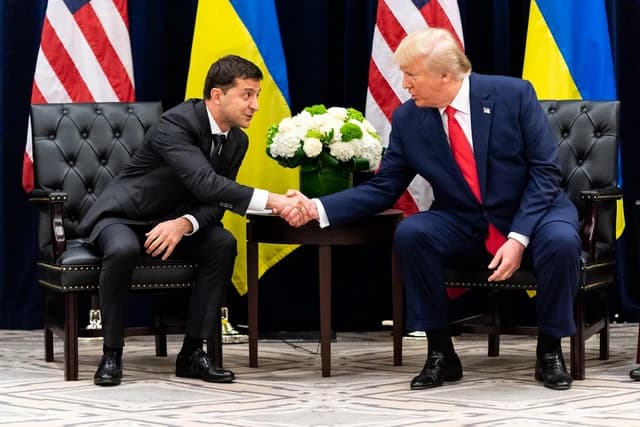
Volodymyr Zelensky said Ukraine has held talks with the United States and Russia in November, a sign that diplomacy around the war is active even as a comprehensive settlement remains distant.
Ukraine Holds Talks With U.S. and Russia in November
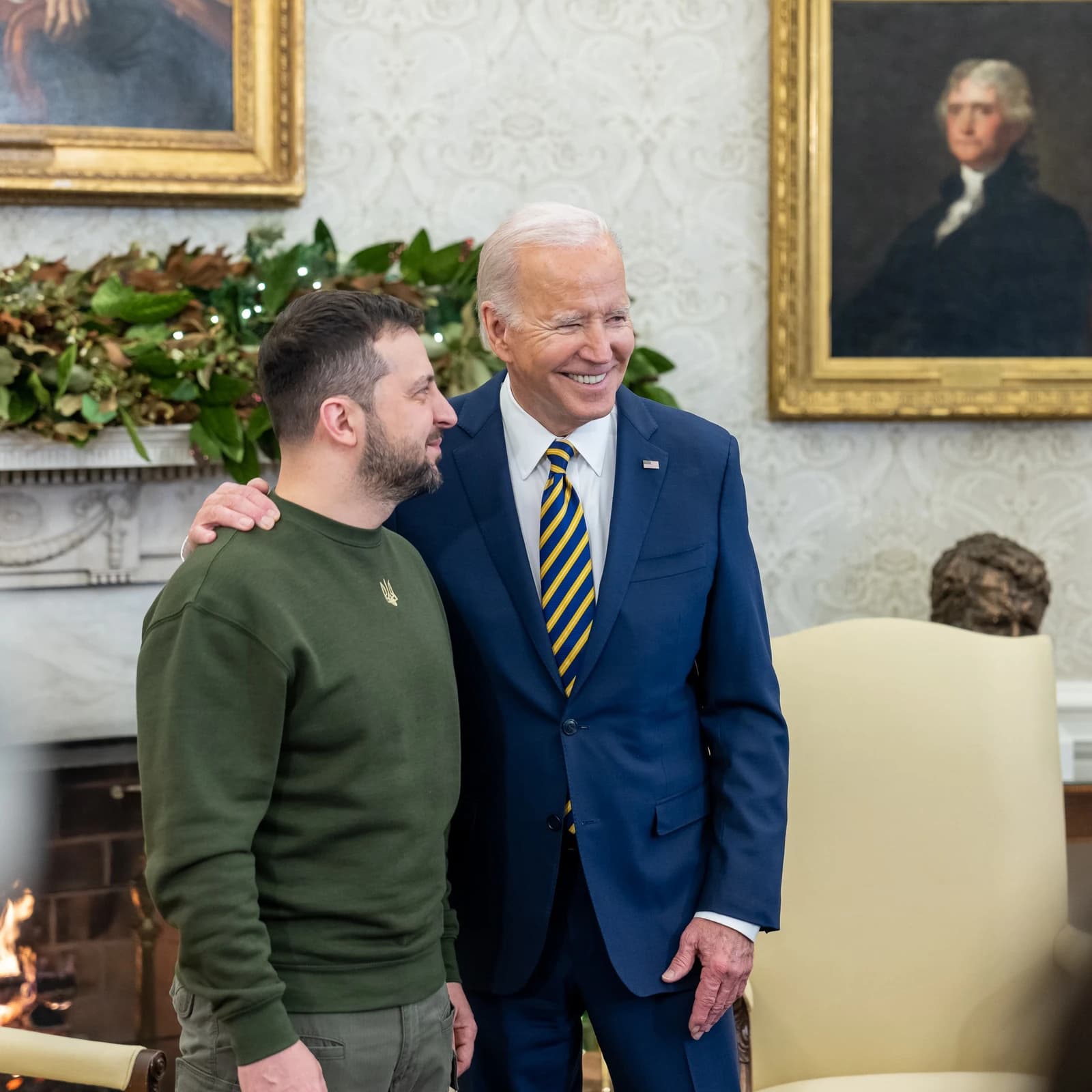
The Ukrainian president’s remarks matter because any direct or indirect channel involving Washington and Moscow raises the odds of a ceasefire framework, prisoner exchanges or limited de-escalation measures that could ease pressure on energy markets, European security spending and global risk sentiment. But the fact that the discussions are still being framed around leader-level territorial questions underscores how far apart the sides remain on the core issue that has kept the war going.
Sentiment Indicators

Zelensky said territorial matters would have to be handled at the level of leaders, effectively signaling that technical or lower-level talks are unlikely to resolve the most sensitive parts of any deal. That is consistent with the broader diplomatic pattern that has emerged in recent weeks: public optimism from U.S. political figures and Russian officials, but little evidence of a breakthrough that would command acceptance in Kyiv and among Ukraine’s European backers.
Markets have been watching the conflict through the lens of geopolitical risk rather than immediate peace pricing. Brent-linked oil products have been volatile on supply fears, while gold has recently shown classic safe-haven behavior. GLD, the largest gold-backed ETF, fell sharply to $355.78 on Oct. 30 from $373.51 two days earlier, with its 14-day RSI sliding to 26.5, a reading that typically points to a market that has become oversold after a fast move. That pullback has not removed the broader demand for hedges: Adalytica’s Global Stability Sentiment remains in “Extreme Greed” at 93, while awareness stays in “Extreme Fear” at 14, a combination that suggests investors still expect instability even as they chase risk.
Geopolitical Risk — 30-day sentimentadalytica.com
Explore this data interactively — full history, time series and cross-market comparisons.
Oil has also stayed elevated. USO, a crude ETF, closed at $168.83 on Oct. 30, well above its 50-day moving average of $150.09 and 200-day average of $123.98, with RSI at 77.0, another sign that energy prices remain bid despite episodic talk of diplomacy. A credible ceasefire path would likely weigh on oil and gold, ease some inflation anxiety and support European assets most exposed to the war premium. The opposite is also true: a stalled process would keep defense stocks, energy producers and haven assets better supported.
For investors, the key question is not whether talks are happening, but whether they can move beyond symbolism. A leader-level meeting over territory would be the first real test of whether the parties are prepared to trade battlefield positions for a durable political formula. Until then, markets are likely to treat peace headlines as a source of short-term volatility rather than a new base case.
| Entity | Gains | Losses |
|---|---|---|
| Ukraine and U.S. diplomats | ▲Diplomatic leverage | ▼Pressure for concessions |
| Russia | ▲Negotiating channel | ▼War premium if talks progress |
| Oil and defense stocks | ▲Geopolitical risk support | ▼Ceasefire-related selling |
| Gold and safe havens | ▲Conflict uncertainty demand | ▼De-escalation flows |