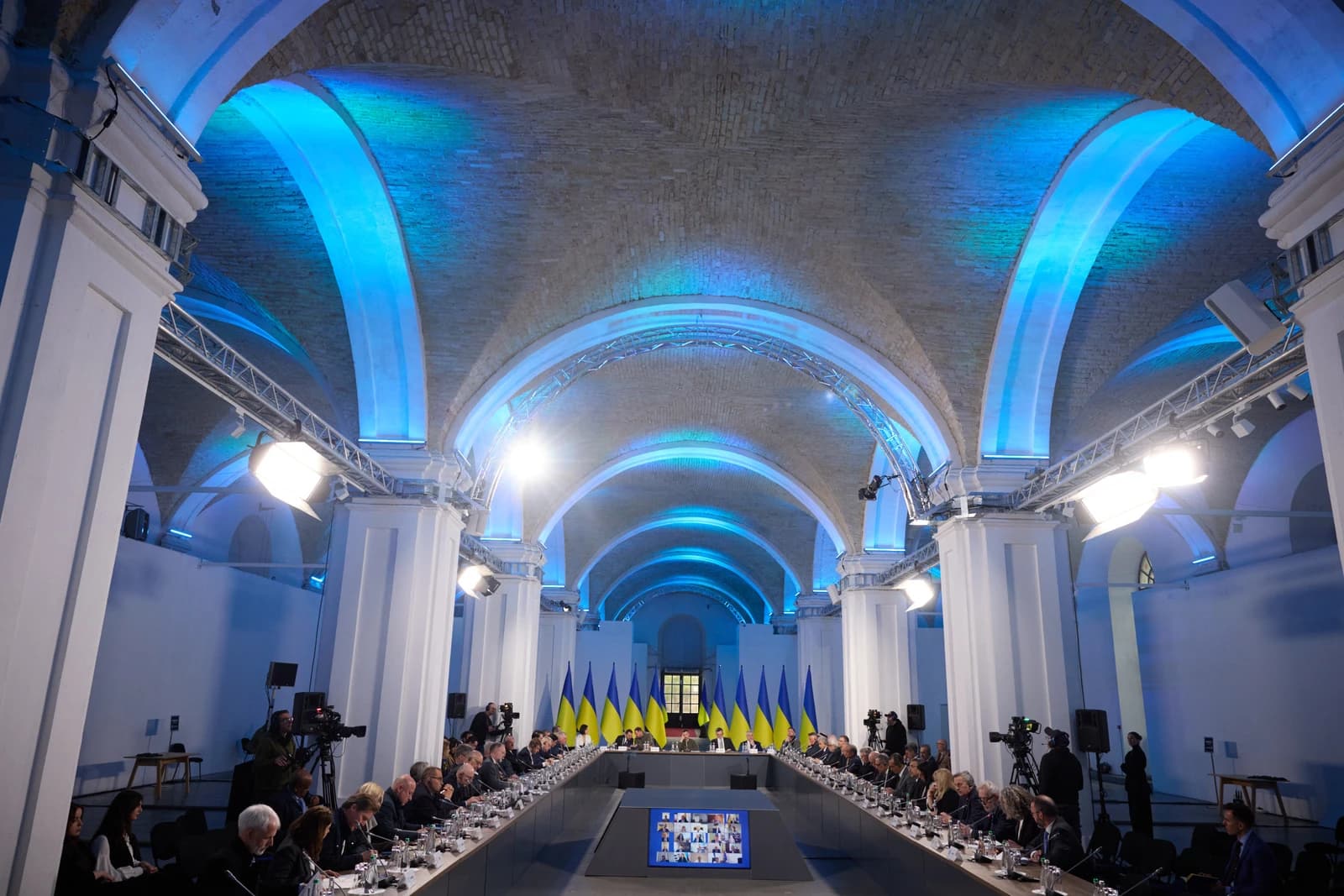
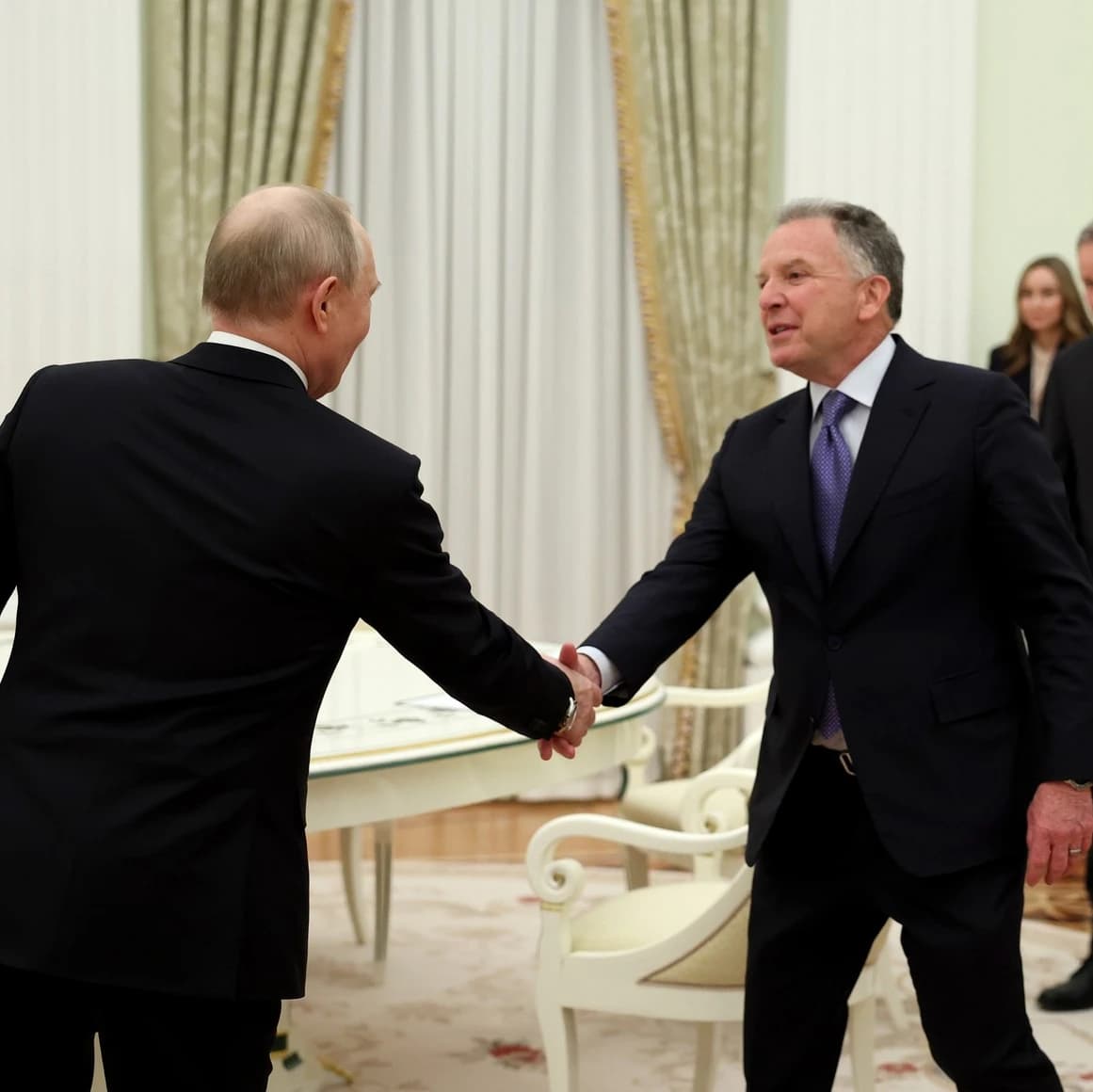
Ukraine is weighing a three-layer postwar security package that Kyiv says could help deter another Russian invasion, as President Volodymyr Zelenskyy waits for signals from Washington on the next stage of peace talks.
Ukraine weighs postwar security package in peace talks
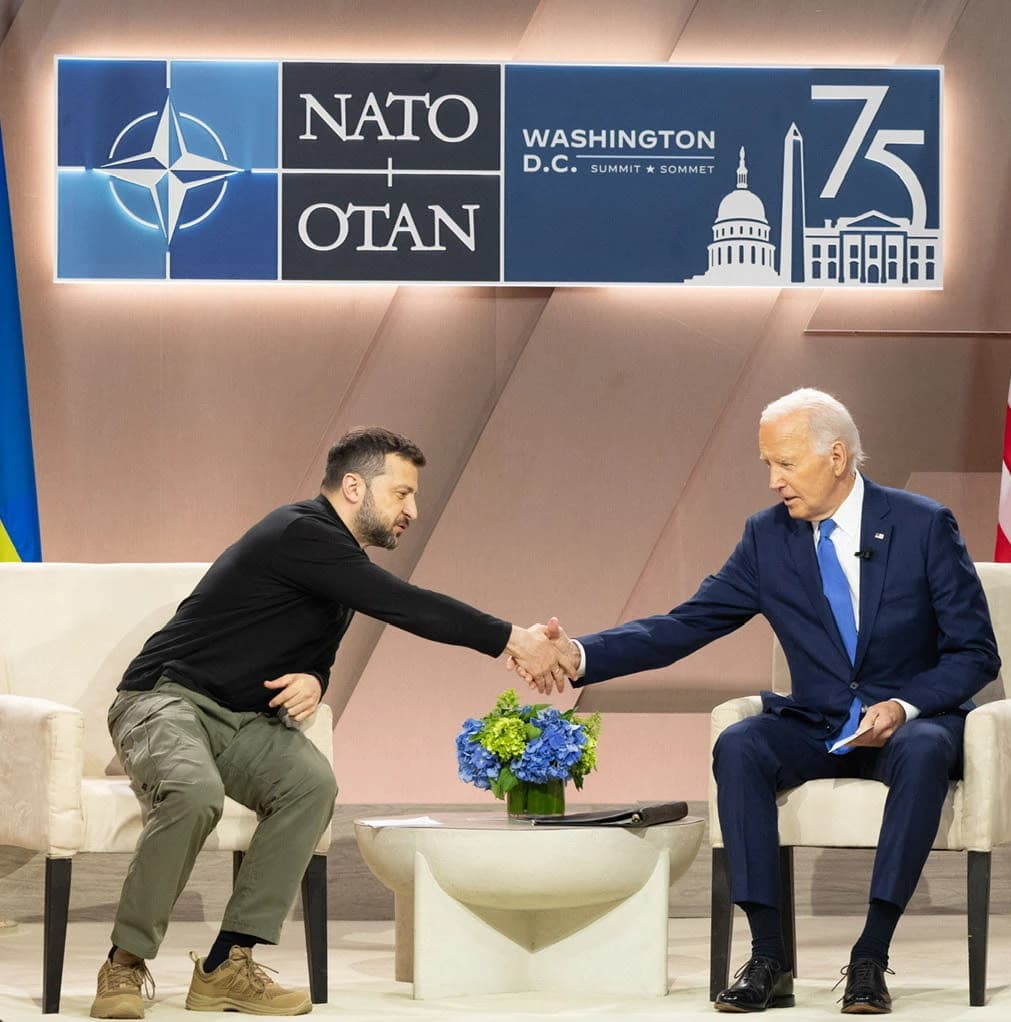
Zelenskyy said the options under discussion are NATO membership, direct US guarantees modeled on NATO’s Article 5, and a European “Coalition of the Willing” backed by the United States. None has been agreed yet, but he cast them as parts of a single arrangement built around a larger, better-armed Ukrainian military.
Sentiment Indicators
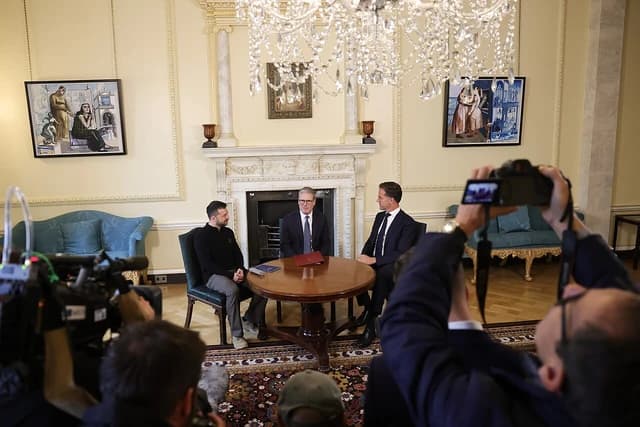
The timing matters because the talks are accelerating ahead of the US election and come with Washington pushing toward negotiations. Zelenskyy said he expects signals from Secretary of State Marco Rubio within a day or two and a call with envoy Steve Witkoff, while noting that Jared Kushner has already floated a trilateral meeting between the US, Ukraine and Russia at technical level.
For investors, the prospect of any credible security framework is relevant well beyond the battlefield. A durable settlement would shape Europe’s defense spending, energy risk, sovereign-credit spreads and demand for hard assets such as gold, while a failure to secure Ukraine could keep geopolitical hedging elevated. Gold, often a proxy for flight-to-safety demand, was trading above $373 an ounce on Tuesday, with the metal still below its 200-day moving average but holding above the 50-day level.
Geopolitical Risk — 30-day sentimentadalytica.com
Explore this data interactively — full history, time series and cross-market comparisons.
The Kremlin has said any arrangement must be mutual, underscoring how far apart the sides remain on a deal that would freeze rather than end the conflict. Zelenskyy’s broader point is that Ukraine’s security cannot rest on paper promises alone; it needs troops, financing and foreign backing large enough to make renewed aggression too costly.
He even argued that NATO membership would be a security gain for Russia, not just Ukraine and the alliance, saying Moscow would be safer with Ukraine inside NATO than outside it. That message is aimed at selling a package that can survive not only Russian objections, but also the shifting politics in Washington and Europe.
The next catalyst is whether US officials convert the current talks into a concrete framework, or whether the negotiations stall again over who guarantees what, and with what force behind it.
| Entity | Gains | Losses |
|---|---|---|
| Ukraine | ▲Stronger deterrence | ▼Exposure to renewed invasion |
| US and Europe | ▲Lower long-term war risk | ▼Higher near-term commitment burden |
| Russia | ▲Clearer security architecture if deal holds | ▼Freedom to pressure Ukraine militarily |
| Gold holders | ▲Safe-haven support | ▼Easing if peace talks advance |