Silver prices in India slipped below ₹2 lakh a kilogram on Friday as futures traders pulled back after a sharp run-up, underscoring how quickly the metal’s rally has unwound under the weight of profit-taking and weaker global cues.
Silver prices in India fall below ₹2 lakh per kg

The December silver contract on the Multi Commodity Exchange fell ₹4,191, or 2.1%, to ₹1,95,408 per kg on turnover of 5,856 lots, with analysts attributing the move mainly to a sell-off by participants. In global trade, silver was down 1.01% at $54.01 an ounce in New York, adding to the domestic decline.
Sentiment Indicators
The drop matters because silver had been one of the most crowded trades in commodities, and a reversal of this size can ripple beyond speculators into industrial users, jewellery buyers and metals-linked funds. When a market that has been bid up aggressively starts to lose momentum, the first response is usually position reduction rather than bargain-hunting, which can amplify volatility and force a reassessment of near-term price expectations.
For investors, the key issue is whether this is a routine correction or the start of a broader de-risking. Technical readings on the US silver benchmark suggest the pressure is real: the contract has fallen well below its 50-day and 200-day moving averages, with the relative strength index deep in oversold territory. That points to heavy near-term selling, though it also raises the possibility of a reflex bounce if short positions are crowded and macro conditions stabilise.
The weakness in silver contrasts with gold, which has been relatively more resilient even as precious metals have swung sharply. That divergence matters because silver is more sensitive to industrial demand and speculative positioning, while gold tends to benefit more directly from risk aversion and reserve-demand flows. A persistent gap between the two would suggest the market is pricing less enthusiasm for cyclical growth and more caution around industrial metals.
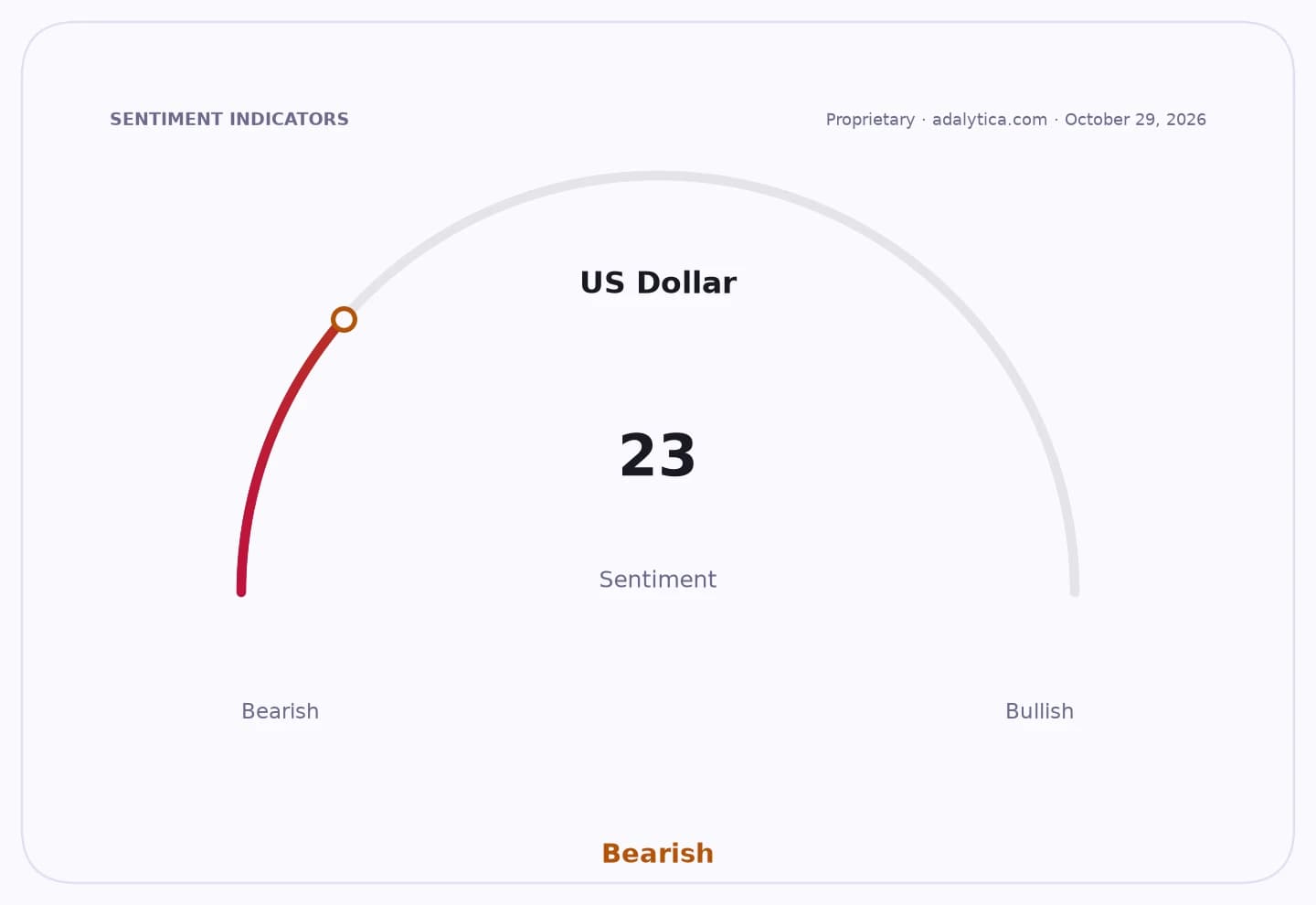
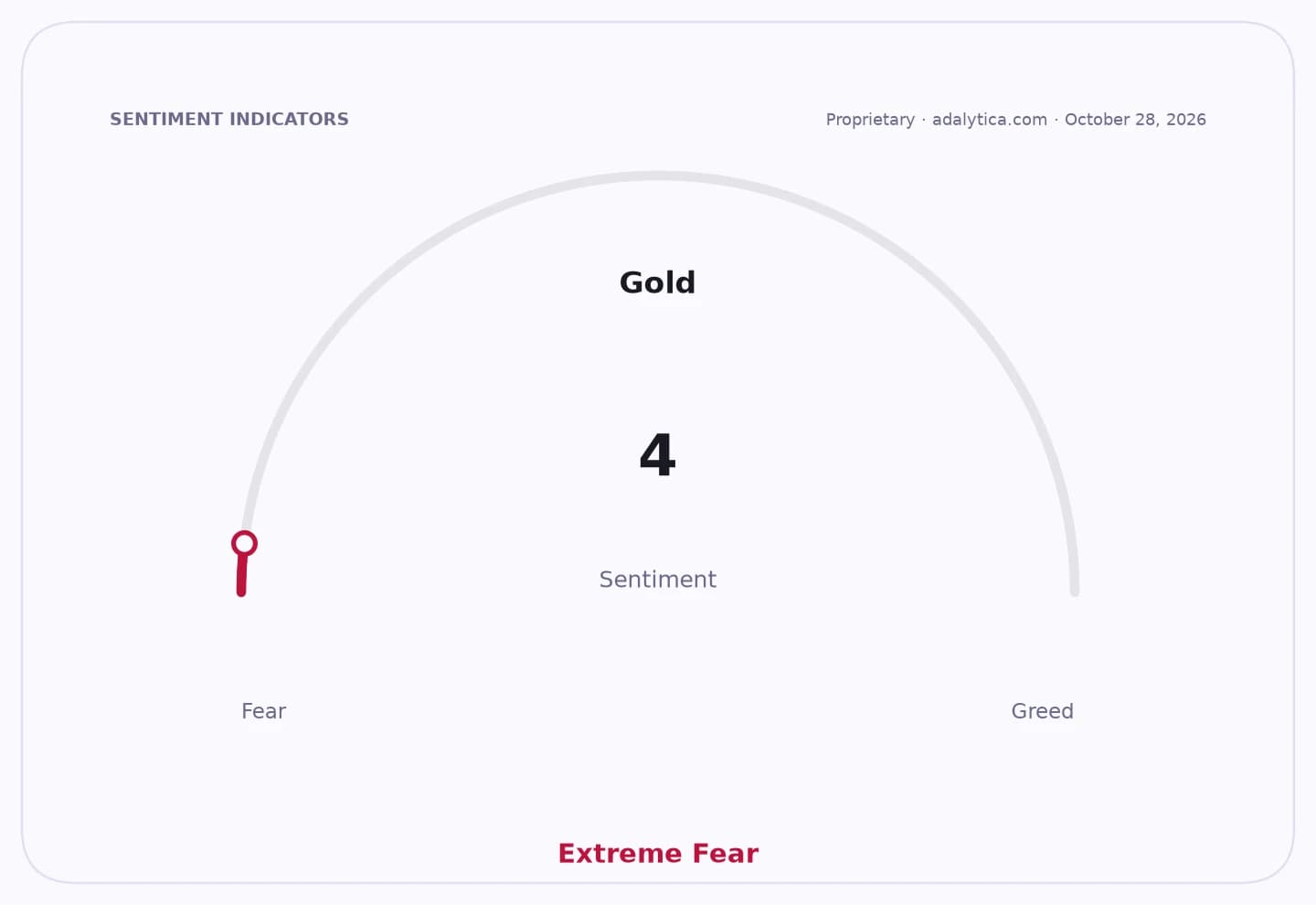
Adalytica’s Gold Fear & Greed Index has also turned to fear, while US dollar trade signals show extreme greed in the greenback, a combination that typically weighs on dollar-priced commodities. If the dollar stays firm and rate expectations remain elevated, silver may struggle to reclaim recent highs quickly. Conversely, any cooling in the dollar or revival in industrial demand could help stabilise the metal after the latest rout.
For now, the market message is straightforward: traders who chased silver higher are reducing exposure, and that has pushed both domestic and global prices lower. The next catalyst will be whether the selling is exhausted near current levels or whether the metal needs a deeper reset before buyers step back in.
| Entity | Gains | Losses |
|---|---|---|
| Short sellers | ▲Profit from the drop | ▼Face squeeze risk if prices rebound |
| Industrial users | ▲Lower input costs | ▼Wait for price stability |
| Jewellery buyers | ▲Cheaper silver stockpiles | ▼Higher volatility in hedging |
| Long-only traders | ▲Potential entry on oversold levels | ▼Mark-to-market losses on holdings |