Gold and silver prices in India have pulled back sharply, giving households and jewelers a welcome window to buy after months of elevated rates. The correction matters because precious metals are not just trading instruments in India — they are a major savings and wedding-season purchase, and lower prices can quickly revive demand ahead of the festive period.
India Gold and Silver Prices Pull Back
On Thursday, gold and silver were mixed in global trade, but the bigger story was the domestic selloff. On the MCX, October gold fell as much as ₹349 to about ₹1,51,170 per 10 grams, while silver dropped as much as ₹1,200 to around ₹2,34,716 per kilogram. Retail quotes also eased, with 24-carat gold near ₹1,51,840 per 10 grams, 22-carat gold around ₹1,39,187, and 18-carat gold close to ₹1,13,880.
That decline is important economically because India is one of the world’s largest buyers of gold. When prices ease, jewellery demand, gift buying and investment purchases tend to recover, helping retailers and bullion dealers after a stretch of weak affordability. The World Gold Council said Indian gold was trading below import parity, with the gap widening to $78 an ounce by Sept. 11 from $34 in July and $51 in August. In plain terms, domestic prices have fallen faster than international benchmarks, which can support local buying.
The global backdrop is still supportive, even if the day’s move was softer. Gold on Comex edged higher to $4,322.60 an ounce, while silver slipped to $64.520. That split tells investors the Indian move is less about a collapse in the long-term precious-metals story and more about a short-term correction in a market that had run hot. Gold had already become expensive enough to curb some physical buying, and any cooling now matters because India’s demand can swing the broader market mood in Asia.
For investors, the key takeaway is that this looks like a demand reset, not a thesis break. Gold remains anchored by central-bank buying, geopolitical uncertainty and expectations around interest rates. Silver, meanwhile, still has a dual identity: part safe-haven metal, part industrial commodity tied to electronics and clean energy. If prices stay softer into the festival season, it could lift near-term retail demand in India and help bullion-linked businesses, while creating better entry points for long-term buyers who want exposure without chasing record highs.
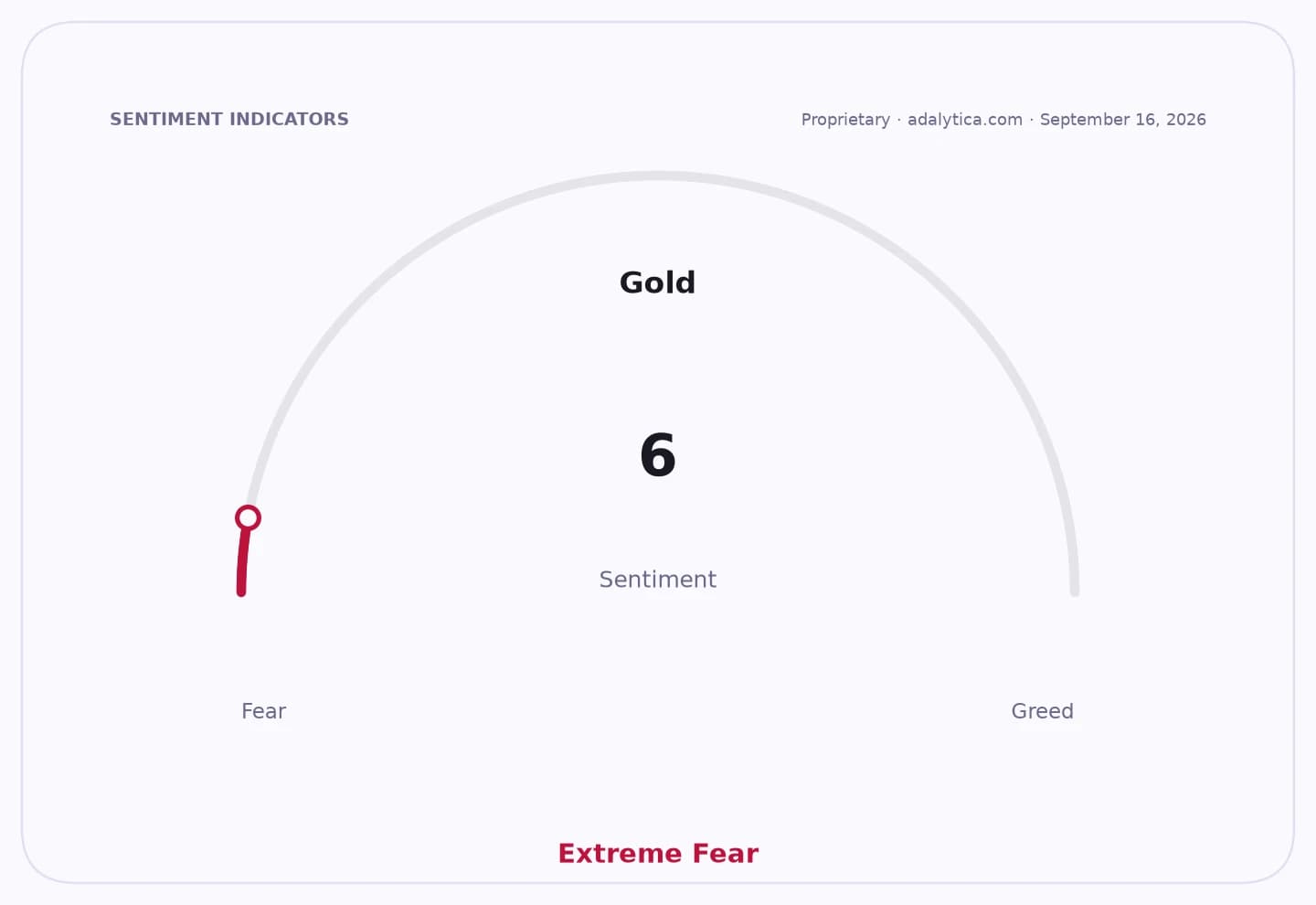
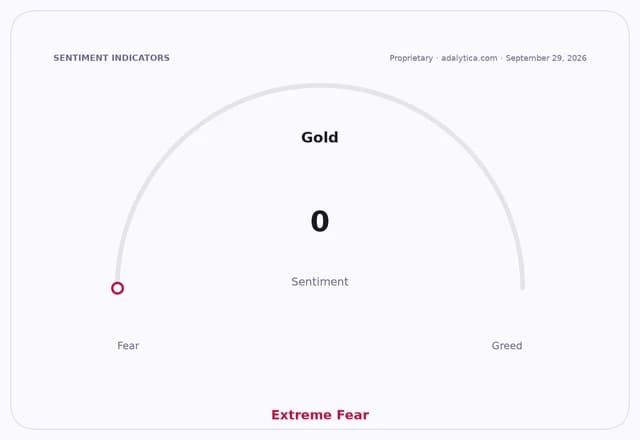
Technical indicators on gold and silver funds also point to a market that has cooled rather than broken. GLD, the popular gold ETF, is below its 50-day and 200-day moving averages, and Adalytica’s Gold Fear & Greed Index shows “Extreme Fear,” suggesting sentiment has swung sharply negative after recent volatility. That kind of reset often matters most for patient investors, who can use weakness to build positions gradually instead of trying to time a bottom.
The bigger narrative is simple: when India’s bullion prices fall ahead of the festive season, buyers tend to step back in. That can support jewellery demand, improve sentiment for bullion retailers and create a more balanced market after a sharp run-up. For long-term investors, gold and silver remain worth watching — not as trades, but as portfolio diversifiers that can shine when volatility returns.
| Entity | Gains | Losses |
|---|---|---|
| Indian gold and silver buyers | ▲Lower purchase costs | ▼Less urgency to delay buying |
| Jewelers and bullion retailers | ▲Better festive demand | ▼Lower margins if pricing stays volatile |
| Gold and silver investors | ▲Better entry points | ▼Recent paper gains from peak prices |
| Sellers/importers | ▲Quicker inventory turnover | ▼Reduced pricing power |