Russia has proposed Abu Dhabi as the venue for the next trilateral meeting with the United States and Ukraine, a sign that diplomacy over the war is moving back onto the calendar even as fighting continues and a ceasefire remains uncertain.
Russia Proposes Abu Dhabi for US-Ukraine Talks
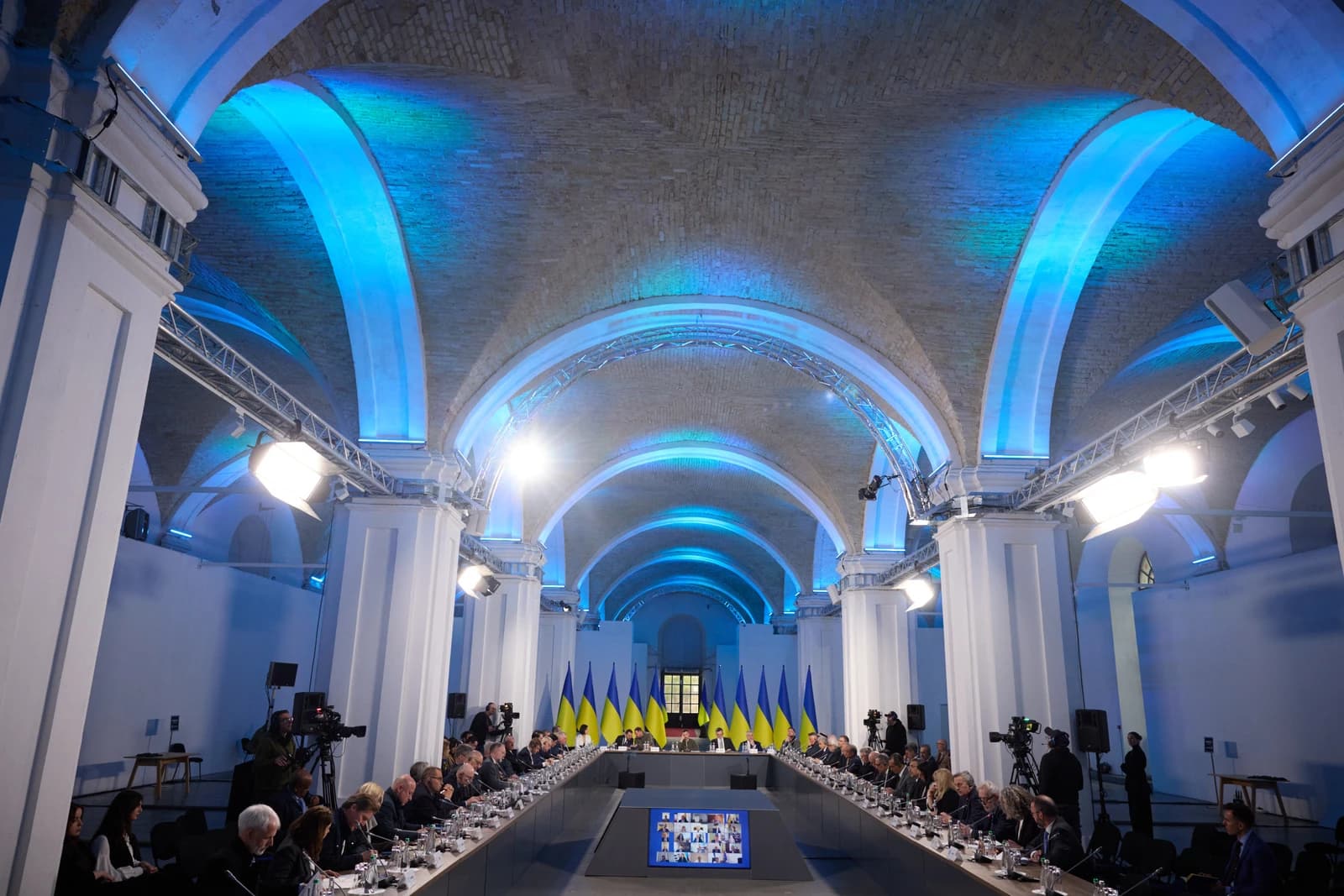
The location matters because venue talks are often a proxy for how serious and how structured negotiations have become. Kremlin spokesman Dmitry Peskov said Abu Dhabi was being discussed for a mid-November round, after President Vladimir Putin told U.S. envoy Steve Witkoff that Moscow was ready to resume three-way talks. That follows recent contacts between Washington, Moscow and Kyiv, including efforts by Vice President JD Vance to push the sides back to the table.
Sentiment Indicators
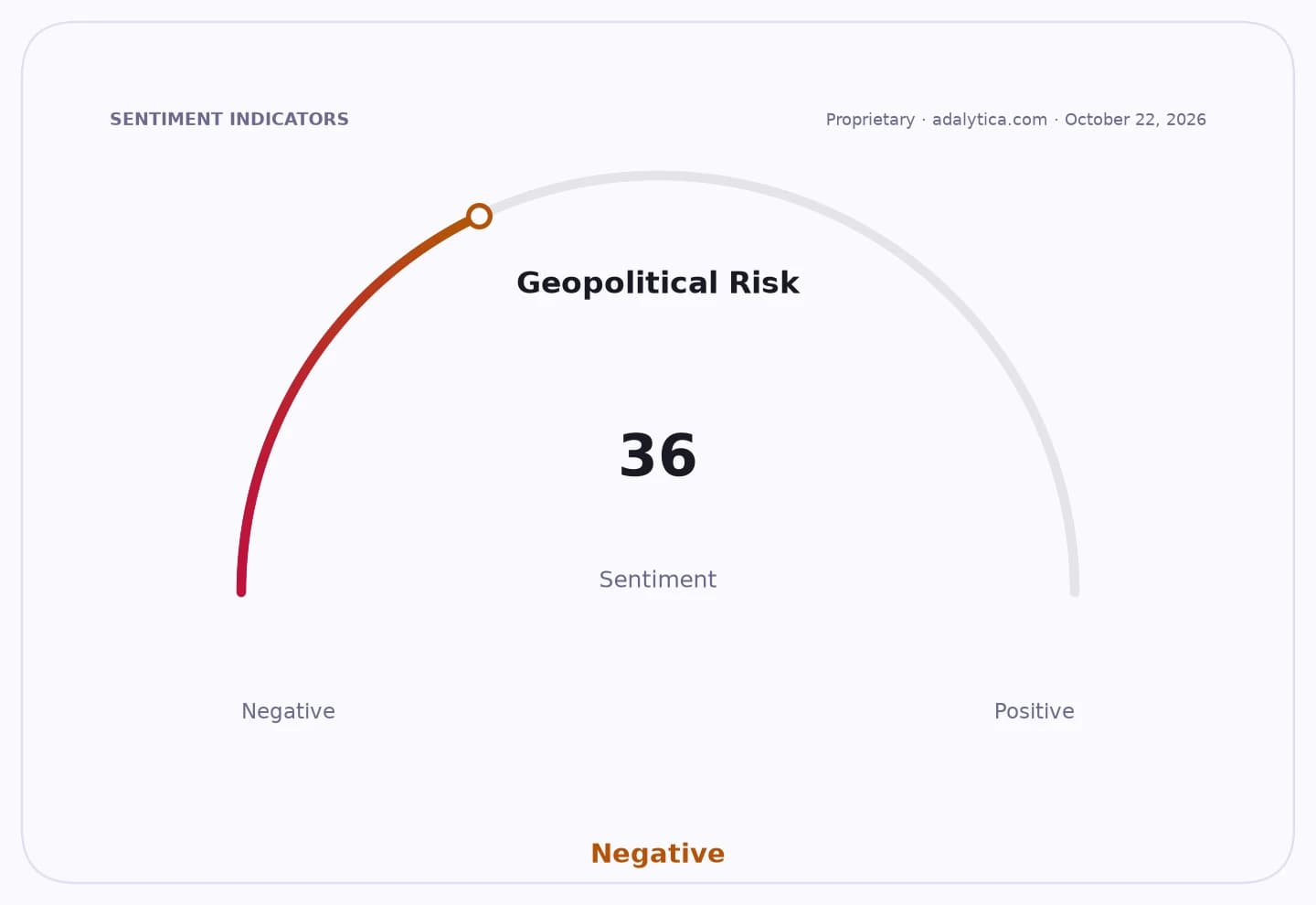
For investors, the immediate question is whether the talks represent a genuine path toward de-escalation or simply another round of diplomacy conducted without a halt in hostilities. Putin has signaled that negotiations could proceed without a ceasefire, which limits the market’s ability to price in an abrupt reduction in geopolitical risk. That keeps the war premium alive in energy, metals, defense and safe-haven assets, even as the prospect of direct talks can cap the upside in risk aversion.
Gold has already been trading with elevated geopolitical sensitivity. GLD closed at $368.17 on Oct. 29, below its 50-day moving average of $391.75 and 200-day average of $413.27, with the RSI at 32.3, suggesting the metal is technically washed out after a steep pullback. Adalytica’s Gold Fear & Greed index was still in “Fear” territory at 20, though the broader global stability gauge showed “Extreme Greed,” underscoring how quickly sentiment can swing around diplomatic headlines. If the Abu Dhabi talks produce even a modest breakthrough, gold could remain under pressure; if they fail, the metal’s safe-haven bid could reassert itself quickly.
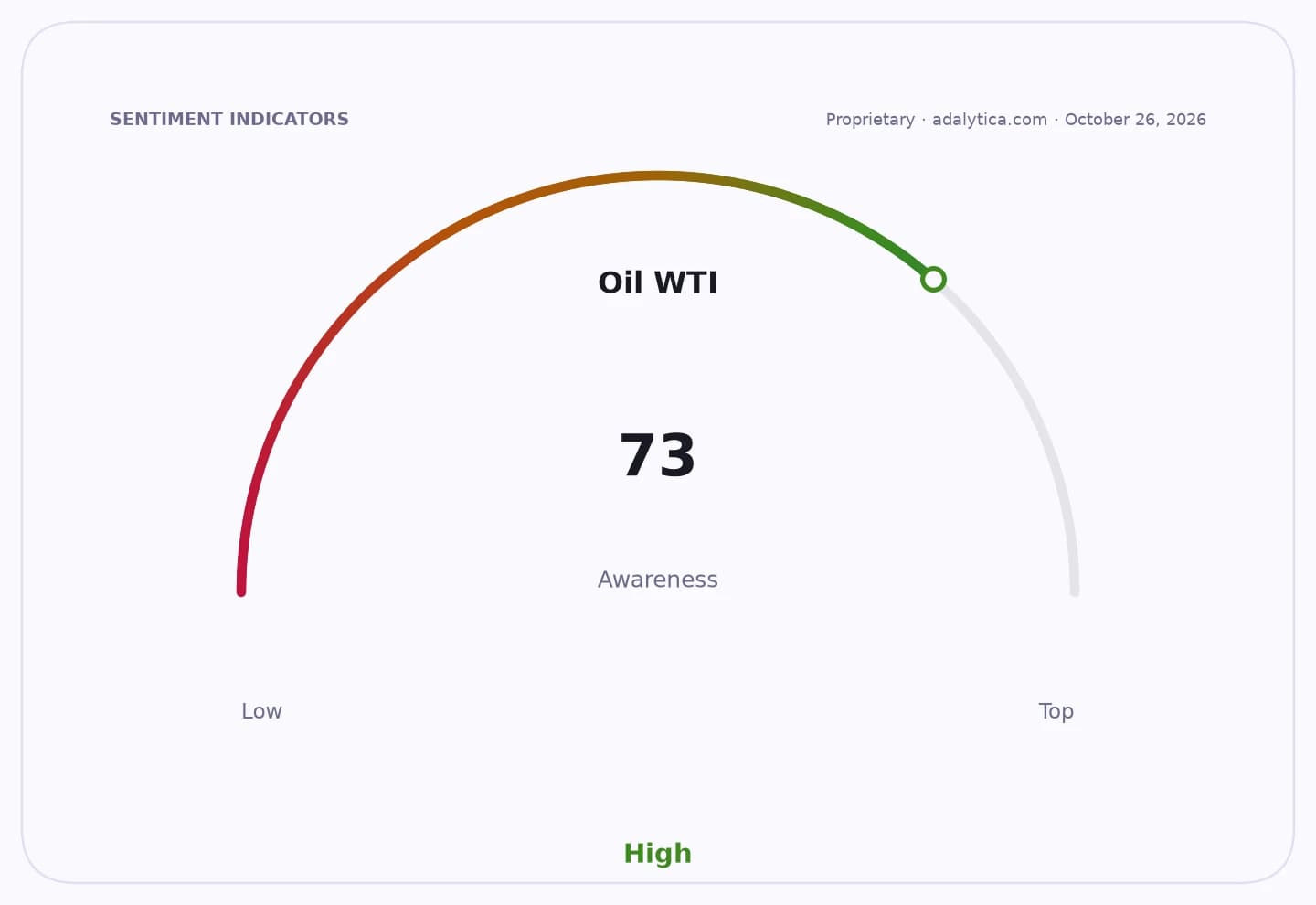
Oil is more ambiguous. USO finished at $167.41, well above both its 50-day and 200-day moving averages, with the RSI near 78, reflecting an already strong market that has embedded geopolitical risk. A credible peace process could ease some of that premium, especially if traders begin to price lower disruption risk to Russian supply and related shipping routes. But absent a ceasefire, crude may keep drawing support from the possibility that talks stall while military pressure continues.
The broader economic significance is that a negotiated pause in the conflict would have implications well beyond the battlefield: for European energy costs, inflation expectations, defense spending, sanctions enforcement and the global appetite for safe-haven assets. A durable diplomatic track would likely help European assets more than U.S. ones, while exporters tied to energy and defense would be among the clearest losers.
The near-term risk is that the process itself becomes the story, with no substantive progress on the core issues. That would keep markets reactive to every headline, while investors wait to see whether Abu Dhabi becomes the first step toward a ceasefire or simply another waypoint in a long-running, high-stakes negotiation.
| Entity | Gains | Losses |
|---|---|---|
| Russia | ▲Diplomatic leverage | ▼Pressure for ceasefire |
| Ukraine | ▲Possible peace channel | ▼Risk of concessions |
| Gold buyers | ▲Safe-haven support | ▼De-escalation premium |
| Oil bulls | ▲War risk bid | ▼Peace-driven pullback |