Mineral and coal exporters are being warned to do their homework before Indonesia switches to a one-stop export system, a change that could speed shipments in the long run but also punish firms that are unprepared for tighter compliance, licensing and data checks.
Indonesia export system may speed mineral shipments
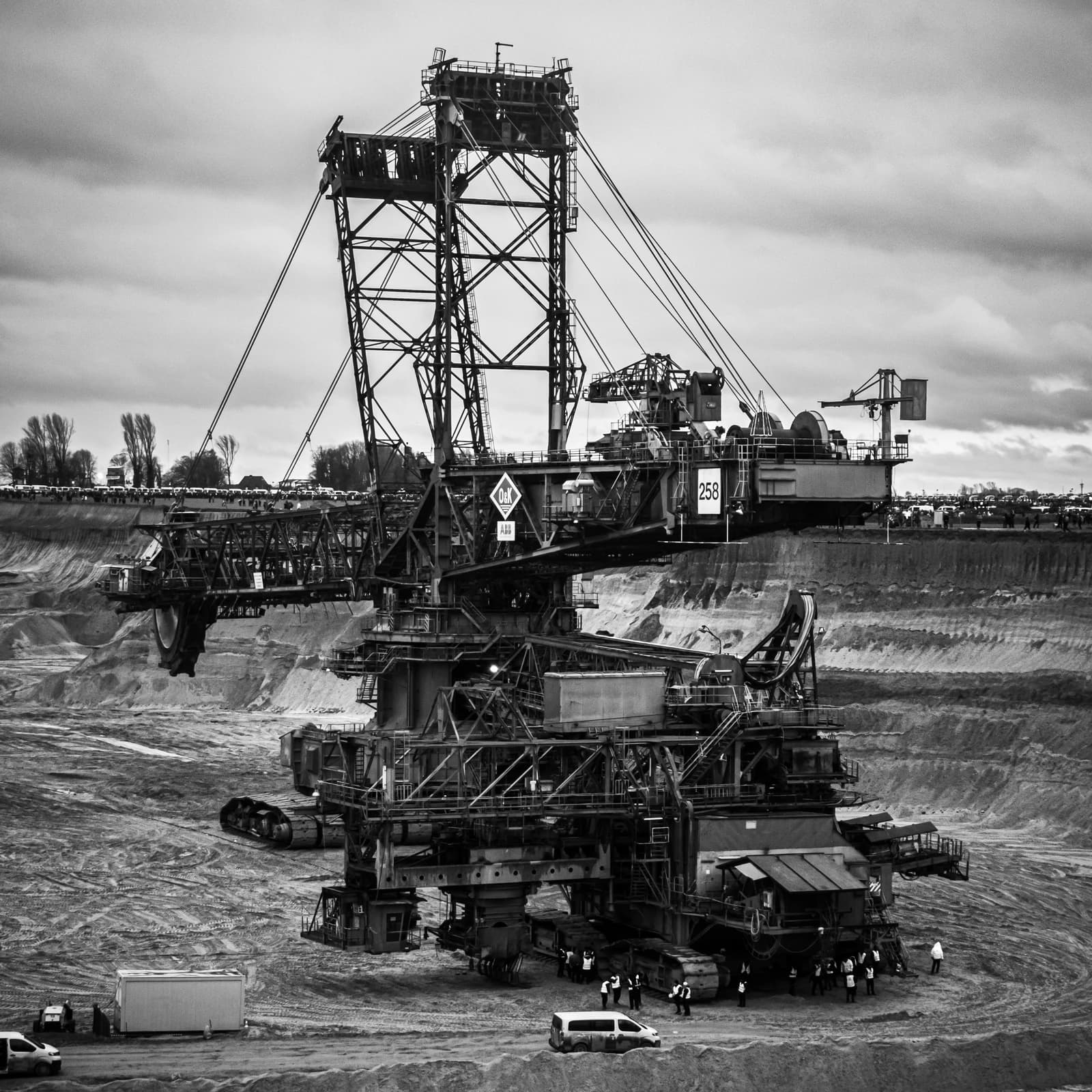
The push for a DSI one-stop export regime matters because Indonesia is trying to make its resource trade more efficient at a time when commodity exporters face more volatile pricing, uneven overseas demand and greater pressure from regulators to tighten oversight of shipments. For miners and coal producers, faster processing could lower logistics friction and reduce delays at ports, but the transition also raises the risk of short-term disruption if documentation, customs systems and internal controls are not ready.
Sentiment Indicators

That balance is important for investors because Indonesia remains a key supplier of coal and a major force in regional commodity trade. Any improvement in export clearance can support volumes, cash conversion and working-capital efficiency for producers, while missteps could delay cargoes and hit earnings. For companies with high export exposure, even small administrative bottlenecks can translate into missed loadings, higher freight costs or weaker realized prices if cargoes are pushed back into a softer market.
The warning to prepare reflects a broader shift in how governments are managing strategic exports. Rather than leaving producers to navigate multiple agencies, Jakarta is moving toward a more centralized system that can improve oversight and curb leakage, but it also raises the bar for compliance. Exporters that already have strong digital systems and clean records should benefit first, while smaller operators may struggle with the paperwork and system integration.
The market backdrop is mixed. Adalytica’s broad gauges show global stability sentiment still elevated, but the U.S. dollar has weakened sharply over the past month, a backdrop that typically supports commodity prices and exporters’ foreign-currency earnings. At the same time, equity investors have been rewarding miners that can demonstrate operational discipline and reliable shipment flows, making policy execution nearly as important as the policy itself.
For investors, the key question is whether the DSI rollout becomes a competitiveness gain or a near-term bottleneck. A smooth transition would be constructive for export-linked miners and coal producers, especially if it shortens customs processing and improves transparency. But any teething problems could hit shipment timing before the system settles, making compliance readiness the main near-term differentiator among exporters.
| Entity | Gains | Losses |
|---|---|---|
| Large mineral exporters | ▲Faster clearance, lower friction | ▼More compliance scrutiny |
| Smaller coal miners | ▲Simpler process if prepared | ▼Transition risk, paperwork burden |
| Indonesian government | ▲Better oversight, export control | ▼Pressure if rollout stalls |
| Buyers/importers | ▲Potentially steadier supply | ▼Short-term shipment delays |