Singapore has rejected Indonesia’s claim that some LNG shipments from Indonesia are being resold to other countries, saying cargoes traded by Singapore-based firms typically move directly from the source country to the final buyer without physically passing through Singapore.
Singapore Rejects Indonesia LNG Re-Export Claim
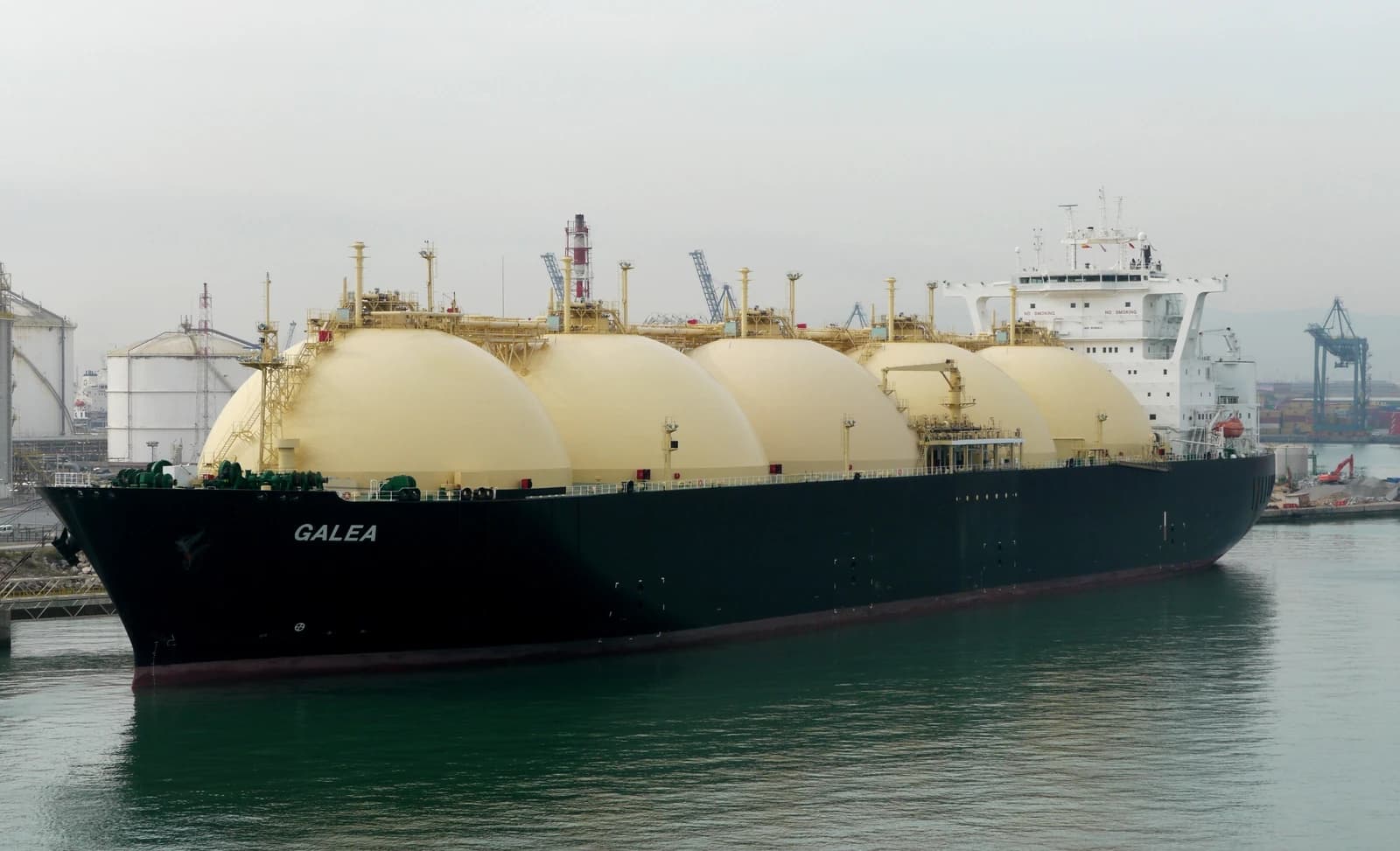
The dispute matters because it hits at the center of Asia’s LNG trading system: Singapore is not a big consumer of Indonesian gas, but it is a major commercial hub where more than 50 LNG traders based in the city-state buy, market and resell cargoes from around the world. Any suggestion that Singapore is acting as a backdoor export channel could add political friction to a market already being shaped by tight supply, rising demand and more aggressive cross-border trading.
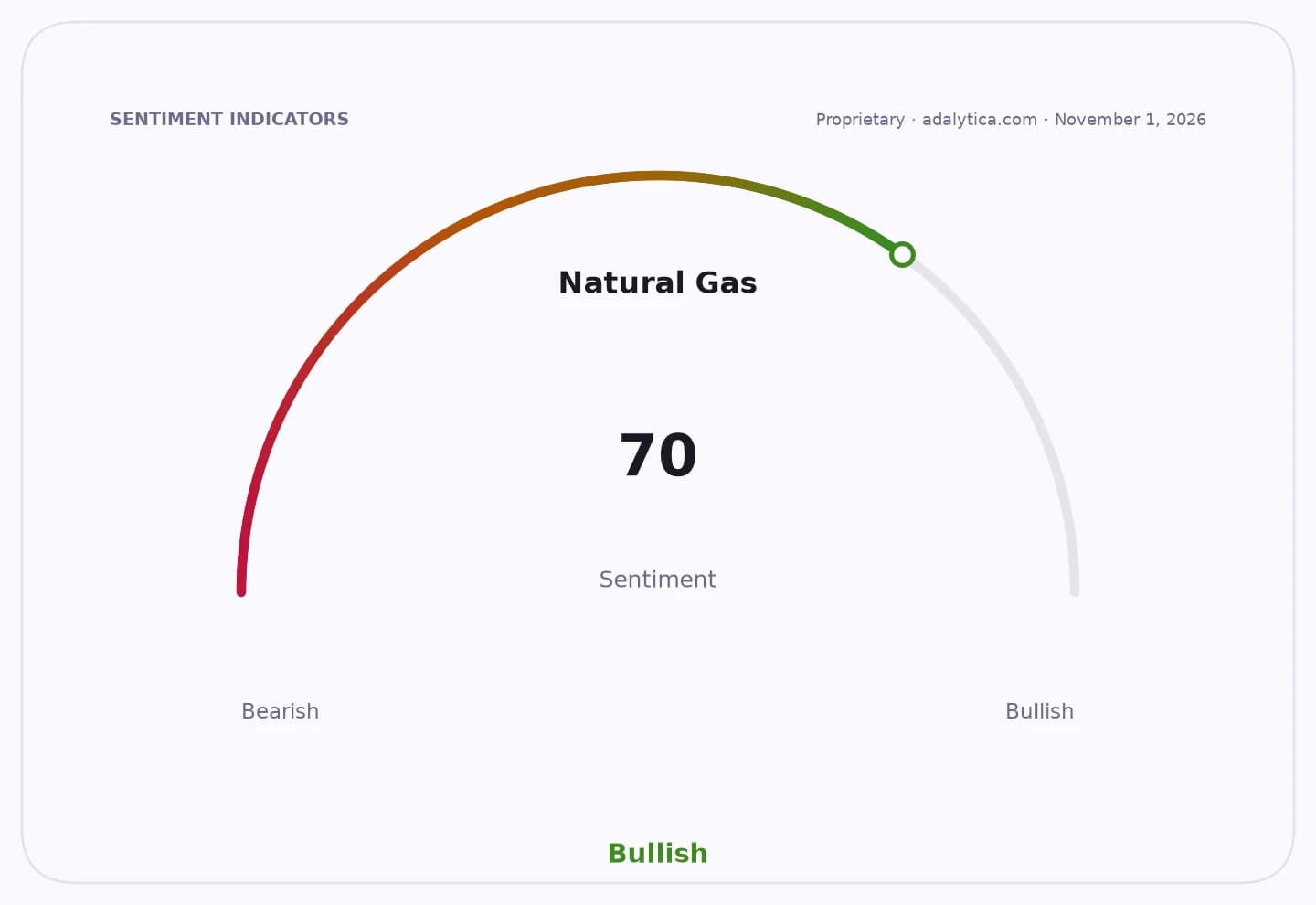
Sentiment Indicators
Singapore’s Ministry of Trade and Industry said the country serves as an international trading center for LNG, with firms sourcing cargoes from markets including the U.S., Australia and Malaysia. It stressed that imported gas from Indonesia via pipeline is for domestic use and not for re-export.
The response came after Indonesian Energy Minister Bahlil Lahadalia said he believed some of the 148 LNG cargoes Indonesia sends to Singapore, equivalent to about 1,480 MMscfd, were likely being traded on to other destinations. He said Indonesia is not planning to cut LNG exports to Singapore for now, because domestic supply remains adequate.
For investors, the row is less about immediate supply disruption than about the health of Asia’s LNG trading flows and the political risk around them. LNG prices and shipping routes are increasingly sensitive to shifts in demand, contract terms and resale economics, and Singapore’s role as a trading hub makes it a key node for global cargo allocation even when the molecules never physically land there.
The issue also lands against a firmer LNG backdrop globally, with traders, exporters and buyers locking in long-dated deals as Asian demand stays resilient. In that environment, even a diplomatic spat over re-exporting can matter if it leads to tougher oversight, more cautious contracting or a rethink of how Southeast Asian LNG is priced and routed.
For now, neither side is signaling a direct cut in flows, but the dispute underscores how LNG trade is becoming more politically charged as governments seek to balance export revenue, domestic supply and regional energy security.
| Entity | Gains | Losses |
|---|---|---|
| Singapore LNG traders | ▲Trading flexibility | ▼Political scrutiny |
| Indonesia | ▲Export revenue | ▼Leverage over LNG diplomacy |
| LNG buyers in Asia | ▲Access to hub liquidity | ▼Risk of tighter regulation |
| Final consumers | ▲Potential cargo availability | ▼Higher friction in supply chains |