PGN LNG Indonesia’s 34.72% increase in regasified gas deliveries through the third quarter points to rising dependence on LNG to keep Indonesia’s power plants and industrial users supplied as domestic gas availability tightens.
PGN LNG Indonesia regasified gas deliveries rise
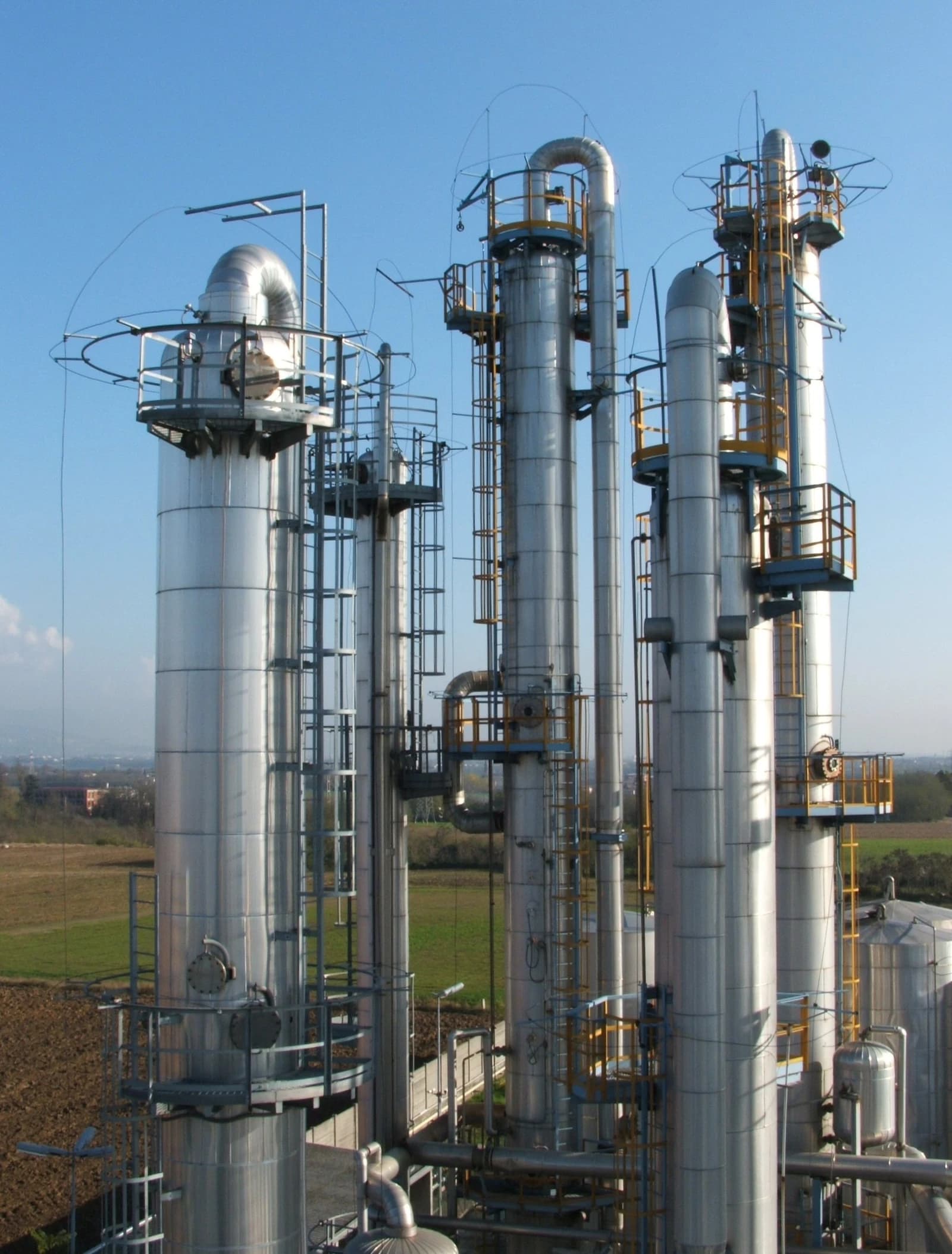
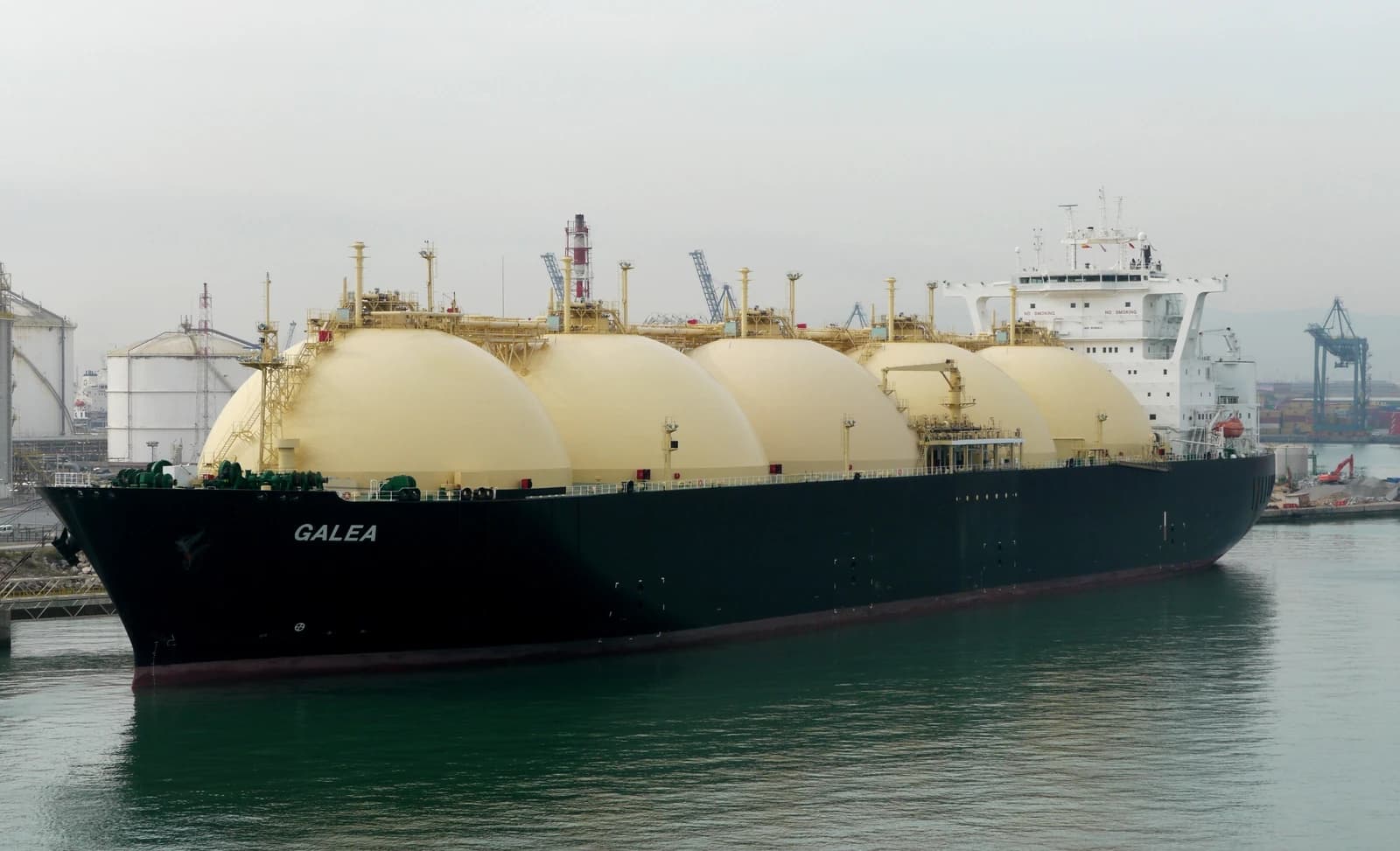
The company said it delivered 65.01 million MMBTU of gas from LNG regasification in the first nine months of 2026, up from the same period a year earlier, after receiving 25 LNG cargoes totaling 67.24 million MMBTU. That volume underscores the scale at which imported LNG is filling gaps in the country’s energy system, especially for large consumers that need uninterrupted fuel for electricity generation and manufacturing.
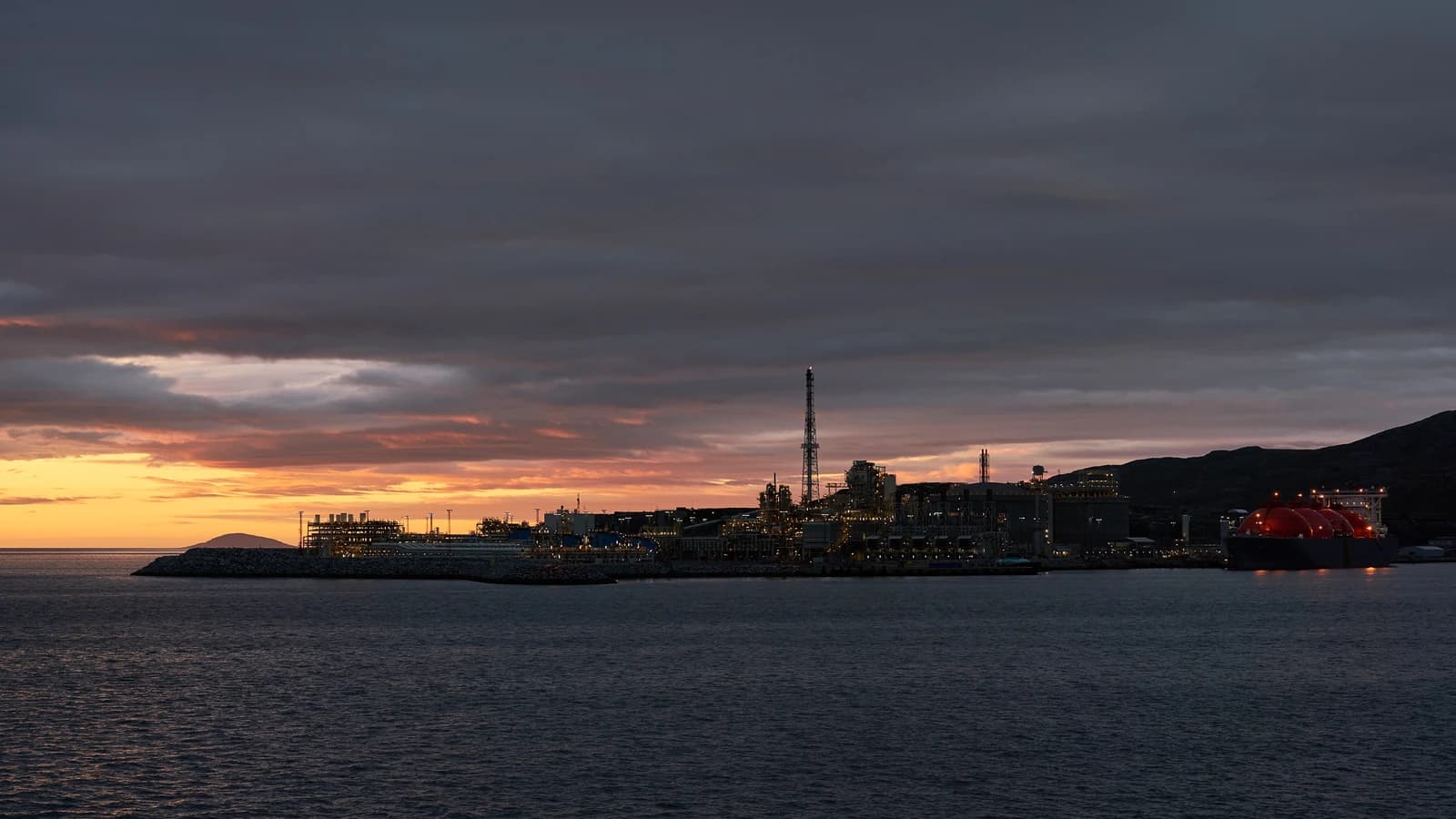
For PGN, the numbers are more than an operational update. They show the company’s FSRU Lampung facility is functioning as a critical balancing asset in Indonesia’s gas market, converting LNG back into pipeline gas and helping stabilize supply for strategic users. In a country where industrial output and power reliability are closely tied to fuel availability, regasification capacity effectively becomes part of the economic infrastructure, not just an energy business.
The company said the higher deliveries reflect its effort to maintain reliable, safe and sustainable supply, while also supporting downstream industries and the government’s broader hilirisasi, or value-addition, agenda. That matters economically because dependable gas supply can lower production interruptions, support factory utilization and reduce the risk that power producers have to shift toward costlier or dirtier fuels when pipeline gas falls short.
The growth also points to a structural market shift: Indonesia is leaning more heavily on LNG infrastructure and small-scale distribution to widen access beyond large anchor customers. PGN LNG said it is expanding regasification services, including small-scale LNG plants and mini-liquefaction, which could deepen domestic gas monetization but also increase the importance of capital spending, logistics execution and feedstock procurement in a more competitive regional LNG market.
For investors, the message is that LNG regasification demand in Indonesia remains operationally robust and strategically important, even as global LNG markets stay tight and long-term contracting becomes more valuable. The key question is whether PGN and its parent group can keep utilization high enough to offset rising infrastructure costs and maintain margins while meeting national supply goals.
The near-term catalyst is continued cargo intake and throughput at Lampung and any further expansion of small-scale LNG capacity. If deliveries keep rising, PGN LNG could strengthen its role as a backbone supplier to Indonesia’s industrial and power sectors; if cargo costs or logistics pressure intensify, the same reliance on LNG could weigh on economics and pricing flexibility.
| Entity | Gains | Losses |
|---|---|---|
| PGN LNG Indonesia | ▲Higher throughput and strategic relevance | ▼Higher execution and supply-risk exposure |
| Indonesian industry | ▲More reliable gas supply | ▼Less vulnerability to fuel shortages |
| Power generators | ▲Stable feedstock availability | ▼Reduced leverage in fuel sourcing |
| Competing fuels/importers | ▲— | ▼Lower share if LNG displacement continues |