Qatar’s long-term LNG purchase agreement with the United States underscores the biggest force driving energy markets now: security of supply is worth paying for, and it is reshaping who finances the next wave of gas infrastructure.
Qatar LNG Deal Boosts U.S. Export Outlook
The deal, which extends U.S. LNG flows into 2054, matters because it turns a volatile commodity into a long-duration cash-flow machine. In a market still rattled by Gulf tensions, tanker attacks and recurring supply disruptions, buyers are increasingly choosing contracts that protect them from spot-price spikes and shipping risk. For producers, that means bankable demand. For investors, it means more visibility on terminal utilization, export volumes and the return profile of the companies building the next generation of LNG capacity.
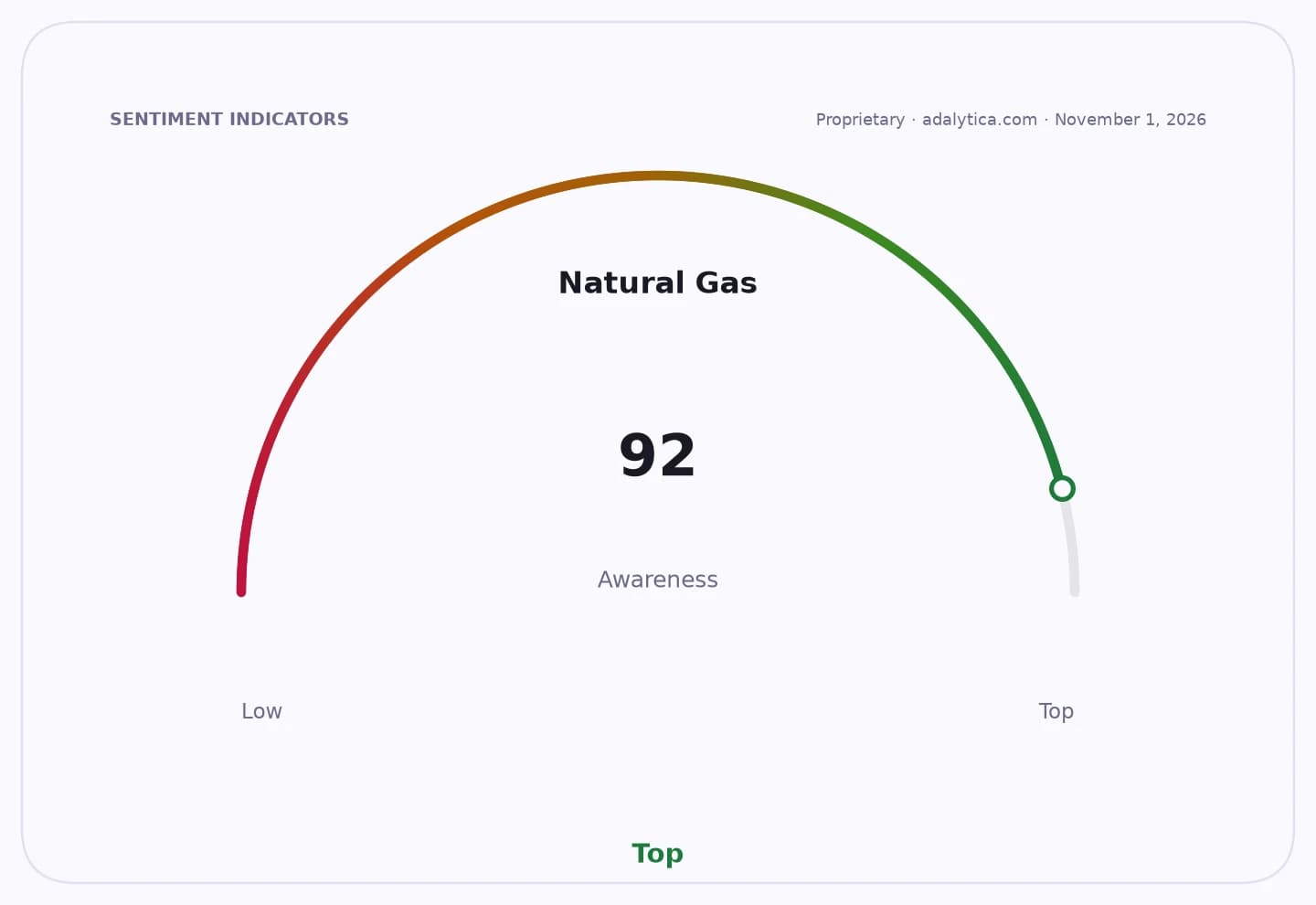
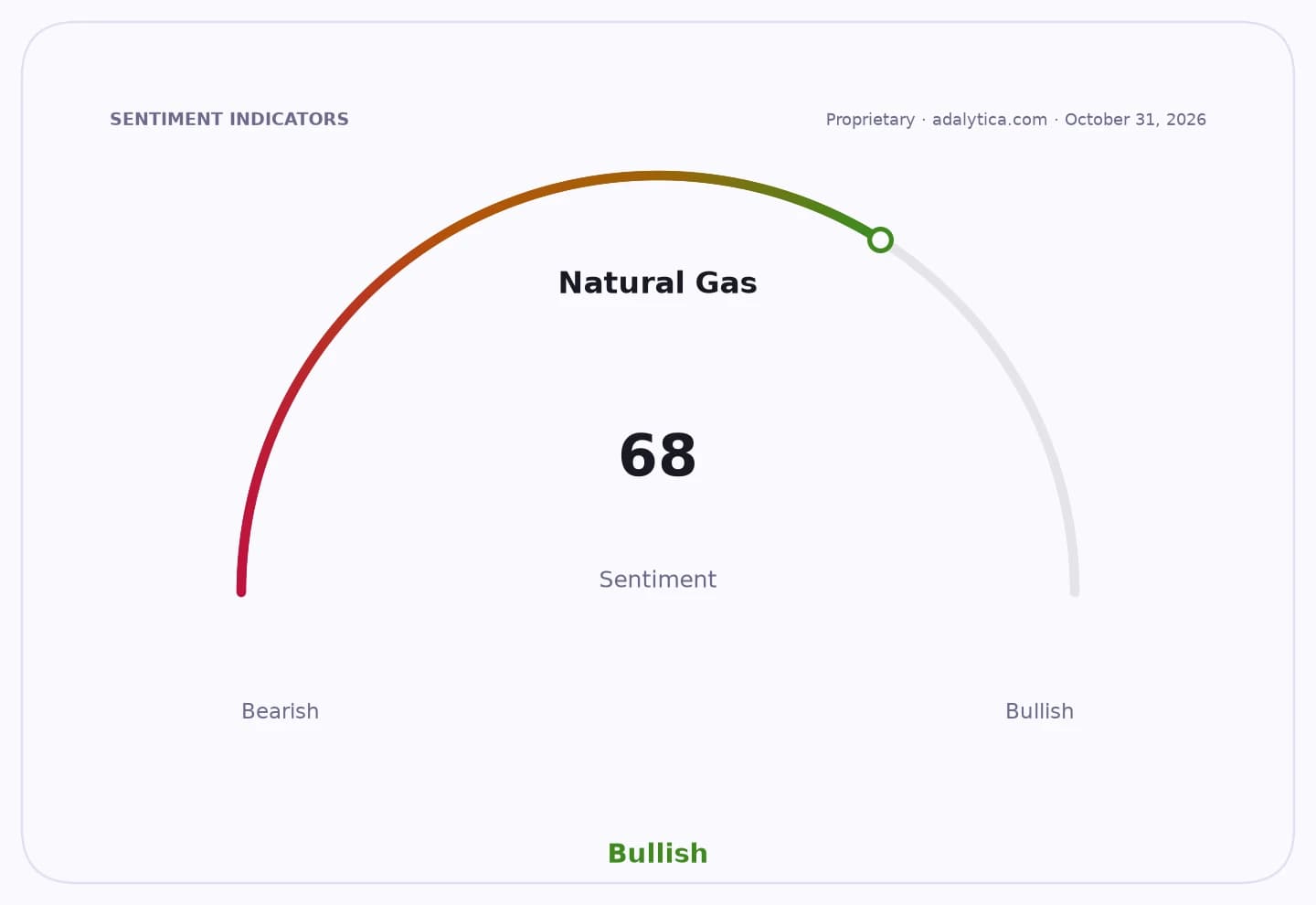
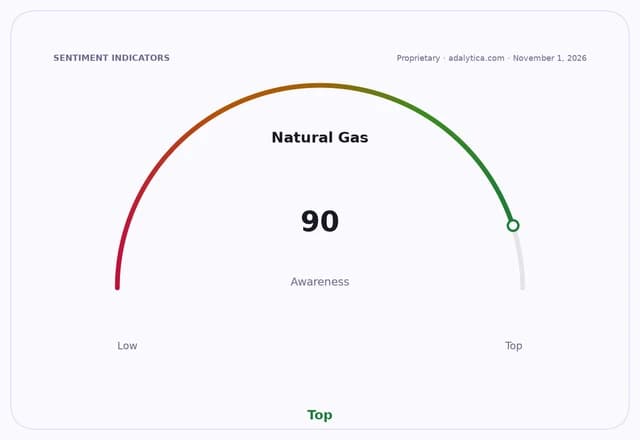
Sentiment Indicators
That helps explain why LNG names have been trading with such force. Cheniere Energy has surged to $330.32 from $205.23 in January, while Exxon Mobil and Chevron have also climbed sharply, reflecting a broader bid for companies tied to hydrocarbons and export infrastructure. The move has not been subtle: Cheniere’s stock is far above its 50-day moving average, with a relative strength index near 80, while the shares remain near the upper end of their Bollinger Bands. That kind of price action suggests investors are not just buying earnings — they are buying the strategic role LNG will play in power generation, industrial demand and energy diplomacy.
The economics are straightforward. LNG is becoming the bridge fuel for countries that want to reduce dependence on any single supplier while still meeting rising electricity demand from data centers, manufacturing and fertilizer production. Long-term offtake deals like this one make multibillion-dollar export projects financeable because they lock in future sales before the first cargo ships. That is especially important as global gas markets remain tight and politically exposed, with supply bottlenecks and regional instability pushing buyers to secure cargoes years in advance.
The investable takeaway is that the market may still be underestimating the second-order winners of the LNG buildout. The obvious names are exporters such as Cheniere, Exxon and Chevron. But the broader opportunity extends to pipeline operators, liquefaction builders, marine transport, compressor makers and service firms that benefit from a decades-long capex cycle. This is not a one-quarter trade — it is a multi-year infrastructure theme with geopolitical backing.
If you believe energy security will matter more, not less, over the next decade, then long-dated LNG contracts like this one are the signal to own the companies that can turn uncertainty into contracted cash flow.
| Entity | Gains | Losses |
|---|---|---|
| QatarEnergy / Qatar | ▲Supply security | ▼Spot-market exposure |
| U.S. LNG exporters | ▲Long-term demand | ▼Dependence on short-term pricing |
| LNG infrastructure builders | ▲Project financing | ▼Uncontracted capacity risk |
| Spot LNG buyers | ▲Contracted supply access | ▼Pricing flexibility |