Qatar, long one of the world’s biggest LNG exporters, is now buying U.S. gas to keep cargoes flowing after Iran’s war damage and shipping disruptions crimped its own exports.
QatarEnergy to buy U.S. LNG from Cheniere
The shift matters because it marks a rare reversal in the global LNG trade: a state that helped define supply abundance is being forced into the spot and long-term buying market, underscoring how quickly geopolitical shocks can upend energy flows and pricing power. It also strengthens the United States’ position as the swing supplier for allies and rivals alike.
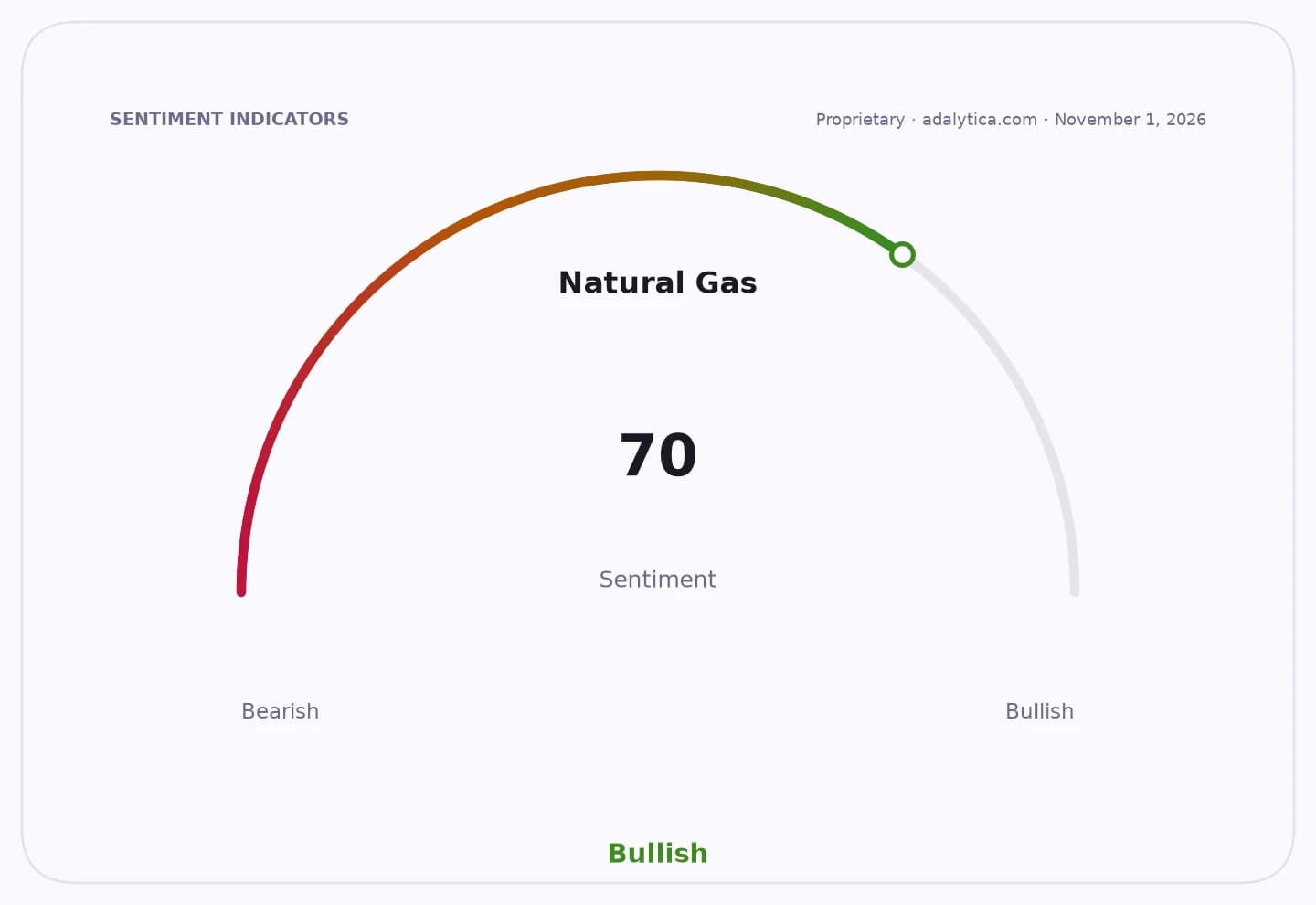
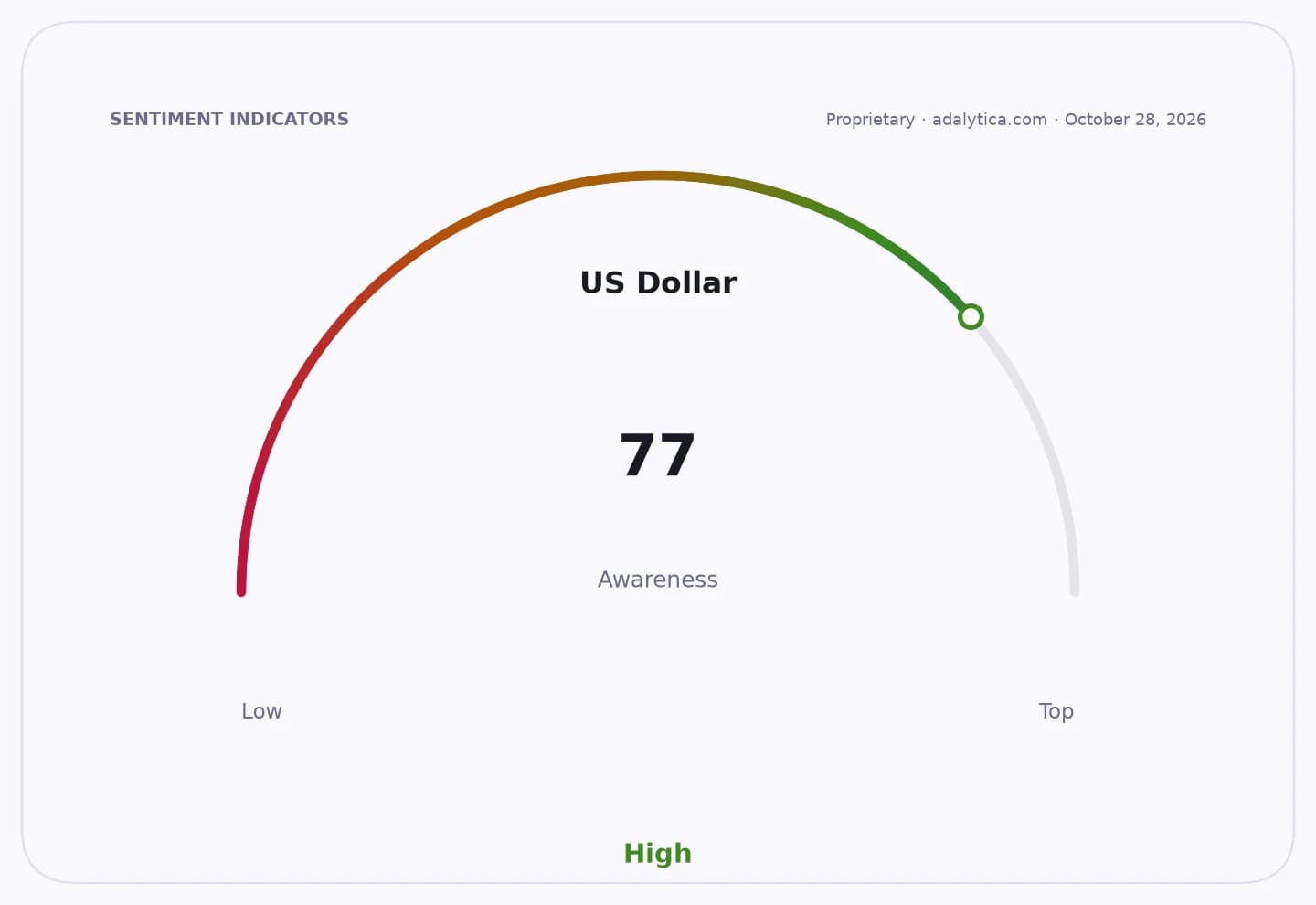
Sentiment Indicators
QatarEnergy has agreed to import 4 million tons of LNG a year from Cheniere Energy through 2054, one of the largest individual deals in the U.S. LNG market. Cheniere said it will supply the volumes from Sabine Pass and Corpus Christi, while Reuters reported QatarEnergy is also in advanced talks with Venture Global for another 3 million tons a year.
The deal follows March attacks on Qatar’s Ras Laffan complex that damaged two key production lines and knocked out about 17% of the country’s LNG export capacity. Qatari Energy Minister Saad Sherida Al-Kaabi said repairs could take about three years, while disruption in the Strait of Hormuz has further limited exports to only “very small” volumes.
For investors, the contract is a direct tailwind for U.S. LNG exporters and a reminder that long-dated offtake agreements remain the foundation of the sector’s cash flows. Cheniere shares have climbed 26% since the war began, while Venture Global shares are up 40%, reflecting expectations that buyers will lean harder on U.S. supply to diversify away from the Middle East.
The transaction is small relative to global LNG trade of more than 400 million tons a year, but it is strategically important because it signals how war is reshaping the market’s route map. It also helps Qatar preserve customer commitments while its own expansion plans at North Field are slowed by damaged infrastructure and a chokepoint it cannot bypass.
With more U.S. LNG projects still under development and Qatar weighing additional American supply, the next catalyst for the trade will be whether Hormuz risk persists and whether more buyers follow Qatar’s lead into long-term U.S. contracts.
| Entity | Gains | Losses |
|---|---|---|
| Cheniere Energy | ▲Long-term sales visibility | ▼Limited spare capacity risk |
| Venture Global | ▲Potential new Qatar contract | ▼Slower market share capture |
| QatarEnergy | ▲Supply security for commitments | ▼Higher dependence on U.S. cargoes |
| Qatar LNG rivals | ▲Tighter market discipline | ▼Lost leverage from Qatar disruption |