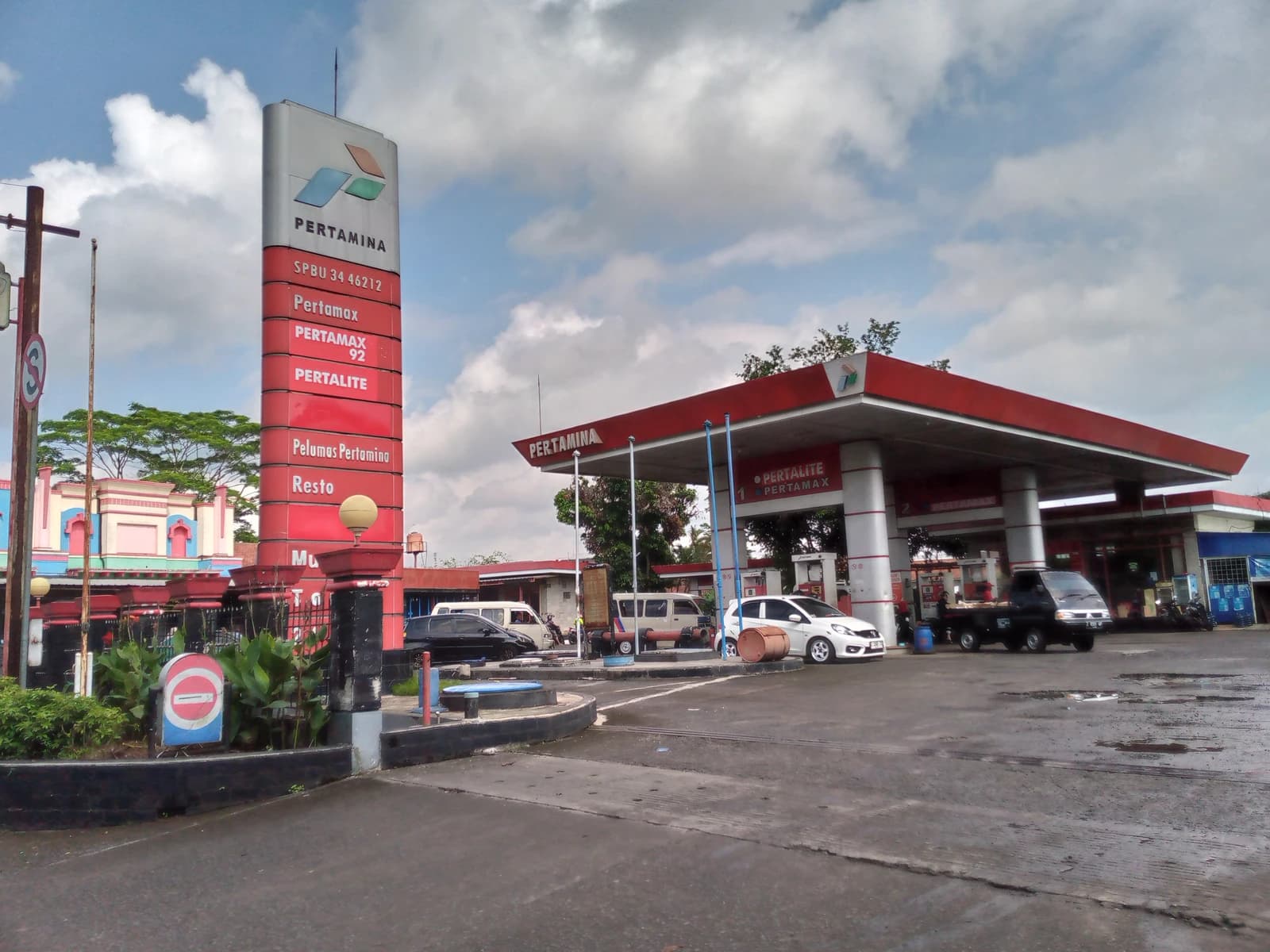
Indonesia's new fuel-import framework for state energy giant Pertamina is still not fully effective, leaving the company able to buy crude oil directly as the government pushes to shore up supply and build more storage.
Pertamina Can Still Buy Crude as Indonesia Delays Rollout
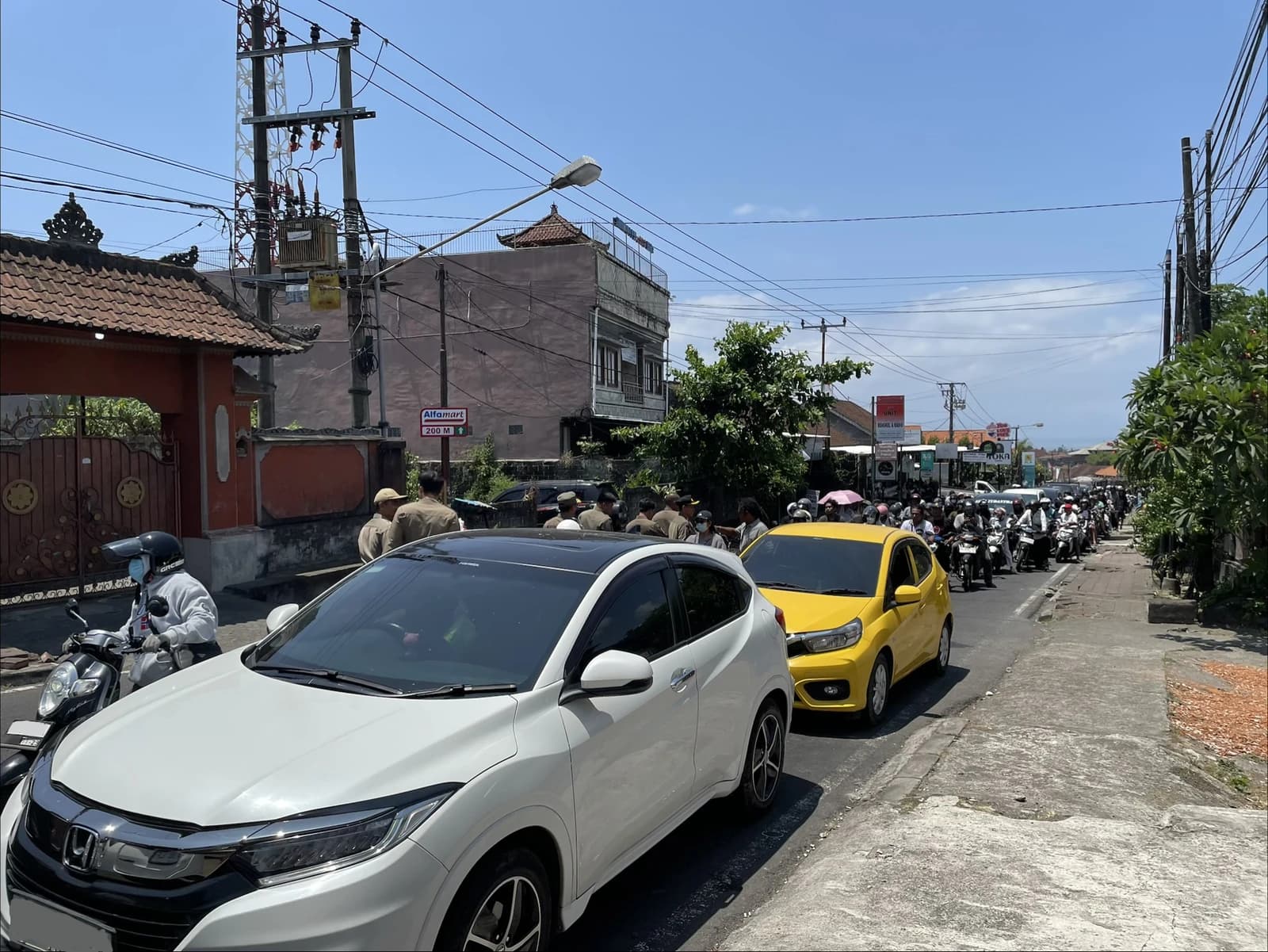
The unfinished rollout matters because Indonesia remains exposed to swings in global oil prices and shipping costs, while it works to reduce supply risk and strengthen energy security. Officials have been targeting storage capacity equal to about 60 days of crude demand, a move that would give Jakarta more flexibility when markets tighten or when import routes are disrupted.
Sentiment Indicators
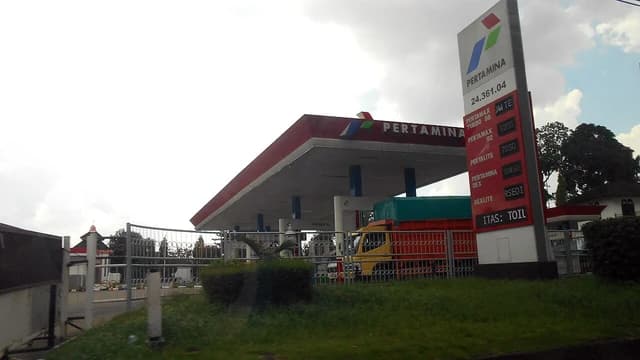
Pertamina's ability to continue direct imports also shows the transition away from a more centralized purchasing model is not complete. That gives the company room to manage procurement while new facilities in Sumatra are prepared and the government broadens sourcing to countries including China and India.
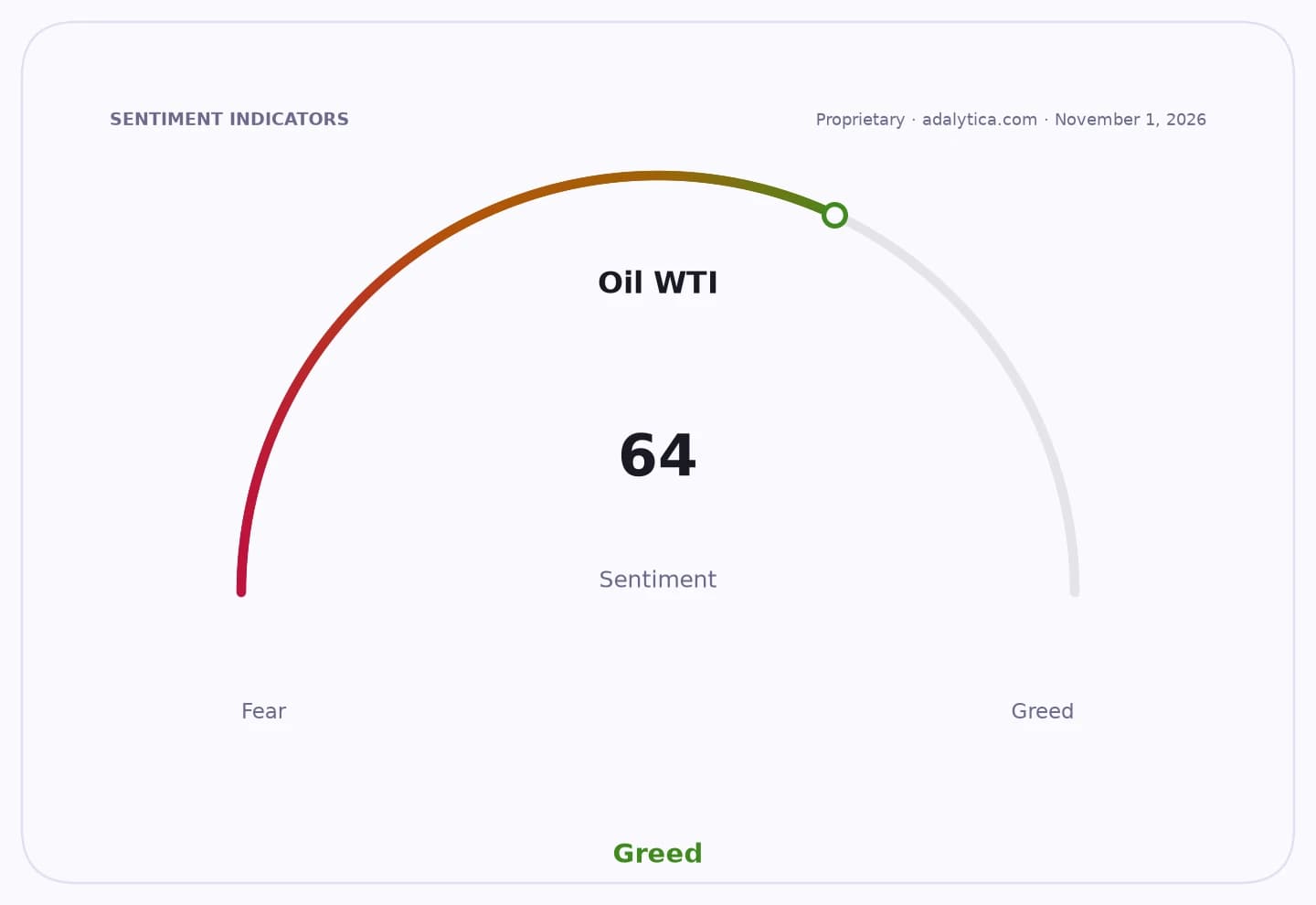
For investors, the key implication is that Indonesia's oil import bill and related logistics costs may remain sensitive to global crude volatility for longer than planned. Brent and U.S. crude have been unstable this year, and even a modest rebound in oil can quickly pressure fuel subsidies, margins and the trade balance in an economy that still relies on imported crude and refined products.
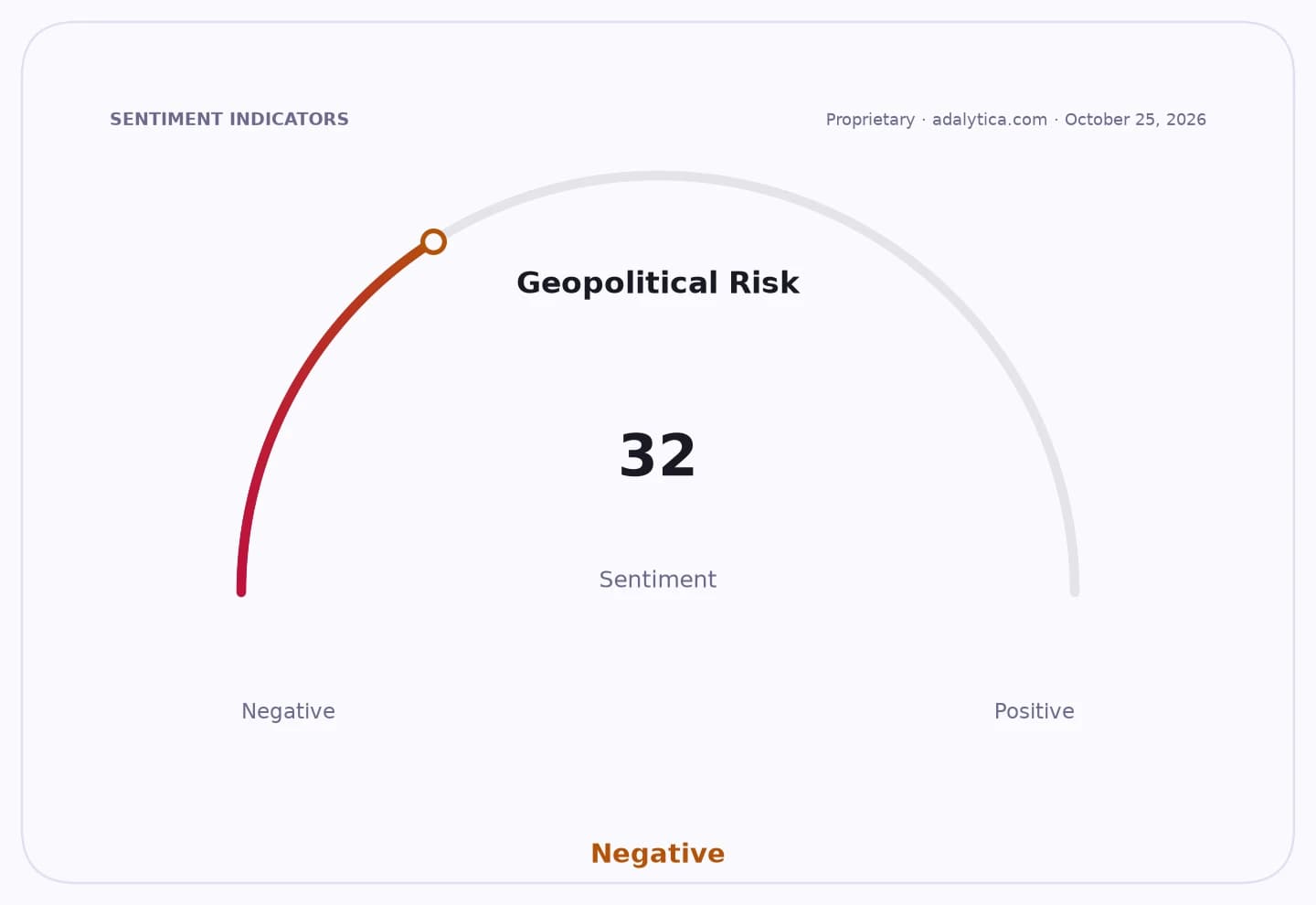
Geopolitical Risk
The backdrop is a softer U.S. dollar and a still-firm global risk tone, but neither removes the structural issue: Indonesia needs more storage, more supply channels and clearer purchasing rules before the market can assume the scheme is fully operational. Pertamina's ongoing tenders for crude and condensate for the first quarter of 2027 underline that procurement planning is still in motion rather than settled.
The next catalyst is whether Jakarta completes the BLU rollout and starts using the new storage capacity to centralize imports more effectively. Until then, direct purchasing by Pertamina leaves the system more flexible — but also less coordinated.
| Entity | Gains | Losses |
|---|---|---|
| Pertamina | ▲Procurement flexibility | ▼Less centralized control |
| Indonesian consumers | ▲Lower supply risk | ▼Exposure to oil swings |
| Government | ▲Energy security progress | ▼Delayed policy execution |
| Global suppliers | ▲More buying channels | ▼Less policy clarity |