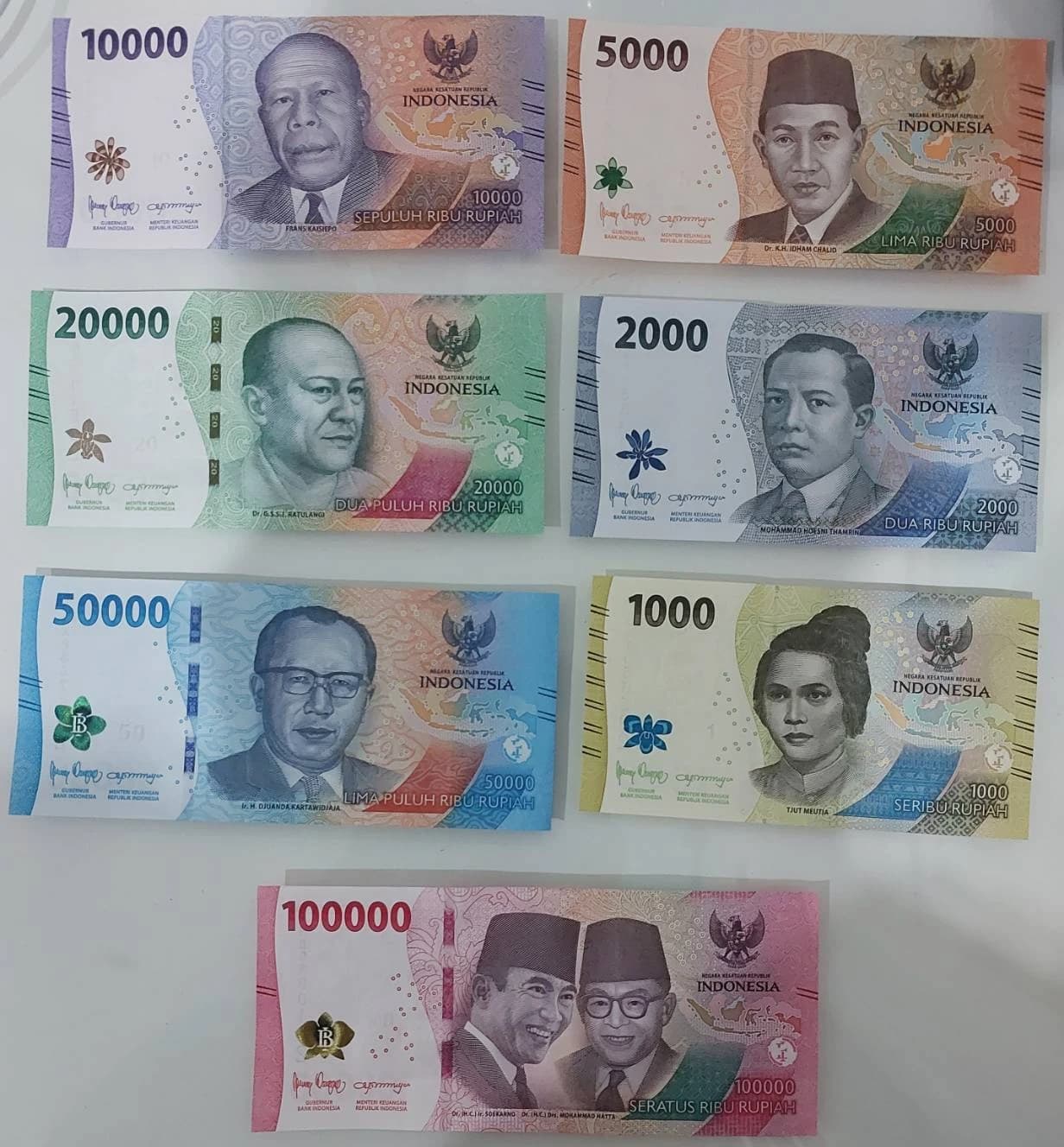
The Indonesian rupiah weakened to IDR 18,074 per dollar on Friday as a fresh spike in crude prices after attacks on Saudi energy assets rattled currency and bond markets across emerging Asia.
Indonesia rupiah falls on oil spike and Saudi attacks
The rupiah fell 14 points, or 0.08%, from Thursday’s close of IDR 18,060, with traders weighing the inflationary and external-account risks of higher oil. Indonesia is a net oil importer, so every jump in global crude typically widens the import bill, pressures fuel subsidies and raises the odds of foreign-exchange outflows.
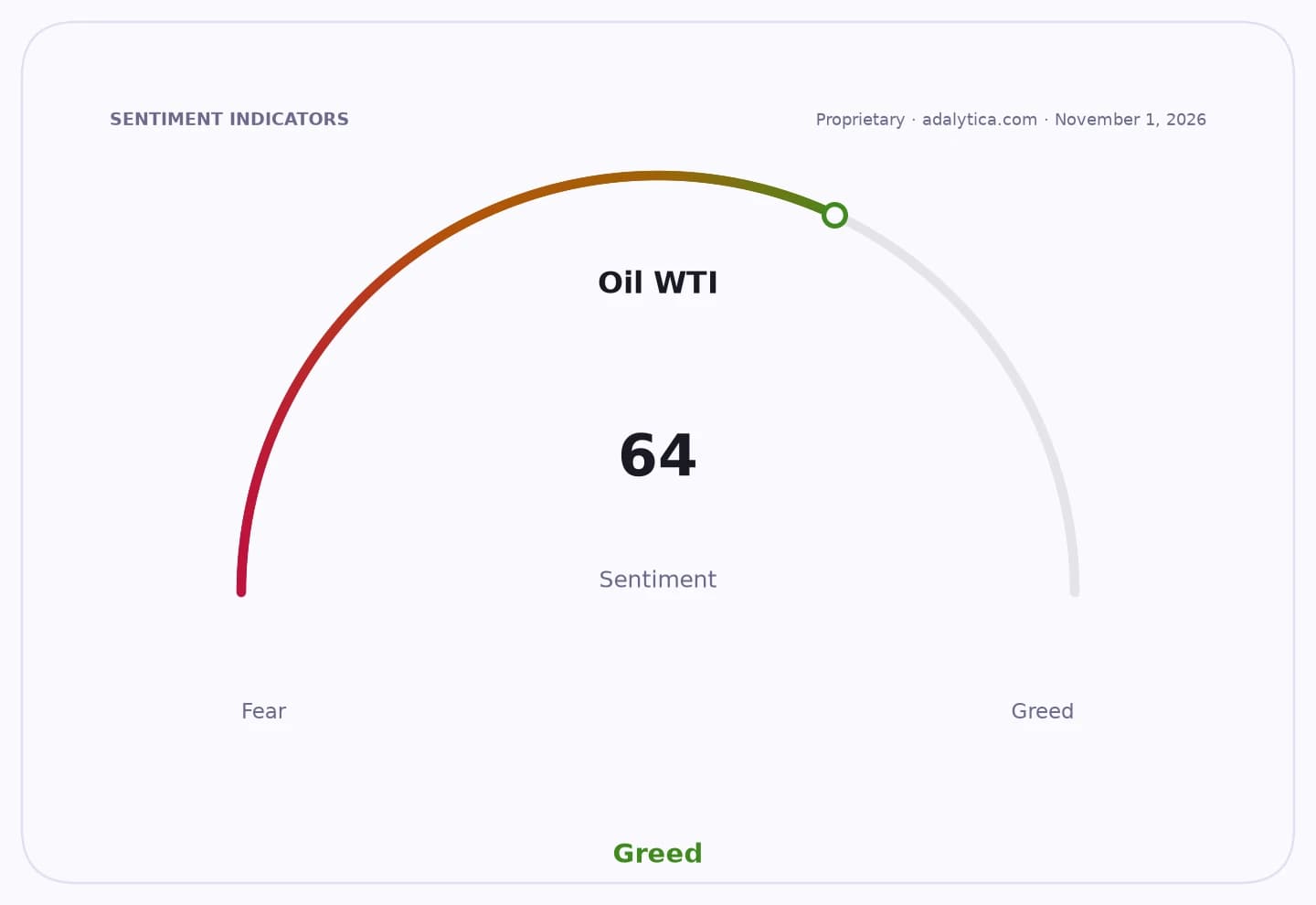
Sentiment Indicators
Benchmark Brent rose 2.4% to $111.40 a barrel and West Texas Intermediate gained 2.22% to $99.30 after a drone strike hit Saudi Aramco’s Shaybah oil field and Yemen’s Houthi movement said it planned further attacks on Saudi energy infrastructure. The new risk to supply from the Middle East is forcing investors back into the dollar and other havens, while undermining higher-yield emerging-market currencies.
Josua Pardede, chief economist at Permata Bank, said the surge in global oil prices was one of the main factors pressuring the rupiah. The move also came as the United States ordered some embassy staff and family members to leave its mission in Saudi Arabia, underscoring how geopolitical risk is feeding directly into markets.
Indonesia’s bond market reflected the same caution. The yield on the five-year government bond rose to 7.25%, up 41 basis points, while the 10-year yield edged down one basis point to 7.42%. Foreign holdings of Indonesian government debt fell by Rp3.66 trillion to Rp914 trillion as of Wednesday, equal to 13.02% of outstanding bonds, suggesting overseas investors are trimming exposure as energy and rate risks rise.
Trading in government bonds also slowed, with Thursday turnover at Rp18.28 trillion, down from Rp24.39 trillion in the previous session. The mixed move in yields points to a market still trying to balance higher inflation expectations against demand for duration.
For investors, the key question is whether the oil shock proves temporary or extends long enough to worsen Indonesia’s trade balance and keep pressure on the rupiah. Any further escalation in Saudi Arabia or the Strait of Hormuz would likely keep EMFX under strain and could push local rates and bond volatility higher.
| Entity | Gains | Losses |
|---|---|---|
| Oil producers | ▲Higher crude prices | ▼Volatile demand outlook |
| Indonesia importers | ▲None | ▼Higher fuel and hedging costs |
| Bondholders in Indonesia | ▲Higher yields for new buyers | ▼Price losses on existing debt |
| Dollar and havens | ▲Safe-haven inflows | ▼Risk assets and EM currencies |