The rupiah slid to 18,080 per U.S. dollar at the end of last week, capping a volatile stretch as a stronger greenback and rising oil prices intensified pressure on Indonesia’s currency.
Rupiah Falls to 18,080 as Dollar Strengthens
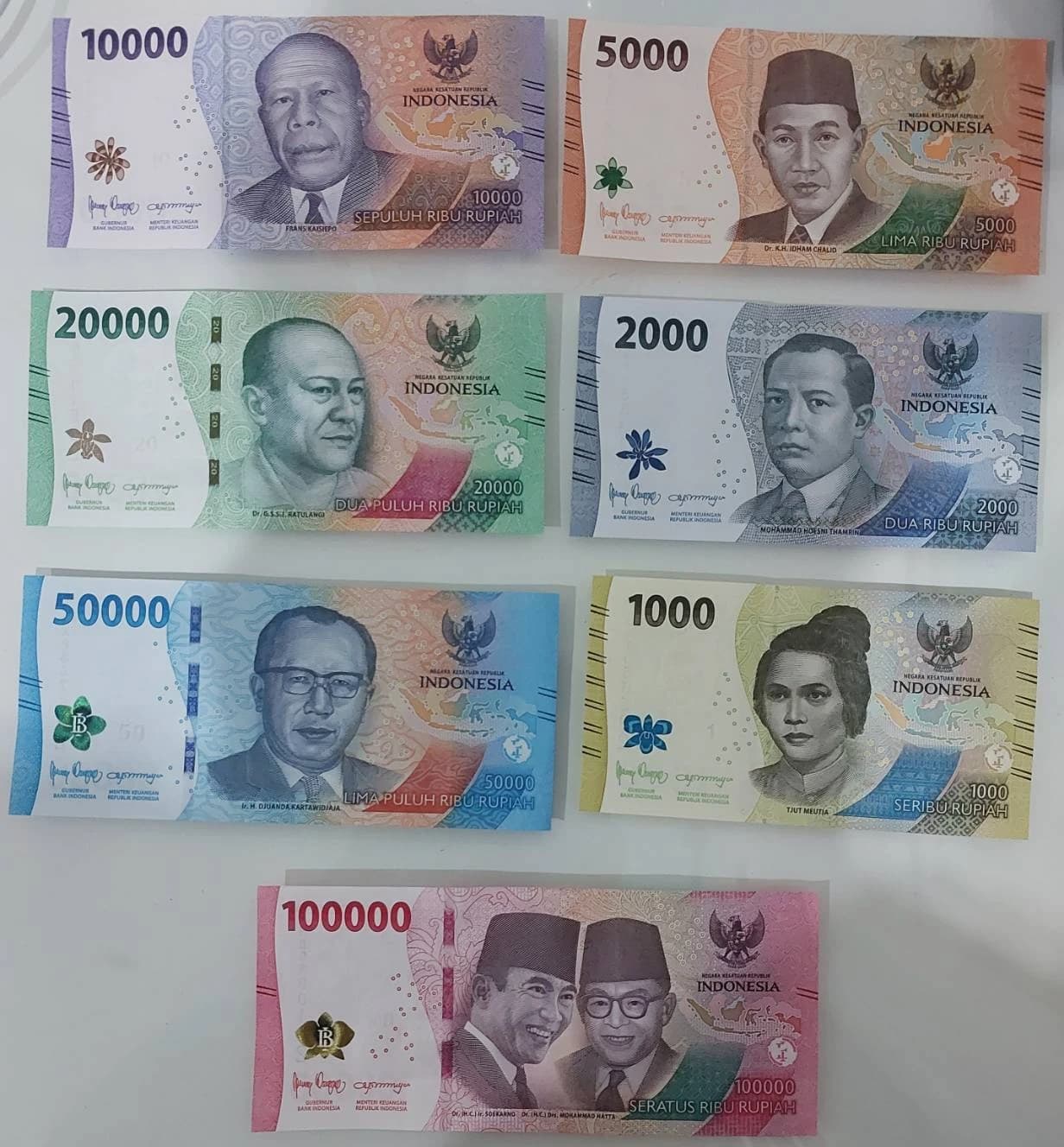
The move leaves the rupiah down 34 points, or 0.18%, from 18,046 a week earlier and highlights how quickly external shocks are feeding into local FX markets. Traders are now watching whether the currency can hold near the 18,080 to 18,130 range cited for Monday, with one-week projections stretching from 17,900 to 18,250.
Sentiment Indicators
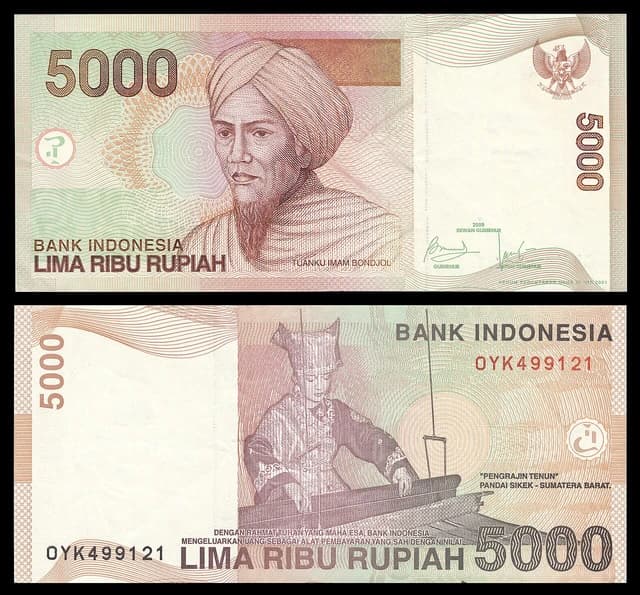
The latest weakness matters economically because a softer rupiah raises import costs and can add to inflationary pressure just as energy markets are becoming less stable. Ibrahim Assuaibi, director at PT Traze Andalan Futures, said the currency is increasingly vulnerable to renewed concerns over energy supply disruptions tied to Middle East tensions, while domestic pressure is also building from oil prices climbing toward $100 a barrel.
For investors, the rupiah’s slide raises the risk of heavier intervention, tighter policy expectations and more volatility across Indonesian assets. Currency pressure can also weigh on companies with dollar-denominated liabilities and lift costs for import-dependent sectors, while exporters may get some support from the weaker exchange rate.
US Dollar
The week’s price action showed that support for the rupiah was fragile even when it briefly firmed. It opened on Oct. 19 at 18,031, recovered to 17,992 on Oct. 20, then reversed sharply and kept weakening into Friday’s close at 18,080.
Broader market tone around the dollar has remained firm, with traders also tracking shifts in U.S. monetary policy expectations and global risk sentiment. For the rupiah, the immediate catalyst remains the same: any further rise in oil prices or escalation in geopolitical stress could push the currency deeper into the weaker end of its near-term range.
| Entity | Gains | Losses |
|---|---|---|
| U.S. dollar bulls | ▲Stronger FX momentum | ▼Emerging-market currencies |
| Indonesian exporters | ▲Better rupiah receipts | ▼Importers and consumers |
| Oil producers | ▲Higher crude prices | ▼Energy importers |
| Bank Indonesia | ▲Potential policy support case | ▼FX stability and inflation control |