The Indonesian rupiah’s latest slide and Bank Indonesia’s intervention campaign are reviving memories of the 1998 crisis, when the currency was stabilized after plunging to around 6,500 per US dollar under President BJ Habibie. That history matters now because it frames the market’s core question: whether the central bank can again slow a disorderly move in the rupiah without exhausting policy room or damaging growth.
Indonesian Rupiah Falls as Bank Indonesia Intervenes
The comparison is not exact, but the economic logic is. In both episodes, a rapid weakening of the currency threatened inflation, capital outflows and confidence in the wider financial system. Today, the rupiah is under pressure from a stronger dollar, swings in domestic risk assets and persistent demand for foreign exchange, forcing Bank Indonesia to lean more heavily on swaps, nondeliverable forward instruments and higher yields to keep liquidity from slipping away.
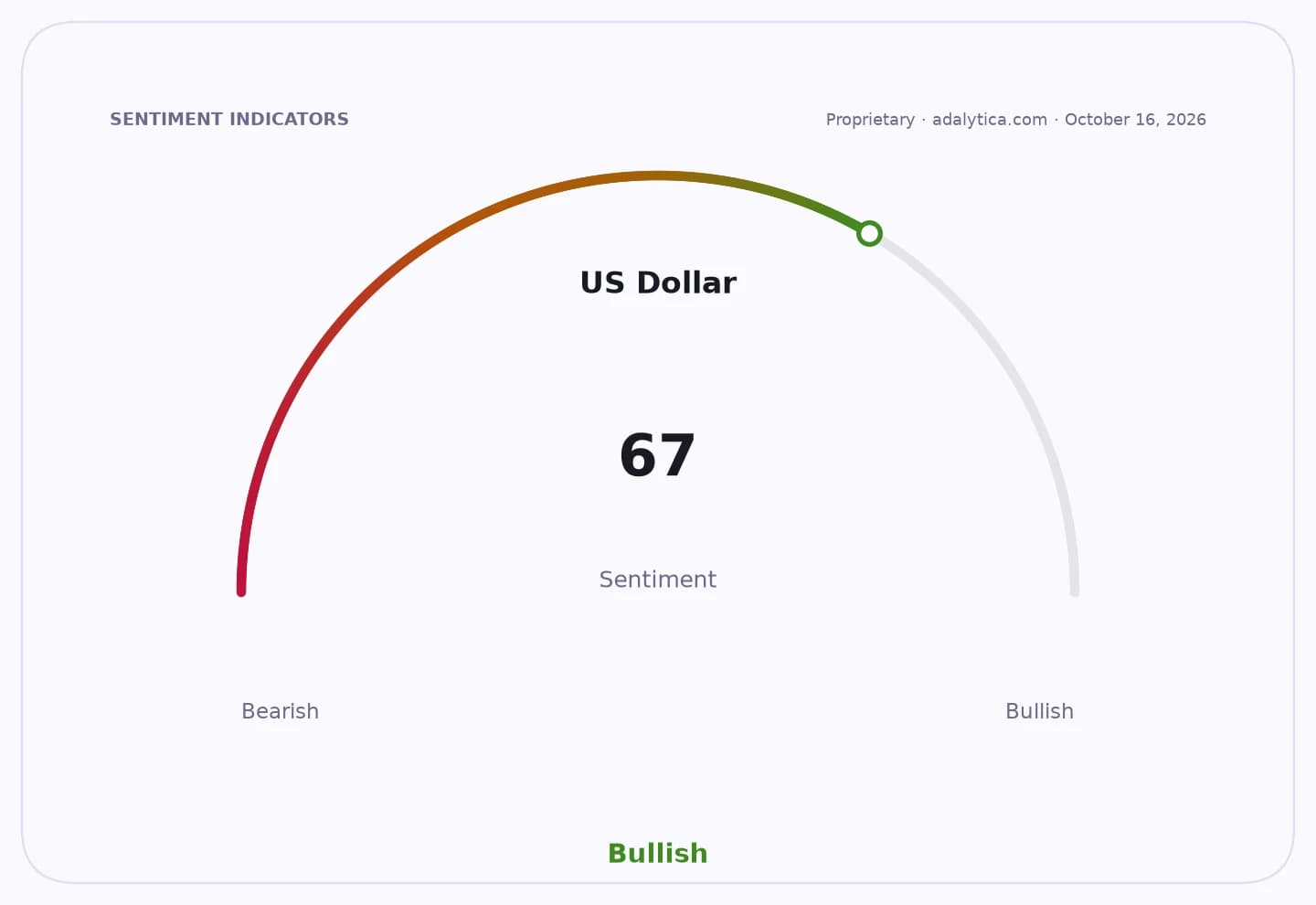
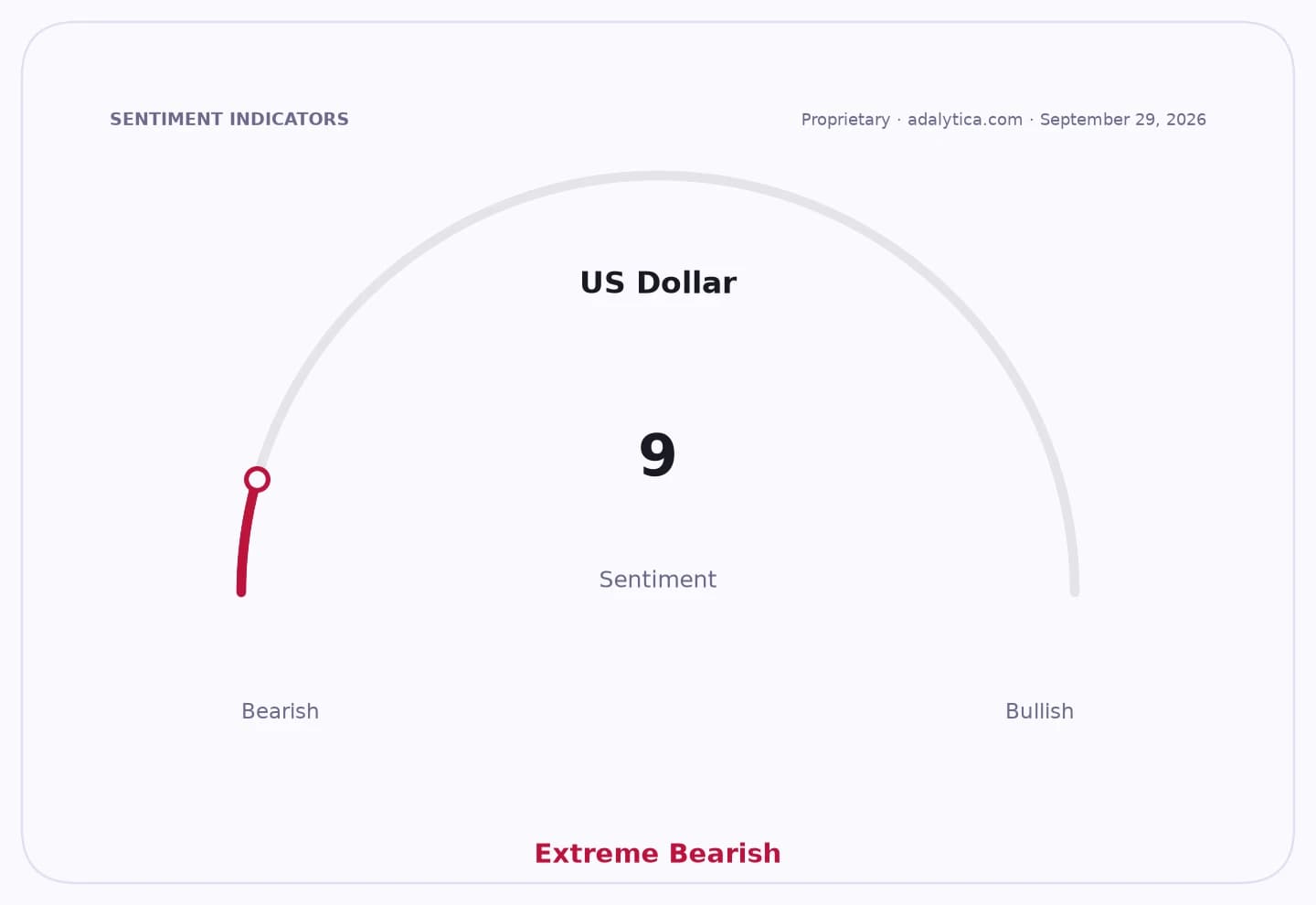
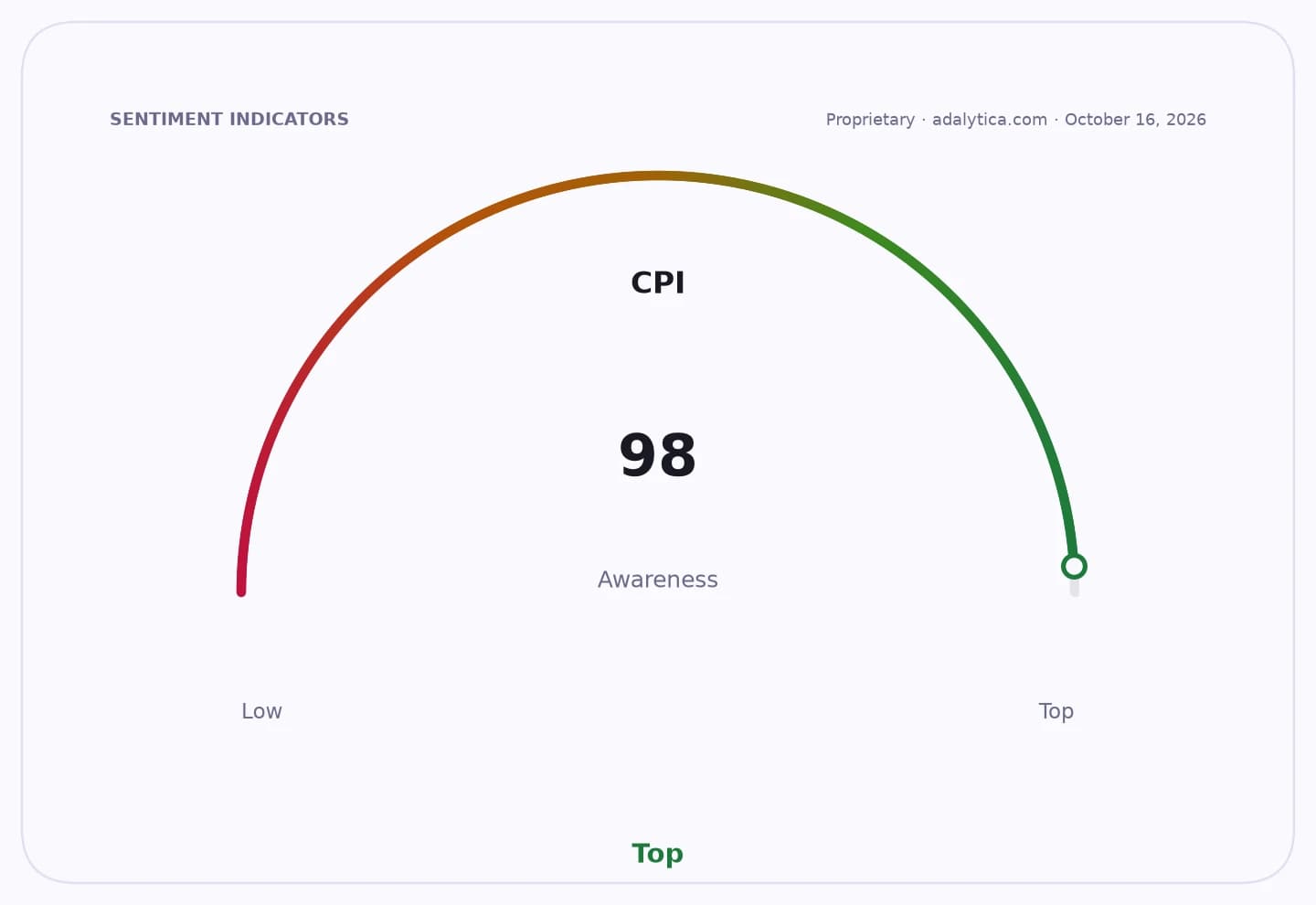
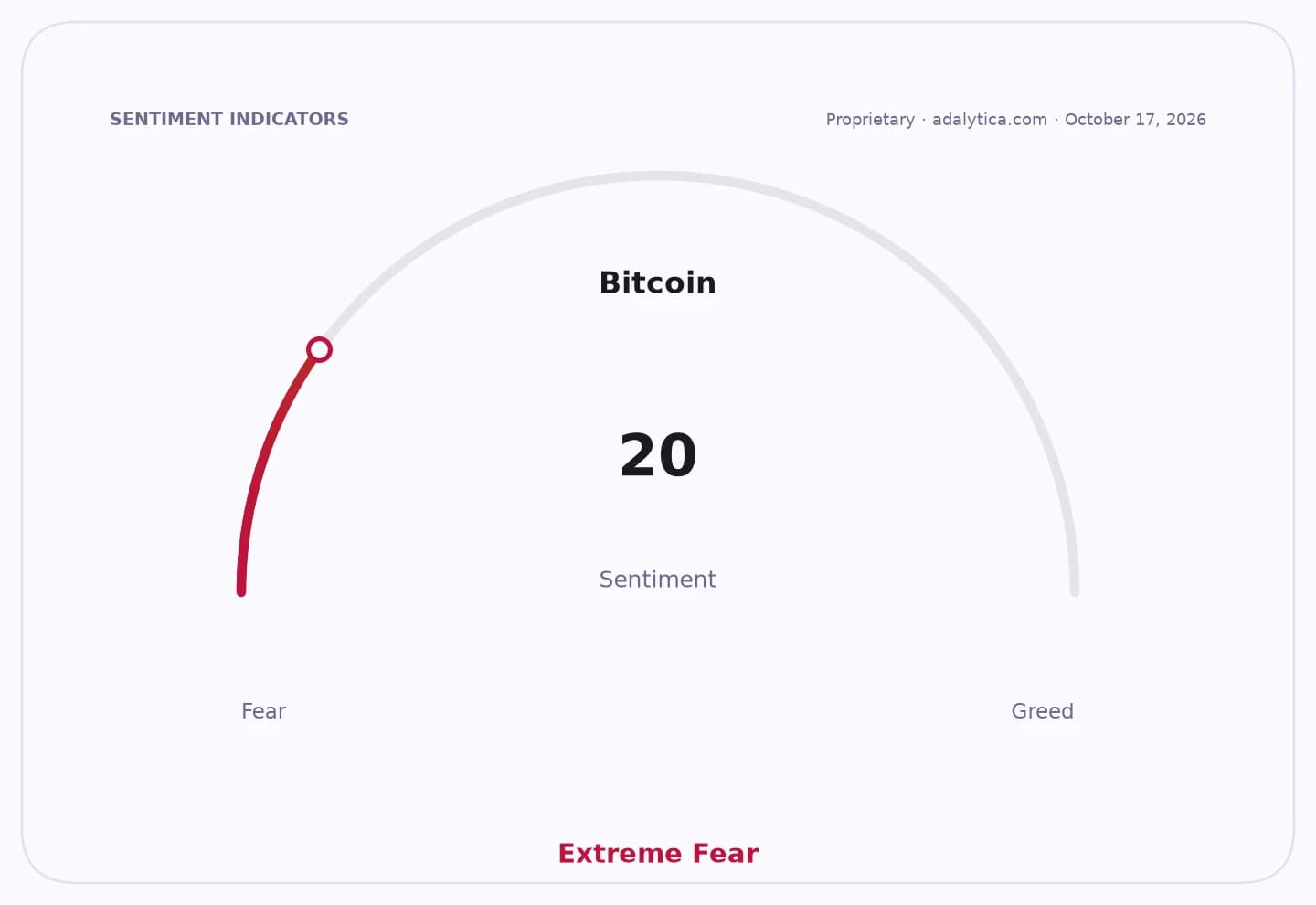
Sentiment IndicatorsⓘProprietary · adalytica.com · October 22, 2026
This is a snapshot — live sentiment, awareness and momentum for 130+ markets update continuously in the dashboard.Open AlphaPulse
The rupiah last closed at 17,992 per dollar after earlier this week touching around 18,060, while market participants have warned of a possible drift toward 18,200 if dollar strength persists. Bank Indonesia says its stepped-up intervention has helped attract as much as US$8.5 billion in support flows, underscoring how much of the defense is being carried by the central bank rather than by a natural improvement in external conditions.
That matters economically because a weaker rupiah raises the local cost of imported energy, food and manufactured inputs at a time when households and firms are already sensitive to higher borrowing costs. It also complicates monetary policy: raising rates can support the currency, but it can also slow credit and investment, especially if markets begin to assume the central bank will need to stay tight for longer.
For investors, the currency’s path is becoming a key read-through for Indonesian assets. A stable rupiah can calm inflation expectations, support foreign inflows into bonds and equities, and reduce hedging costs for companies with dollar liabilities. A disorderly move would do the opposite, pressuring bank earnings, importers and rate-sensitive sectors while favoring exporters and firms with foreign-currency revenue.
The backdrop also helps explain why the dollar itself is central to the story. Adalytica’s US Dollar Trade Signals show neutral sentiment at 37 but extreme-fear awareness, while FX volatility readings are in extreme fear, pointing to a market still wary of sharp swings in currency pricing. Broader global stability sentiment has also weakened, which fits with the risk-off tone feeding demand for dollars.
The lesson from 1998 is not that history will repeat, but that currency credibility can turn quickly when markets doubt policy capacity. If Bank Indonesia can keep volatility contained, the rupiah may remain a managed stress point rather than a crisis catalyst. If it cannot, the market will increasingly test where intervention ends and structural pressure begins.
| Entity | Gains | Losses |
|---|---|---|
| Bank Indonesia | ▲Short-term stability | ▼Policy flexibility |
| Indonesian exporters | ▲Higher rupiah receipts | ▼Imported input costs |
| Indonesian importers | ▲— | ▼Higher dollar bills |
| Dollar longs | ▲Safe-haven demand | ▼Intervention-driven pullback |