Indonesia’s finance ministry is drawing a bright line around crypto: it will not be treated as money, but it will still be taxed like an asset.
Indonesia Says Crypto Is Taxable, Not Legal Tender
That matters because the country is signaling to investors, exchanges and users that digital tokens can remain part of the financial system without being elevated to legal tender status. For long-term investors, the message is less about a daily price move in Bitcoin and more about the shape of the market Indonesia wants to build — one with clear rules, enforceable taxes and a narrower role for speculation as authorities try to keep the rupiah at the center of payments.
Deputy Finance Minister Nurkholisoh Ibnu Aman said crypto is not a legal means of payment in Indonesia, where only the rupiah is recognized as official currency, but that sales of crypto assets remain taxable. He compared crypto to a motorcycle or a house: not something you use to pay for groceries, but still an asset that can generate taxable gains when sold.
That distinction is economically important. Governments across Southeast Asia are under pressure to capture revenue from the digital economy without legitimizing private cryptocurrencies as money. Indonesia’s stance protects monetary sovereignty while still allowing the state to collect tax receipts from a growing asset class. In other words, the government is not banning crypto; it is putting it in the same bucket as other taxable investments.
For investors, the practical takeaway is clarity, and clarity matters. Rules that separate payments from investing reduce the odds of sudden policy shocks. They also suggest crypto trading in Indonesia is likely to remain a regulated, taxable activity rather than a prohibited one, which is better for institutional participation over time. Long-term capital tends to prefer markets where the tax treatment is visible and the legal framework is stable.
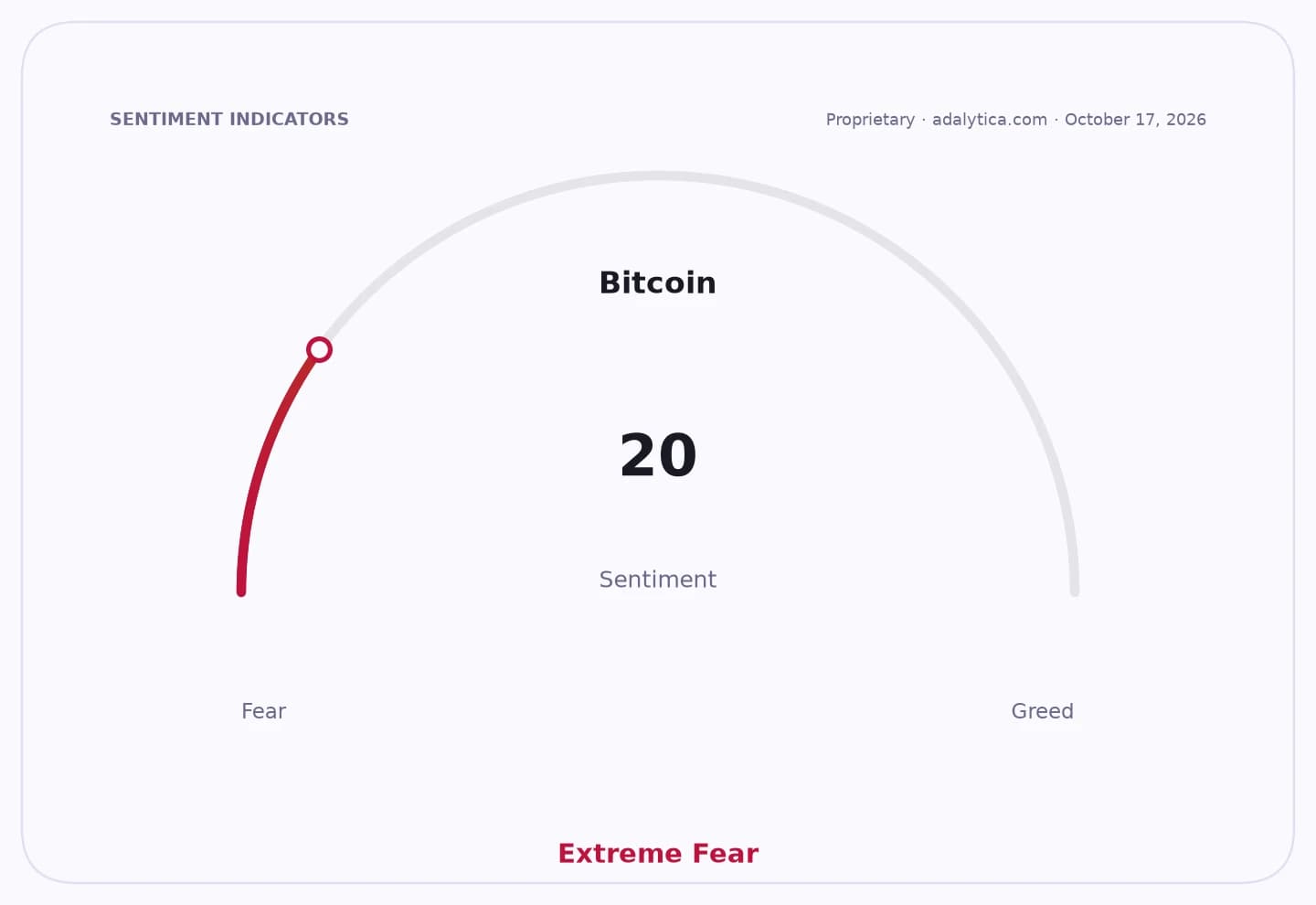
The timing is notable because Bitcoin is already in a fragile technical position. The token recently traded around $36,000, above its 50-day moving average and 200-day moving average, but momentum has been softening. RSI readings in the low 40s point to a market that is neither overbought nor strongly recovering, while the broader mood tracked by Adalytica’s Bitcoin Fear & Greed Index sits in “Fear” territory at 20. That combination suggests investors are cautious even before any new policy details are translated into actual tax enforcement.
The broader narrative is the same one playing out in many countries: governments want the innovation, the jobs and the transaction activity, but they do not want crypto to compete with sovereign money. Indonesia’s latest comments fit that pattern. They also reinforce a second theme that long-term investors should not ignore — in crypto, regulation is increasingly a feature, not a bug.
For holders and traders, the near-term question is whether clearer tax rules improve adoption at the margin or simply add another layer of cost. Either way, the direction of travel is obvious: crypto in Indonesia appears likely to be treated as a taxable investment asset, not a currency substitute. That makes the space more investable for disciplined participants, but it also reminds speculators that governments are getting better at defining the rules of the game.
| Entity | Gains | Losses |
|---|---|---|
| Indonesian government | ▲tax revenue | ▼currency substitution |
| Crypto exchanges | ▲regulatory clarity | ▼payment-use narrative |
| Long-term investors | ▲clearer rules | ▼policy ambiguity |
| Crypto speculators | ▲market access | ▼tax-free gains |