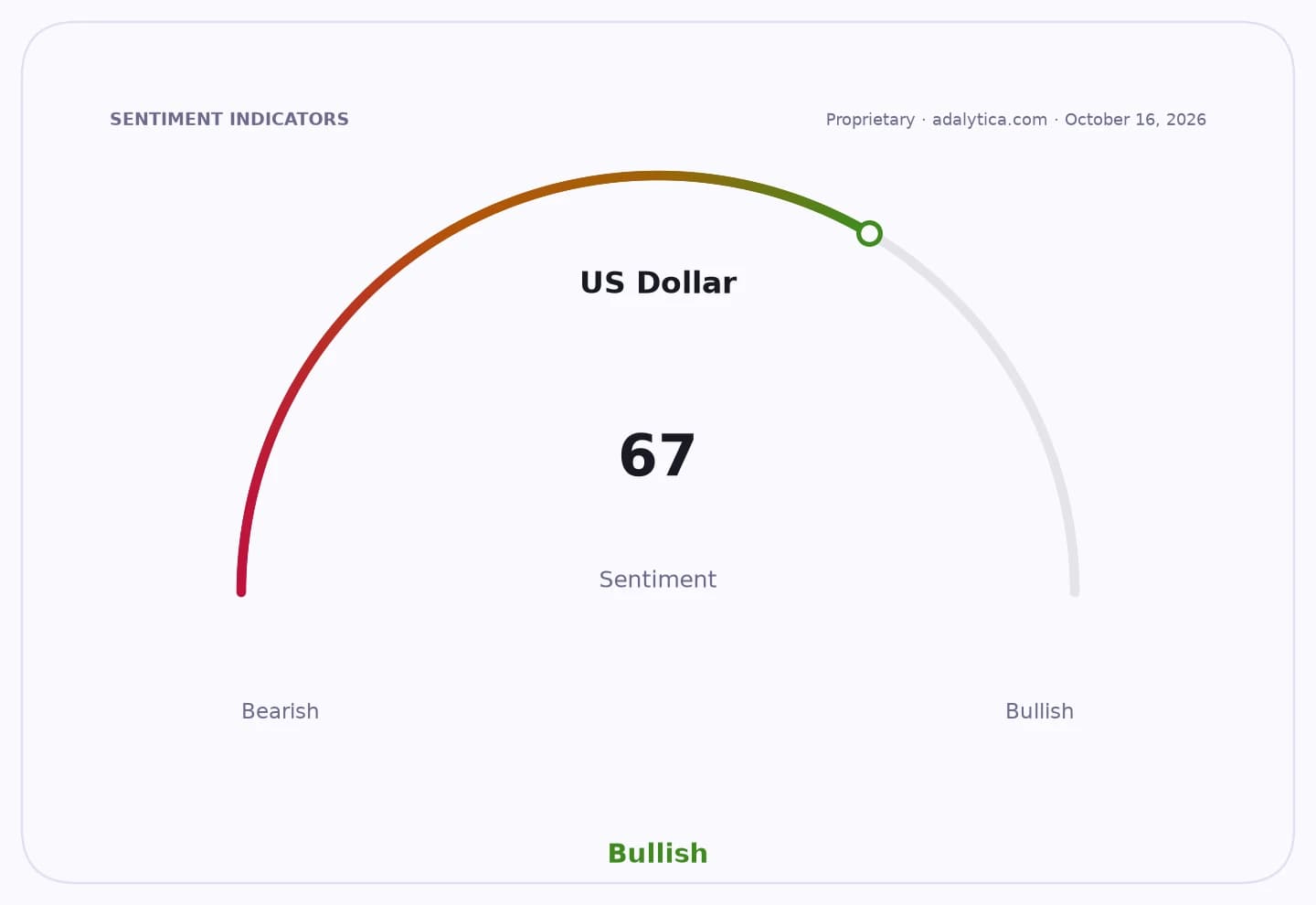
The rupiah is facing another round of pressure as investors brace for hotter US inflation and a widening Indonesian current-account deficit, a combination that could keep the currency pinned near 17,950 per dollar in the near term.
Rupiah Nears 17,950 on US Inflation, Deficit

That matters because currencies are never just a trading story. A weaker rupiah can filter quickly into imported inflation, corporate hedging costs and foreign capital flows, especially when the US dollar is still firm and markets are waiting for the next US consumer-price reading to judge how fast the Federal Reserve can cut rates. In plain English: if US inflation stays sticky, the dollar stays supported, and emerging-market currencies like Indonesia’s usually have a harder time finding a floor.
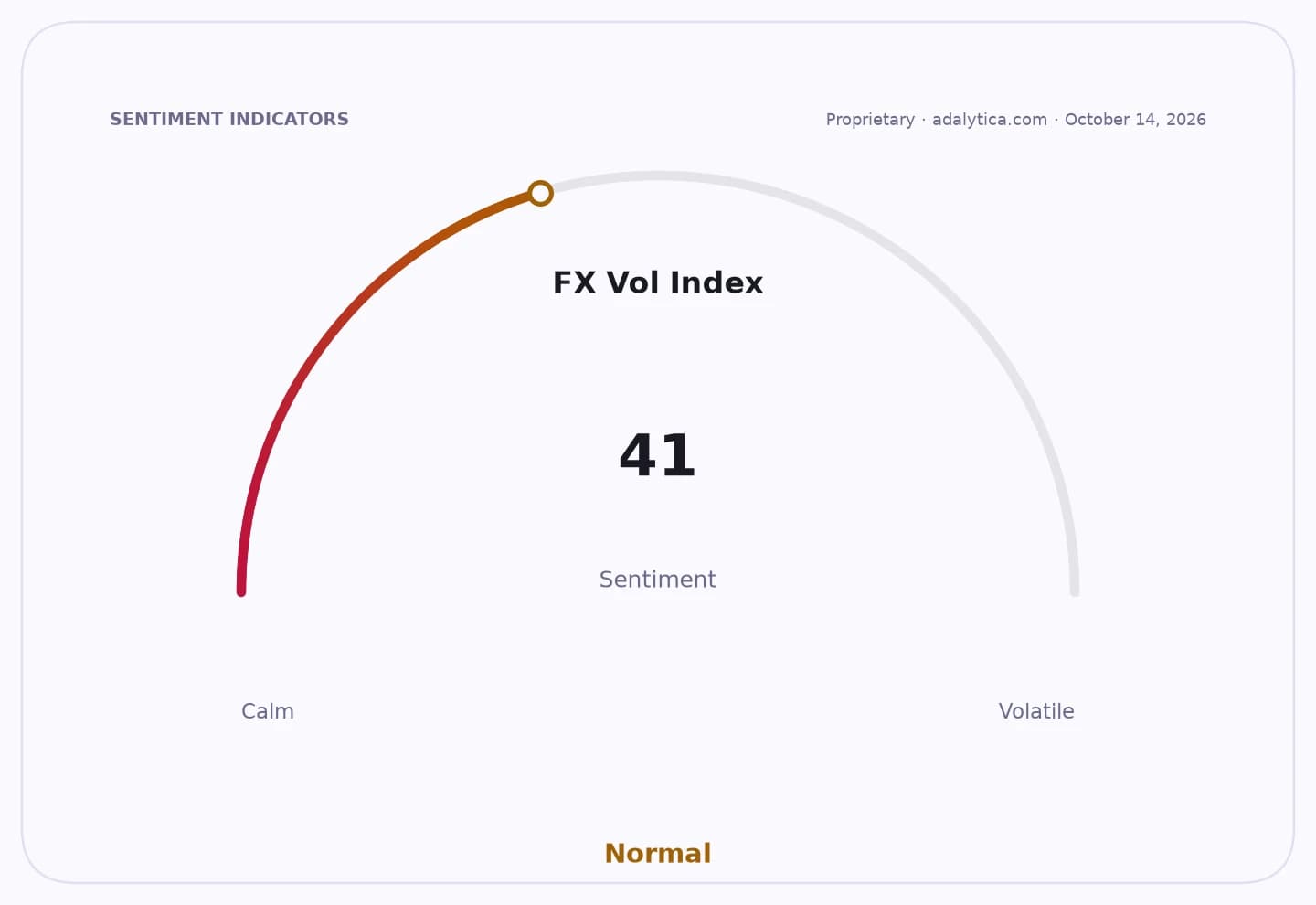
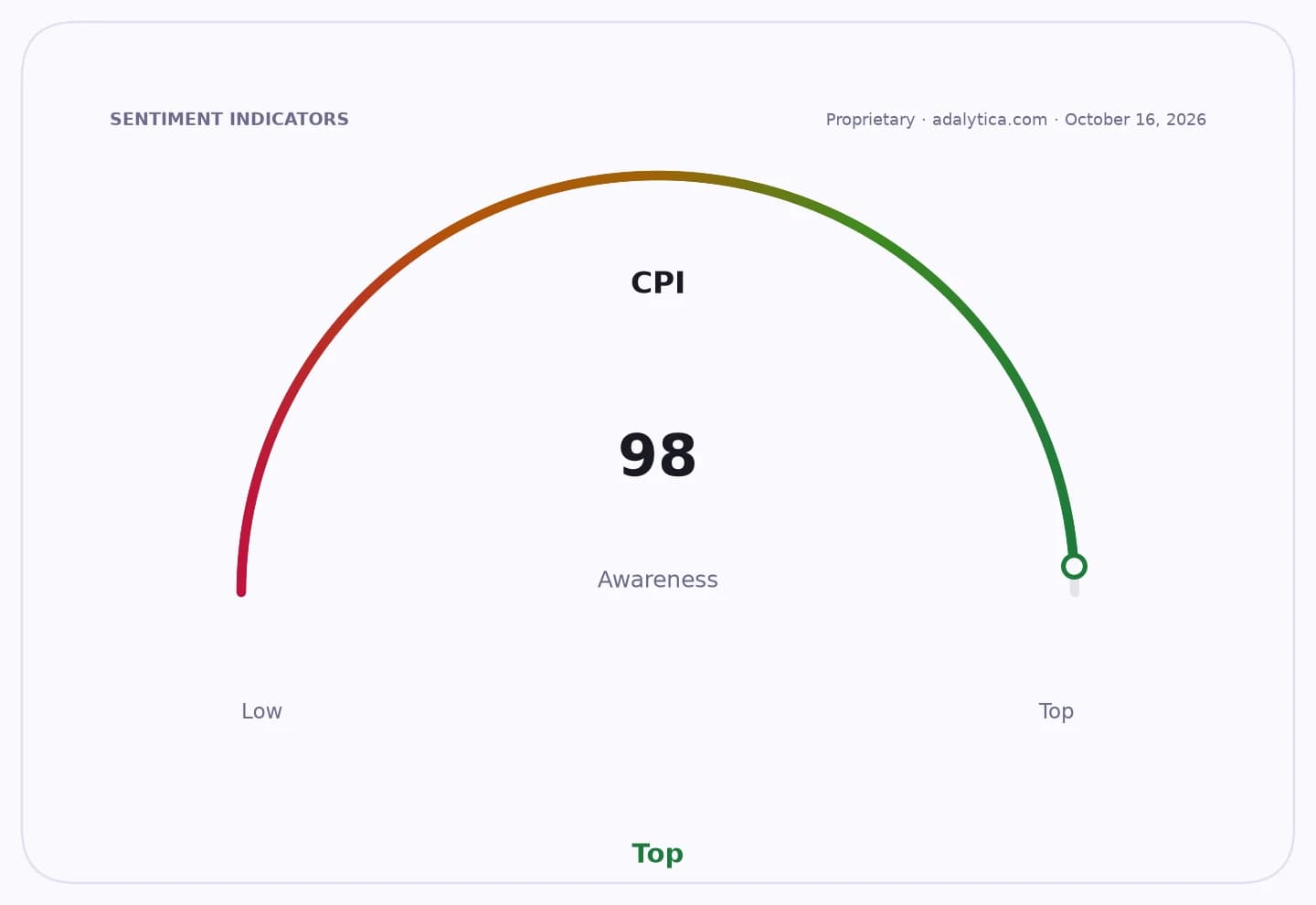
Sentiment IndicatorsⓘProprietary · adalytica.com · October 16, 2026
This is a snapshot — live sentiment, awareness and momentum for 130+ markets update continuously in the dashboard.Open AlphaPulse
For Indonesia, the domestic backdrop is making the problem worse rather than better. Analysts are already warning that the current-account gap is set to widen, which tends to increase the economy’s reliance on foreign funding at a time when global investors are more defensive. That is a difficult mix for a country whose currency has already slipped from the 17,800 area to 17,943 on Thursday, after touching as weak as 18,035 in recent trading.
The move also fits the technical picture. On the daily chart, the dollar-rupiah pair has been trading above both its 50-day and 200-day moving averages, while momentum indicators have repeatedly shown the market leaning toward further rupiah weakness rather than stabilization. That does not guarantee a straight-line move lower, but it does suggest the burden of proof is on the rupiah to prove it can recover.

Investors should care because exchange-rate pressure is one of the fastest ways macro stress shows up in portfolios. Importers face higher costs, companies with dollar debt see balance-sheet strain, and local assets can lose appeal if the market expects the central bank to spend more reserves defending the currency. Bank Indonesia has already had to step up intervention and supervision, which underscores how seriously officials are taking the move.
There is also a broader global story here. The IMF has been warning that geopolitics and technology disruption are reshaping the world economy, but in the near term the old-fashioned force of US inflation still matters most for Indonesia. If the September CPI comes in hot, Treasury yields and the dollar could stay elevated, leaving the rupiah vulnerable to further depreciation despite Indonesia’s still-solid growth outlook.
For long-term investors, the message is not to panic but to prepare. Currency weakness can create opportunities in export-oriented businesses and diversified funds, while punishing companies that depend heavily on imports or dollar liabilities. The key question over the next few months is whether Indonesia can narrow its external deficit and whether US inflation cools enough to revive Fed-cut bets. Until then, the rupiah looks like a market worth watching closely, not chasing.
| Entity | Gains | Losses |
|---|---|---|
| US dollar | ▲Firmer demand | ▼Emerging-market currencies |
| Indonesian exporters | ▲Better rupiah revenue translation | ▼Import-dependent companies |
| Bank Indonesia | ▲Justifies intervention | ▼FX reserves and policy room |
| Foreign-currency borrowers | ▲— | ▼Higher debt-servicing costs |