Indonesia has vowed to keep subsidized fuel prices unchanged even as its benchmark crude price has climbed to about $92 a barrel, forcing the government to absorb a widening gap between energy costs and the assumptions baked into the 2026 budget.
Indonesia keeps subsidized fuel prices unchanged
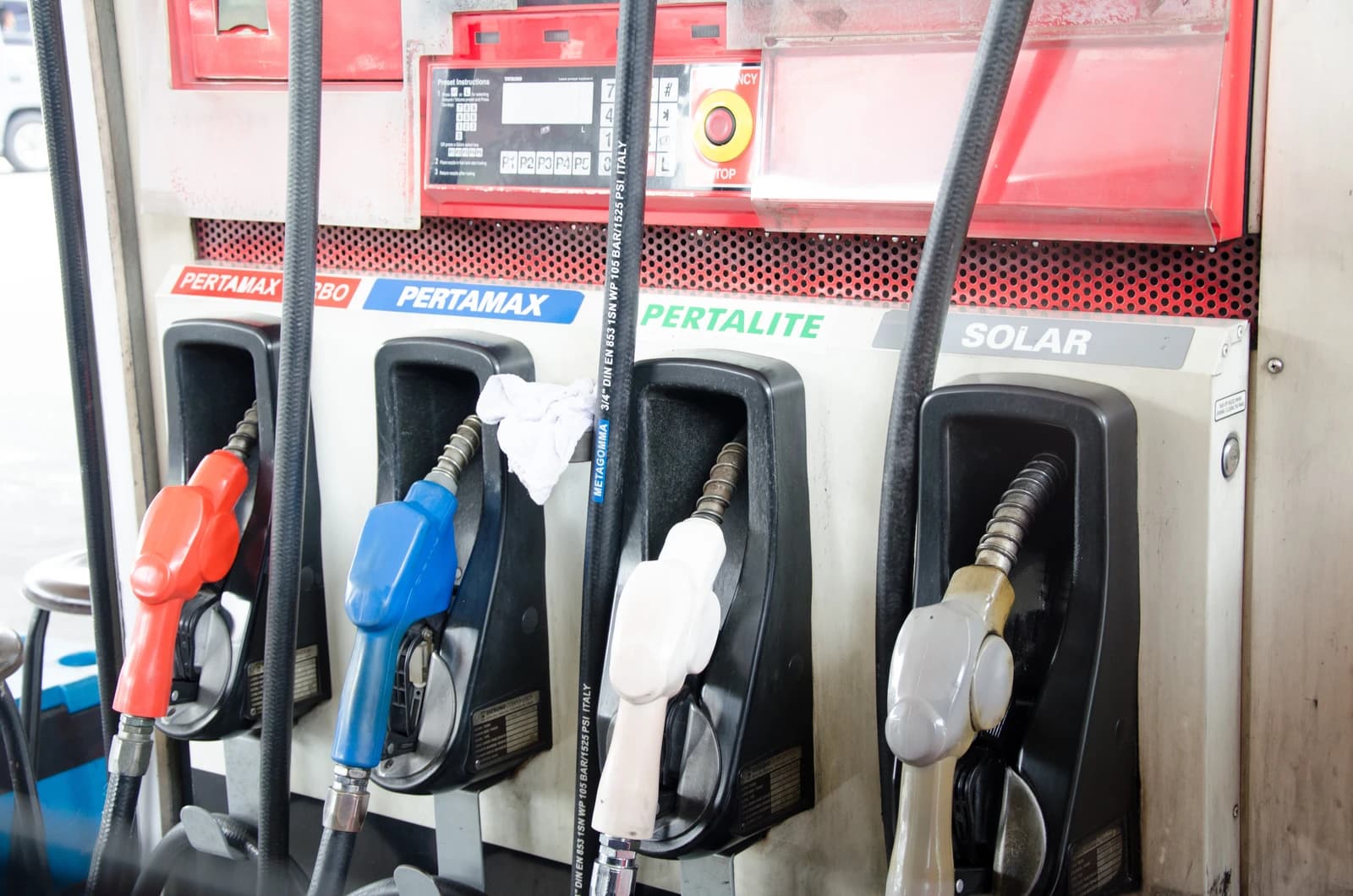
The policy decision matters because it protects households and transport costs in the near term, but it also shifts the burden onto the state balance sheet just as global oil is strengthening again. Energy and Mineral Resources Minister Bahlil Lahadalia said the government is already calculating the extra subsidy “top-up” needed to keep subsidized fuel prices steady through the end of 2026. The gap is significant: the administration’s budget assumption for crude is around $70 a barrel, roughly $22 below the current Indonesian Crude Price.
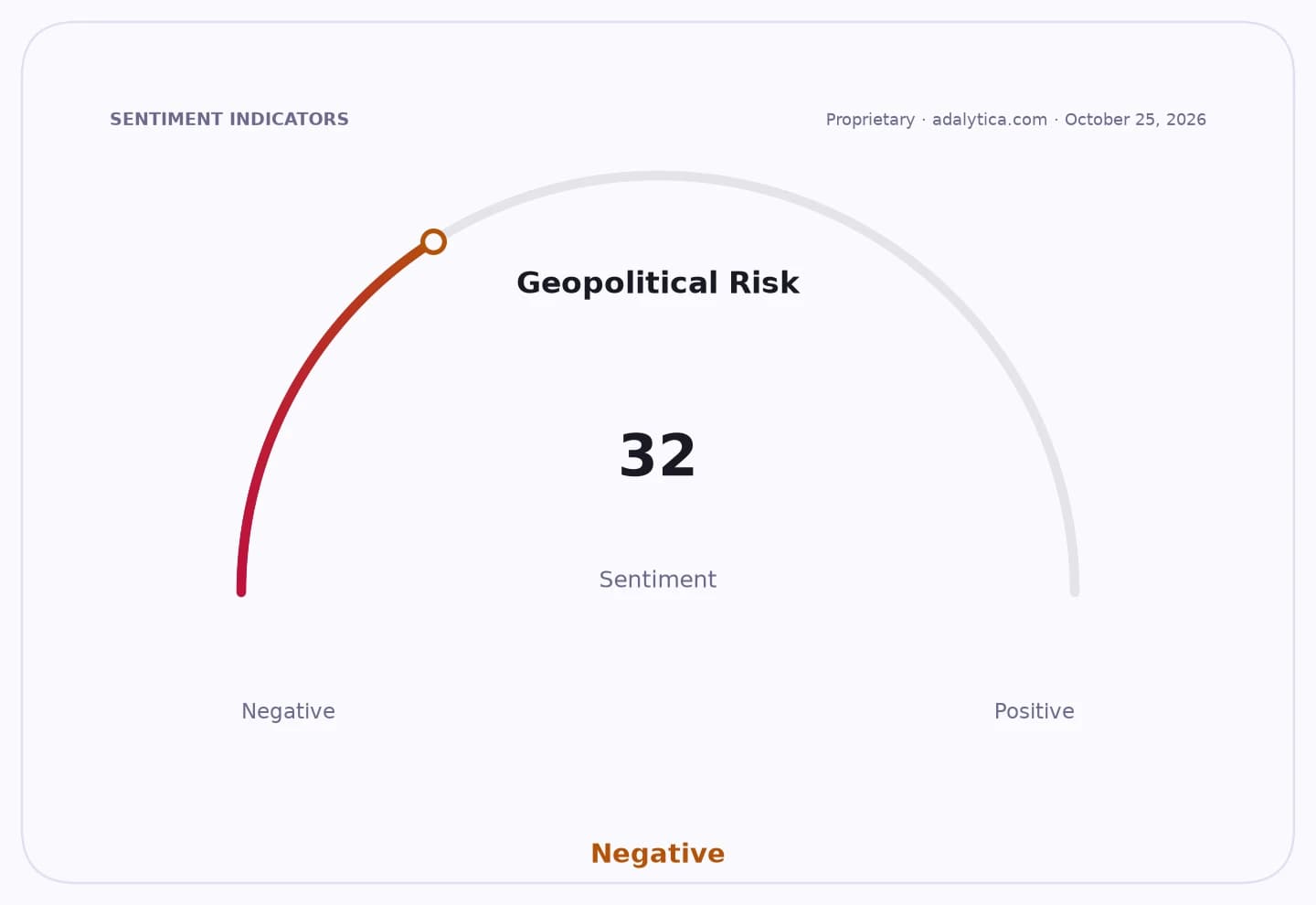
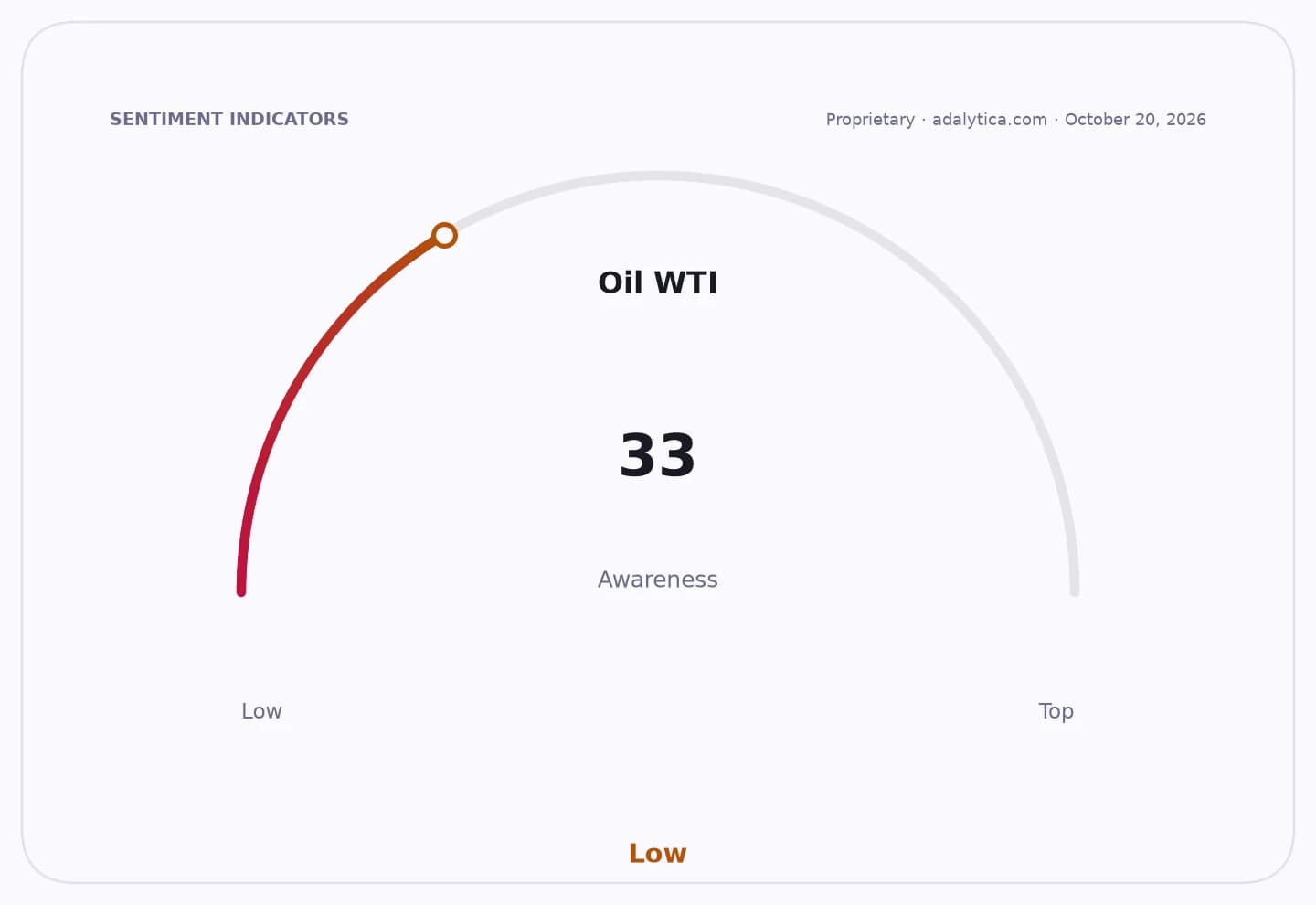
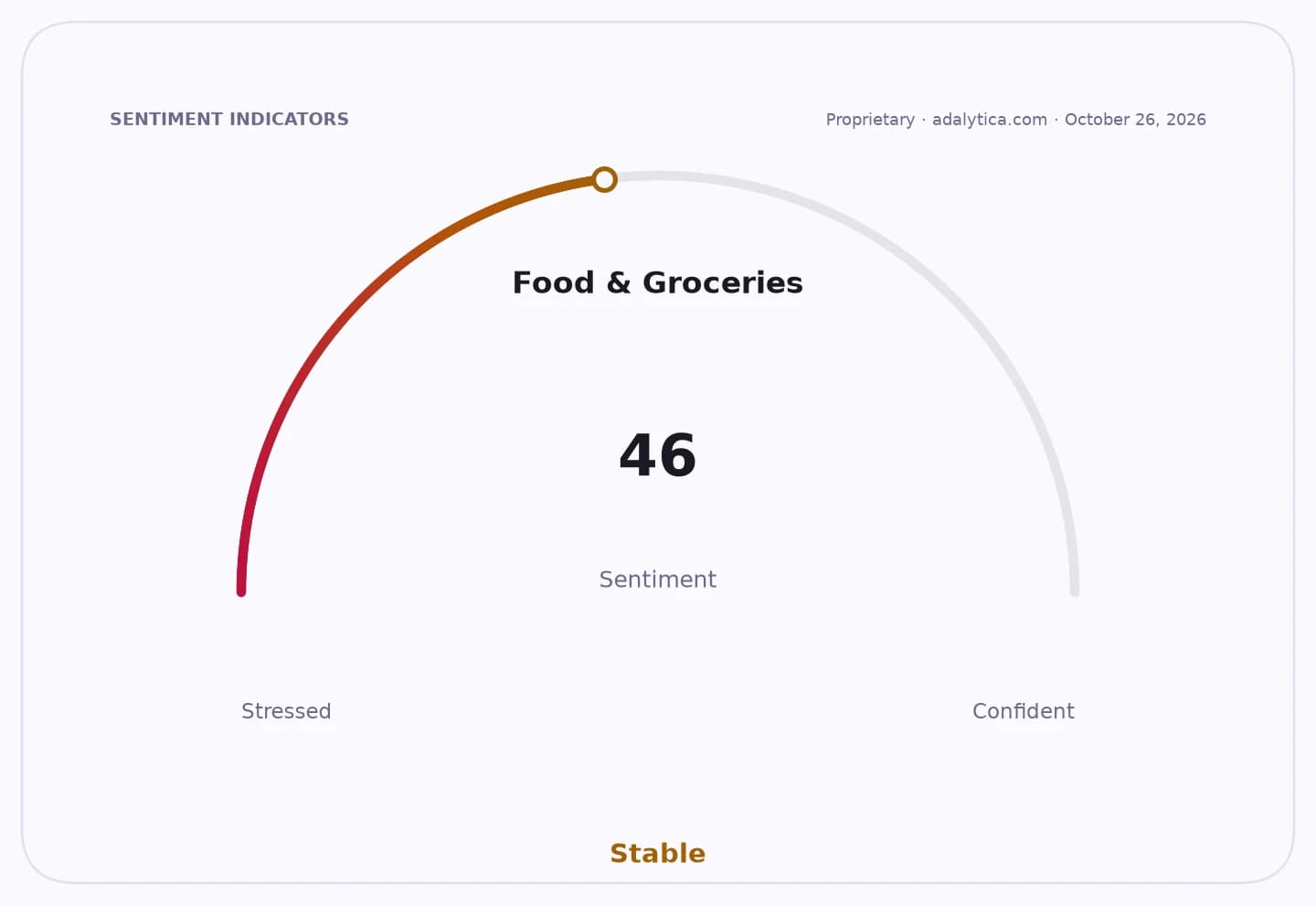
Sentiment IndicatorsⓘProprietary · adalytica.com · October 28, 2026
This is a snapshot — live sentiment, awareness and momentum for 130+ markets update continuously in the dashboard.Open AlphaPulse
That difference is economically meaningful in a country where fuel subsidies are still a key tool for containing inflation and preserving purchasing power. If crude stays near current levels, higher subsidy spending could crowd out other public outlays or force the government to raise financing needs. Indonesia’s own inflation backdrop makes that trade-off more sensitive: the latest consumer price readings show price pressures have been manageable, but energy remains one of the clearest risks to that stability.
For investors, the immediate signal is that Jakarta is prioritizing social and political stability over fiscal consolidation. That supports consumer demand in the short run and reduces the risk of a sudden jump in transport and logistics costs, which would hit lower-income households hardest. But it also leaves bond investors watching the deficit path more closely, especially if oil holds above the budget assumption and the subsidy bill keeps rising into year-end.
The oil market backdrop reinforces the pressure. U.S. crude, reflected in the USO exchange-traded fund, has surged well above its 200-day average, while energy stocks have outperformed broader emerging-market assets. That suggests the policy choice comes at a time when external energy costs are moving against importers like Indonesia, not easing in their favor.
The government’s broader fuel strategy appears to be moving in two directions at once: keeping subsidized pump prices fixed while exploring alternative fuels such as E100 ethanol and broader relief measures. That points to a longer-term effort to reduce dependence on fossil-fuel subsidies, but those measures will take time to materially change the budget math.
For now, the key investor takeaway is that Indonesia is choosing to cushion consumers from a global oil shock, but the cost will likely show up in larger subsidy outlays, tighter fiscal flexibility and renewed sensitivity to any further rise in crude.
| Entity | Gains | Losses |
|---|---|---|
| Indonesian households | ▲Stable fuel costs | ▼None immediate |
| Indonesian government | ▲Short-term price stability | ▼Larger subsidy bill |
| Bondholders / fiscal hawks | ▲Predictable policy stance | ▼Wider budget strain |
| Oil producers / exporters | ▲Stronger crude prices | ▼Indonesian importers |