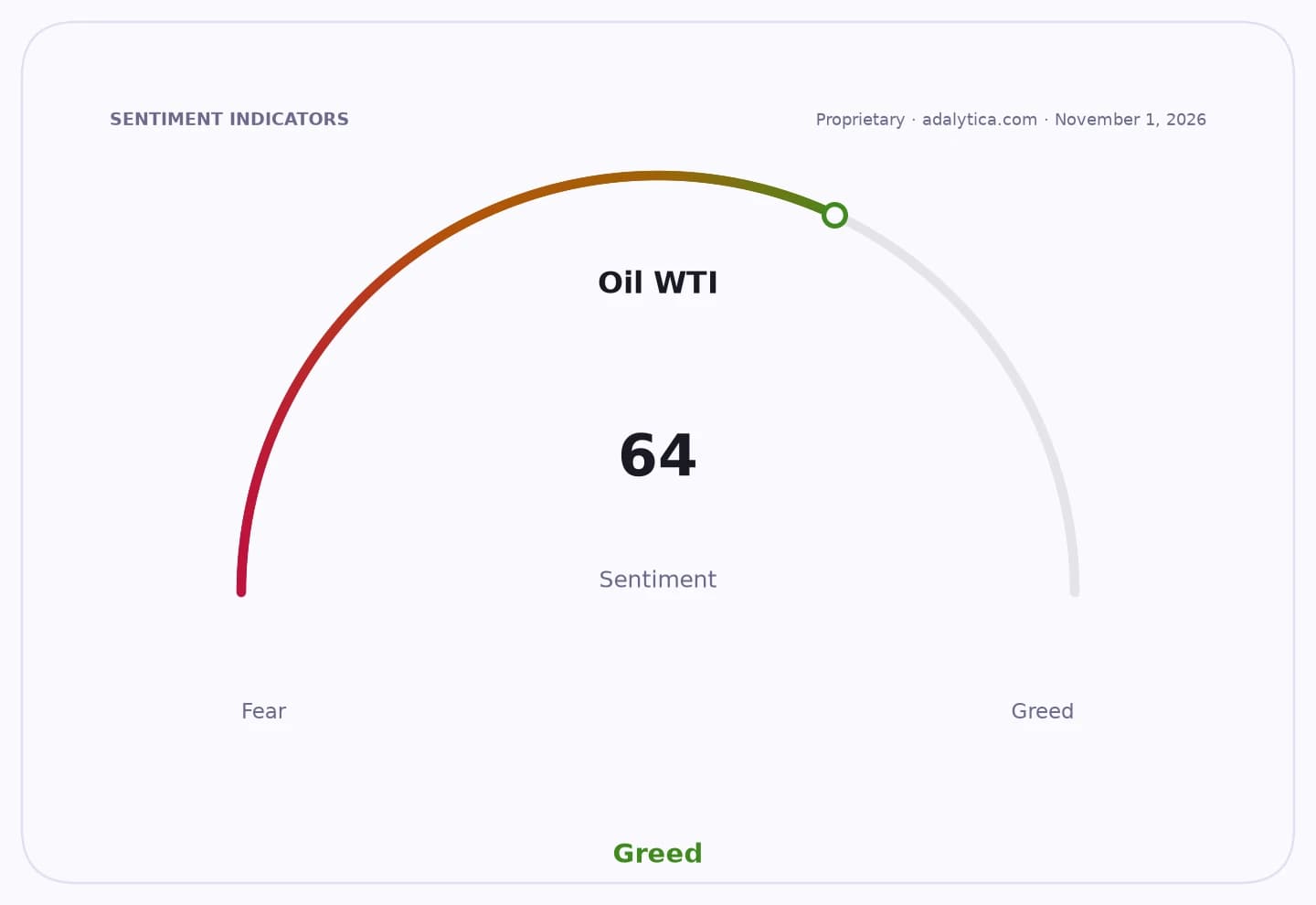
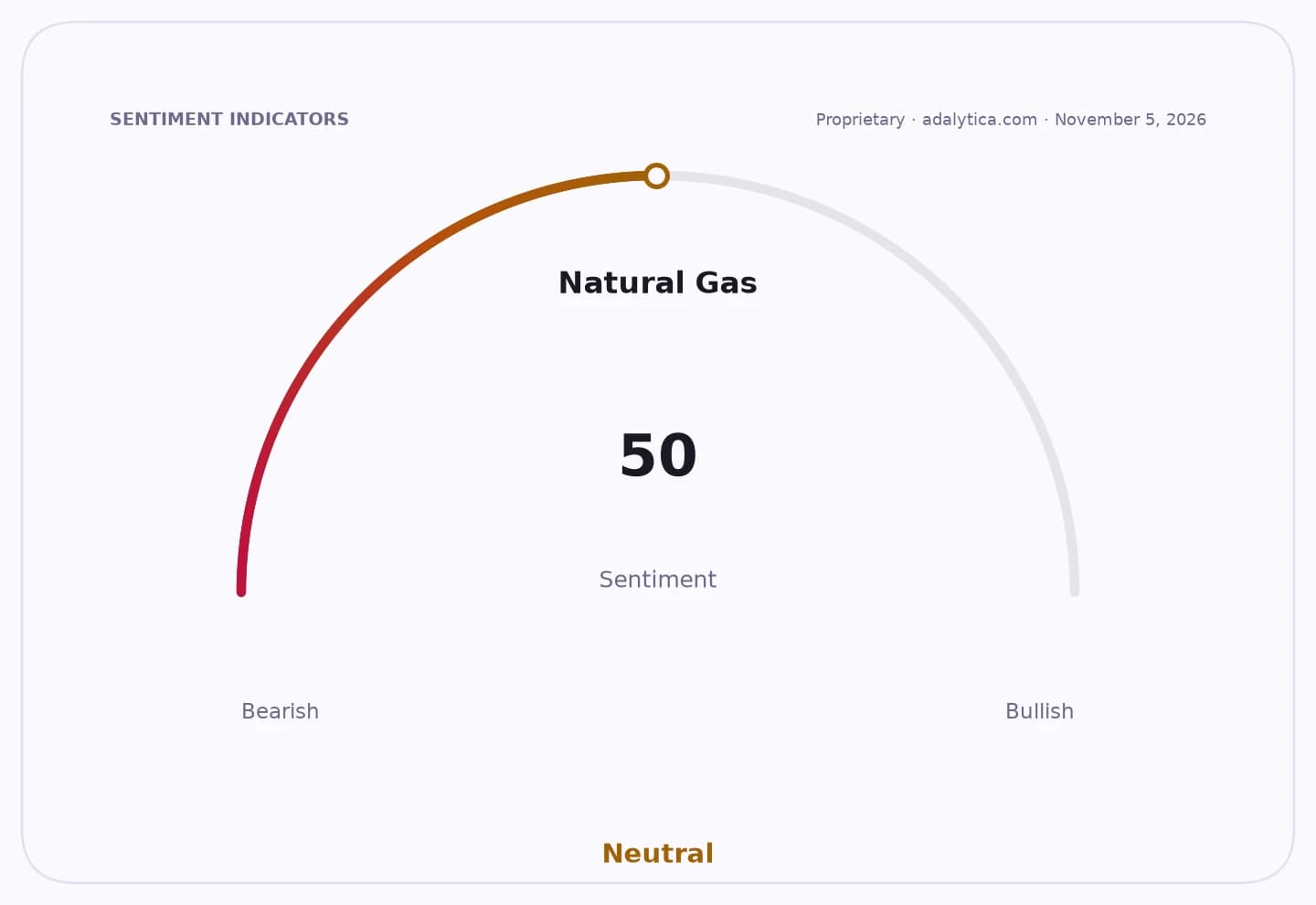
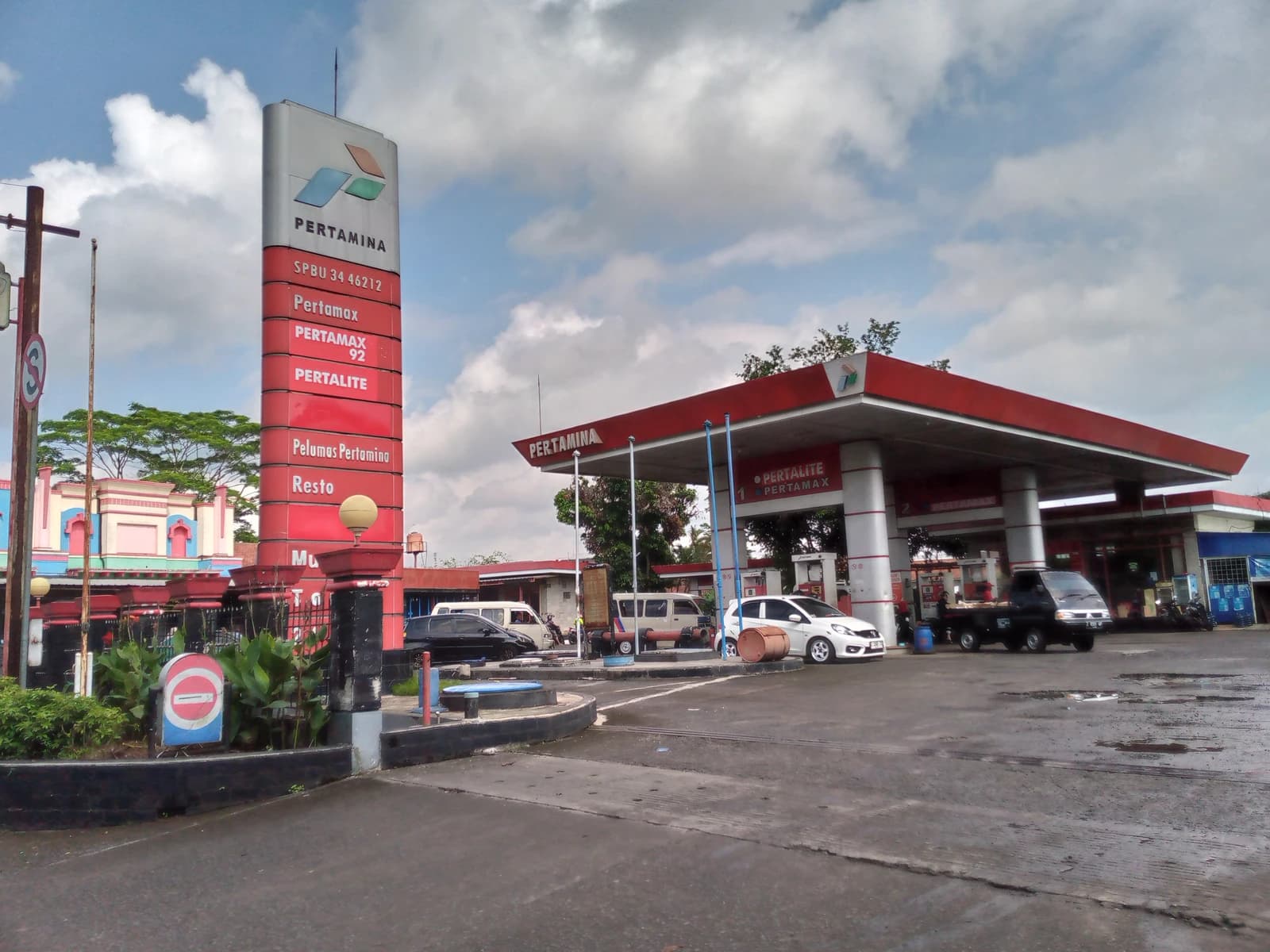
Indonesia is preparing crude-oil storage facilities in Sumatra to expand strategic fuel cover from about 20-25 days toward 60 days, a move that would materially improve the country’s energy security as oil prices remain volatile and geopolitical risks stay elevated.
Indonesia plans Sumatra crude storage expansion
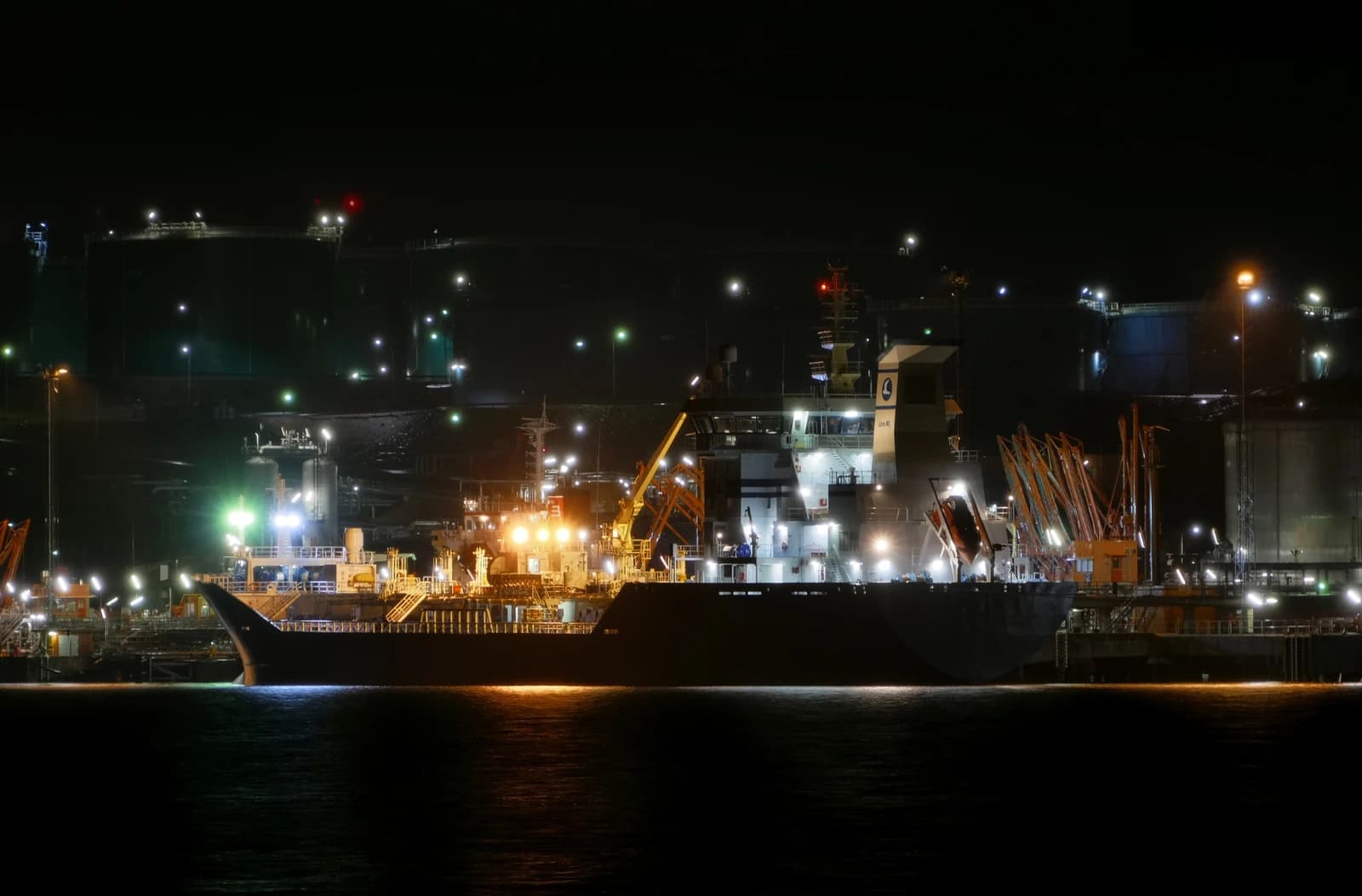
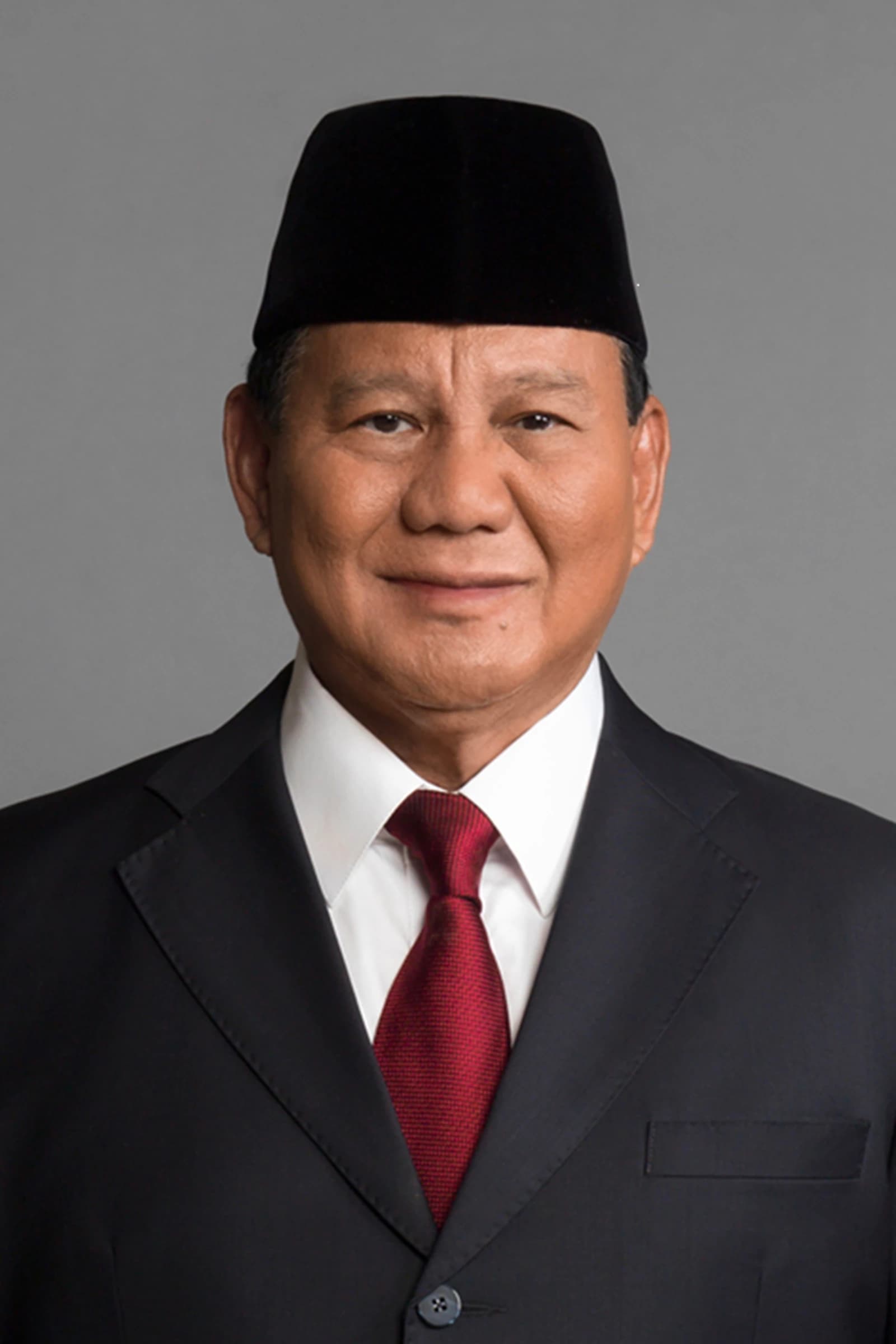
Energy Minister Bahlil Lahadalia said the government has completed a feasibility study and will begin site checks by year-end, with security and earthquake risk among the main criteria. The storage would hold imported crude and help ensure domestic supply can keep flowing even if shipping lanes are disrupted or overseas supply tightens.
Sentiment Indicators
The plan matters because Indonesia remains structurally dependent on imported crude and refined fuels as domestic lifting fails to cover demand from a large and growing economy. A larger stockpile would reduce the risk of near-term shortages, give refiners more operating flexibility and lower the chance that supply shocks translate quickly into inflation or industrial disruptions. For a country that still runs with a comparatively thin buffer, the step would bring it closer to international energy-security norms, though still below the roughly 90-day standard often cited by major consuming nations.
The timing also reflects a wider push by Jakarta to diversify away from pure oil dependence. Alongside the storage project, the government is advancing plans for E50 ethanol blending and maintaining its B50 biodiesel mandate, a strategy designed to soften exposure to imported crude and future geopolitical shocks. That is especially relevant while benchmark oil prices, though off their most recent highs, remain sensitive to supply interruptions and policy headlines.
For investors, the initiative points to a more defensive Indonesian energy policy mix and potentially more demand for midstream infrastructure, storage, logistics and refinery-linked investment. It could also support local energy resilience without immediately reducing crude import requirements, meaning the trade balance benefit would likely be gradual rather than immediate. Still, longer reserve coverage should reduce the country’s vulnerability to sudden price spikes and supply disruptions, a positive for macro stability.
The bull case is that the project improves system reliability, supports industrial planning and creates room for energy diversification. The bear case is that execution risk, land acquisition, permitting and cost overruns could delay benefits, while stockpiling more imported crude does not solve the underlying gap between domestic production and consumption. The key question now is how quickly Jakarta can convert the feasibility study into usable capacity and whether the storage build-out is matched by progress on alternative fuels.
| Entity | Gains | Losses |
|---|---|---|
| Indonesian government | ▲Energy security buffer | ▼Near-term fiscal flexibility |
| Domestic refiners | ▲More supply flexibility | ▼Higher infrastructure complexity |
| Oil importers | ▲Lower disruption risk | ▼Greater dependence on imported crude |
| Alternative fuels sector | ▲Policy support from E50/B50 | ▼Slower transition if execution lags |