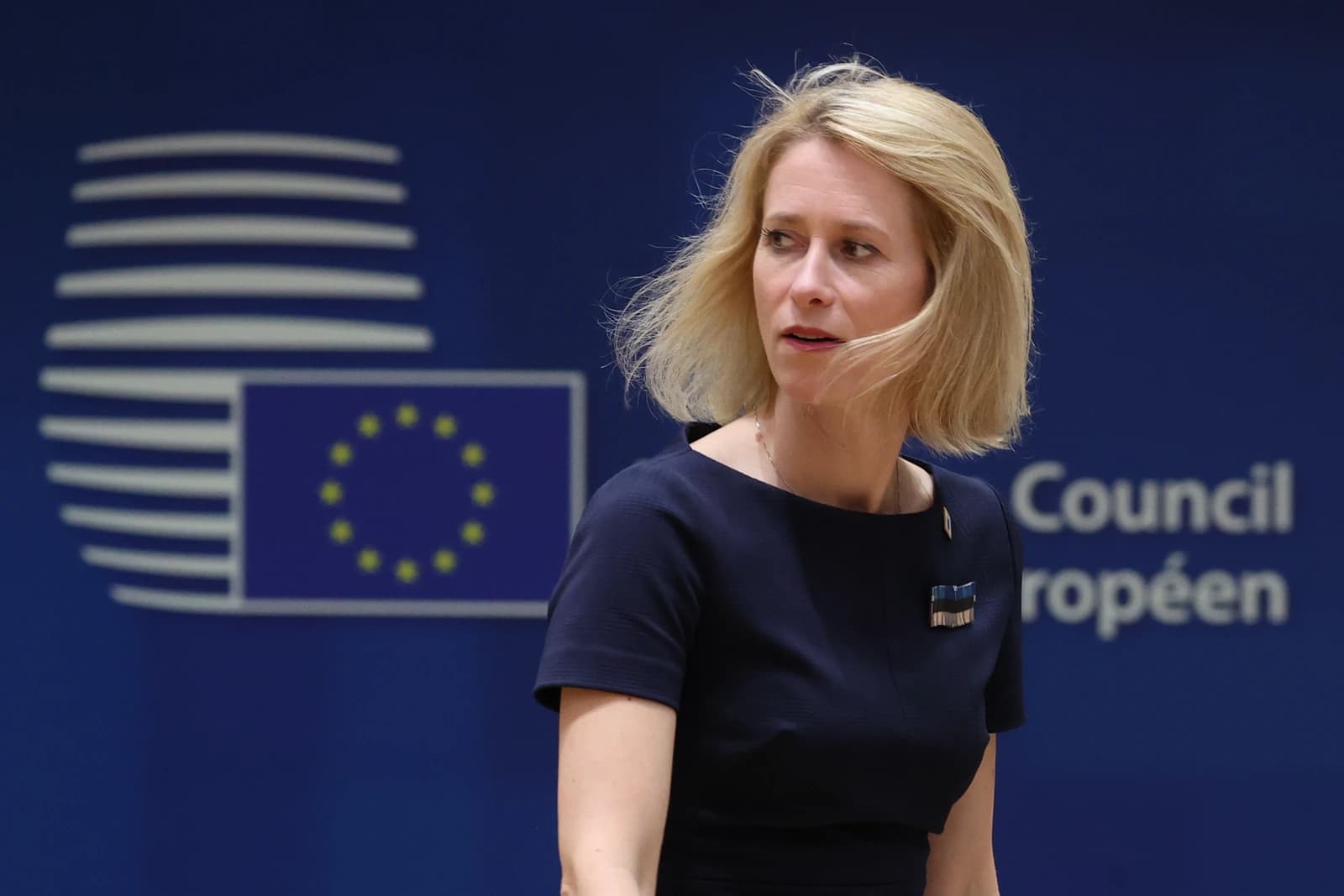
EU foreign policy chief Kaja Kallas said she hopes the new U.S. Congress will keep supporting Ukraine and step up pressure on Russia, underscoring how much Kyiv’s war effort still depends on Washington even as the conflict drags on and the diplomatic track tightens.
EU Kallas Urges U.S. to Keep Backing Ukraine
Her comments land at a sensitive moment for markets and policymakers alike. Europe wants the transatlantic coalition to stay intact because it remains the only credible lever for forcing Moscow toward negotiations, while Ukraine needs sustained military, financial and humanitarian support to offset Russia’s battlefield depth and the damage from renewed strikes on civilians and infrastructure.
Sentiment Indicators
Kallas said Europe and the United States are “much stronger together” when pressing Russia to end its invasion. That message matters because any hesitation in Washington would ripple well beyond the front lines: it could weaken Ukraine’s defense posture, complicate European burden-sharing and revive questions over how long the West can sustain aid at current levels.
The political backdrop is changing fast. Democrats’ strong showing in the congressional vote has raised expectations in Europe that U.S. support will not be abruptly reversed. Still, the incoming Congress will be divided by domestic pressures, including inflation, energy costs and voter fatigue over overseas spending, which means future aid packages may become more contested even if the strategic case remains intact.
Geopolitical Risk — 30-day sentimentadalytica.com
Explore this data interactively — full history, time series and cross-market comparisons.
The stakes are not just military. The war has helped keep geopolitical risk elevated across European assets, supported demand for safe havens and left energy markets highly sensitive to any sign of escalation. Russia’s ability to absorb sanctions and finance the war also remains central to the outlook for European security spending and sanctions policy, both of which have implications for defense contractors, government bonds and regional growth.
Kallas’s remarks also came as Russia, the United States and Ukraine are due to begin trilateral talks in Abu Dhabi next week, with Washington acting as mediator. That makes the new Congress relevant not only as a funding source but as part of the broader diplomatic architecture: if U.S. lawmakers back continued pressure on Moscow, they strengthen Washington’s hand in negotiations; if they do not, the bargaining position shifts toward the Kremlin.
For investors, the key question is whether the post-election U.S. political climate preserves the current mix of aid, sanctions and deterrence. A steadier U.S. stance would support European defense names and keep safe-haven demand anchored, while any drift toward retrenchment could pressure defense expectations, widen geopolitical risk premia and encourage a rotation into assets most exposed to energy and supply shocks.
| Entity | Gains | Losses |
|---|---|---|
| Ukraine | ▲Sustained aid flow | ▼Funding uncertainty |
| EU and US hawks | ▲Stronger pressure on Russia | ▼Diplomatic leverage if aid stalls |
| Defense contractors | ▲Higher procurement demand | ▼Political pushback on spending |
| Russia | ▲Any US policy drift | ▼Coordinated transatlantic pressure |