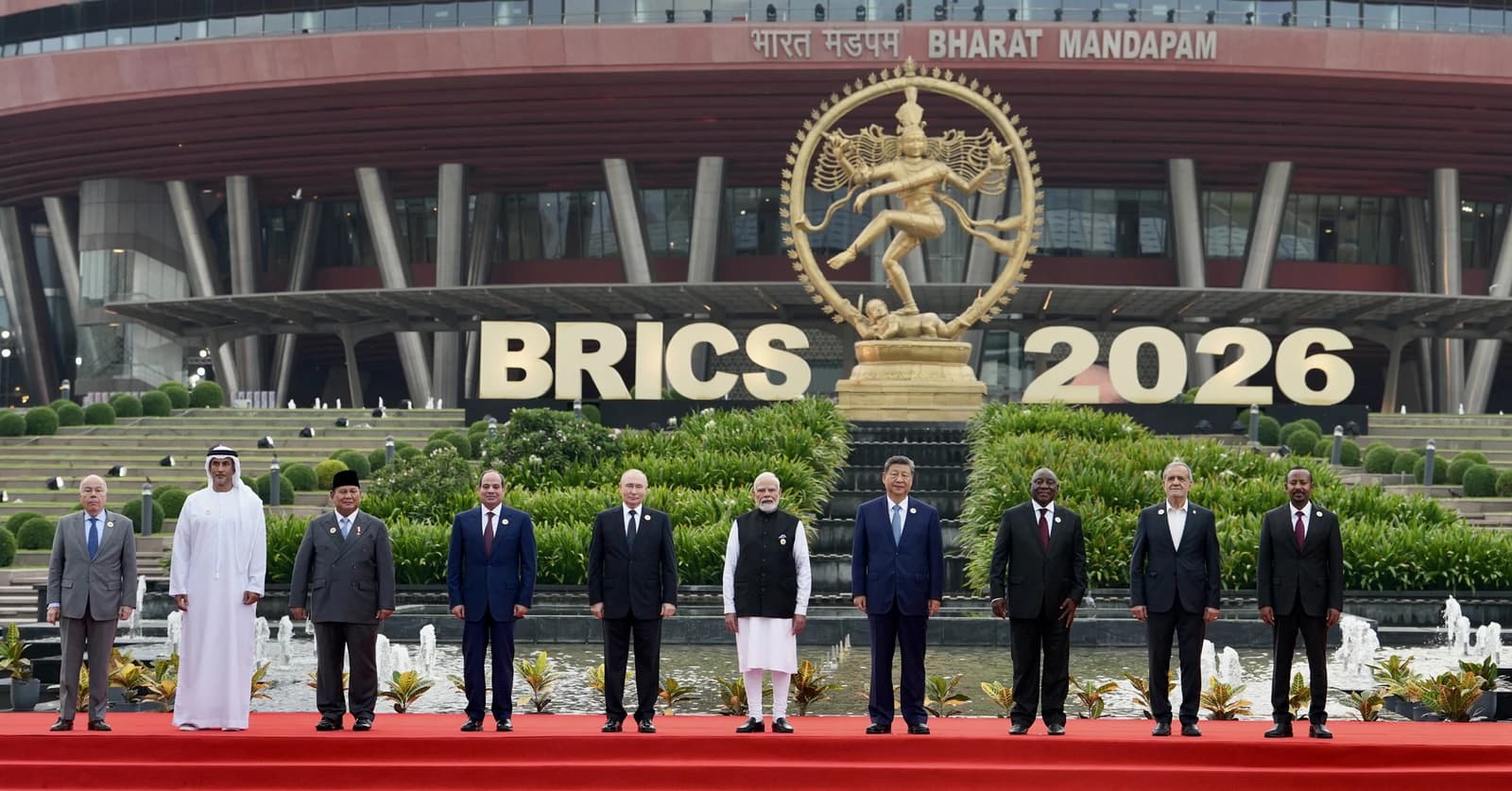
Russia says the U.S. midterm elections will not alter its foreign policy, even as Moscow acknowledges that Democrats remain sharply negative toward Russia and the war in Ukraine.
Russia Says U.S. Midterms Won't Change Policy
The message from Deputy Foreign Minister Sergei Ryabkov was less about Washington’s vote count than about how Moscow is positioning itself for a prolonged confrontation. By saying Russia’s external course is not contingent on political swings abroad, the Kremlin is signaling that it does not expect a meaningful thaw even if the balance of power in Congress shifts. For investors, that matters because U.S.-Russia tensions remain a structural risk for energy markets, sanctions policy and broader geopolitical sentiment, rather than a short-lived election trade.
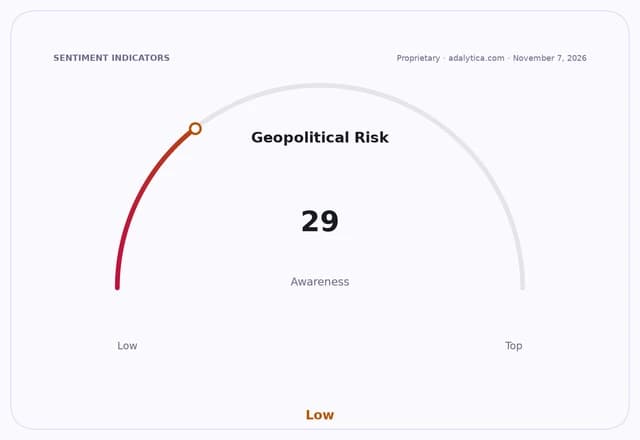
Sentiment Indicators
Ryabkov’s comments suggest Moscow is preparing for policy continuity in Washington, with U.S. support for Ukraine unlikely to soften simply because of electoral change. He said Democratic attitudes toward Russia are “extremely negative,” a reminder that bipartisan hostility has hardened since Russia’s invasion of Ukraine and the resulting sanctions regime. The practical implication is that sanctions relief, diplomatic de-escalation or any reopening of economic channels remain remote in the near term.
That backdrop helps explain why traditional geopolitical hedges continue to attract attention. Brent-linked crude exposure and gold have both been volatile as markets weigh the risk of tighter energy supplies and broader instability. In U.S. oil fund USO, price action has been choppy even after a powerful run earlier in the year, with the fund recently trading around $148, below its 50-day moving average near $152 and with RSI readings in the high 30s, suggesting momentum has cooled after earlier overbought conditions. Gold ETF GLD has also pulled back from its spring highs, but remains well above where it traded earlier this year, reflecting persistent demand for defensive assets when geopolitical risk stays elevated.
The market’s muted reaction to the latest Russian comments is telling. Traders have largely learned that political headlines on Russia often move fast but rarely change the core investment case unless they point to sanctions escalation, supply disruption or a shift in Western military aid. That leaves energy, defense and safe-haven assets exposed to headline risk, while importers and risk-sensitive equities remain vulnerable if tensions intensify again.
For now, the dominant narrative is continuity: Moscow expects confrontation, Washington shows no sign of easing pressure, and investors are left to price a conflict that has become a standing feature of the market backdrop rather than a temporary shock.
| Entity | Gains | Losses |
|---|---|---|
| Russia | ▲policy continuity | ▼hopes for sanctions relief |
| U.S. hawks | ▲tougher Russia stance | ▼diplomatic flexibility |
| Energy producers | ▲geopolitical risk premium | ▼stable supply expectations |
| Oil consumers | ▲short-term calm | ▼upside protection if tensions rise |