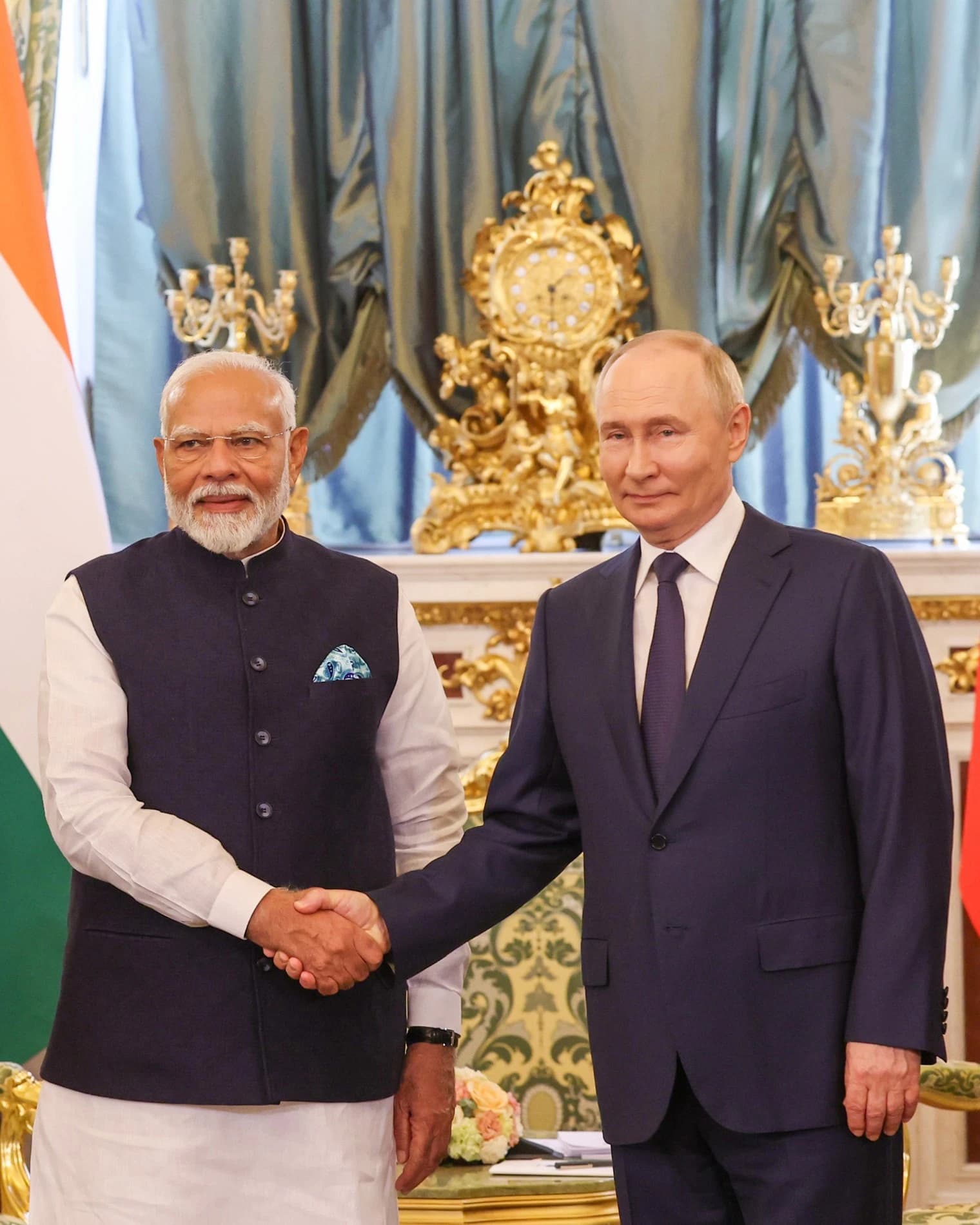
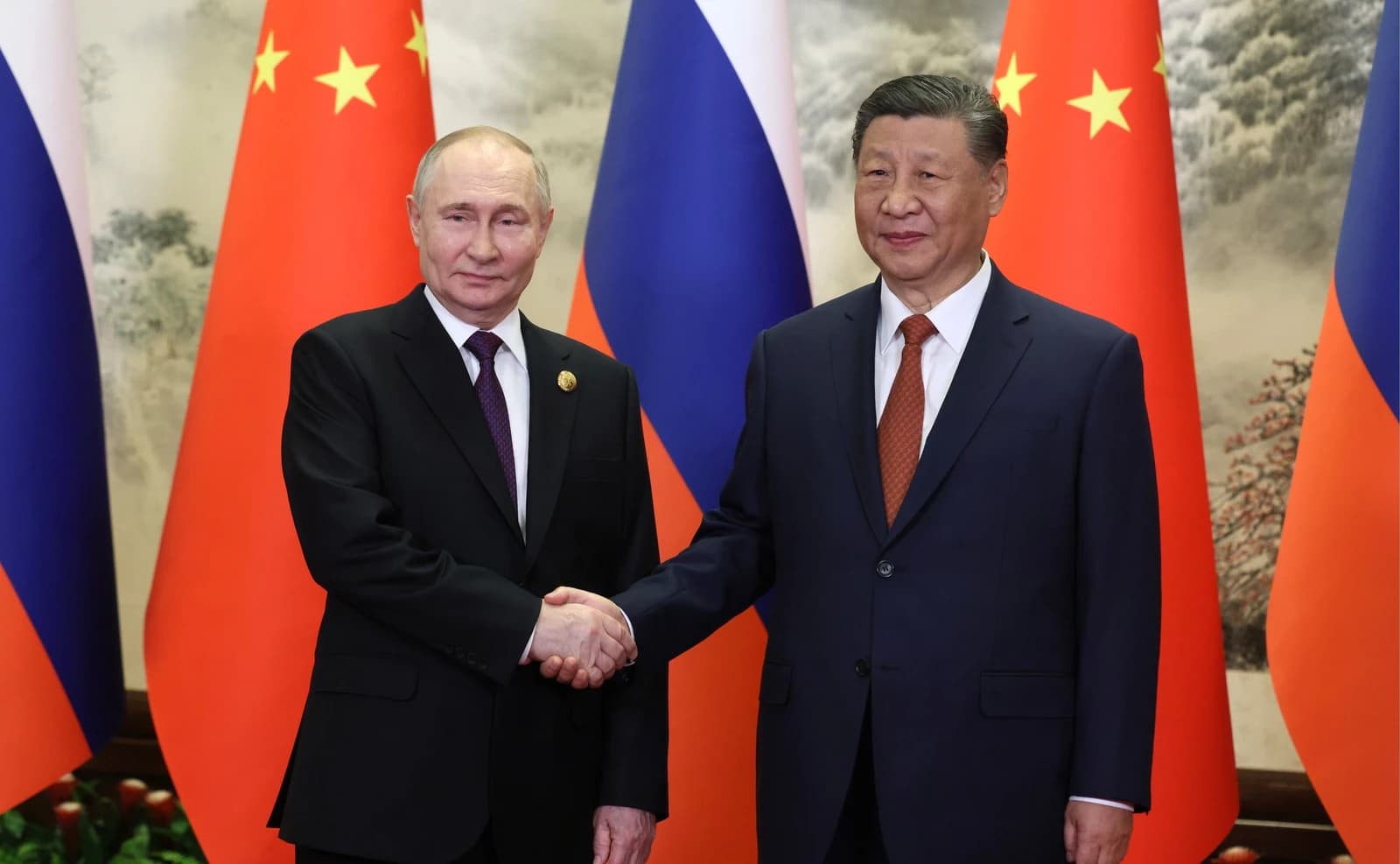
China and Russia are pressing ahead with closer political and economic coordination even as Western sanctions and global trade tensions keep pressure on both economies, with Premier Li Qiang describing the pair as a “valuable force for stability” in an increasingly volatile world.
China, Russia deepen energy and trade coordination
Li’s meeting with President Vladimir Putin in St. Petersburg underscores how Beijing is doubling down on Russia as a strategic partner while the war in Ukraine drags on and the geopolitical split between the West and Moscow widens. For investors, the message is less about diplomacy alone than about the durability of China-Russia energy, commodity and transport ties that continue to shape flows in oil, metals and sanctioned trade.
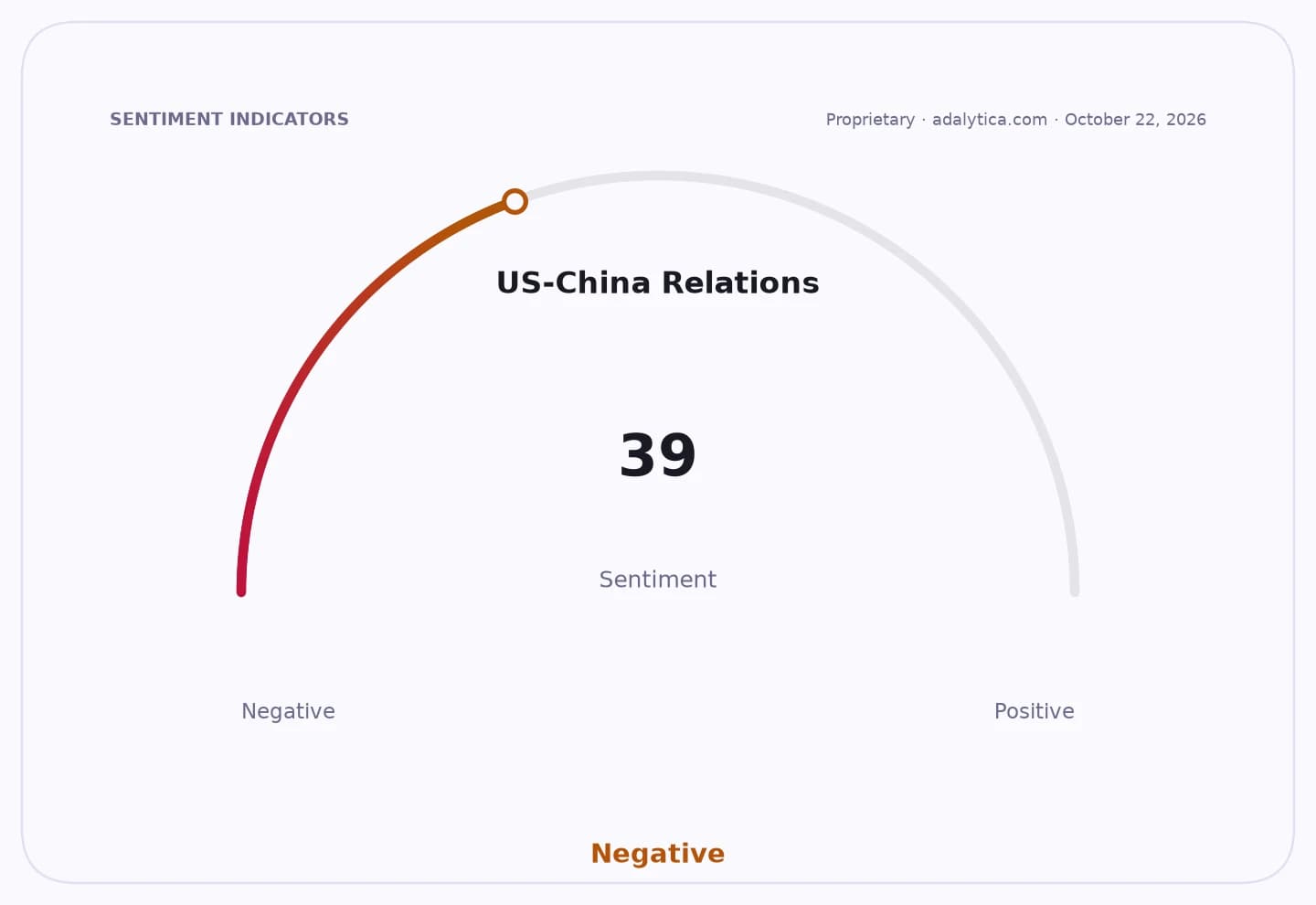
Sentiment IndicatorsⓘProprietary · adalytica.com · October 27, 2026
This is a snapshot — live sentiment, awareness and momentum for 130+ markets update continuously in the dashboard.Open AlphaPulse
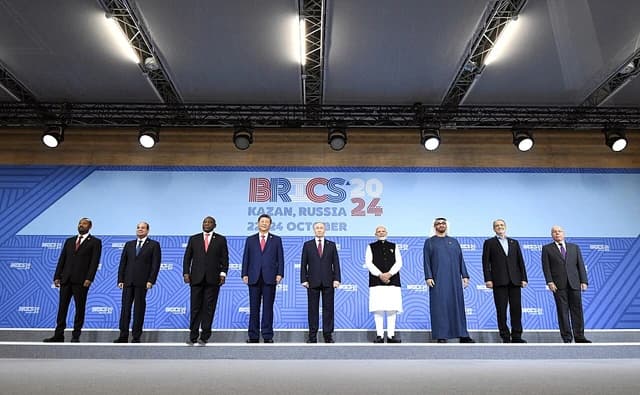
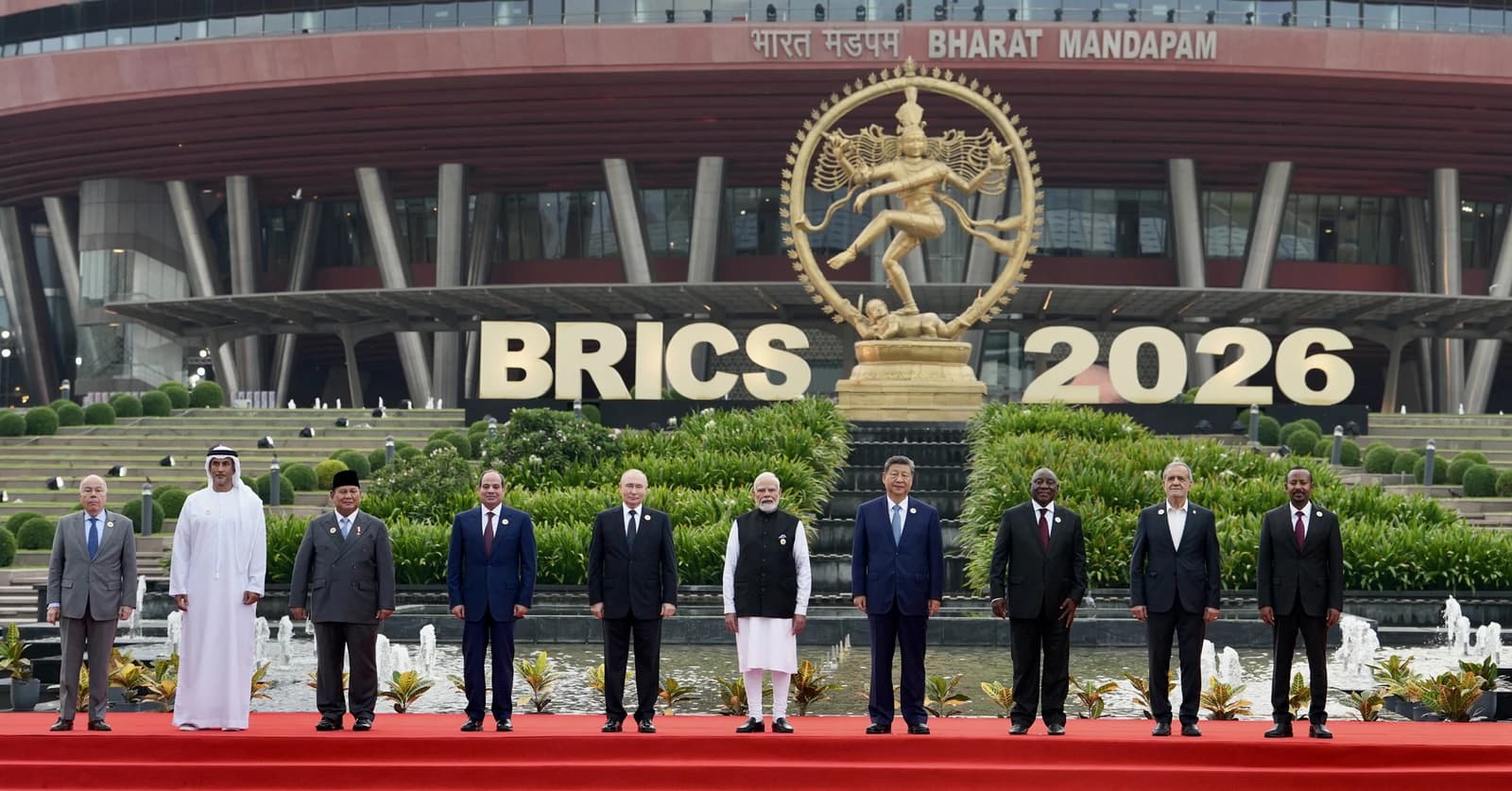
Li said the two countries had maintained close coordination and called for deeper cooperation in energy, resources, trade, investment and transportation. He also urged stronger coordination inside multilateral forums including the Shanghai Cooperation Organization and BRICS, where China and Russia have increasingly pushed to broaden the influence of the Global South.
Putin responded by saying bilateral relations were not subject to “interference from any third party” and called China Russia’s “closest and most reliable partner.” He also said Russia was ready to expand cooperation in energy, agriculture, space, civilian nuclear power, information technology and artificial intelligence.
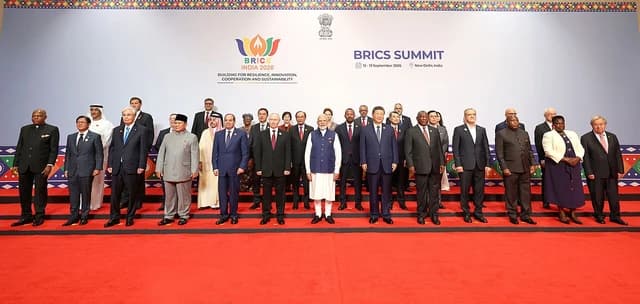
The meeting comes alongside a broader push to institutionalize cooperation. Russian and Chinese judicial leaders recently signed an agreement, while the two governments have also been working to simplify trade, support banks operating in both countries and deepen coordination in the Arctic, where security concerns are rising for Europe.
For markets, the biggest immediate relevance remains energy. Russia still needs Chinese demand, financing channels and industrial supply, while China benefits from discounted Russian commodities and a route to reinforce supply resilience. That helps explain why oil-linked funds such as USO remain highly sensitive to any signs of tighter Russia-China cooperation, even as the fund’s recent pullback shows traders are also watching for swings in supply and demand expectations.
Dollar weakness and haven demand have also been part of the backdrop. The U.S. dollar ETF UUP remains above its 50-day and 200-day moving averages, while gold ETF GLD is still trading well below its 200-day average after a sharp retreat from earlier highs, reflecting a market still balancing geopolitical risk against changing rate and growth expectations.
The diplomatic signal is clear: Beijing and Moscow are treating their partnership as a long-term hedge against Western pressure, not a tactical arrangement. The next catalyst is likely to be whether the cooperation translates into new trade, energy or financial arrangements that could further reshape commodity flows and sanctions enforcement.
| Entity | Gains | Losses |
|---|---|---|
| China | ▲energy security, trade leverage | ▼deeper Western scrutiny |
| Russia | ▲market access, political backing | ▼dependence on China |
| Oil exporters to China | ▲steady demand | ▼price pressure from discounts |
| Western policymakers | ▲little immediate gain | ▼reduced leverage on Moscow |