Russia’s Foreign Ministry has told citizens to temporarily avoid travel to Iran, underscoring how elevated regional risk is colliding with fresh diplomatic efforts to prevent a wider Middle East escalation.
Russia Warns Citizens Against Travel to Iran
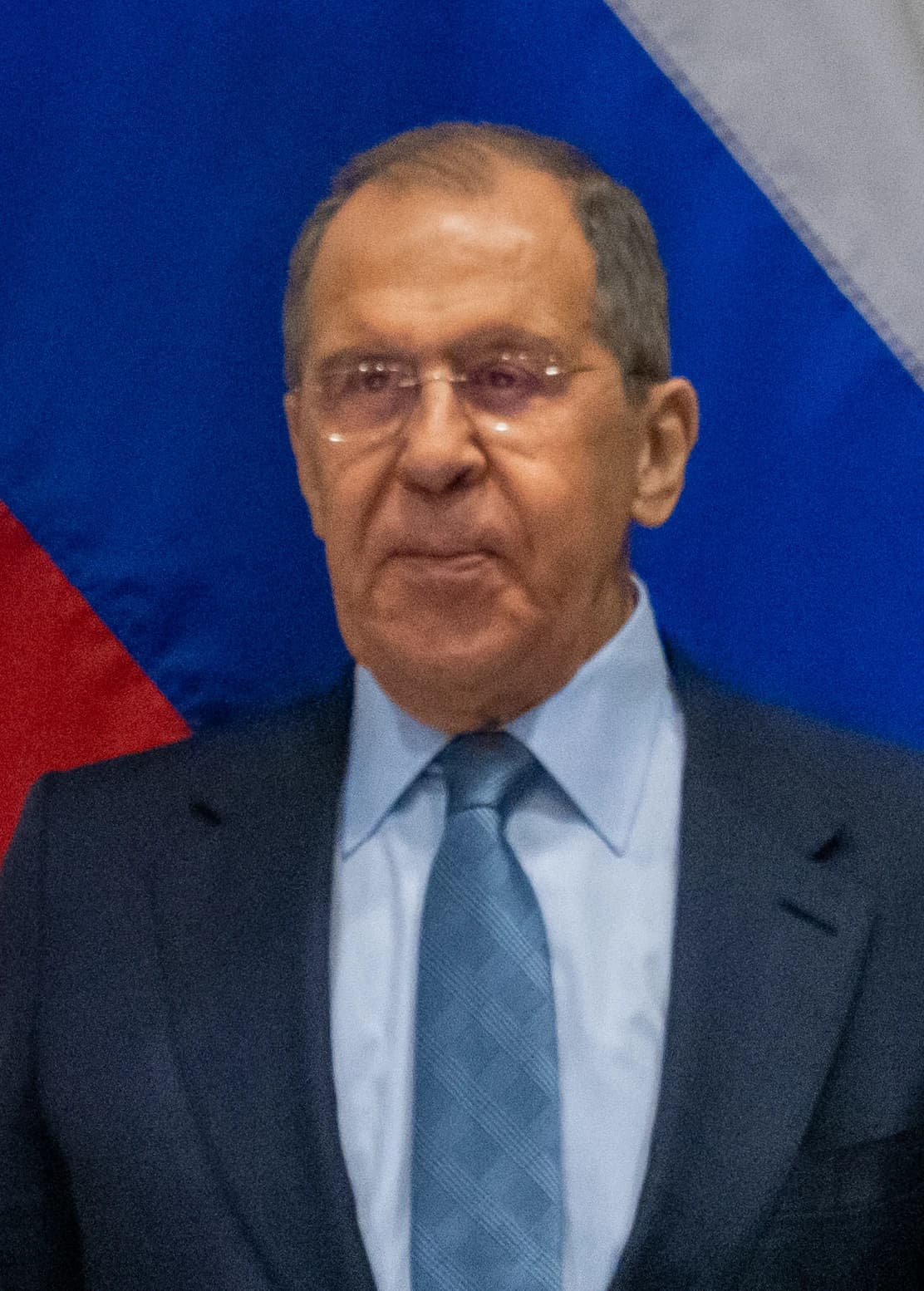
The warning matters because it is a sign that Moscow sees the security backdrop as unstable enough to justify restricting non-essential movement, even as Qatar and other regional actors continue trying to broker de-escalation. For investors, that keeps the premium on geopolitical risk elevated across oil, shipping, airlines and broader emerging-market sentiment, where even a limited flare-up can quickly alter pricing for energy, insurance and cross-border flows.
Sentiment Indicators
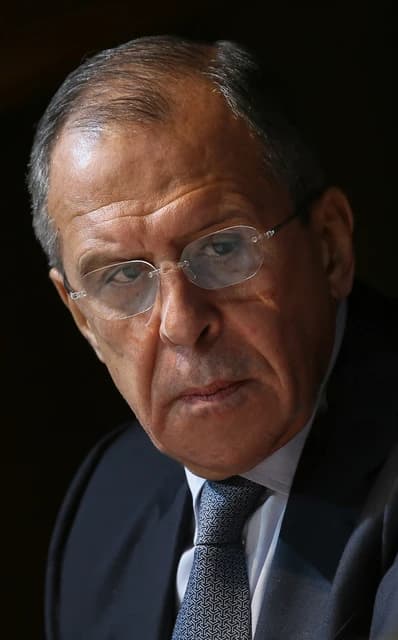
Maria Zakharova, the foreign ministry spokeswoman, said Russia’s advice remains unchanged while “risks of a new escalation around Iran” persist. Russian nationals already in the country were told to stay alert, avoid crowds and steer clear of areas near military and government facilities. The guidance is a familiar but meaningful signal: governments typically do not issue such warnings unless they judge the probability of disruption to be material.
The move comes as mediators from Qatar have traveled to Tehran for talks aimed at easing tensions and exploring a possible agreement with the United States. Regional governments, including Iran, Pakistan, Türkiye and Saudi Arabia, have also been discussing deeper security cooperation, a reminder that diplomatic channels remain open even as the threat environment stays fragile.
That tension between dialogue and deterrence is what investors should focus on. A successful diplomatic track would likely ease pressure on energy markets and reduce the risk premium embedded in transport and regional assets. But if talks stall or military rhetoric sharpens, the market response could be swift, particularly in crude, Middle East exposures and risk-sensitive currencies.
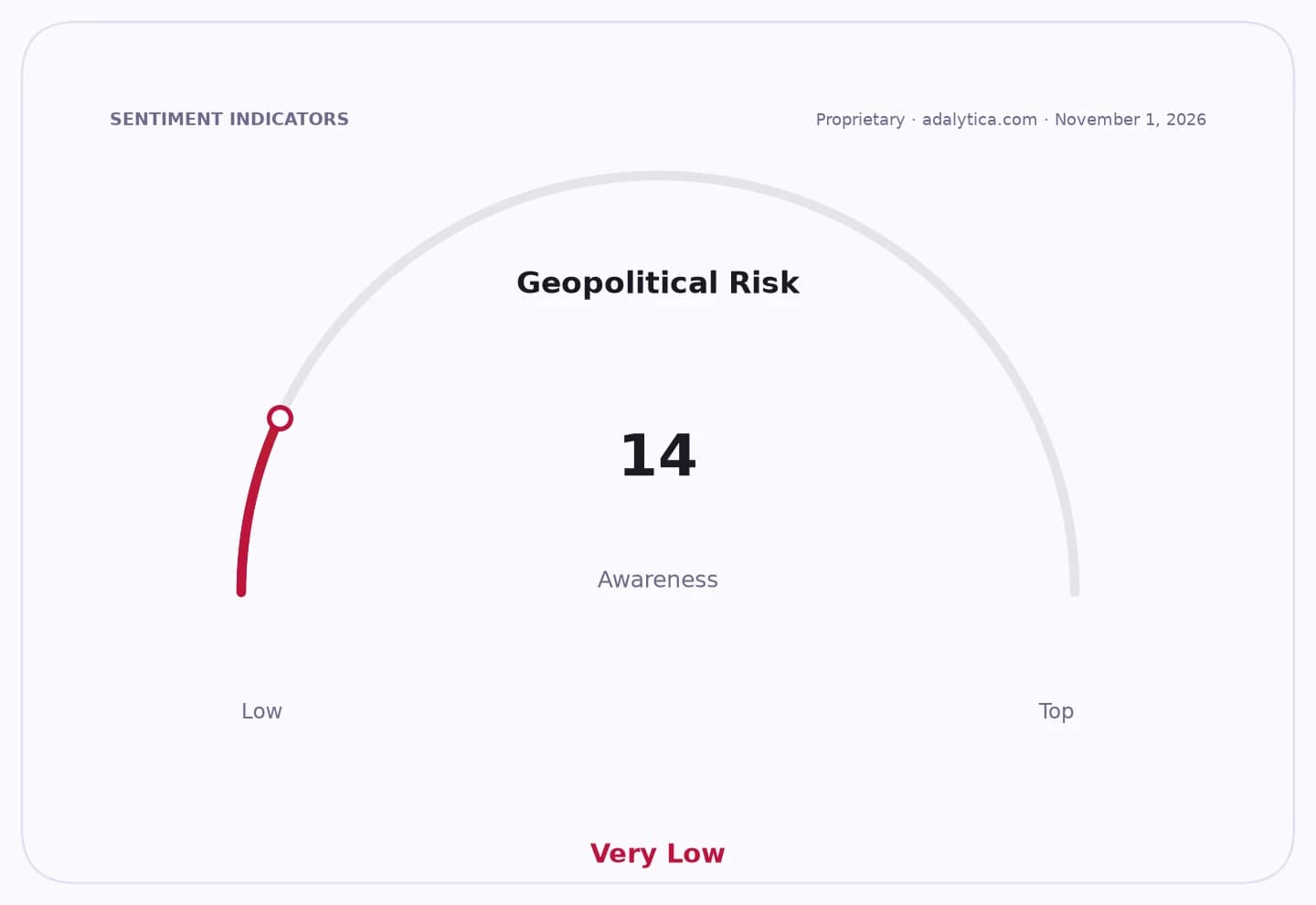
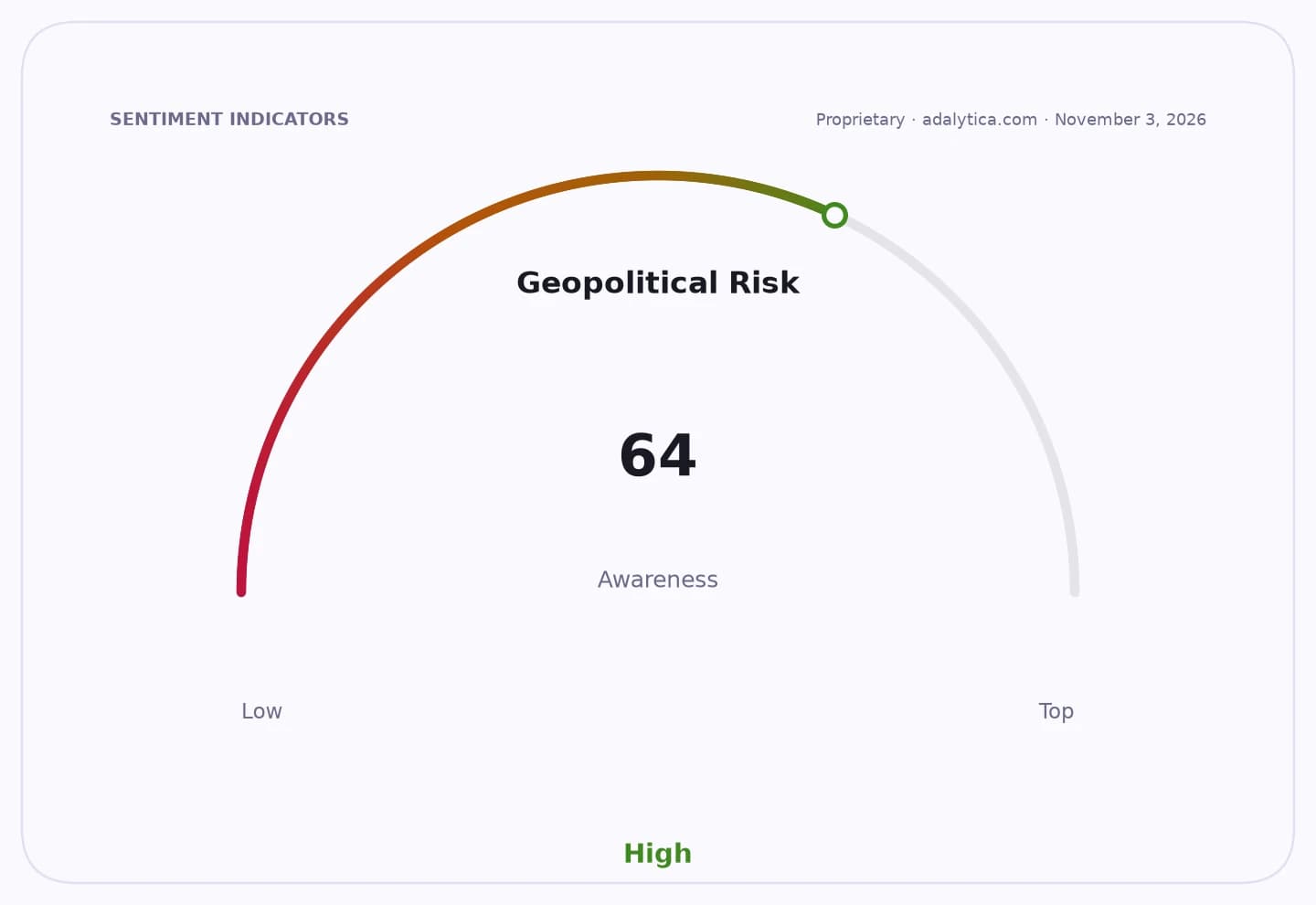
Adalytica’s Global Stability Sentiment snapshot shows sentiment at 86, or “Extreme Greed,” even as awareness remains at 4, “Extreme Fear,” a combination that suggests markets may be underpricing the fragility of the situation. Russia’s travel advisory is another reminder that the diplomatic window is narrow and the downside from miscalculation remains high.
For now, the core message is straightforward: diplomacy is continuing, but the security environment around Iran is still volatile enough to prompt official travel restraint, and that keeps geopolitical risk firmly on investors’ radar.
| Entity | Gains | Losses |
|---|---|---|
| Russia | ▲Protects citizens | ▼Highlights regional risk |
| Iran | ▲Keeps diplomatic channels open | ▼Sees confidence dented |
| Qatar and mediators | ▲Gain relevance | ▼Face higher failure risk |
| Oil and risk assets | ▲Support from risk premium | ▼Volatility from escalation fears |