Ukraine said its forces hit at least 30 strategic targets inside Russia in October, a campaign aimed at raising the cost of Moscow’s war by disrupting missile production, aircraft, radar and logistics that help sustain the invasion.
Ukraine Strikes 30 Russian Targets in October
The strikes matter because they are not just symbolic retaliation. They target the industrial and military plumbing of Russia’s war effort — from plants making electronic components, solid rocket fuel and drone systems to airfields used by Su-34 bombers that launch guided aerial bombs on Ukrainian cities and frontline positions. If the damage is as extensive as Kyiv says, the campaign could slow Russian weapons production, increase replacement costs and force Moscow to spend more on air defenses, repairs and dispersal.
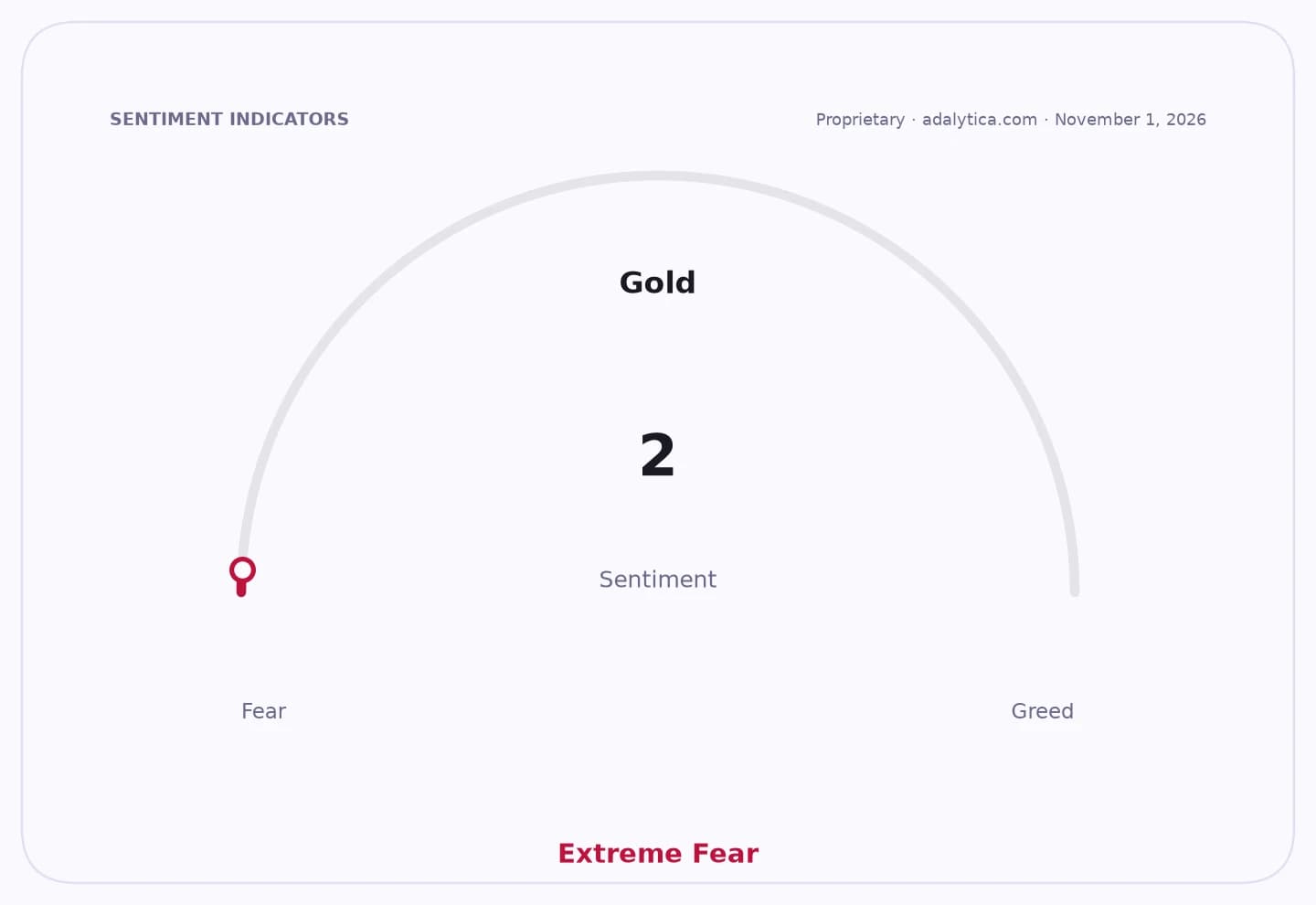
Sentiment Indicators
Ukraine said the strikes reached as far as 650 kilometers from the border, underscoring an expanding long-range capability that is increasingly central to the battlefield economics of the war. Among the facilities hit were the Proton-Electrotex plant in Oryol, which Kyiv says produces microchip components for Russian missiles, and the Kamensky chemical plant in Rostov region, which manufactures solid rocket fuel. Ukraine also said it struck a radar station near Magri valued at about $100 million, along with an Iskander-M launcher, command posts and ammunition depots.
The airfield attacks carry their own strategic weight. Kyiv said six Su-34 fighter-bombers were damaged at Borisoglebsk, while two more were destroyed at Marinovka using Neptune coastal missile systems. Those aircraft are among Russia’s main platforms for dropping guided bombs on Ukrainian territory, making them a high-value target for a war of attrition in the air. Even partial losses can reduce sortie rates, complicate repairs and force Russia to spread scarce aircraft across more sites.
For investors, the immediate market impact is indirect but real. Escalation that threatens Russian military production can support defense spending assumptions in Europe and the United States, while also keeping a geopolitical risk premium embedded in energy, metals and transport markets. The conflict has repeatedly shown that attacks on infrastructure can reverberate through oil prices, shipping costs and risk appetite even when frontline developments do not move markets day to day.
The broader backdrop remains one of widening strike ranges and rising costs on both sides. Russia has intensified attacks on Ukraine’s energy network and civilian infrastructure, while Kyiv has leaned on long-range drones and missiles to hit military targets deep inside Russian territory. That dynamic suggests the war is entering another phase in which industrial capacity, air defenses and logistics matter as much as troop movements.
The key question for markets is whether Ukraine’s campaign meaningfully degrades Russia’s ability to sustain repeated air and missile strikes, or whether Moscow can absorb the damage through redundancy and faster repairs. Either way, the October figures indicate the conflict is becoming more expensive, more dispersed and harder to contain.
| Entity | Gains | Losses |
|---|---|---|
| Ukraine | ▲Deeper strike reach | ▼Limited by munitions and retaliation risk |
| Russia’s defense industry | ▲None | ▼Production disruptions and repair costs |
| Russian air force | ▲None | ▼Damaged Su-34s and reduced strike capacity |
| Defense contractors and air defense suppliers | ▲Higher demand | ▼None |