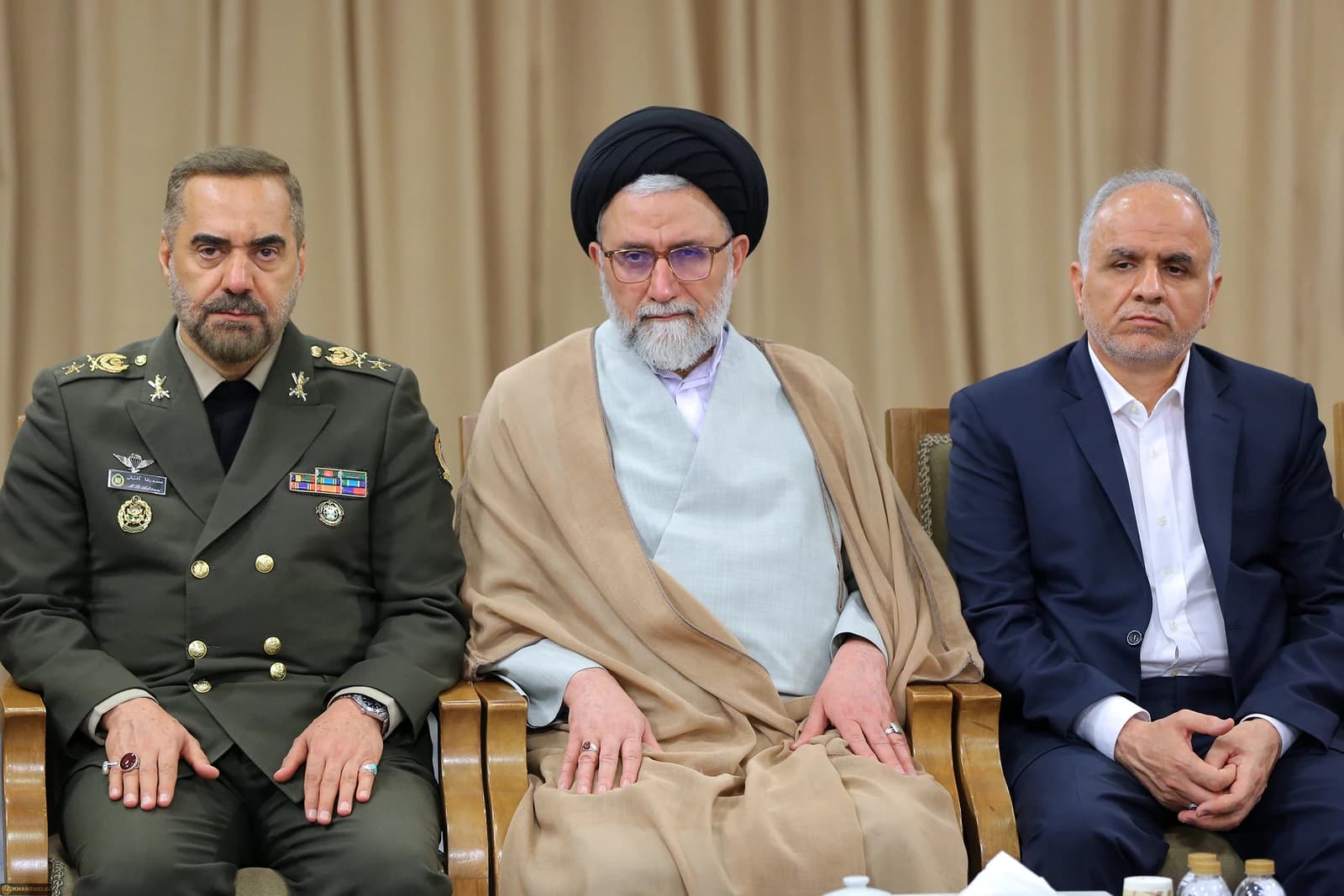
Russia’s reported agreement to supply Iran with 90 APU-L launchers is a fresh reminder that the war in Ukraine is reshaping the global arms trade, with Moscow increasingly willing to export battlefield-proven weapons even as it sustains its own war effort.
Russia Reportedly Agrees to Supply Iran with Launchers
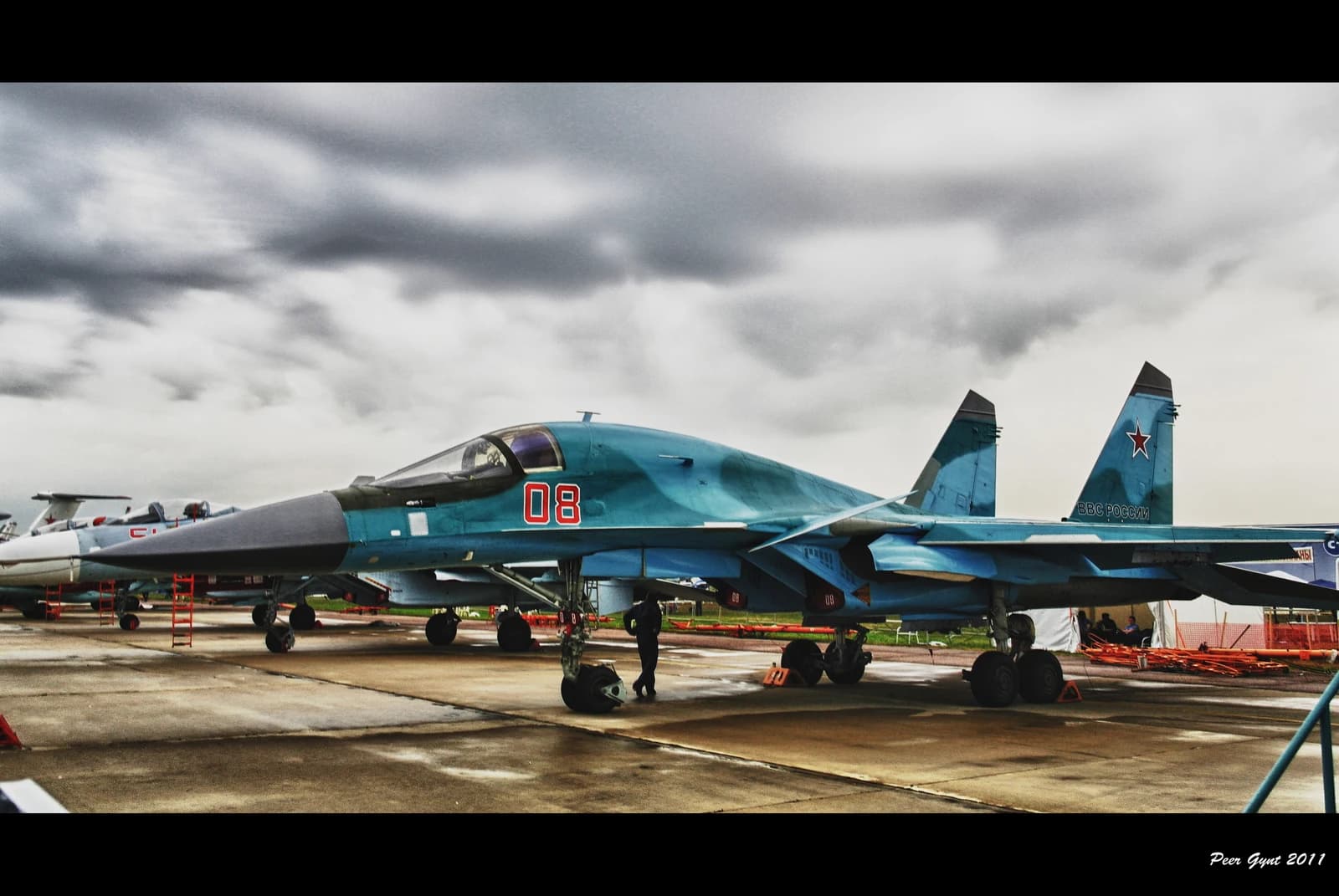
The FT says Russian defense-industry documents point to an export order for the launchers, which are designed to carry the LMUR precision-guided missile and are used on Mi-28 attack helicopters. That matters because the system is not experimental hardware — it is the kind of combat-tested kit Russia has relied on in Ukraine, where demand for munitions and launch platforms has become relentless. If the deal is ultimately delivered, it would deepen Iran’s rotary-wing and precision-strike capability at a moment when regional security is already strained.
Sentiment Indicators
For investors, the immediate read-through is not just geopolitical risk, but industrial capacity and sanctions resilience. Russia’s arms sector has shown it can still route sensitive equipment through opaque channels, and the fact that the production plan covered 2024 and 2025 suggests a supply chain still functioning under wartime pressure. That is a warning sign for Western policymakers and a tailwind for defense contractors that benefit from higher NATO and Middle East rearmament budgets as the security environment deteriorates.
The evidence cited by the FT links the buyer code “K-10” to Iran through earlier Yak-130 aircraft contracts, although the report stops short of confirming the launcher deliveries themselves. That distinction matters: an order on paper is not the same as weapons in theater. But the pattern is hard to ignore. Russia and Iran have moved from transactional cooperation to a broader military partnership spanning drones, missiles, training aircraft and potentially helicopters.
Geopolitical Risk — 30-day sentimentadalytica.com
Explore this data interactively — full history, time series and cross-market comparisons.
That broader arc is exactly why the market should pay attention. The West has already priced in a structural defense upcycle, but the supply lines feeding Russia, Iran and their partners are a second-order beneficiary that remains underappreciated. Every escalation that ties Ukraine, the Middle East and sanctions enforcement more tightly together supports the long case for missile defense, air defense, propulsion, electronic warfare and other high-barrier defense technologies.
I believe this is another signal that the defense supercycle is still early, not late. The market underestimates how long elevated geopolitical fragmentation can sustain procurement and replacement demand. Names such as Lockheed Martin, Northrop Grumman and RTX remain the obvious beneficiaries of higher missile-defense spending, while the losers are diplomacy, margin discipline in civilian industry, and any investor still betting on a quick normalization in global security spending. Position for the conflict-driven capex cycle now — because the next catalyst is more likely to be another escalation than a de-escalation.
| Entity | Gains | Losses |
|---|---|---|
| Russia’s defense industry | ▲Export revenue | ▼Sanctions pressure |
| Iran | ▲Rotary-wing strike capability | ▼Greater exposure to scrutiny |
| Lockheed Martin / RTX / Northrop Grumman | ▲Missile-defense demand | ▼None meaningful |
| Western diplomacy | ▲None | ▼More fragmented security order |