Iran’s parliament has approved Mehrdad Akhlaghi Ketabchi, a long-time missile and aerospace official, as defense minister, signaling that Tehran intends to deepen its focus on missiles, weapons production and military industry at a time of elevated regional risk.
Iran approves missile official as defense minister
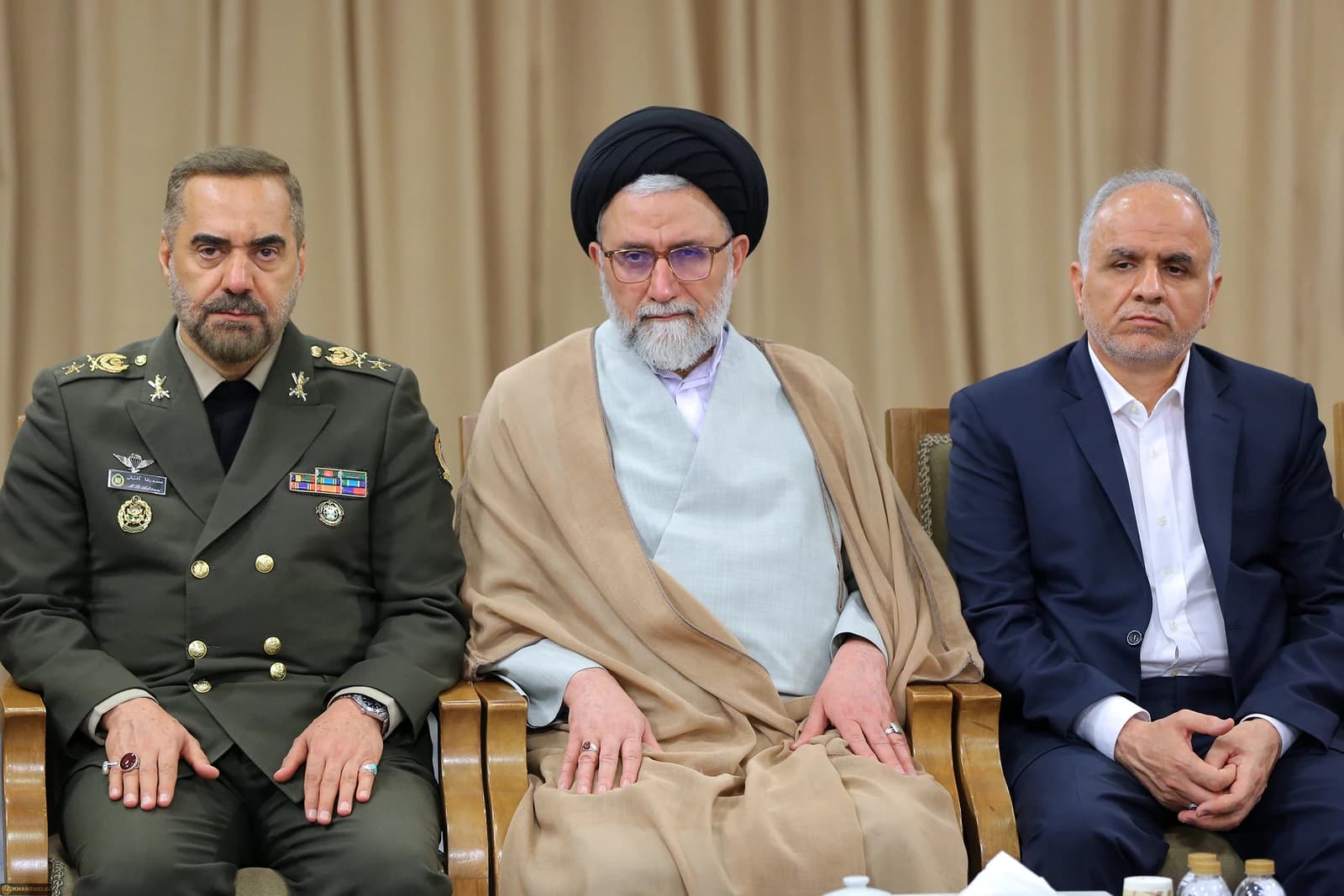
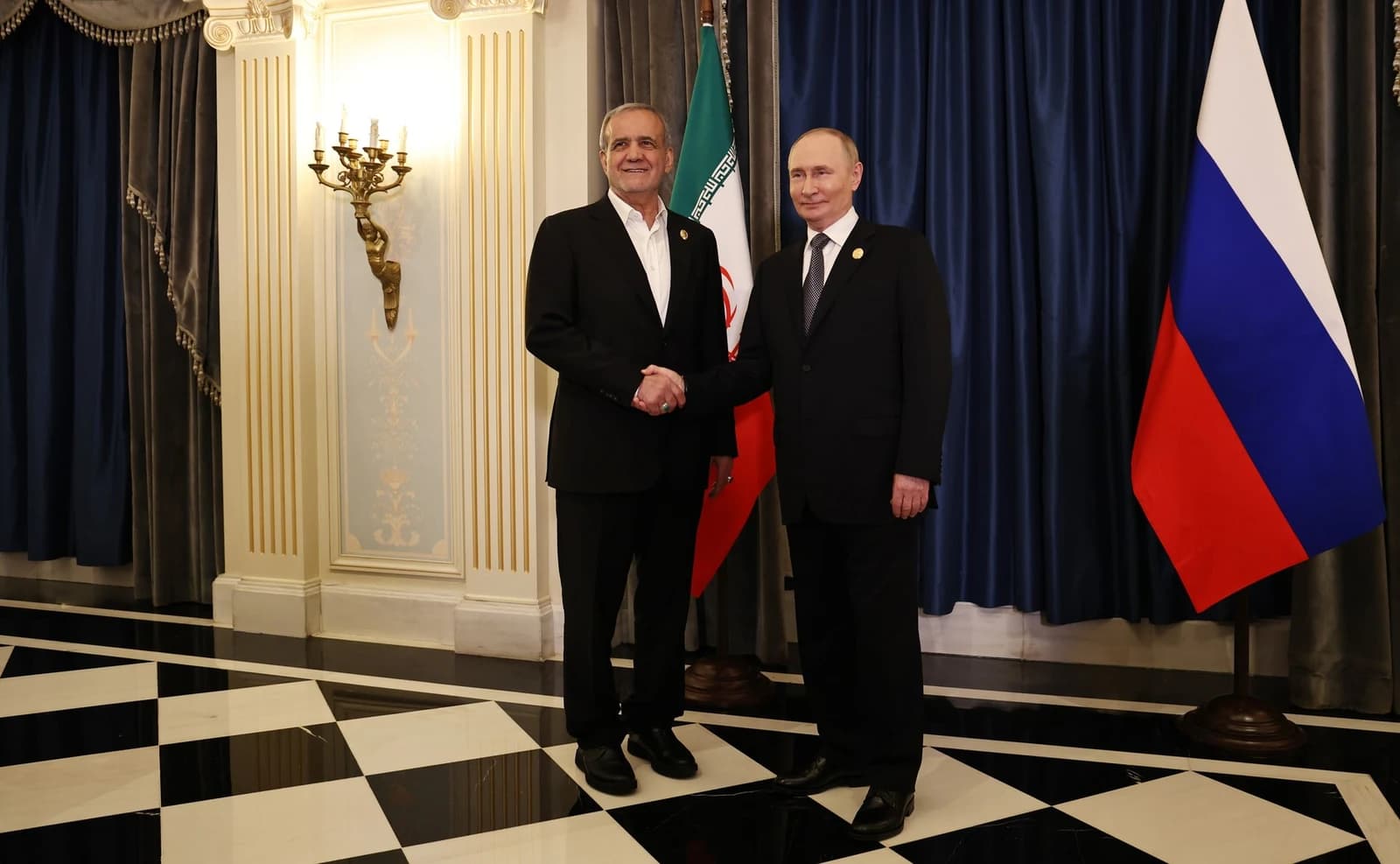
Lawmakers voted 237 to 15 to confirm Akhlaghi after President Masoud Pezeshkian nominated him on Oct. 5, according to Iranian state media. The appointment comes after the previous defense minister was killed in U.S. and Israeli air strikes earlier this year, underscoring how directly the conflict with Washington and Jerusalem has reached into Iran’s military leadership.
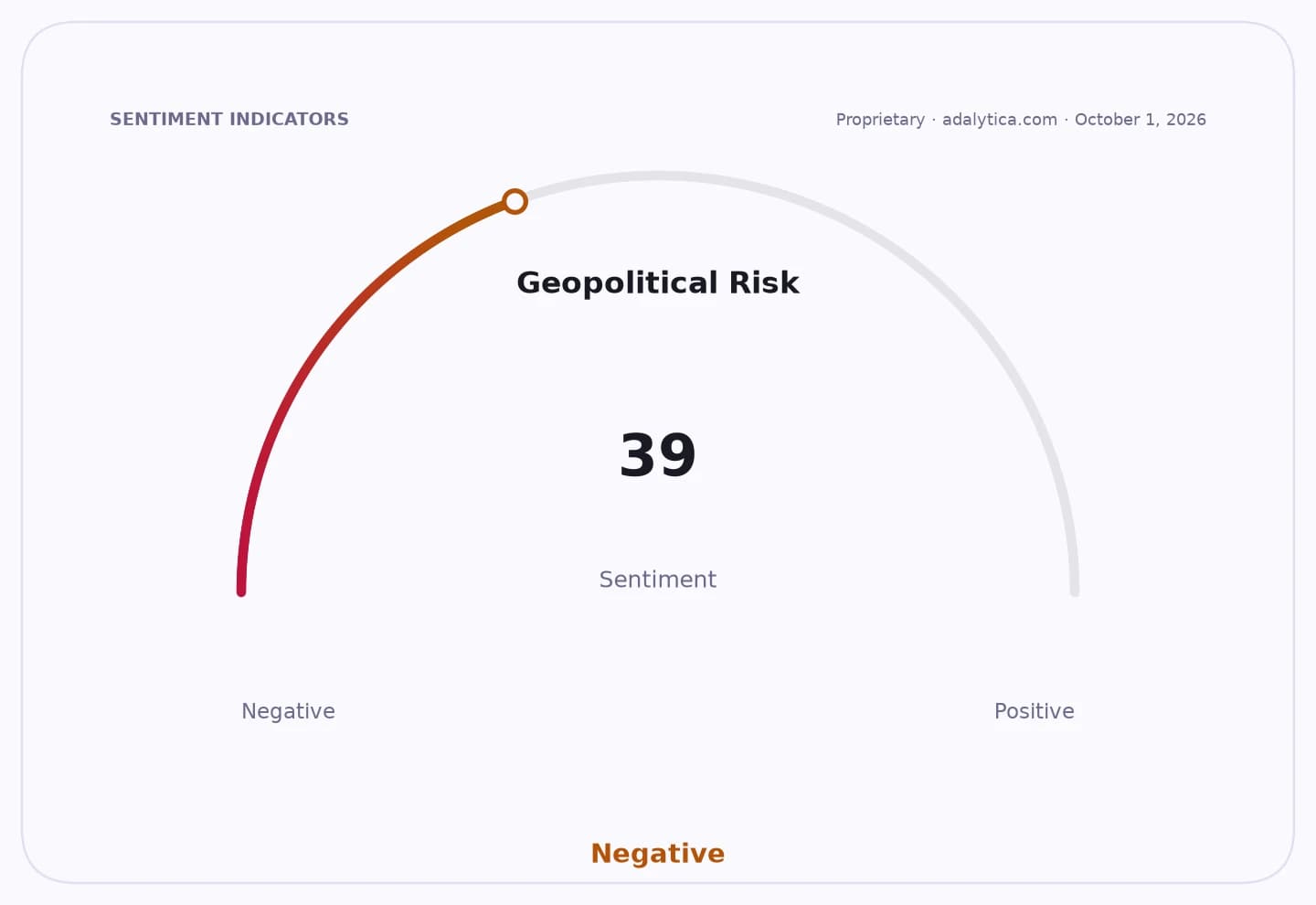
Sentiment IndicatorsⓘProprietary · adalytica.com · October 22, 2026
This is a snapshot — live sentiment, awareness and momentum for 130+ markets update continuously in the dashboard.Open AlphaPulse
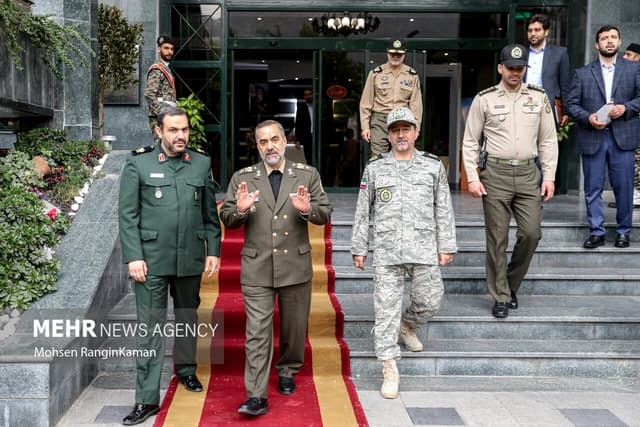
Akhlaghi is no outsider to the defense establishment. He has spent decades in Iran’s military-industrial system, including leadership roles at the Aerospace Industries Organization and the Defense Industries Organization, where he oversaw missile technology and weapons production. U.S. and European sanctions records already place him in the crosshairs: Washington first sanctioned him in 2008 over his role in the Shahid Bagheri Industrial Group, a key part of Iran’s missile program.
That background matters because the defense ministry is not just a policy portfolio in Iran; it is a node in the country’s deterrence architecture and industrial base. By elevating a missile specialist rather than a purely political figure, Tehran is prioritizing continuity in the programs that matter most to its ability to threaten adversaries, sustain proxy forces and absorb further strikes.
Geopolitical Risk — 30-day sentimentadalytica.com
Explore this data interactively — full history, time series and cross-market comparisons.Open AlphaPulse
Akhlaghi said after taking office that he would rebuild military industrial infrastructure, accelerate defense technology development and expand cooperation with private companies. He also warned that any renewed military action against Iran would carry serious regional consequences. For investors, that rhetoric reinforces the likelihood of persistent Middle East risk premia in energy, shipping and defense shares, even if no immediate market shock follows.
The appointment comes as defense contractors remain sensitive to the region’s security backdrop. Shares of Lockheed Martin, RTX and Northrop Grumman have all been trading above their 50-day averages, and Northrop and RTX have recently pushed back above their 200-day moving averages, reflecting sustained demand for air defense, missile defense and munitions. RTX’s latest filing pointed to higher Patriot production and major missile orders for U.S. and allied customers, while Northrop has highlighted the wider global security environment in its reports.
For Tehran, the strategic message is clear: it is choosing a defense chief whose career has been built around the weapons systems most central to deterrence against the U.S. and Israel. For markets, that points to a Middle East that remains a live source of tail risk, supporting defense spending and keeping geopolitical volatility embedded in oil and risk assets.
| Entity | Gains | Losses |
|---|---|---|
| Iran’s defense establishment | ▲missile expertise at the top | ▼room for softer signals |
| Tehran’s deterrence strategy | ▲continuity in weapons programs | ▼hopes of de-escalation |
| U.S. and Israel | ▲clearer intelligence signal | ▼lower likelihood of restraint |
| Defense contractors | ▲sustained demand for missile systems | ▼if tensions ease unexpectedly |